

Infrastructure
Texas Turned Blue. What’s Next for Its Energy Policies?
Democrats’ election sweep could reshape the Lone Star State’s energy politics, though not necessarily in the ways many expect.
Infrastructure
Democrats’ election sweep could reshape the Lone Star State’s energy politics, though not necessarily in the ways many expect.
Infrastructure
America needs more transmission capacity to meet rising electricity demand and put downward pressure on rates. That will require smarter investments and policies that put customers first.
Infrastructure
As Americans see their electricity bills rise, utilities are spending record sums on the grid while building fewer of the long-distance lines it needs. Investor-owned utilities are on…
Infrastructure
Washington and the states are making billion-dollar decisions about data centers without reliable information about how much electricity they use.

Infrastructure
This is the second piece in a series on BAAJA's transmission title.
Infrastructure
Roughly 2 percent of the S&P 500 is a chokepoint preventing multibillion-dollar conglomerates from funding prosperous infrastructure
Infrastructure
Developers should invest in local environmental improvements before asking communities to embrace new projects.
Energy
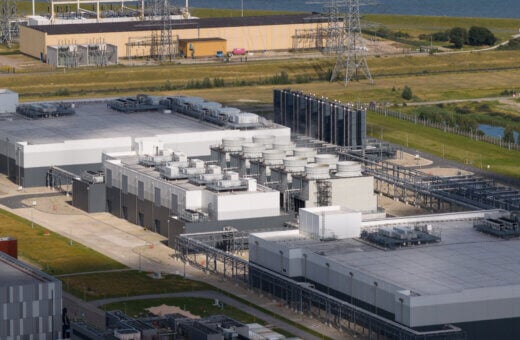
The scale of power requested by data centers joining the grid is straining how utilities have historically connected large customers. When a customer needs vast, uninterrupted power, major system upgrades often follow and those upgrades should be paid for by data centers to the extent they cause them. That's the premise behind the White House's Ratepayer Protection Pledge: data center energy costs shouldn't slide onto household bills. But holding utilities and hyperscalers to that promise is proving harder than it sounds. A recently-filed data center transmission service agreement shows how, when sound ratemaking principles are overlooked, the true costs imposed by data centers become hard to identify and harder to properly bill.
Infrastructure
Some critics have complained that Trump’s Environmental Protection Agency can’t protect us from the supposed environmental harms of data centers if they cut down on red tape to streamline building permits. That’s part of a broader narrative that data centers are bad for the environment, but it ignores their benefits.
Energy
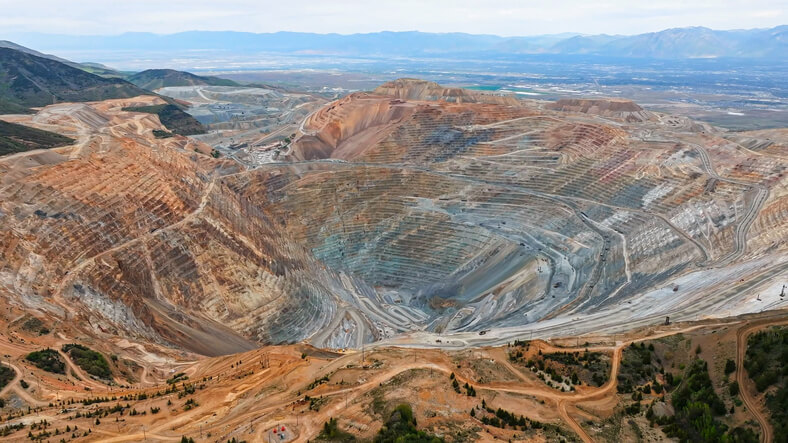
The Protecting Domestic Mining Act (H.R. 1501) just passed the House by a 218–201 vote, with seven Democrats crossing the aisle. The bill, which now heads to the Senate, makes mining and mineral processing eligible for expedited permitting under Title 41 of the Fixing America's Surface Transportation Act (known as FAST-41) and blocks a Biden-era proposal that would have limited that eligibility to "critical" minerals.