
Agriculture
Tech giant Google has agreed to purchase one million carbon credits from Indian startup Mitti Labs to offset methane emissions from rice farming. As one of the world’s staple grains, rice cultivation accounts for approximately 12 percent of methane emissions worldwide. Unfortunately, its presence in every kitchen cabinet also means that reducing the crop’s carbon footprint is no simple task.
By Nathalie Voit2 min readSeptember 17, 2026
→

Infrastructure
Some critics have complained that Trump’s Environmental Protection Agency can’t protect us from the supposed environmental harms of data centers if they cut down on red tape to streamline building permits. That’s part of a broader narrative that data centers are bad for the environment, but it ignores their benefits.
By Andrew Follett3 min readSeptember 10, 2026
→

Environment
Here is a fact that should embarrass every climate activist: States with the most liberated energy markets in America are producing better environmental outcomes than the green mandators of Europe — and doing it without impoverishing their people in the process. Freedom, it turns out, is a remarkably effective environmental policy.
By Drew Bond5 min readJuly 21, 2026
→
Environment
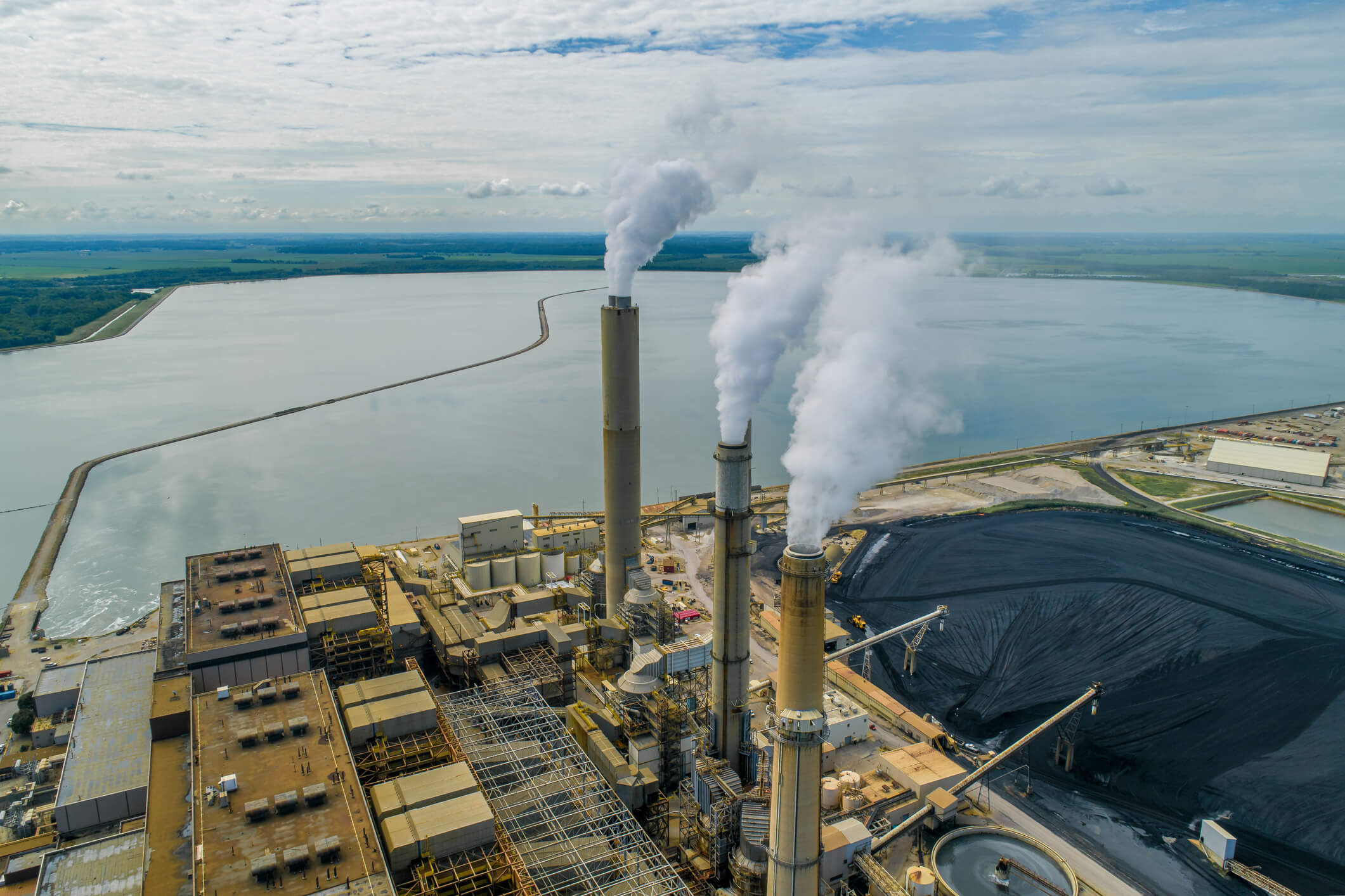
Across the United States, billions of tons of industrial waste could hold the key to revitalizing the country’s struggling critical metals sector. PHNX Materials is unlocking that opportunity by transforming waste into high-value materials for the agriculture, semiconductor, and building materials industries.
By Nathalie Voit3 min readMay 27, 2026
→

Energy
This month, C3 Solutions Action signed on to a bipartisan coalition letter calling for steady, robust federal funding for energy research, development, and demonstration. Addressed to the leadership of the House and Senate Appropriations Committees, the letter highlights the United States’ long history of energy innovation and the importance of maintaining that leadership.
By David Kemp2 min readMay 18, 2026
→
Energy
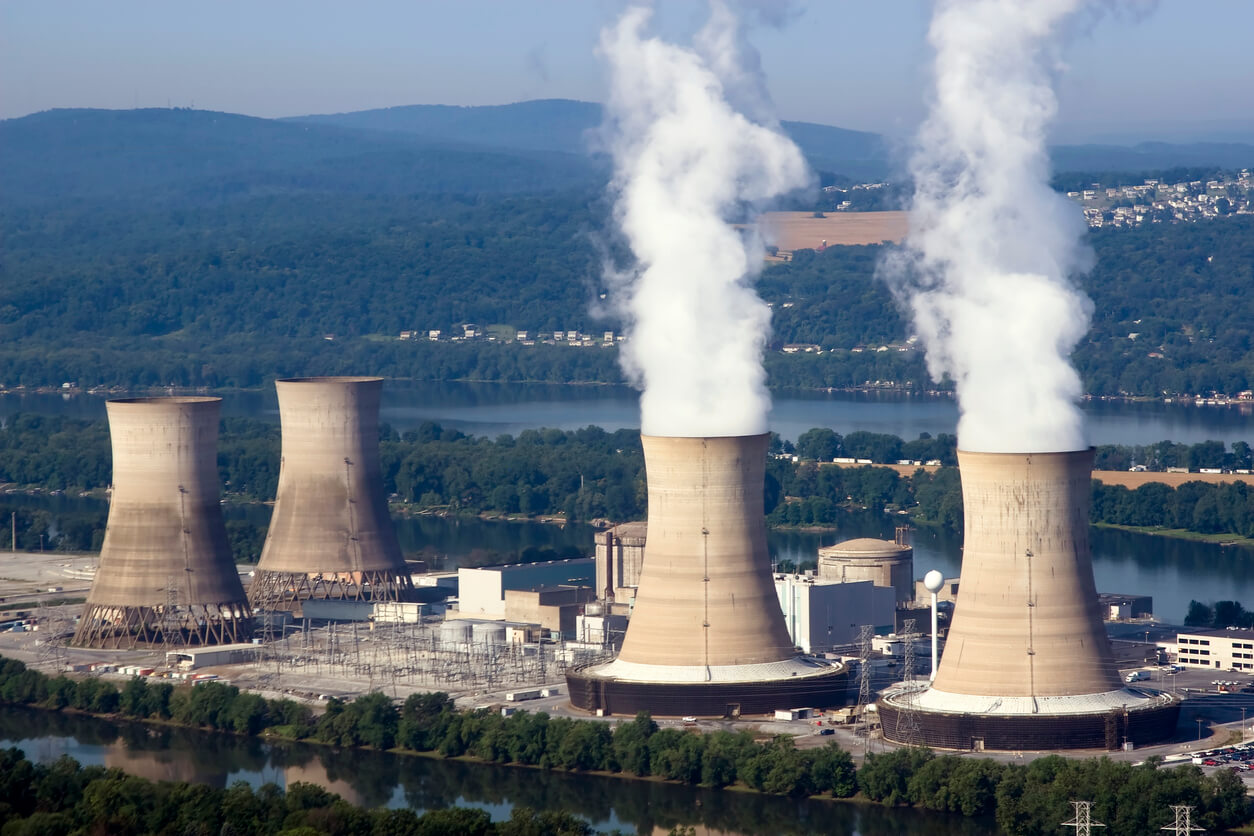
In the coming months, the Nuclear Regulatory Commission (NRC) will finalize a slate of rulemakings that, taken together, represent the most consequential overhaul of America’s nuclear regulatory framework in nearly 70 years. The modernizations will address many significant regulatory cost drivers that have disadvantaged advanced nuclear energy as a reliable, emissions-free, dispatchable source of power. For nuclear energy to be a viable option, it needs to work for the American taxpayer and ratepayer. The NRC’s reforms give all forms of nuclear power a better shot at doing so.
By Nick Loris4 min readMay 11, 2026
→
Energy
Affordability has quickly overtaken climate change as the primary focus of energy policy. One reason may be that the climate policies adopted over the past decade are finally starting to bind, imposing added costs at a time of rising electricity demand and, in some parts of the country, higher power bills.
By David Kemp3 min readApril 23, 2026
→

Conservation
In a recent ruling, the Supreme Court handed the oil and gas industry a significant procedural win in a decade-long legal fight over Louisiana's eroding coastline. The decision changes where some of the cases will be heard, but it does not resolve the larger legal and policy problems at the heart of the litigation.
By Prasanna Pydipalli3 min readApril 22, 2026
→

Environment
ZymoChem, the San Leandro, California-based chemical biomanufacturer creating sustainable alternatives for everyday products, announced that its bio-based and biodegradable Super Absorbent Polymer (SAP), BAYSE, now matches or exceeds key performance metrics of conventional fossil-fuel based SAPs, according to company data.
By Nathalie Voit2 min readApril 20, 2026
→

Conservation
For five days, the equivalent of 350 Olympic-sized pools’ worth of sewage flooded into the Potomac River in a suburb of Washington, D.C. The cause? A clear failure in our permitting systems.
By Sydney Rodman4 min readApril 15, 2026
→
