
Energy
Why Permitting Reform Is So Hard
The debate over a bipartisan permitting bill reveals a fundamental tension between government accountability and the ability to build new infrastructure.
Energy
The debate over a bipartisan permitting bill reveals a fundamental tension between government accountability and the ability to build new infrastructure.
Energy
Many energy technologies that could prove transformative over the coming decades begin as ideas or testing too uncertain for private investment. The Advanced Research Projects Agency-Energy (ARPA-E) was…

Energy
Virtually everything in modern society runs on energy. It is, therefore, no surprise that the United States needs infrastructure projects capable of delivering more energy, whether in the…
Energy
This is the first article in a series by Dylan Maxik on the Bipartisan American Affordability and Jobs Act's transmission title.

Energy
With diesel at record highs, there is a strong political temptation to look for levers to bring prices down. Last week, Politico reported that the administration was drafting…

Energy
Since the White House announced its Ratepayer Protection Pledge earlier this year, people have repeatedly noted that it’s just that—a non-binding pledge to protect households from data center…

Energy
Chinese President Xi Jinping arrives in Washington today for a three-day state visit. Export controls will be a central focus of his meeting with President Trump. Two moratoriums,…
Energy
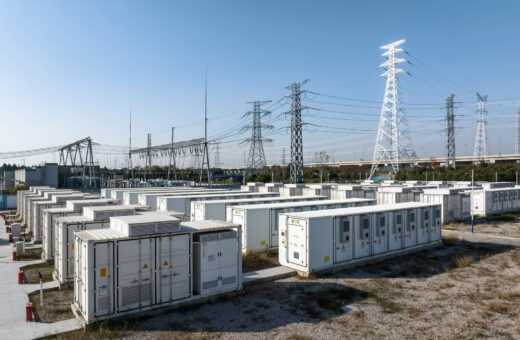
America’s rural population of 66 million could benefit immensely from emerging technologies and a future of abundance. In particular, long-duration energy storage (LDES) could unlock cheaper, more reliable electricity for rural Americans all over the country. Unfortunately, regulatory problems could slow down or even prevent progress on LDES. Now is the time to fix these issues and pave the way for solutions.

Energy
The scale of power requested by data centers joining the grid is straining how utilities have historically connected large customers. When a customer needs vast, uninterrupted power, major system upgrades often follow and those upgrades should be paid for by data centers to the extent they cause them. That's the premise behind the White House's Ratepayer Protection Pledge: data center energy costs shouldn't slide onto household bills. But holding utilities and hyperscalers to that promise is proving harder than it sounds. A recently-filed data center transmission service agreement shows how, when sound ratemaking principles are overlooked, the true costs imposed by data centers become hard to identify and harder to properly bill.
Energy
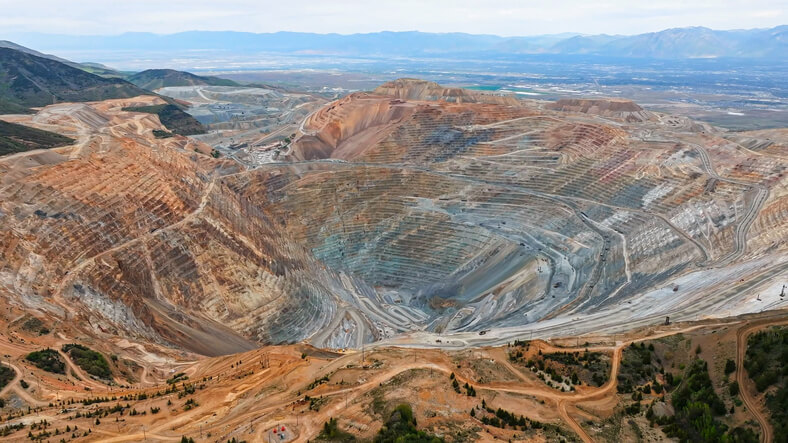
The Protecting Domestic Mining Act (H.R. 1501) just passed the House by a 218–201 vote, with seven Democrats crossing the aisle. The bill, which now heads to the Senate, makes mining and mineral processing eligible for expedited permitting under Title 41 of the Fixing America's Surface Transportation Act (known as FAST-41) and blocks a Biden-era proposal that would have limited that eligibility to "critical" minerals.