
Infrastructure
The Utility Math Monster Eating America’s Cookies
Roughly 2 percent of the S&P 500 is a chokepoint preventing multibillion-dollar conglomerates from funding prosperous infrastructure

Energy policy and infrastructure
Arushi Sharma Frank works at the intersection of energy infrastructure, technology, and power markets. A Tesla veteran, she advises organizations on energy policy and commercialization.
Infrastructure
Roughly 2 percent of the S&P 500 is a chokepoint preventing multibillion-dollar conglomerates from funding prosperous infrastructure
Energy
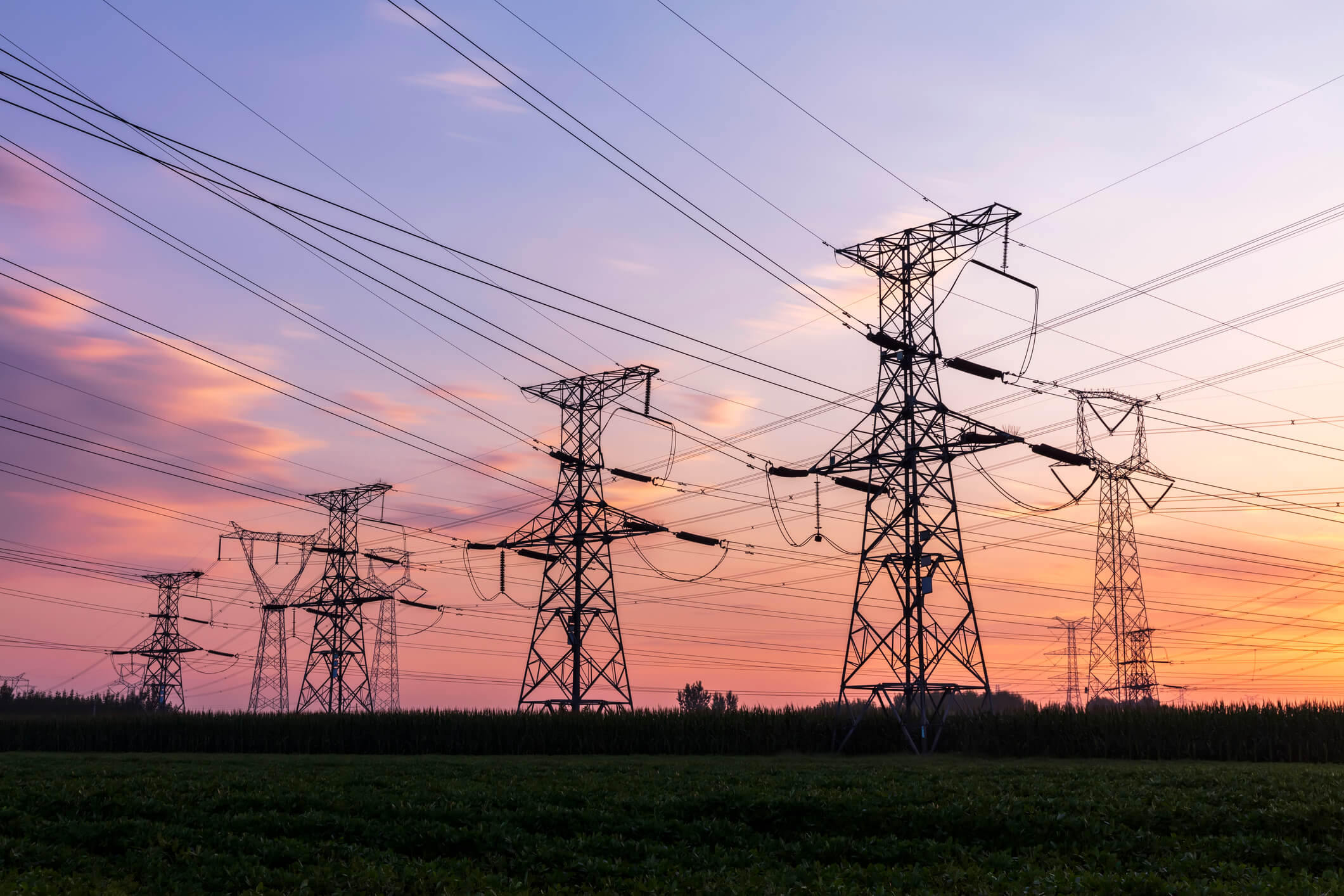
America’s electric grid is facing a structural breaking point. Trillions of dollars of artificial intelligence infrastructure, data centers, and industrial reshoring demand power today, but traditional high-voltage transmission upgrades take five to seven years to deliver firm capacity. Under the status quo, large energy consumers are forced to wait in line, threatening stymied global leadership and lost economic growth.
Energy
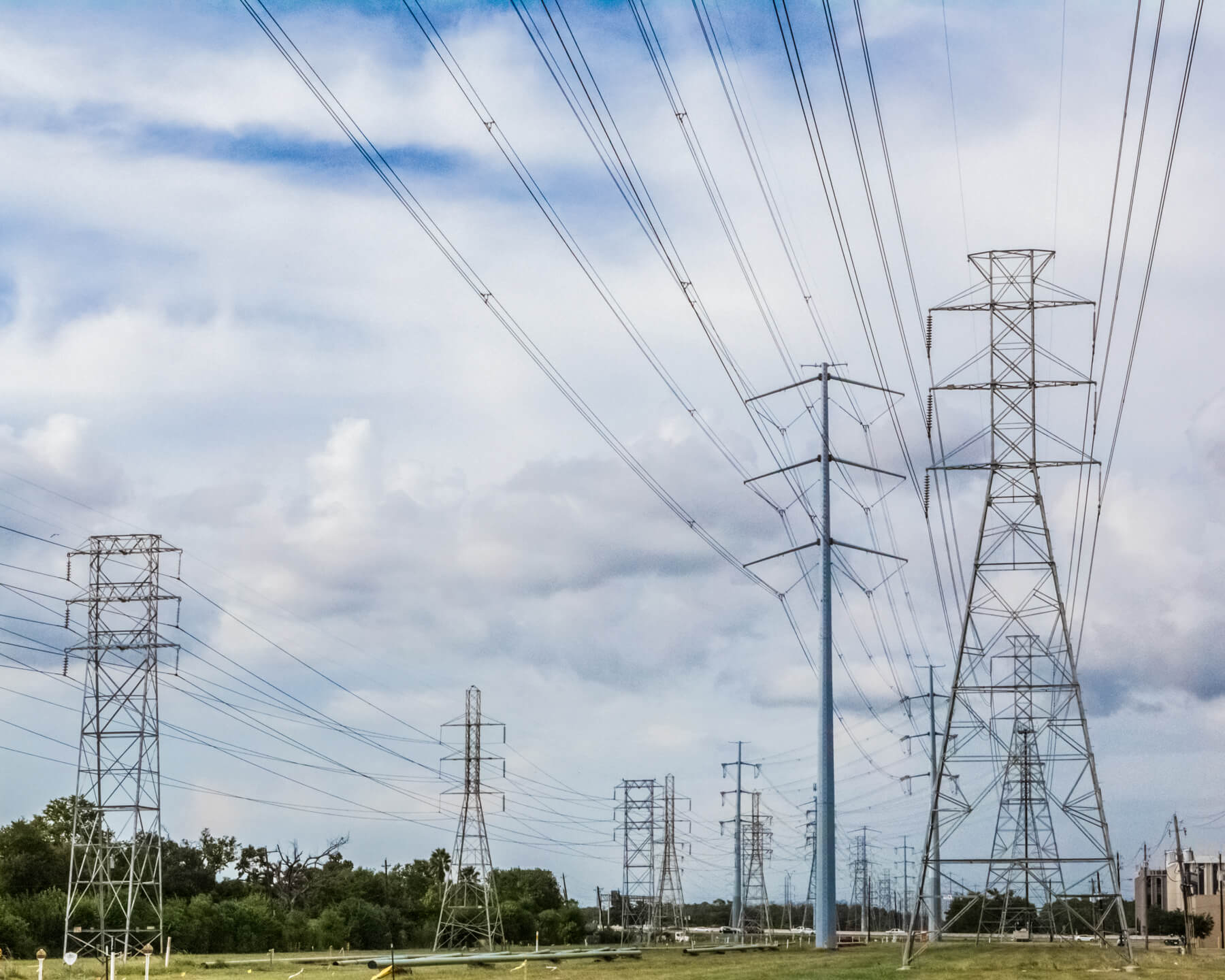
Texas has long stood apart from national energy policy—its own grid, its own rules. In 2026, that independence has made it the top destination for AI-driven electricity demand. While Washington grapples with the pressures of building data centers, ensuring reliability, and controlling costs, Texas is tackling everything at once. The Electric Reliability Council of Texas (ERCOT) market is solving for speed-to-power by surmounting transmission bottlenecks, phantom load growth, buying down residential rate increases, and more.

Energy
This piece was initially published in Latitude Media. Today a partnership coalition including Nvidia, Emerald AI, EPRI, Digital Realty, and PJM announced the world’s first power-flexible AI facility: the 96-megawatt Aurora…