
Energy
The scale of power requested by data centers joining the grid is straining how utilities have historically connected large customers. When a customer needs vast, uninterrupted power, major system upgrades often follow and those upgrades should be paid for by data centers to the extent they cause them. That's the premise behind the White House's Ratepayer Protection Pledge: data center energy costs shouldn't slide onto household bills. But holding utilities and hyperscalers to that promise is proving harder than it sounds. A recently-filed data center transmission service agreement shows how, when sound ratemaking principles are overlooked, the true costs imposed by data centers become hard to identify and harder to properly bill.
By Dylan Maxik4 min readSeptember 15, 2026
→
Infrastructure
Some critics have complained that Trump’s Environmental Protection Agency can’t protect us from the supposed environmental harms of data centers if they cut down on red tape to streamline building permits. That’s part of a broader narrative that data centers are bad for the environment, but it ignores their benefits.
By Andrew Follett3 min readSeptember 10, 2026
→
Energy
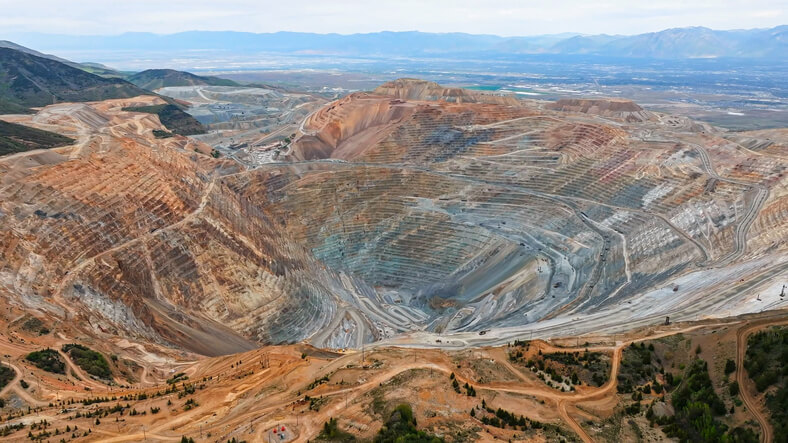
The Protecting Domestic Mining Act (H.R. 1501) just passed the House by a 218–201 vote, with seven Democrats crossing the aisle. The bill, which now heads to the Senate, makes mining and mineral processing eligible for expedited permitting under Title 41 of the Fixing America's Surface Transportation Act (known as FAST-41) and blocks a Biden-era proposal that would have limited that eligibility to "critical" minerals.
By David Kemp3 min readSeptember 9, 2026
→

Infrastructure
Americans just lived through one chip shortage. They’re about to live through another, and this one could hit their wallets even harder. The culprit this time isn’t a pandemic disrupting factories; it’s an artificial intelligence (AI) boom devouring the world’s memory chip supply. If Washington isn’t careful, the policy response could make the problem worse, not better.
By Nick Loris5 min readSeptember 8, 2026
→

Infrastructure
Leveraging Xylem's 'smart sewer' technology, the community of South Bend, Indiana, was able to save around $400 million in planned infrastructure spending... roughly one billion gallons of polluted water are now prevented from contaminating the St. Joseph River every year.
By Nathalie Voit2 min readSeptember 2, 2026
→
Energy
Lawmakers in both parties are scrambling to address the issues revealed by data centers. President Donald Trump, his administration officials, and several governors (including Pennsylvania Gov. Josh Shapiro) signed on to a statement of principles that encourage data centers to bring their own power or pay for the power they need.
By Joshua Schubert and Travis Fisher4 min readAugust 5, 2026
→

Infrastructure
Congress is running short on time to pass a comprehensive permitting reform package before the lame duck this fall. On the table awaiting votes are bills reforming the National Environmental Policy Act, Endangered Species Act, and Clean Air Act. The National Historic Preservation Act, which has recently gained traction as a permitting barrier to projects, has received comparatively little attention in Congress.
By C3 Solutions5 min readAugust 4, 2026
→
Energy
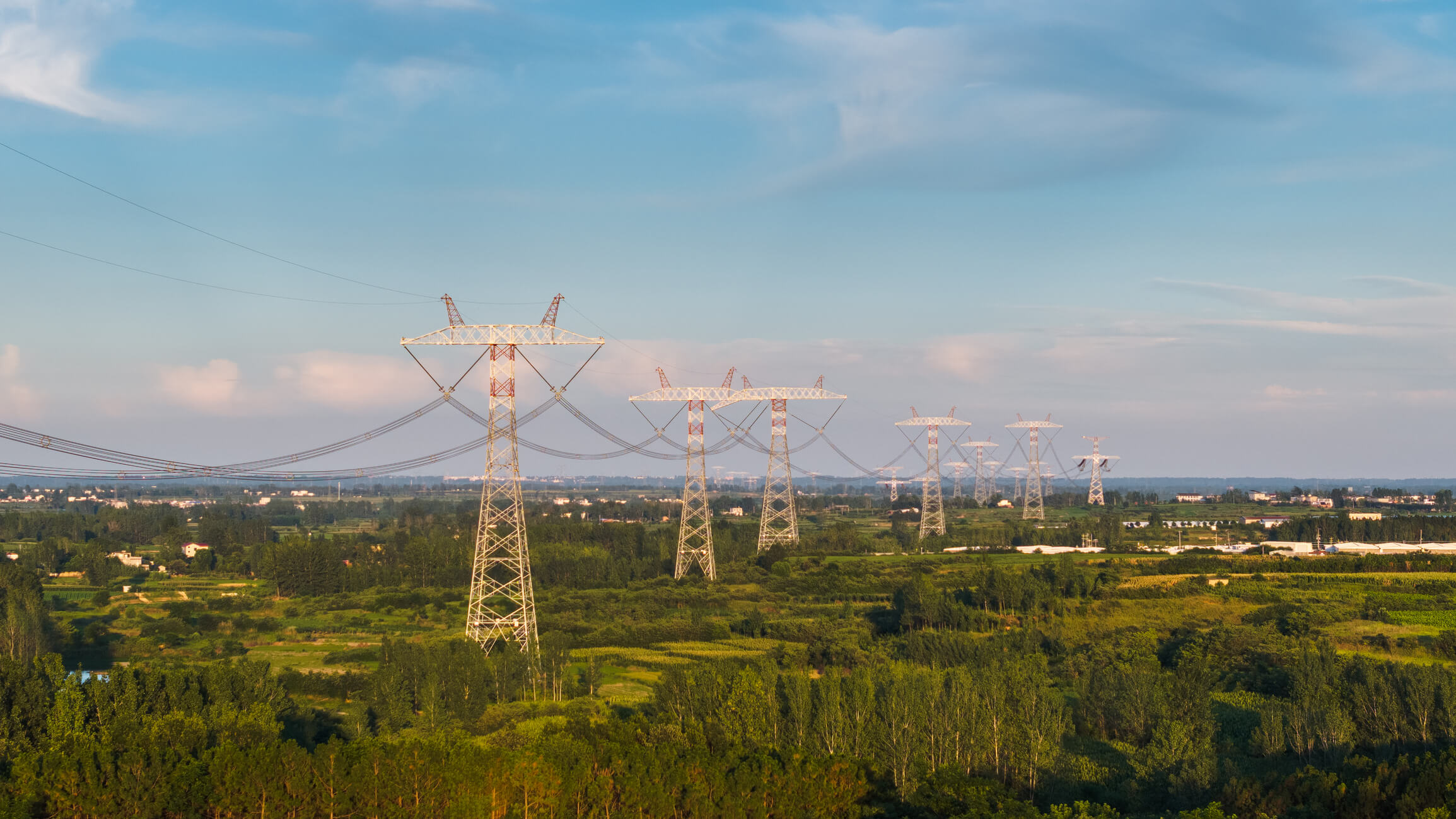
Building more is no substitute for building smarter. At times, this has been a challenge for America's energy infrastructure, particularly transmission. It is evident that the U.S. needs more transmission, but which transmission lines it builds matters for protecting ratepayers and keeping costs in check. An overwhelming number of House Members just reaffirmed this guiding principle for how America should approach the development of electric transmission.
By Dylan Maxik4 min readJuly 30, 2026
→
Infrastructure
Heading into the August recess, policymakers continue to hash out the details of a comprehensive permitting bill in hopes of sending it to President Trump’s desk this Congress. There is bipartisan recognition that permitting reform is essential to improving energy affordability and reliability, and to meeting our environmental ambitions. As the discussions on Capitol Hill evolve, one law starting to receive more attention for reform is the National Historic Preservation Act (NHPA).
By Nick Loris10 min readJuly 13, 2026
→

Infrastructure
Americans are exhausted by the cost of living—and energy sits at the heart of it. Recently published research by Kevin Dayaratna and Kat Miller at Advancing American Freedom (AAF) analyzing worldwide data finds that robust energy production is directly tied to higher incomes, greater productivity, longer life expectancy, and lower child mortality. The reality is stark: no country has ever achieved high living standards without substantial energy use.
By Kevin Dayaratna, Ph.D. and Paul Teller4 min readJuly 2, 2026
→
