Infrastructure
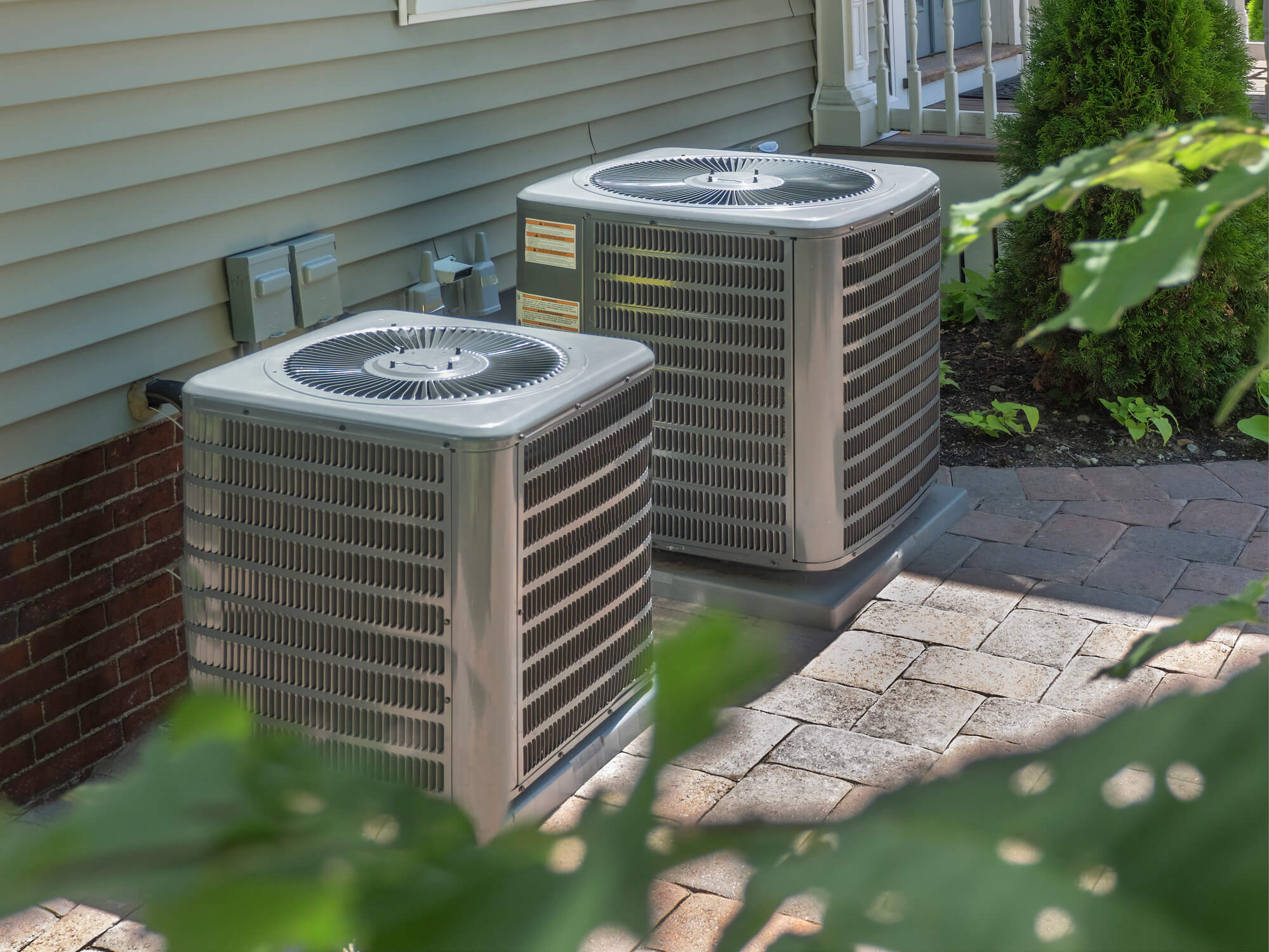
Recent heatwaves across Western Europe are highlighting the growing need for reliable and efficient climate-control infrastructure. limate infrastructure firm Trane Technologies is helping address this challenge through its energy optimization services powered by artificial intelligence. A leading provider of heating, ventilation, and air conditioning (HVAC) systems, Trane’s innovative roster of energy-efficient technologies reduce energy consumption, improve efficiency, and enhance operational resilience across a wide array of facilities, from data centers and hospitals to residential buildings.
By Nathalie Voit3 min readJune 25, 2026
→

Energy
Necessity, the proverb says, is the mother of invention. That indicates that the reason behind most innovations is that they fill a need. Many of us have a different, more modern way to explain that same observation: free markets work. People see a need, and they innovate to fill it, often crafting a new product or service.
By Drew Bond4 min readJune 16, 2026
→

Infrastructure
Developing and commercializing new metal alloys is a slow and expensive process. As a result, companies in sectors such as aerospace, defense, and energy often rely on established materials, even when they lack the performance required to build next-generation products. To address this challenge, Foundation Alloy is developing a new class of advanced alloys based on metals.
By Nathalie Voit3 min readJune 9, 2026
→
Energy
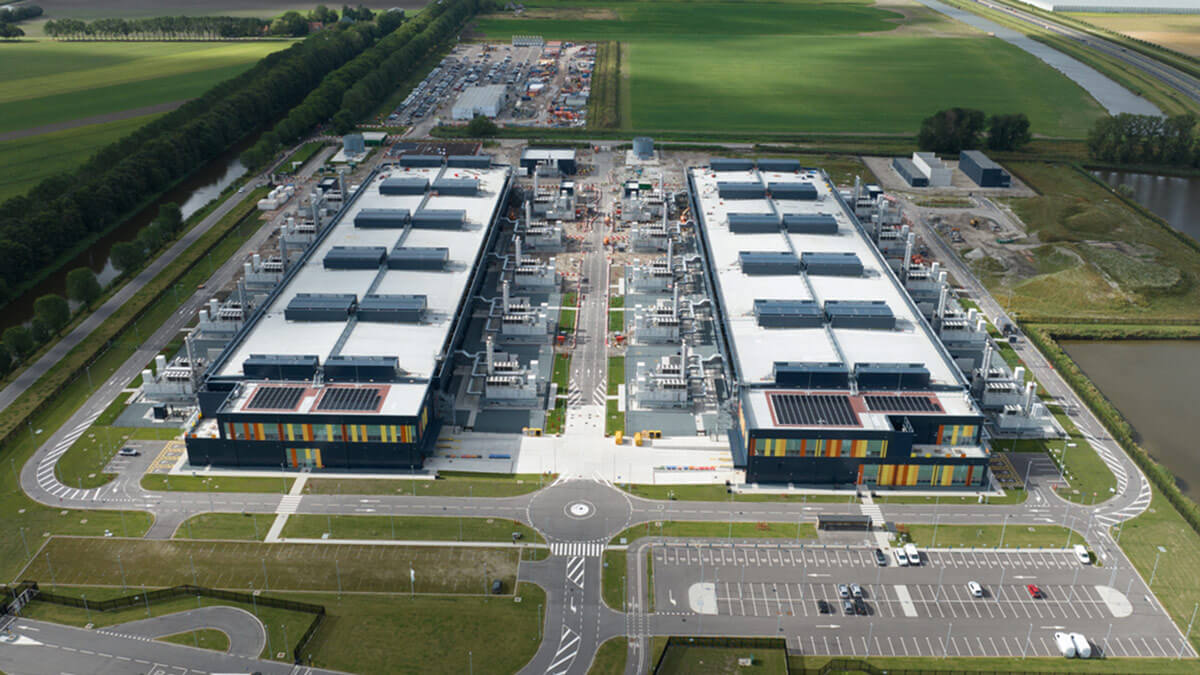
With the AI and data boom underway, electricity has become the top economic infrastructure for growth. Electricity has long been foundational to our society, powering our homes and businesses, but now, it is the primary infrastructure on which the digital economy, advanced manufacturing and an American industrial resurgence depend.
By Patrick Sullivan4 min readJune 8, 2026
→
Energy
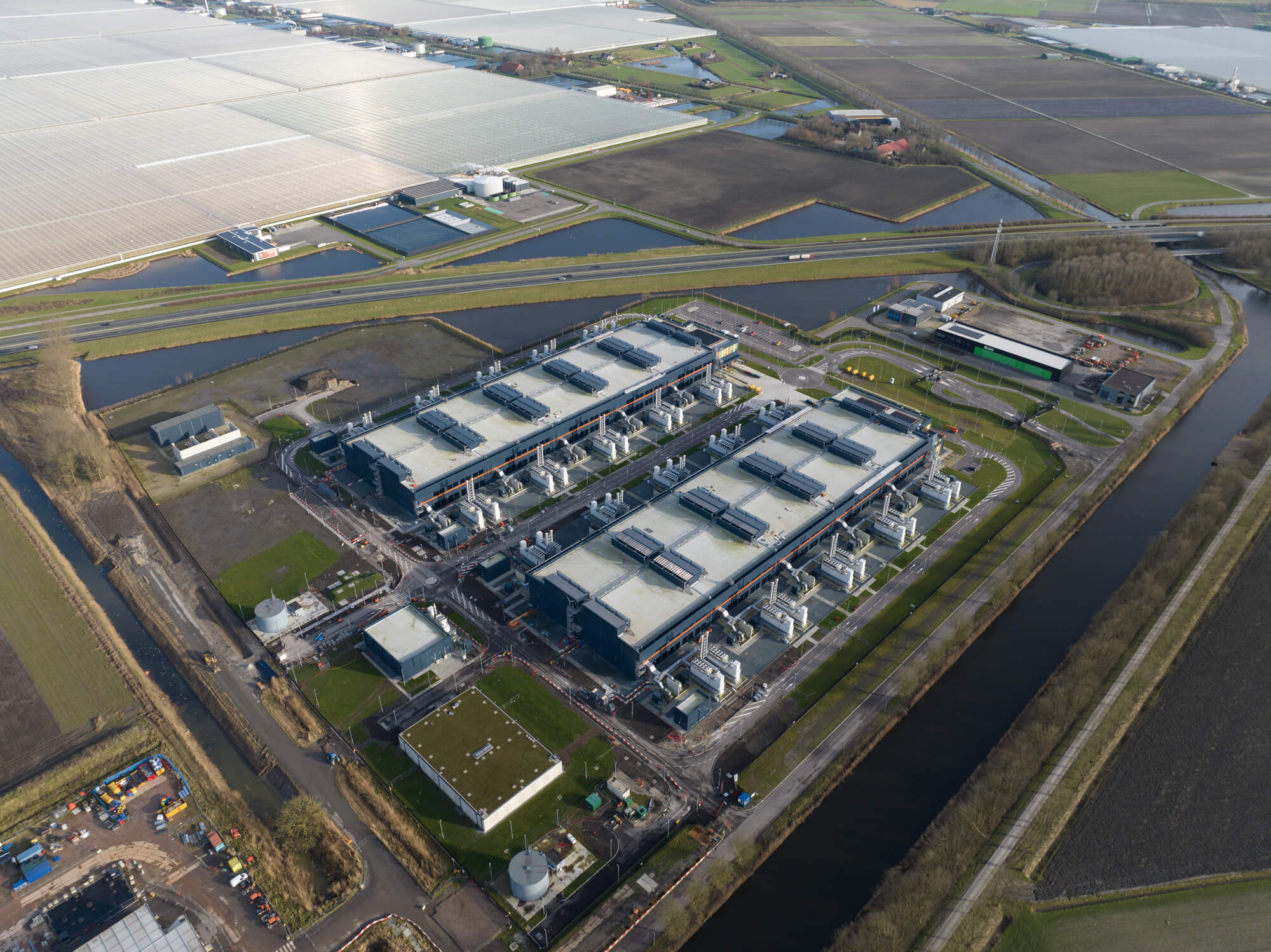
Should taxpayers love or loathe data centers? This question seems a loaded one in the first place. To ask it is to present a binary choice when, in reality, public opinion on the matter is more complex. Initially, a handful of fiscal conservatives branded the facilities that provide the infrastructure of the next Information Age as little better than taxpayer-funded sports stadiums or convention centers, which are proven economic and fiscal losers for the communities in which they abide compared to the various government subsidies they receive. Yet, aside from the fact that data centers, sports stadiums, and convention centers are physical structures, they have little to nothing in common.
By Pete Sepp6 min readMay 19, 2026
→
Energy
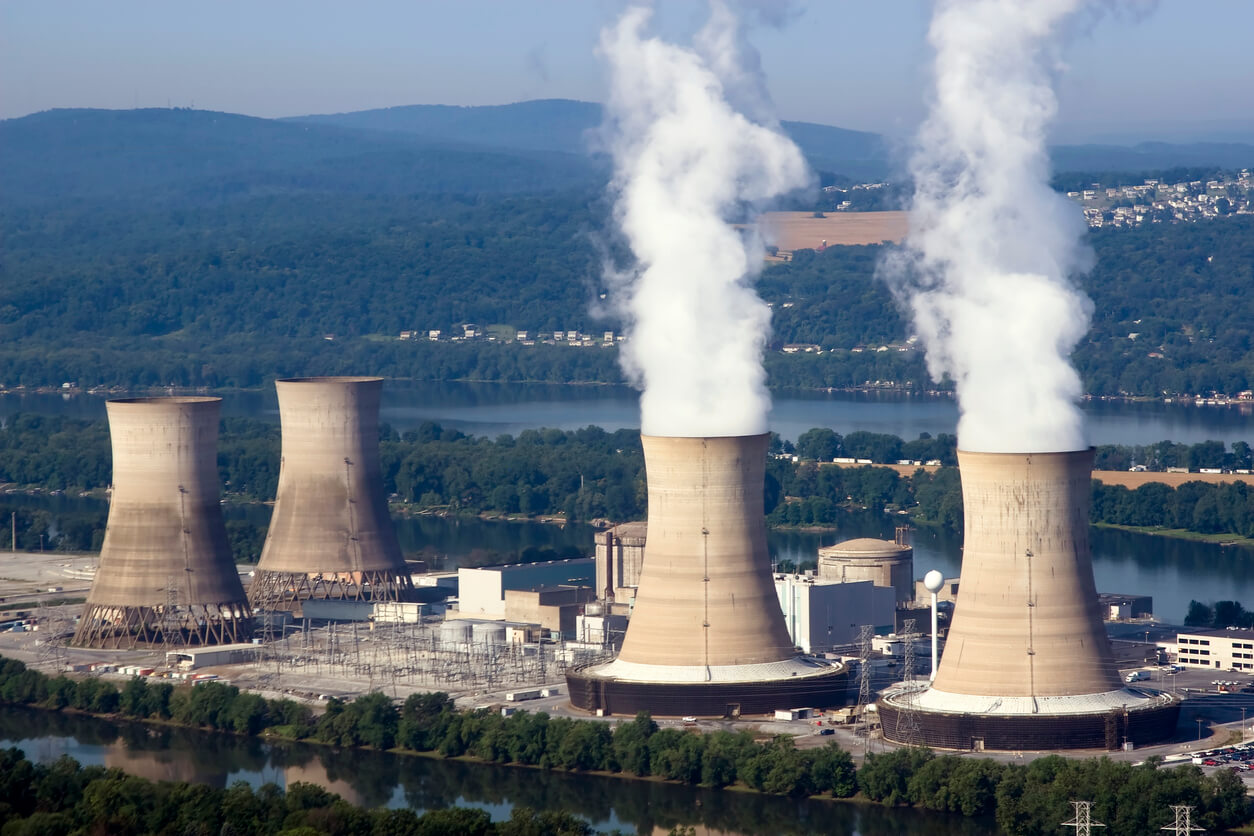
In the coming months, the Nuclear Regulatory Commission (NRC) will finalize a slate of rulemakings that, taken together, represent the most consequential overhaul of America’s nuclear regulatory framework in nearly 70 years. The modernizations will address many significant regulatory cost drivers that have disadvantaged advanced nuclear energy as a reliable, emissions-free, dispatchable source of power. For nuclear energy to be a viable option, it needs to work for the American taxpayer and ratepayer. The NRC’s reforms give all forms of nuclear power a better shot at doing so.
By Nick Loris4 min readMay 11, 2026
→
Energy
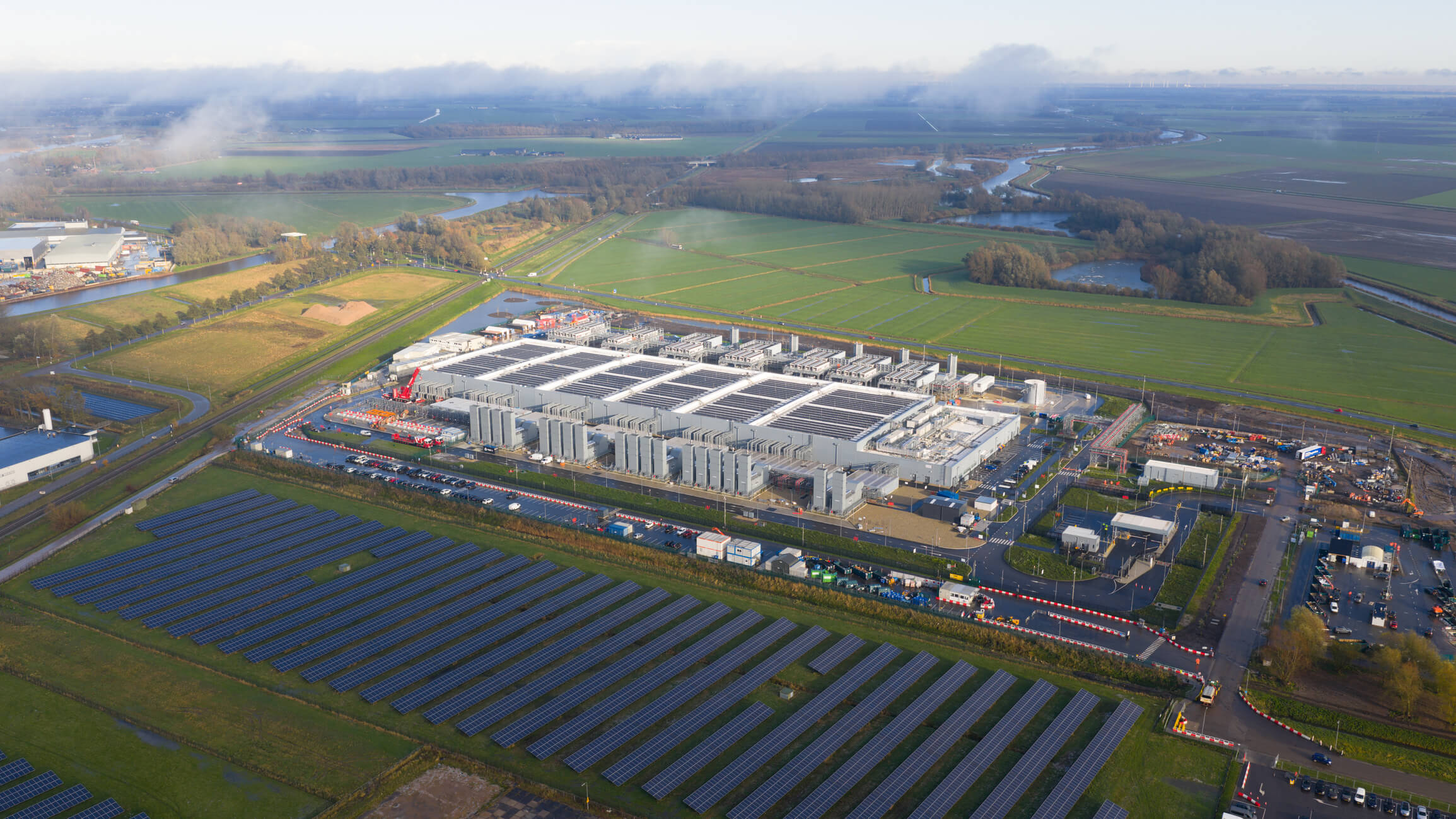
Growing opposition to data centers is beginning to expose divides in both parties. Last week, POLITICO reported that progressive challengers in battleground House primaries in Tennessee, Indiana, Virginia, and Maine are backing a national moratorium on datacenter construction.
By David Kemp and Prasanna Pydipalli4 min readApril 30, 2026
→

Infrastructure
The United States is the most energy-rich nation on earth. We have motivated capital, human ingenuity, a wide range of resources, and innovative technologies. With unprecedented energy demand needed in the next few years, the United States needs more power generation, more pipelines, and transmission lines.
By Nick Loris9 min readApril 27, 2026
→
Energy
Affordability has quickly overtaken climate change as the primary focus of energy policy. One reason may be that the climate policies adopted over the past decade are finally starting to bind, imposing added costs at a time of rising electricity demand and, in some parts of the country, higher power bills.
By David Kemp3 min readApril 23, 2026
→

Infrastructure
The National Historic Preservation Act (NHPA) was enacted in 1966 to protect America’s cultural heritage at a time when rapid development was destroying historic sites. Its core process, Section 106, requires federal agencies to consider how projects they fund, permit, or carry out affect historic and cultural resources. Though well-intentioned, nearly six decades later, Section 106 has become a source of uncertainty, delay, and rising costs for energy, transmission, and conservation projects.
By C3 Solutions4 min readApril 16, 2026
→
