Energy
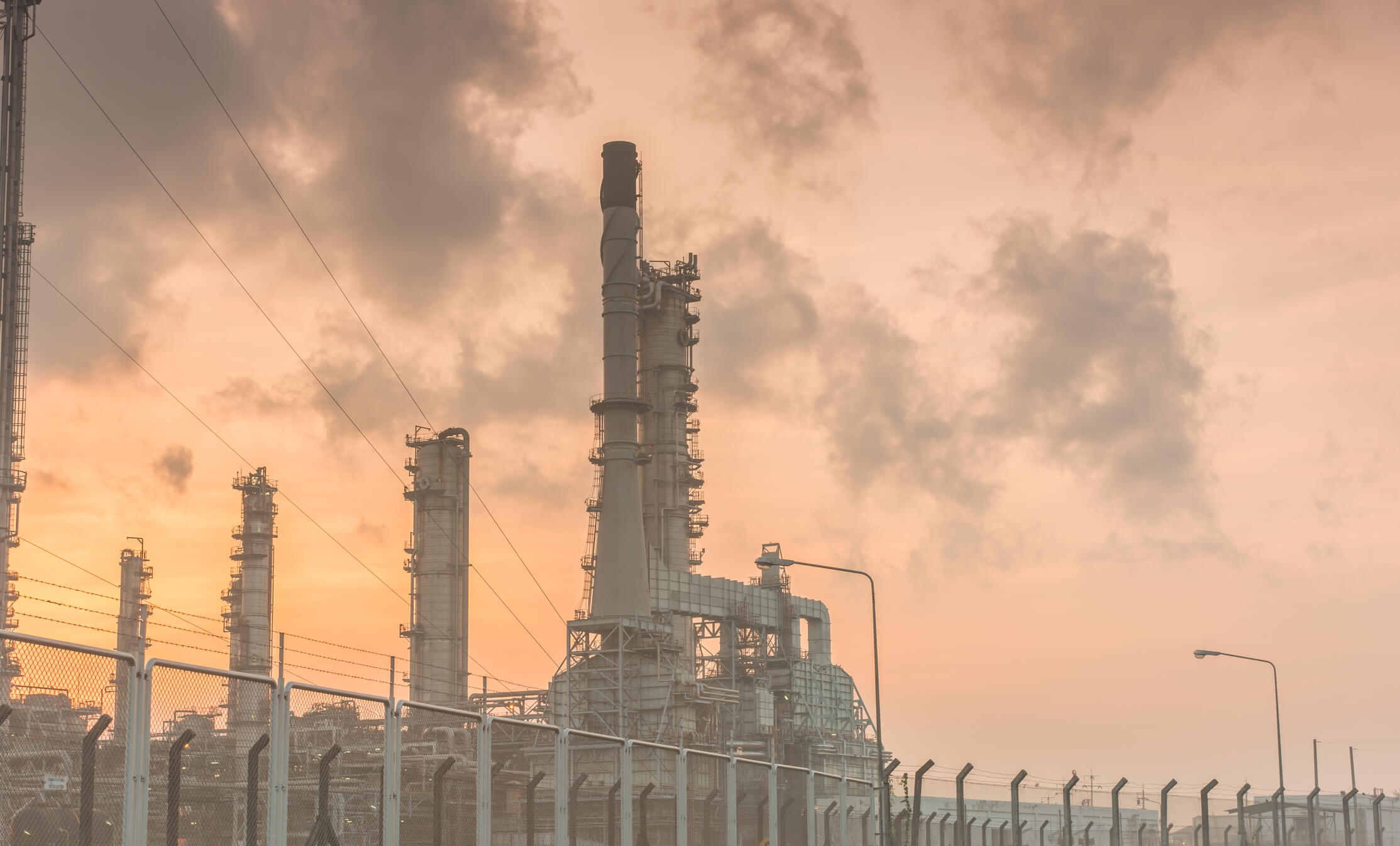
While it still seems to be a long way off, Iran and Trump seem to be considering the conditions they need to make peace. As I’ve noted in past Low-Energy Fridays, peace is better for the economy than war, which destroys productive resources and erodes investor confidence. But we must also understand that the way in which this peace is achieved may impact energy markets in the long term. While any peace is generally better economically than the status quo, risks caused by the war may remain even after a deal is made.
By Philip Rossetti3 min readMarch 30, 2026
→
Policy
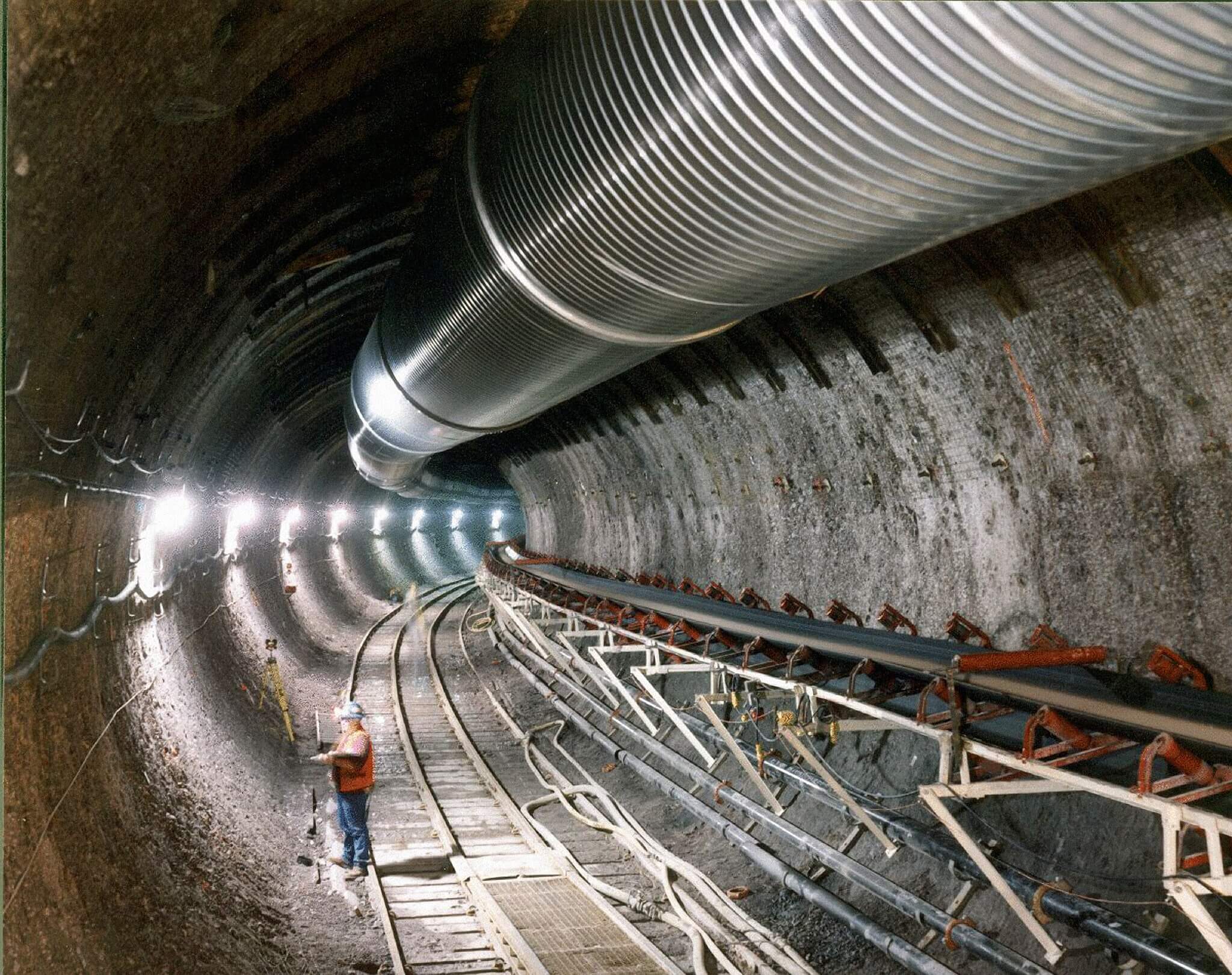
A new idea has emerged in the federal permitting reform space: “de-risking” permits via a government-managed insurance program. The context for this development is that investors lack confidence in their ability to secure federal permits due to the power of political appointees at permitting agencies to delay, cancel, or revoke permits. This has resulted in a new permitting reform priority: “permitting certainty,” or the notion that a permit, once granted, won’t be reversed under a future administration. While this is a laudable goal, policymakers must appreciate that government interventions can make these problems worse.
By Philip Rossetti5 min readFebruary 17, 2026
→

World
There’s an interesting paradox in economics known as the “resource curse.” Simply put, areas with abundant natural resources tend to be poorer than those that face scarcity. Competing theories attempt to explain the resource curse, but one generally accepted explanation is that these resource-rich countries usually have authoritarian governments while citizens under democracies fare better.
By Philip Rossetti3 min readJanuary 26, 2026
→

Policy
Last month, EPA Administrator Lee Zeldin announced a proposed rule to overturn the 2009 endangerment finding. The finding, which declared greenhouse gases a threat to public health and welfare, provided the legal backbone for the federal government to regulate carbon dioxide from cars, trucks, power plants, manufacturing facilities, and more.
By Nick Loris and Philip Rossetti6 min readAugust 26, 2025
→
Policy
Through the newly passed One Big Beautiful Bill Act (OBBBA), Congress has allocated $1 billion to the Department of Energy (DOE) for loans that focus on the president’s energy dominance agenda. This presents an opportunity for a necessary policy course correction, as the nation’s energy needs are growing, and even the energy we can produce won’t always be low-cost.
By Philip Rossetti6 min readJuly 9, 2025
→