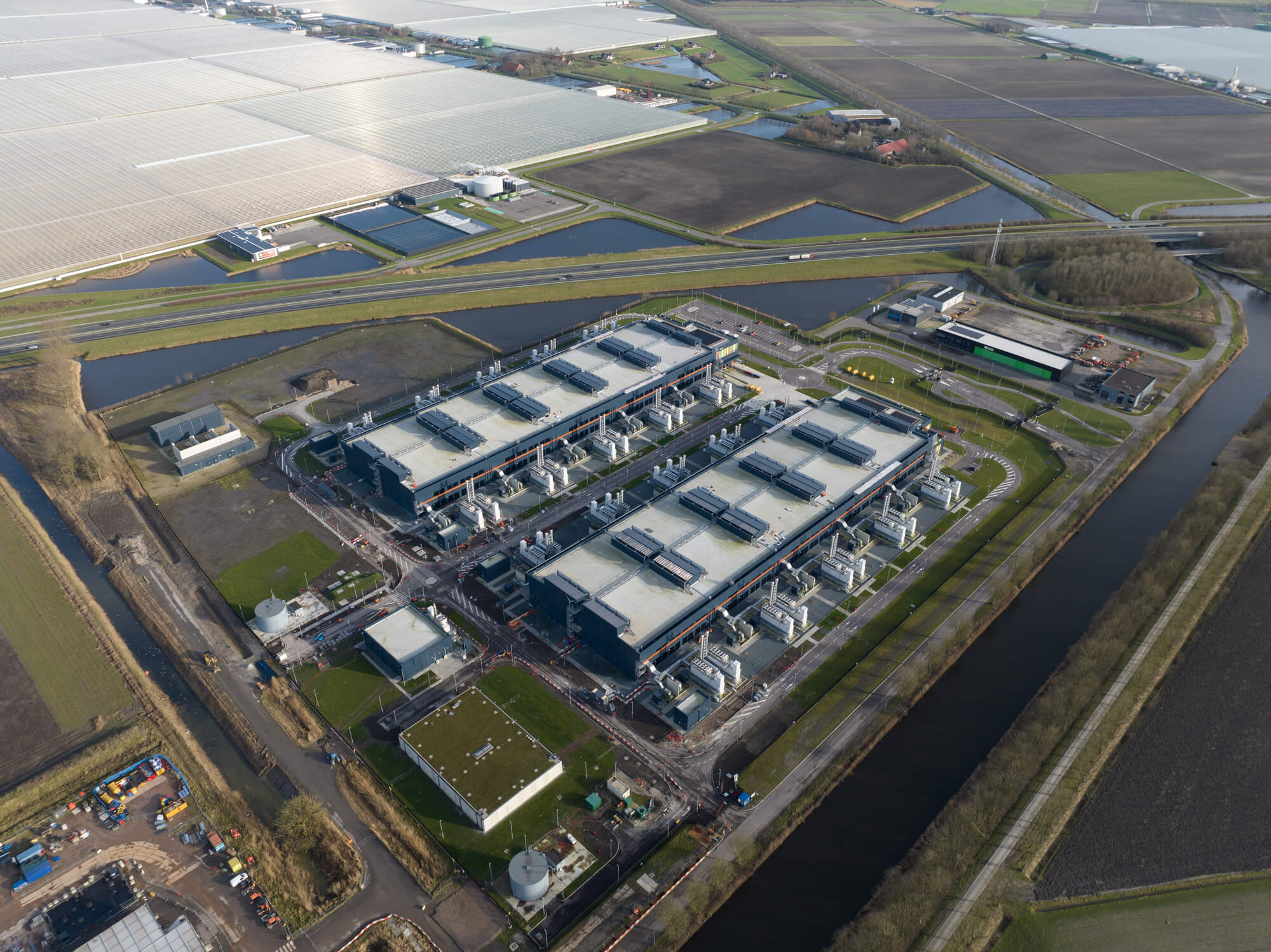
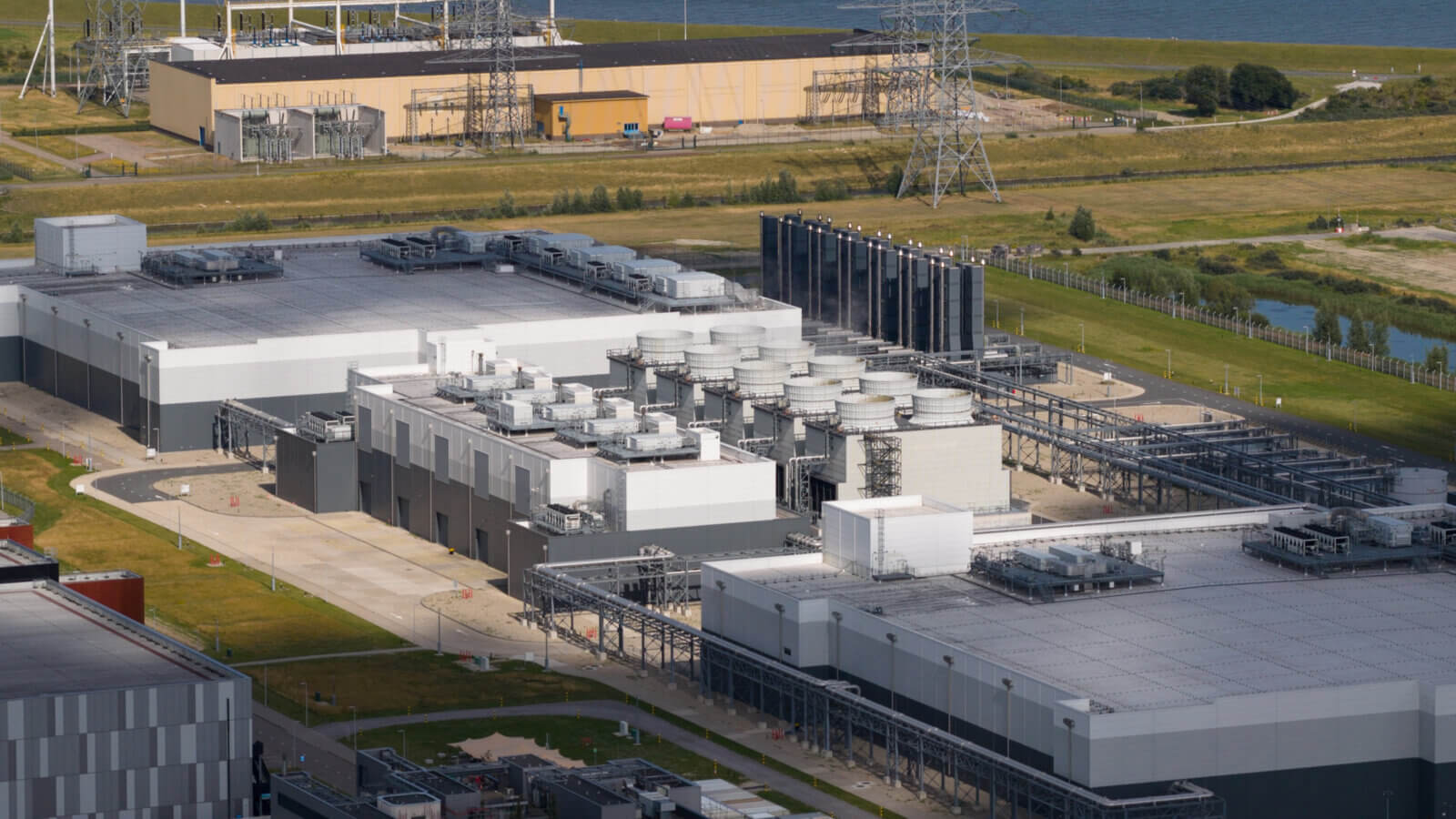
America’s data-center boom is encountering a growing obstacle: opposition from the communities where developers want to build. Though they are essential to AI, cloud services, manufacturing, and national security, data centers increasingly face local opposition due to concerns about electricity use, water consumption, noise, and other potential impacts. In Texas, where data-center growth has surged, opposition has intensified in recent months. Many projects now face organized resistance, while some localities are considering moratoriums or other restrictions.
The debate over data centers is often presented as a binary choice: communities can either embrace economic growth or protect their local environment and quality of life. But data centers do not have to come at the expense of the communities that host them. Developers can—and should—offer to make measurable environmental improvements in local communities, even before construction begins.
In oil- and gas-producing states like Texas, this could be done by plugging and reclaiming abandoned wells near proposed data centers. By addressing these longstanding environmental liabilities, companies can make genuine improvements in local communities. This approach could establish a new model for data-center development in which companies earn local trust by improving the environment in the communities where they plan to build.
Community opposition is increasingly difficult to ignore, even in pro-development states like Texas. In the city of San Marcos, opposition to a proposed 200-acre data center led the city to reject the developer’s annexation request and adopt restrictions effectively barring future data centers in the area. In Henderson County, concerns about water use and proximity to homes prompted resistance to a project near Cedar Creek Lake, which the developer ultimately withdrew. And in Hill County, commissioners imposed a moratorium on new data centers, only to rescind it weeks later after a developer filed a $100 million lawsuit.
Similar fights are playing out across Texas and the rest of the country. This creates significant financial risks for developers. Companies may spend millions on land, engineering, interconnection studies, environmental reviews, permitting, and site preparation only to encounter fierce local resistance. Even when projects ultimately proceed, delays and political uncertainty can drive up costs.
This raises an important question: What if, rather than simply promising future benefits, developers began delivering tangible improvements before asking communities for permission to build?
Under the traditional approach to community engagement, developers arrive after a project is largely designed, armed with economic-impact studies, tax-revenue projections, architectural renderings, job estimates, and the like. Those benefits are meaningful, but they are promises about what happens after a project is approved. In other words, communities are asked to accept impacts to their landscapes, infrastructure, and resources in exchange for benefits that may take years to materialize.
A better approach would start before a project reaches the most contentious stages of the permitting process. Developers could identify environmental liabilities in the surrounding community and commit to address them. In America’s oil- and gas-producing regions, thousands of legacy wells remain scattered across farms, ranches, industrial properties, and rural communities. Some leak methane, while others pose long-term reclamation liabilities. Many are also in the same places now being considered for large-scale data centers. Addressing them would deliver an immediate, measurable local benefit.
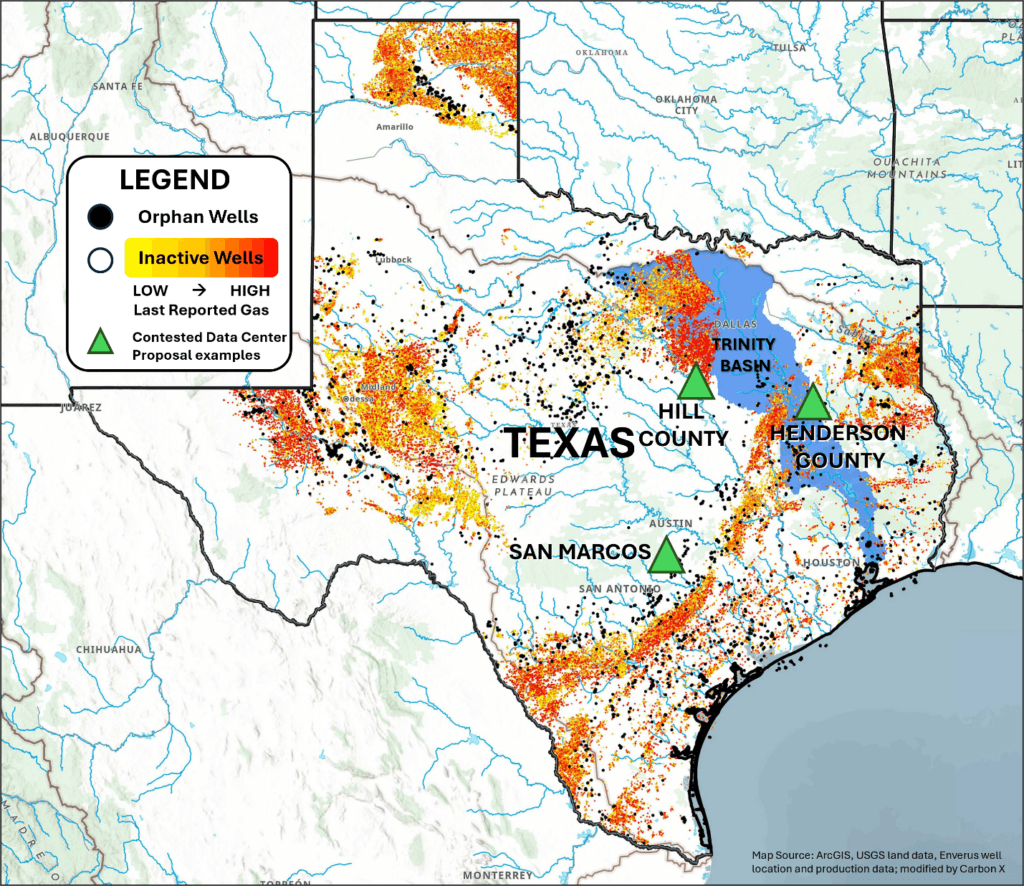
The tools to identify and remediate these wells already exist. State well databases, historical production records, geospatial analysis, and field-emissions measurements are readily available and can identify wells with the greatest potential benefit for remediation. Data-center developers could work with environmental services firms to evaluate wells near proposed projects and prioritize candidates for plugging. The result would be a new kind of bargain: investments in data centers paired with the cleanup of infrastructure left behind by an earlier generation of American energy development.
Plugging abandoned wells, of course, does not eliminate legitimate concerns about a data center’s electricity demand, water use, noise, transmission infrastructure, or land footprint. Those issues still must be addressed. But investing in local environmental improvements upfront can help establish credibility with residents. Rather than asking residents to accept a major development based on projections of future benefits alone, a developer can point to improvements it is already making in the surrounding community.
And, crucially, this approach doesn’t require more regulation. Market incentives can already do much of the work. If a relatively small local investment increases the likelihood that a multibillion-dollar project receives community support and proceeds on schedule, developers have a compelling financial reason to make it. Governments need not dictate which environmental projects companies undertake. Developers can work with local communities and environmental specialists to identify projects and direct investment toward them.
The potential payoff extends beyond goodwill. Companies that establish themselves as good partners may gain a competitive advantage over developers that do not. With delays costing potentially enormous sums, early investments in community improvements could prove to be among the most cost-effective forms of risk mitigation available.
This model also creates opportunities for collaboration among developers, landowners, state regulators, local governments, plugging contractors, and environmental-service companies. In oil- and gas-producing states such as Texas, Oklahoma, Louisiana, New Mexico, Pennsylvania, Ohio, and West Virginia, the potential scale is significant. But the principle extends far beyond abandoned wells. Developers could also invest in land and water restoration, grassland rehabilitation, invasive-species removal, and other locally relevant environmental improvements.
AI’s expansion will require enormous amounts of new infrastructure, and America should build it. Data-center developers are already solving extraordinarily sophisticated problems involving power generation, transmission, cooling, financing, and construction. Earning community support deserves the same attention. Instead of asking only what a community can provide to a new development, developers should ask what they can improve before they arrive.
For data-center developers, the lesson is simple: before building the infrastructure of the future, build something of value for the communities that will host it.