

Conservation
Recovering from the Endangered Species Act Should Be Easier
Recovering endangered species can be a long and difficult process. A new bipartisan bill could help change that.
Conservation
Recovering endangered species can be a long and difficult process. A new bipartisan bill could help change that.

Conservation
Wildlife conservation and economic development do not have to be at odds. But when permitting becomes unnecessarily slow, it can raise costs without improving conservation outcomes.

Conservation
It will let local forest managers decide where roads make sense—and where they don't.
Conservation
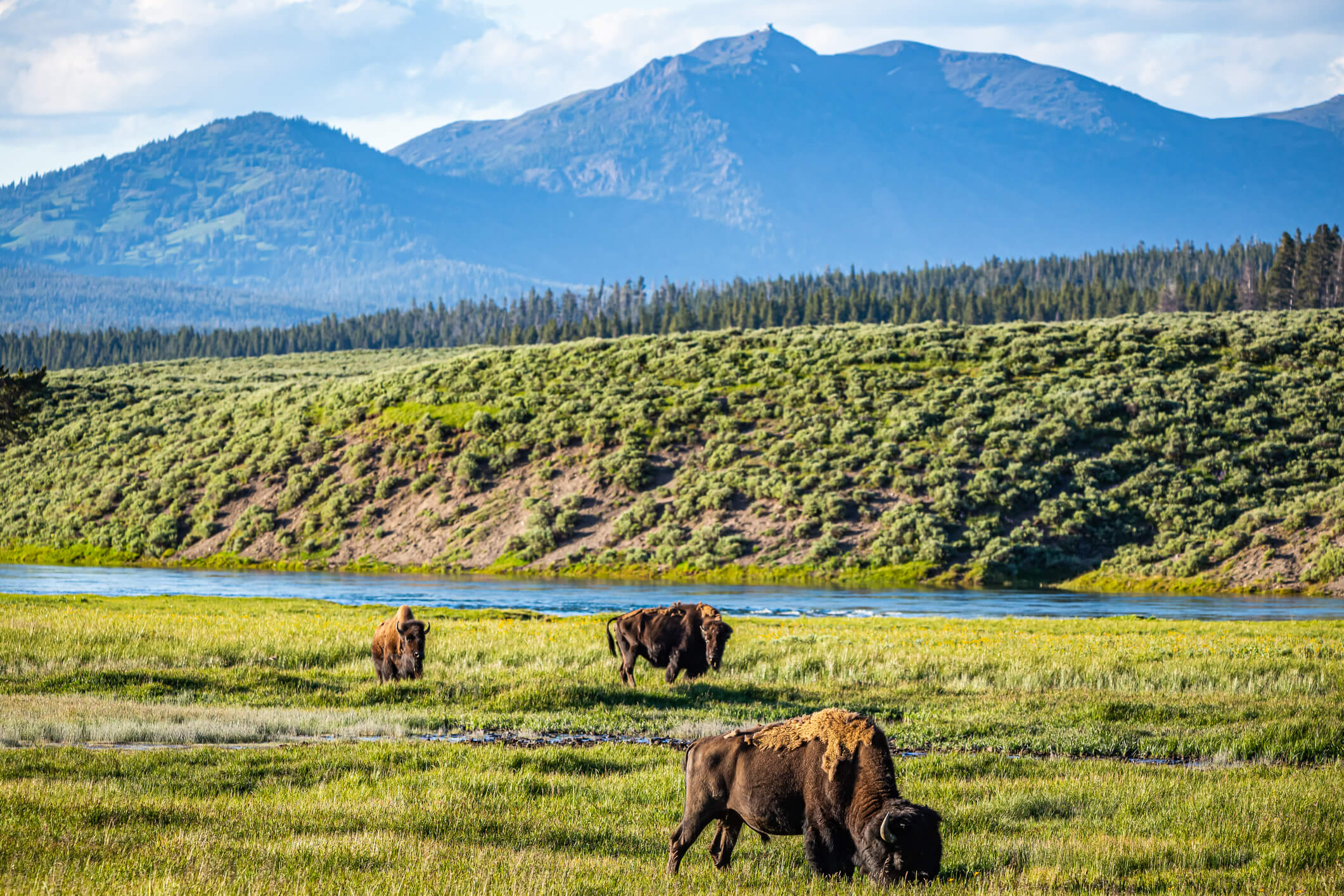
Earlier this month, a federal judge temporarily blocked the Bureau of Land Management (BLM) from forcing hundreds of bison from BLM grazing allotments in Montana. The ruling came months after BLM finalized the decision to revoke the conservation group American Prairie’s grazing permits and clear its bison off federal land by the end of September.

Infrastructure
Leveraging Xylem's 'smart sewer' technology, the community of South Bend, Indiana, was able to save around $400 million in planned infrastructure spending... roughly one billion gallons of polluted water are now prevented from contaminating the St. Joseph River every year.

Conservation
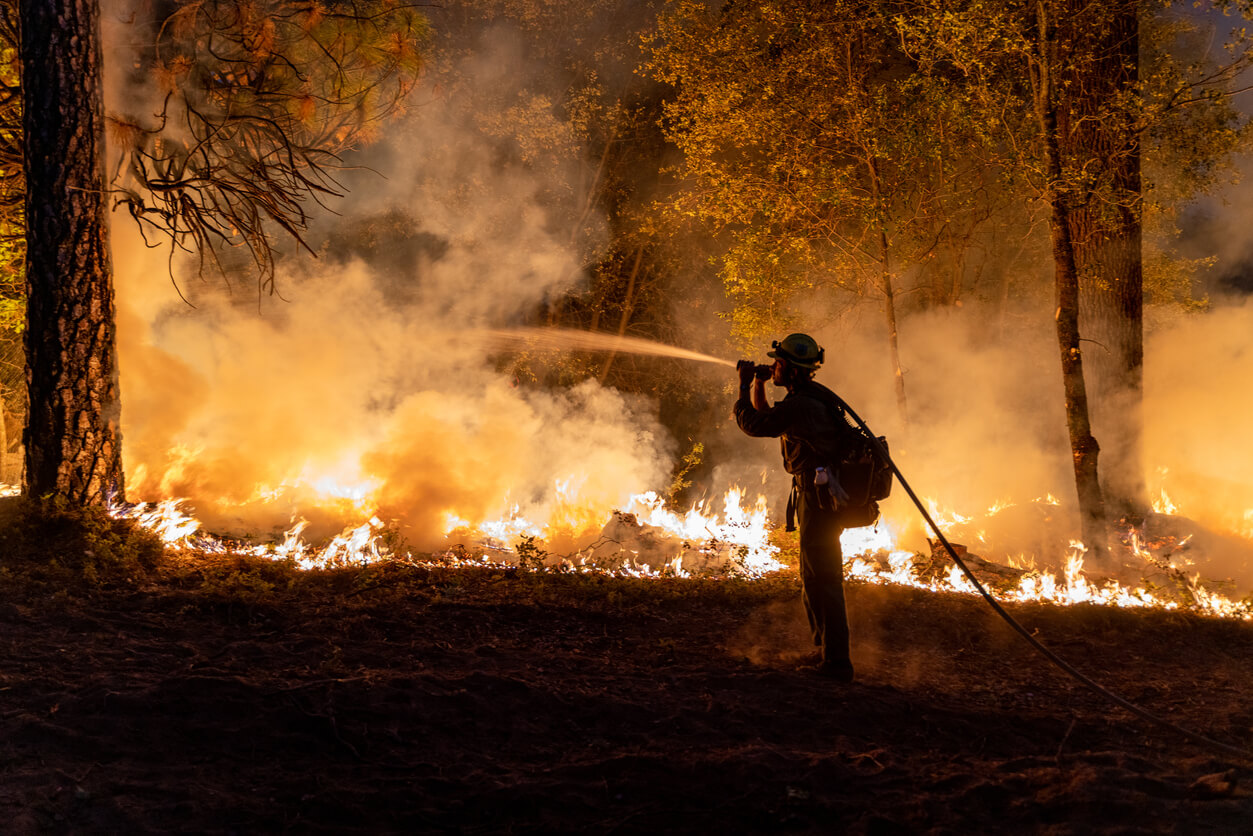
Instead of reacting after a fire breaks out, public agencies and utility providers must detect dangerous fires before they ignite. This is where companies like Overstory are trying to make a difference.
Conservation
The need to reduce fire risk is apparent, and we know how to do so through active forest management. Yet policy continues to slow those efforts down and that urgently needs to change.

Conservation
By rescinding the expansive regulatory definition of “harm” under the Endangered Species Act and returning to Justice Scalia’s narrower textual reading that limits “take” to direct actions against individual animals, federal agencies have struck a blow for property rights, reduced unnecessary land-use controls, and restored freer market incentives.
Conservation
The 50-year era of “don’t-touch” conservation may have ended three weeks ago, after the Trump administration narrowed the definition of harm under the Endangered Species Act (ESA). Harming an endangered species used to encompass damage to the land the species lives on. Landowners with endangered species were limited in how they could steward their plots of land. After all, endangered species’ recoveries relied on proactive efforts by landowners, which will remain intact regardless of the changing incentive structure of the ESA. The unnecessary penalties landowners had to incur were lifted, and conservation efforts will be able to fit the needs of the land and life rather than keeping the overburdening punishments of the ESA.

Conservation
“The endangered species list is not a dean’s list,” Wyoming Governor Mark Gordon said this week, standing near Big Sky, MT, with Interior Secretary Doug Burgum and the governors of Montana and Idaho. “It's time this bear graduates.” After decades of federal control and an amazing tale of conservation success in America, the Interior Department has announced it will shift the daily management of the grizzly bear back to the states. Grizzly bears would, however, remain listed as threatened under the Endangered Species Act.