
Energy
Can Florida Revolutionize the Nuclear Energy Sector?
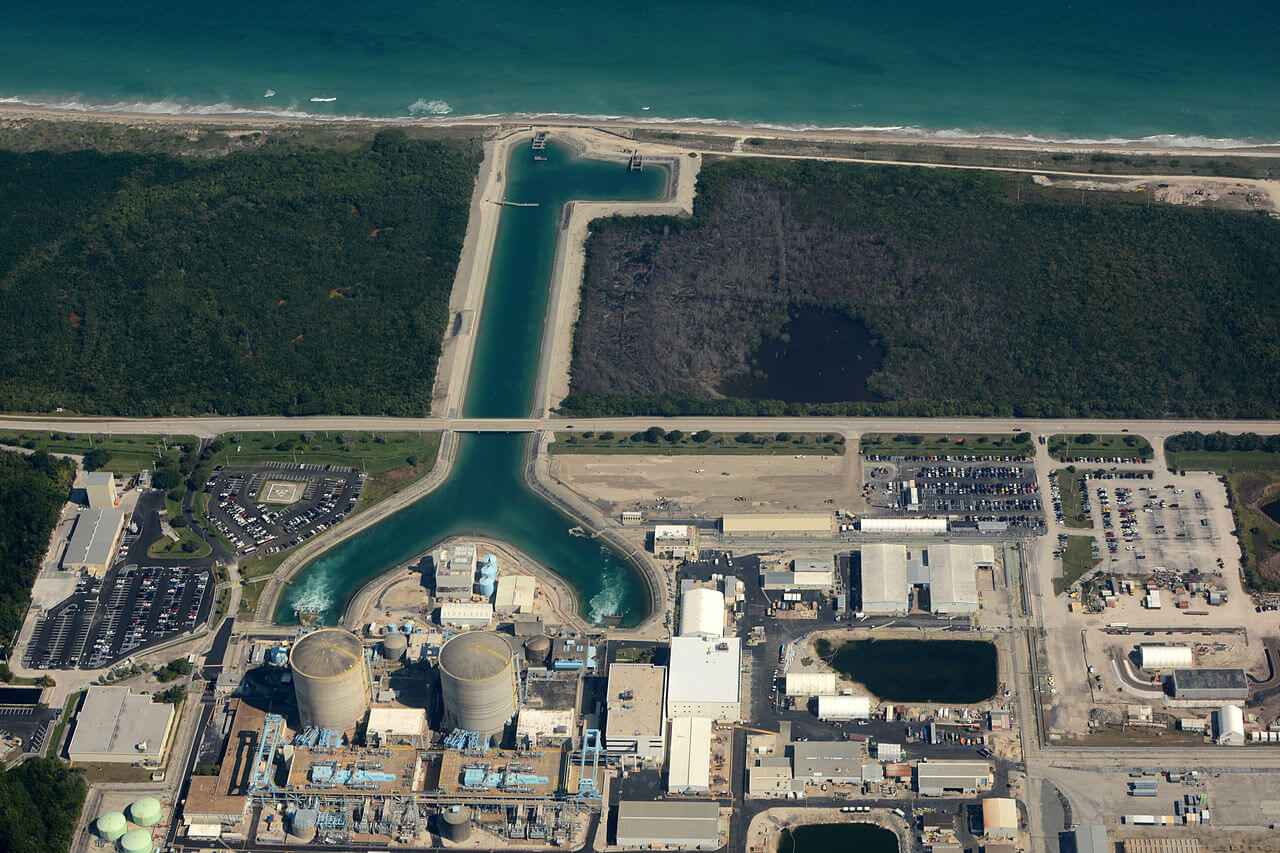
A new bill in the Sunshine State’s legislature seeks to streamline the approval process for constructing nuclear reactors.
Energy
A new bill in the Sunshine State’s legislature seeks to streamline the approval process for constructing nuclear reactors.
Energy
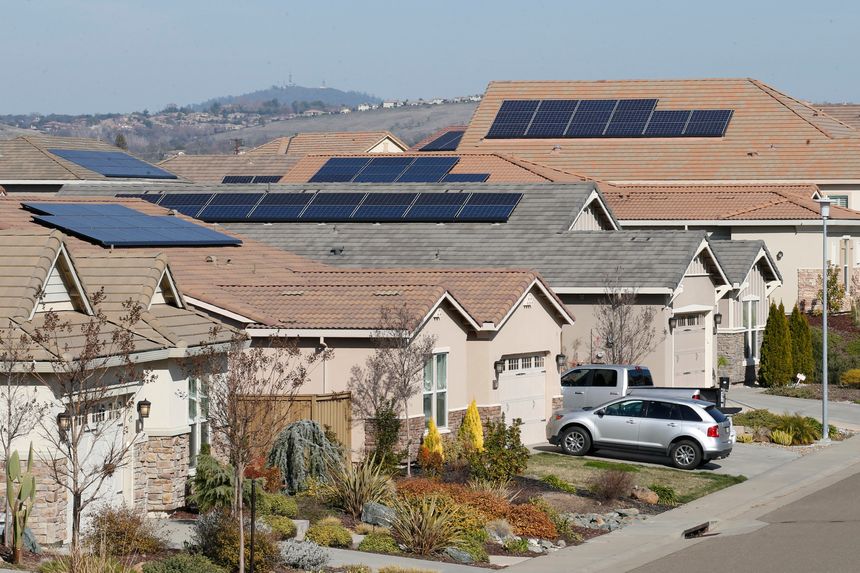
You wouldn't know it from the political debate, but the fastest-growing corner of the American energy market is also one of the most naturally conservative ideas in it: owning your own power. Home battery storage—the ability to store and manage the electricity that runs your household—is attracting growing investment, and greater attention from conservatives could be beneficial, particularly as the midterm elections approach.
Energy
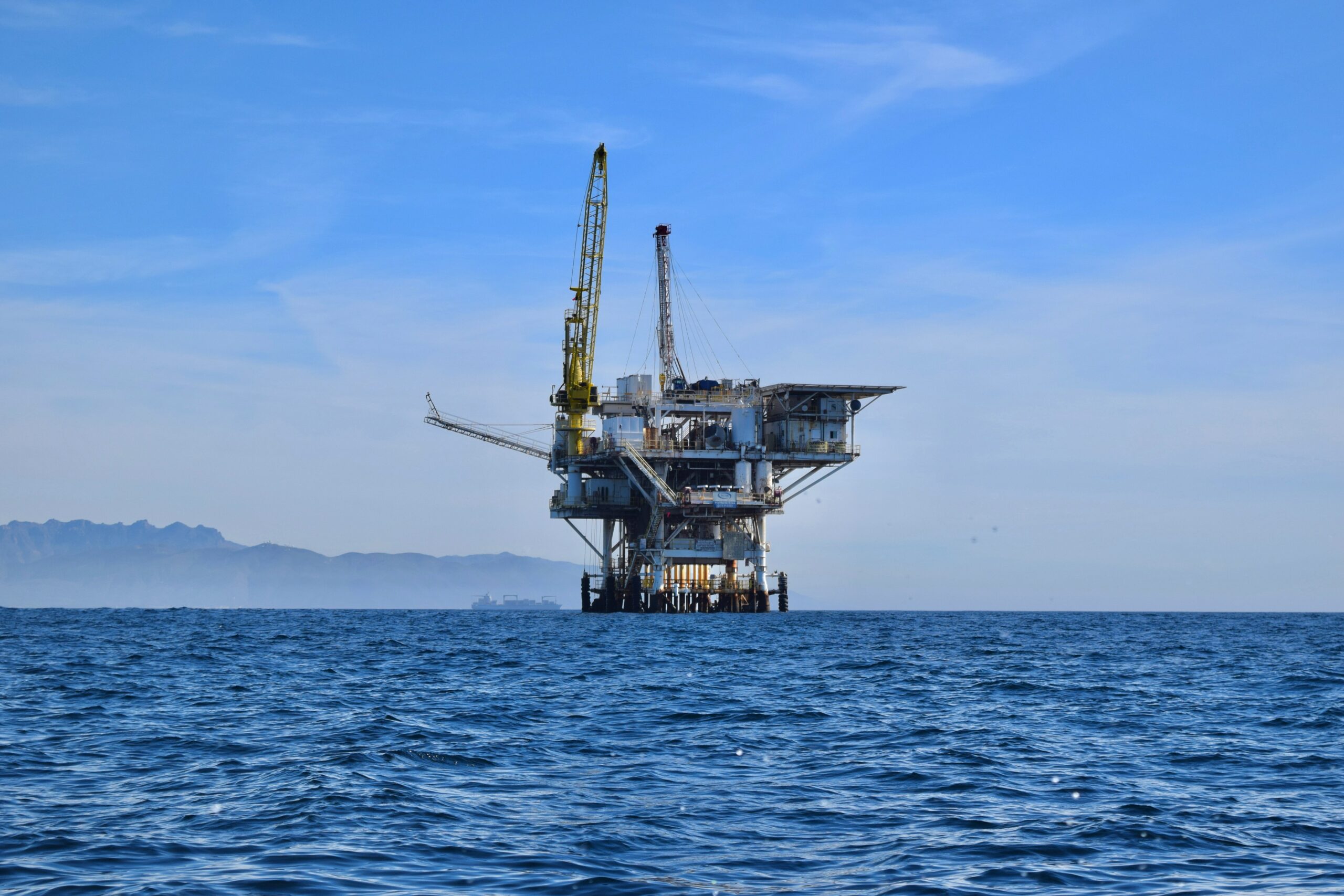
The war with Iran has sent oil prices, and then gasoline prices, sharply higher. West Texas Intermediate (WTI) crude, the main U.S. oil benchmark, rose from the mid-$60s per barrel in late February to around $100 on March 19. U.S. gasoline prices have followed suit, with the average price increasing from a pre-war level of under $3.00 per gallon to over $3.70 by mid-March.
Conservation
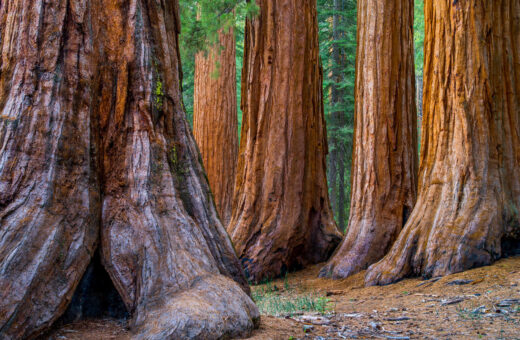
At the current pace, it would take the Forest Service more than 50 years to treat the 19 most at-risk sequoia groves in the country, a timeline the species cannot afford. With faster treatment efforts, more groves will be safeguarded from out-of-control wildfires.
U.S.
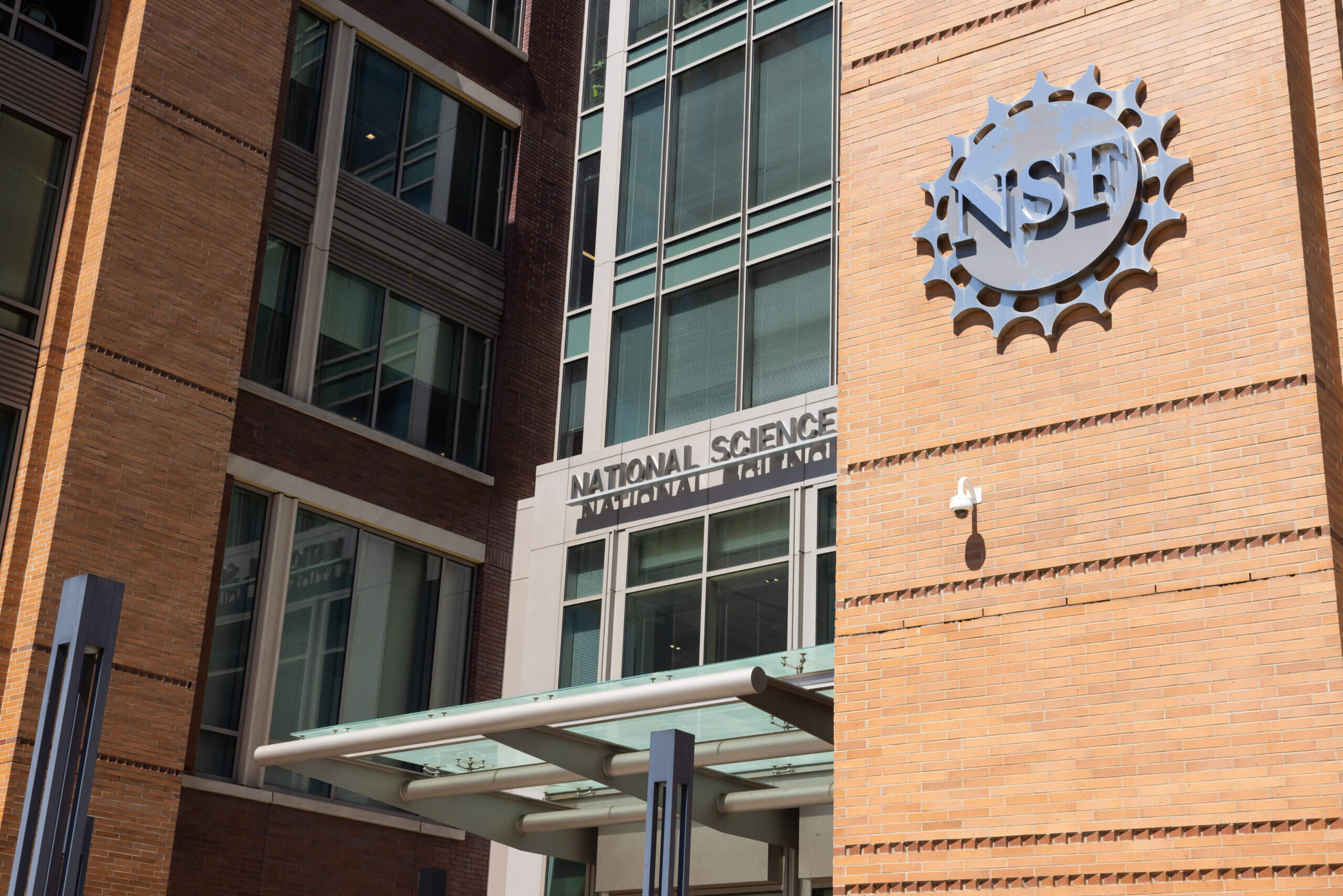
Over the holidays this winter, the White House Office of Science and Technology Policy (OSTP) solicited information on how “to accelerate the American scientific enterprise, enable groundbreaking discoveries, and ensure that scientific progress and technological innovation benefit all Americans.” Building on work to accelerate and reform the American scientific enterprise, I offered suggestions for how to effectively direct this effort to improve the function, productivity, vitality, and health of American science. It is a welcome attempt to wrest American science from the grip of malaise that characterizes the status quo. Science is viewed as slowing down, productivity decreasing, and requiring more resources, more grants, and more personnel to achieve tremendous breakthroughs.
Energy
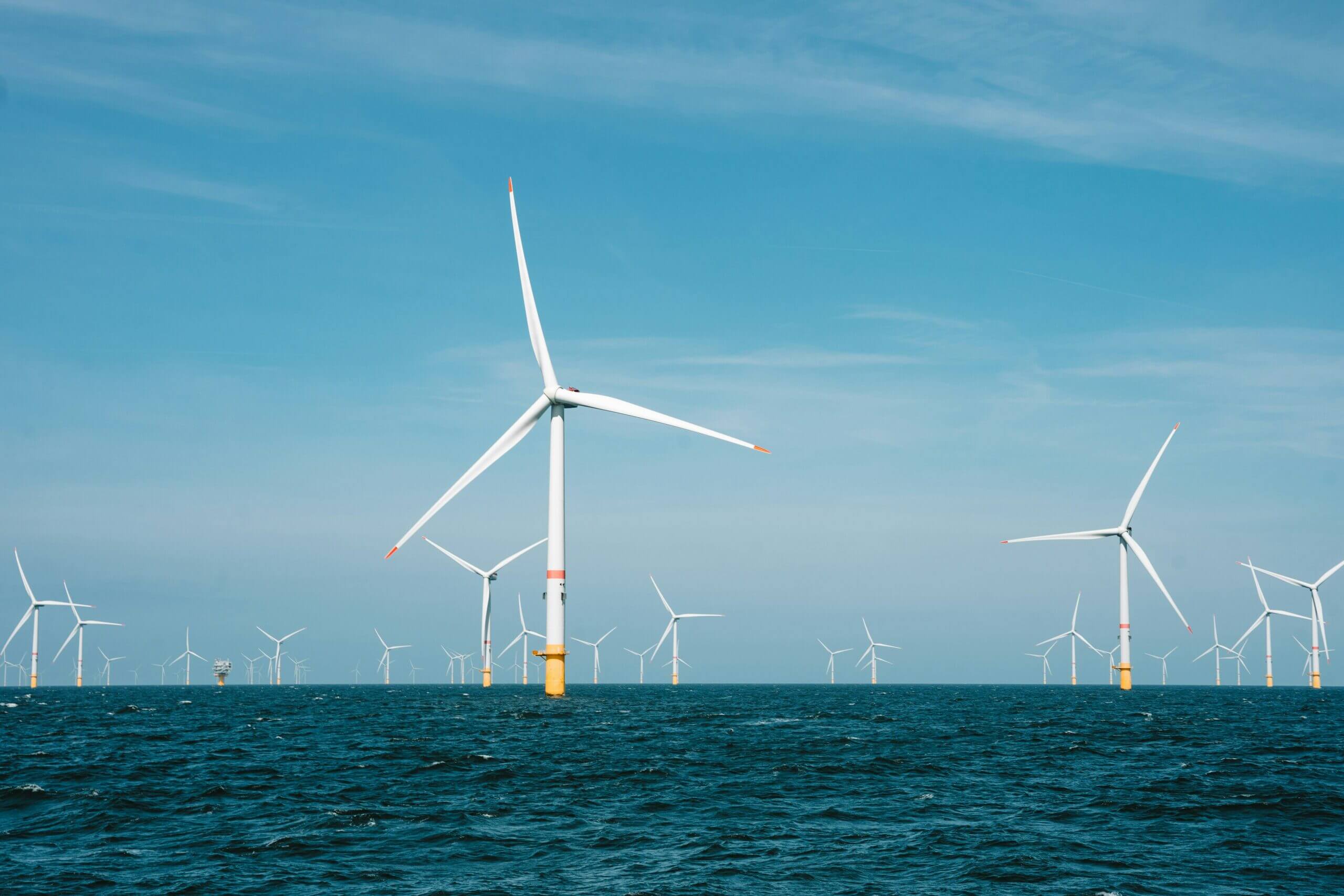
In its most recent foray against offshore wind, the administration announced it would appeal court rulings that allowed five offshore wind projects to proceed despite last December’s blanket construction halt on national security grounds. Yet the Administration’s ongoing actions risk derailing the possibility of reforming our broken permitting system—a downside far greater than allowing five fully permitted wind projects to go forward.

Energy
In a welcoming milestone, TerraPower received approval from the Nuclear Regulatory Commission (NRC) for a construction permit for its advanced nuclear power plant in Kemmerer, Wyoming. The review, completed ahead of schedule, provides a hopeful signal that the United States is finally turning the corner on one of the biggest barriers to clean energy innovation: an outdated, slow, and unpredictable licensing and permitting system.
Environment
These days, the role of Chicken Little is filled by reporters and environmental extremists. Every time a conservative administration somewhere in the world proposes to roll back an expensive environmental regulation, rest assured, we’ll hear that the sky is falling in on us.
Infrastructure
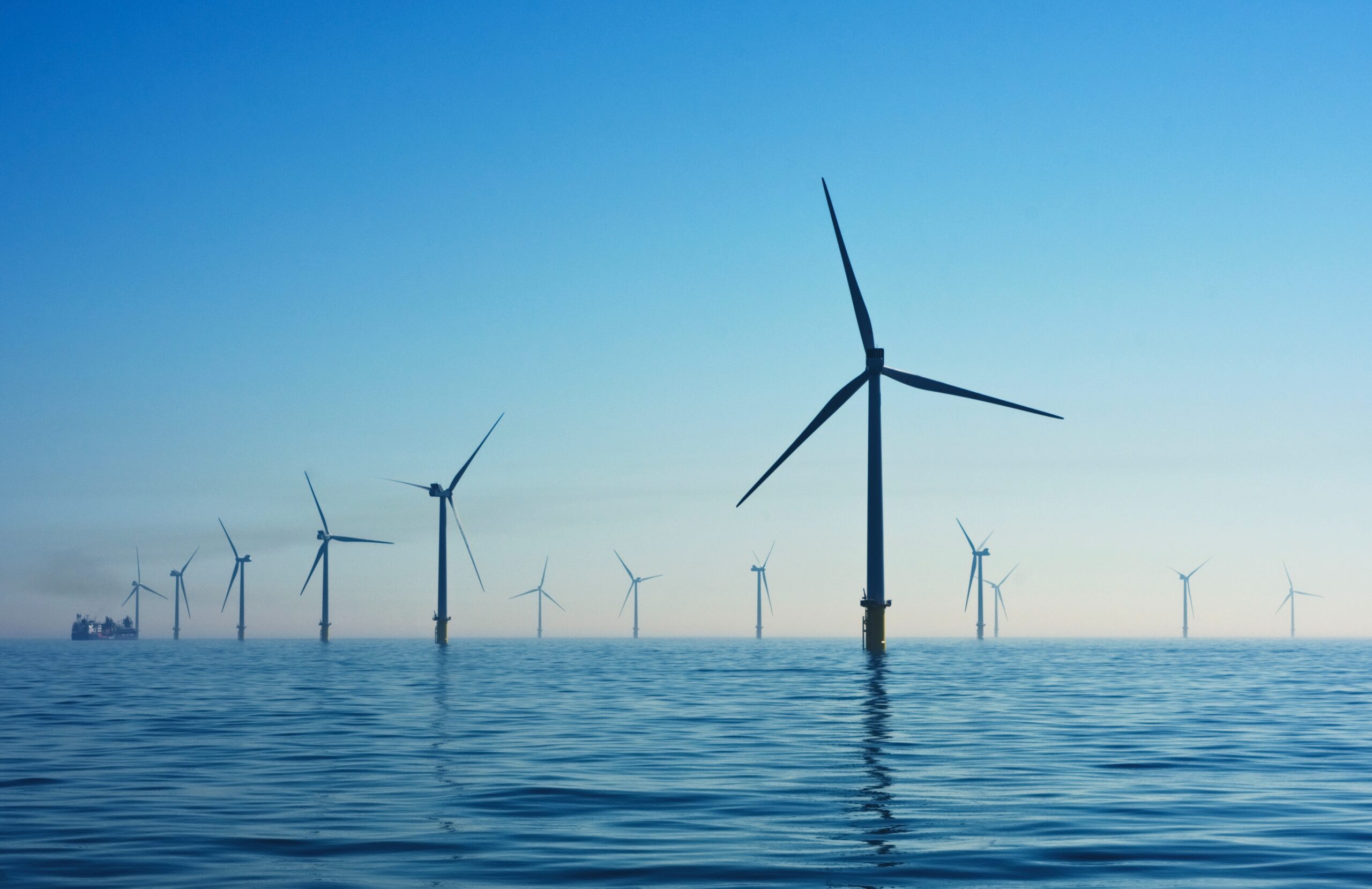
The Trump administration recently announced it would appeal court rulings that allowed offshore wind projects to proceed with construction. This follows the administration’s halt to construction on five projects last December for national security reasons, even though those projects had already received permits and are nearly complete. If the goal is true American energy dominance, the bigger task is fixing the broken permitting system that slows every form of American energy infrastructure.
Energy
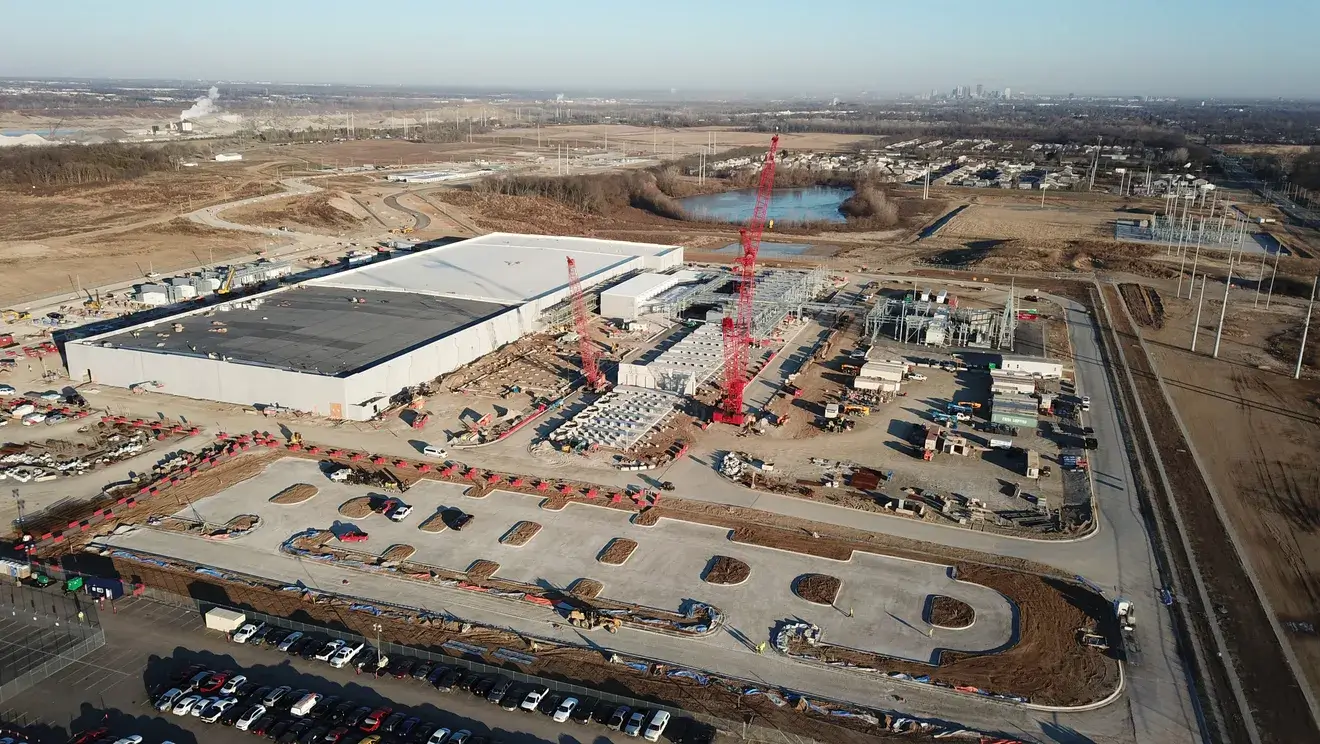
Over the past two decades, we have been trained either by politics, by media, or by endless crisis rhetoric, to think in fixed pies. When demand rises, we are told someone must be taking more than their share. The industries capable of expanding supply — engineers, industrialists, investors, technologists — are cast as villains before they break ground. In other eras, they won wars, electrified cities, doubled oil output, and built the networks on which modern abundance rests. Today, they are more likely to be hauled before a hearing than celebrated for production. The instinct to increase capacity has given way to the instinct to referee.