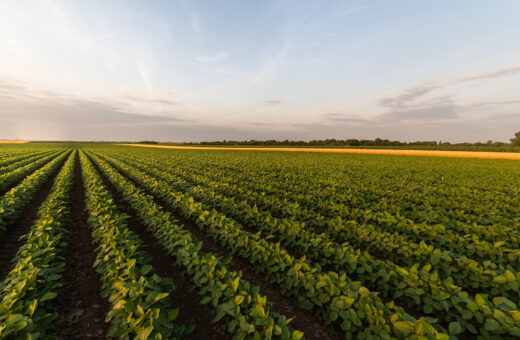
Agriculture
While far from perfect, the SECURE rule showed that modernizing regulatory frameworks significantly sped up product approval, and USDA should ensure future reforms incorporate a tiered, risk-based approach where crops are regulated based on the actual risks they pose.
By Cecilia Fassett6 min read3 days ago
→
Conservation
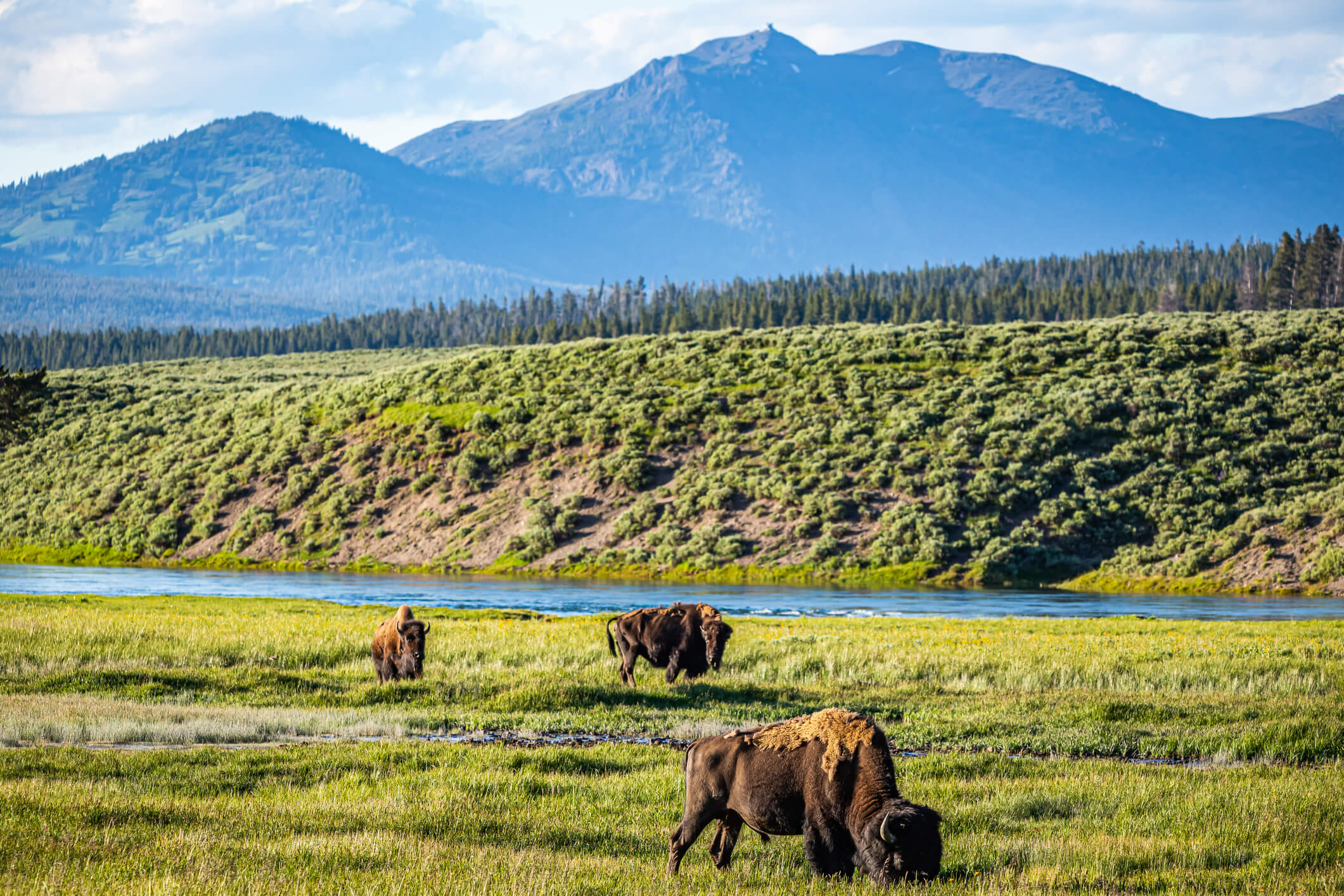
Earlier this month, a federal judge temporarily blocked the Bureau of Land Management (BLM) from forcing hundreds of bison from BLM grazing allotments in Montana. The ruling came months after BLM finalized the decision to revoke the conservation group American Prairie’s grazing permits and clear its bison off federal land by the end of September.
By Cecilia Fassett3 min readSeptember 14, 2026
→
Conservation
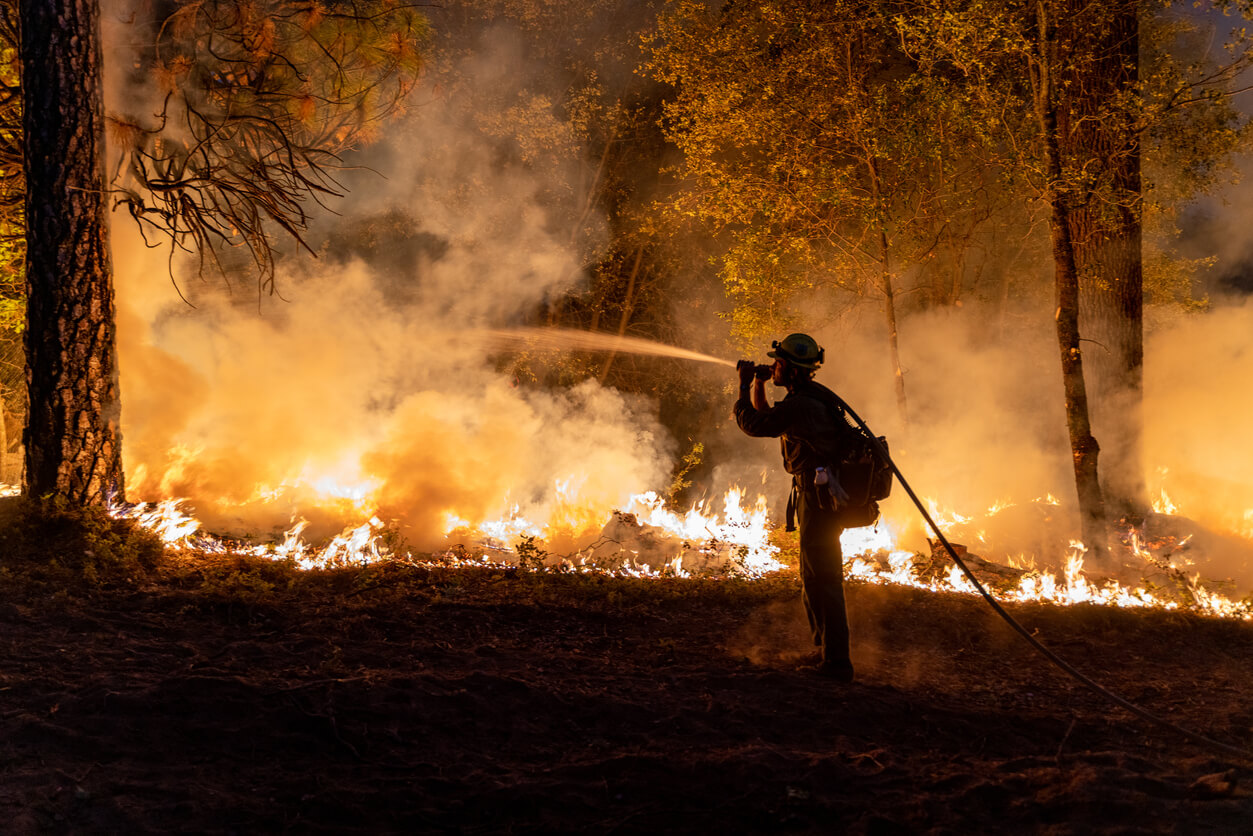
The need to reduce fire risk is apparent, and we know how to do so through active forest management. Yet policy continues to slow those efforts down and that urgently needs to change.
By Cecilia Fassett4 min readAugust 12, 2026
→

Conservation
“The endangered species list is not a dean’s list,” Wyoming Governor Mark Gordon said this week, standing near Big Sky, MT, with Interior Secretary Doug Burgum and the governors of Montana and Idaho. “It's time this bear graduates.” After decades of federal control and an amazing tale of conservation success in America, the Interior Department has announced it will shift the daily management of the grizzly bear back to the states. Grizzly bears would, however, remain listed as threatened under the Endangered Species Act.
By Cecilia Fassett3 min readJuly 16, 2026
→
Infrastructure
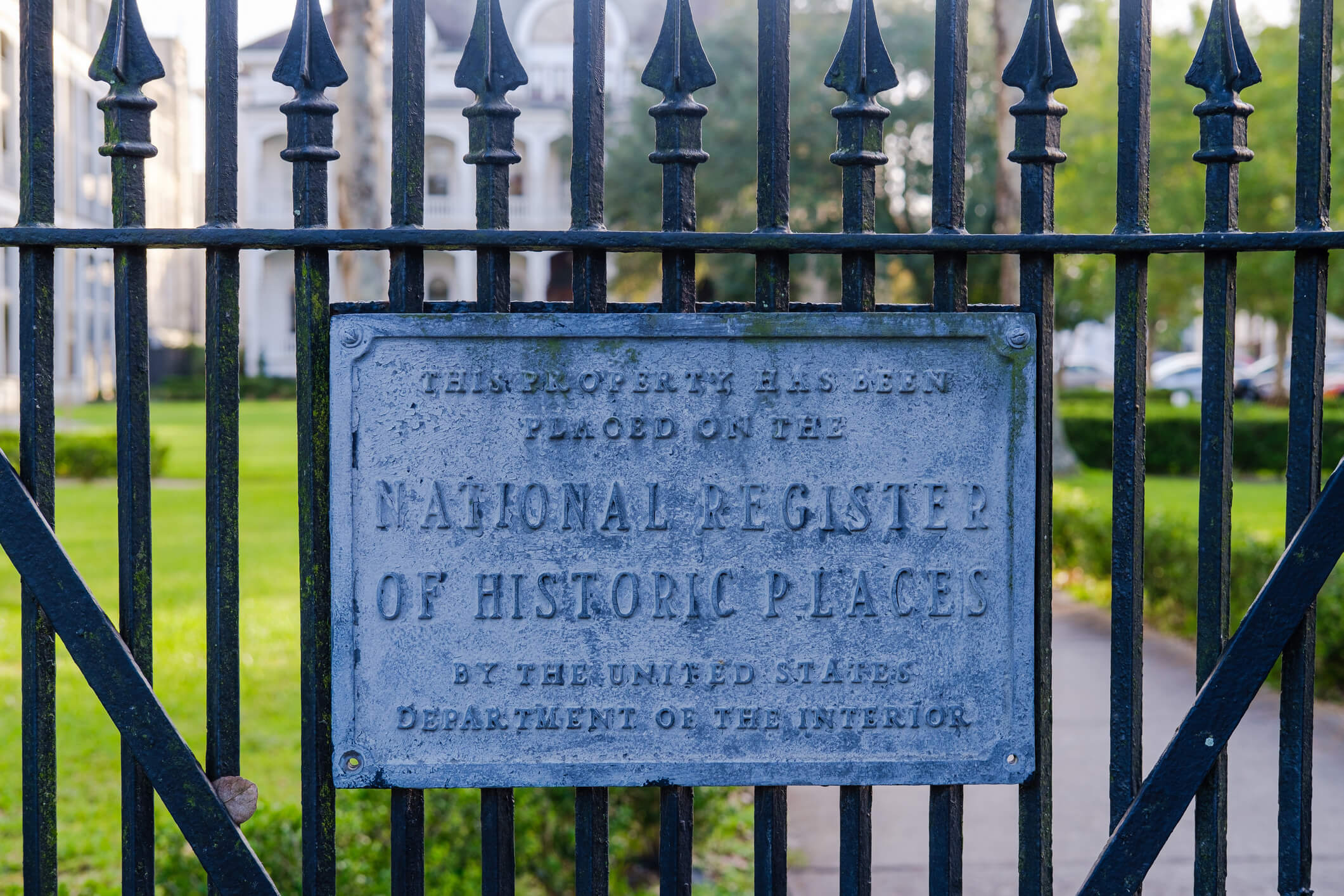
Heading into the August recess, policymakers continue to hash out the details of a comprehensive permitting bill in hopes of sending it to President Trump’s desk this Congress. There is bipartisan recognition that permitting reform is essential to improving energy affordability and reliability, and to meeting our environmental ambitions. As the discussions on Capitol Hill evolve, one law starting to receive more attention for reform is the National Historic Preservation Act (NHPA).
By Cecilia Fassett and Nick Loris10 min readJuly 13, 2026
→
Conservation
In the 154 years since, the world has followed America’s lead, establishing national parks in over 100 countries. The United States now has 63 federally protected national parks, and hundreds of other National Park Service sites including battlefields, trails, seashores, and rivers. Often called “America’s best idea”, all play an incredible role in the preservation of some of the country’s most treasured landscapes.
By Cecilia Fassett4 min readJune 17, 2026
→

Agriculture
Farm Bill debates this year have been riddled with pesticide fights. While the House was passing its farm bill, the Supreme Court was gearing up for a major case that could change how pesticide companies are held liable for their labeling. At the heart of these debates is one chemical in particular: glyphosate.
By Cecilia Fassett3 min readMay 26, 2026
→
Conservation
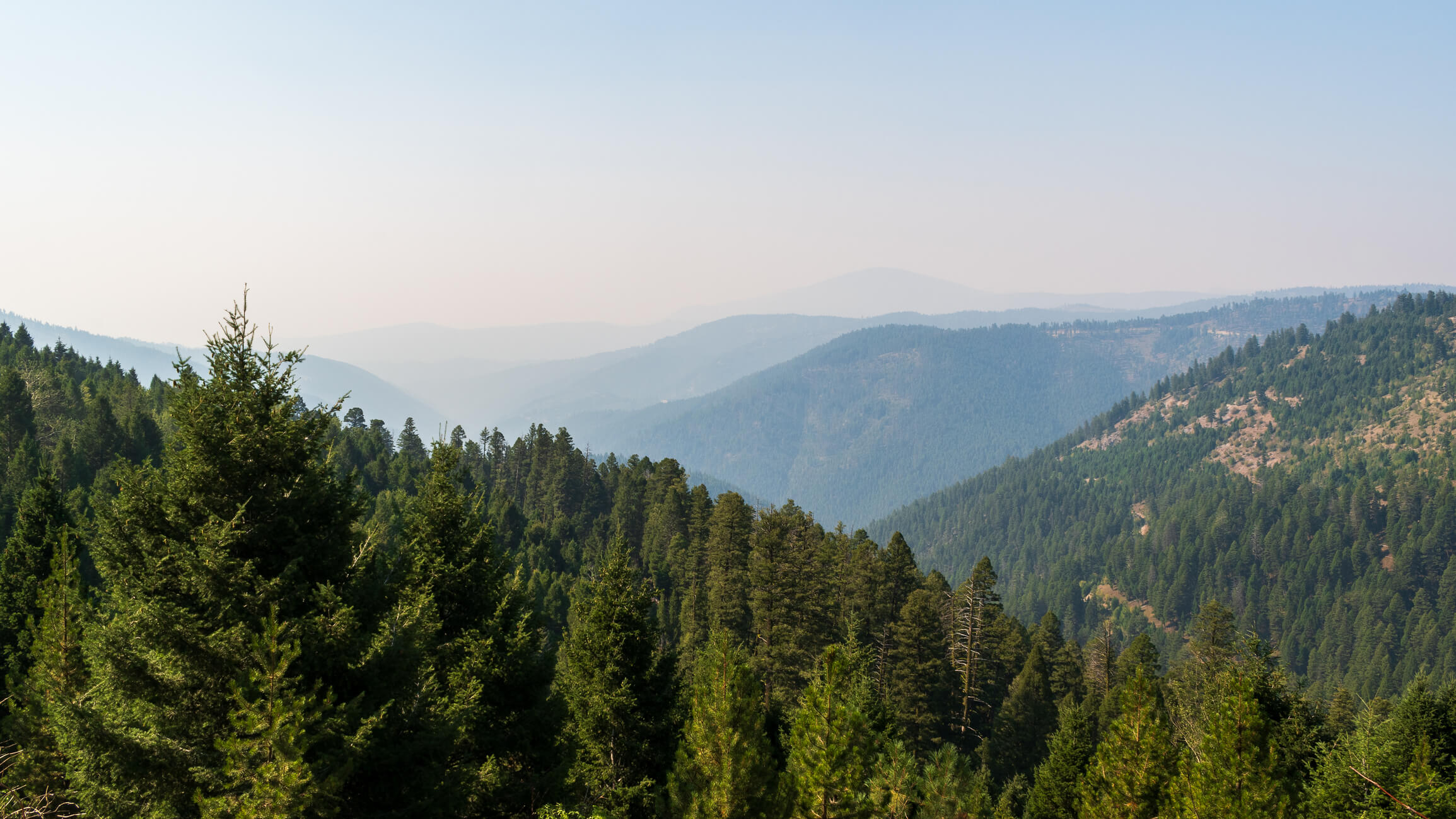
When wildfires are treated as a temporary, seasonal disruption rather than a continual, chronic risk, the default policy response is suppression. But a new analysis from PERC shows just how much that’s costing us.
By Cecilia Fassett4 min readMay 14, 2026
→
Agriculture
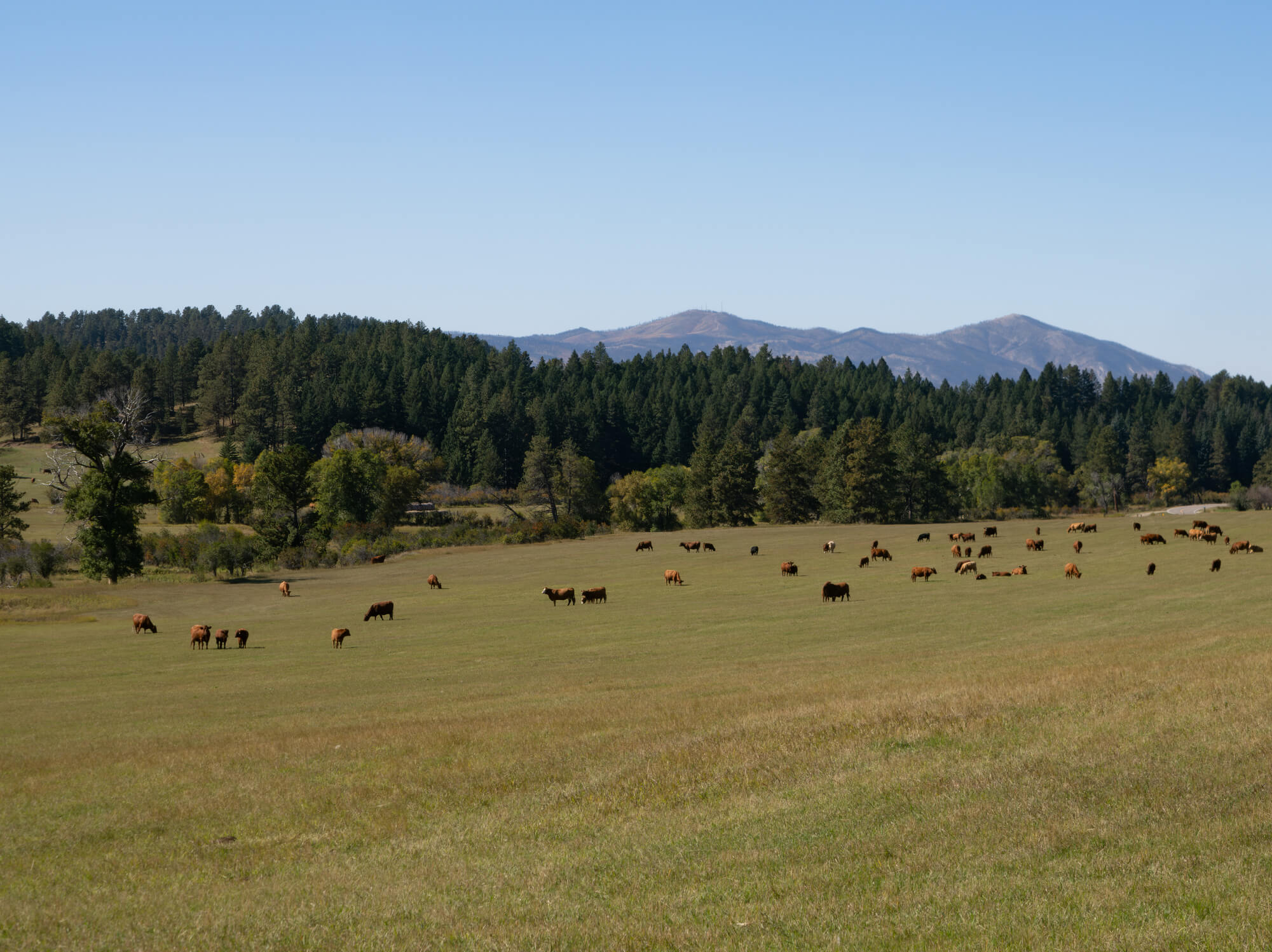
American agriculture is becoming increasingly reliant on technology. From precision agriculture to virtual fencing, farmers and ranchers are finding smarter ways to manage their operations, driving productivity and environmental gains at the same time. But most of these tools depend on one thing: reliable connectivity.
By Cecilia Fassett3 min readMay 4, 2026
→

Infrastructure
The National Historic Preservation Act (NHPA) was enacted in 1966 to protect America’s cultural heritage at a time when rapid development was destroying historic sites. Its core process, Section 106, requires federal agencies to consider how projects they fund, permit, or carry out affect historic and cultural resources. Though well-intentioned, nearly six decades later, Section 106 has become a source of uncertainty, delay, and rising costs for energy, transmission, and conservation projects.
By Cecilia Fassett4 min readApril 16, 2026
→
Conservation
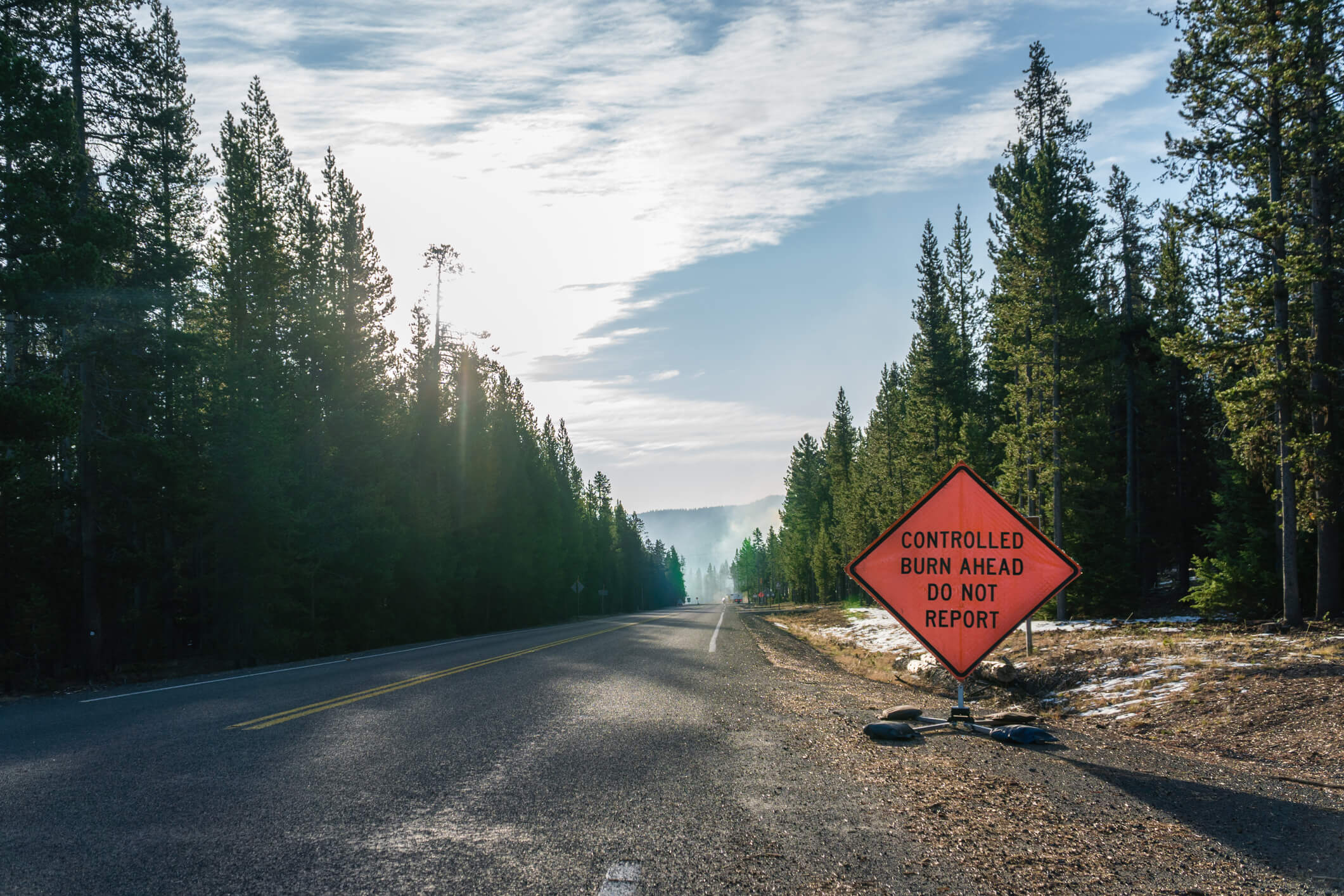
With respect to addressing America’s wildfire crisis, the CAA can ironically penalize states for conducting prescribed burns, which are among the most effective tools for preventing catastrophic wildfires and the harmful air pollution they produce.
By Cecilia Fassett3 min readApril 14, 2026
→

Conservation
At the current pace, it would take the Forest Service more than 50 years to treat the 19 most at-risk sequoia groves in the country, a timeline the species cannot afford. With faster treatment efforts, more groves will be safeguarded from out-of-control wildfires.
By Cecilia Fassett4 min readMarch 19, 2026
→