Energy
Across the country, energy demand is rising. Data centers, advanced manufacturing, population growth, and electrification are all putting new pressure on the grid.
Unfortunately, that has spilled over and is now also putting pressure on your wallet. If Florida wants to lower electricity costs and attract continued investment, the state needs to take the driver’s seat. House Bill 1461 does exactly that. It sets Florida up to lead the nation in energy innovation and, at the same time, help spur continued economic growth.
By Josh T. Smith and Mark Miller4 min readFebruary 26, 2026
→

Environment
There is a powerful movement underway to reindustrialize America, a recognition that our nation’s economic strength and military security are built in its factories. For our country to compete, we must be able to make things– and make them quickly.
By Jonathan Strimling4 min readFebruary 25, 2026
→

Conservation
The Great Salt Lake is drying up. Since the mid-1980s, the lake has dropped 22 feet, and its surface area is 60 percent smaller than it once was. If that doesn’t sound like a lot, consider this: it takes 12 minutes and 13 seconds to walk from where the lake’s shoreline once was to where it is today.
By Cecilia Fassett6 min readFebruary 24, 2026
→
Energy
For the past two decades, U.S. climate policy has been driven more by legal and administrative maneuvering than by legislative consensus. The result has been regulatory inefficiency, policy whiplash between administrations, and little progress toward a durable, politically sustainable framework for managing climate risk.
By David Kemp4 min readFebruary 23, 2026
→
Conservation
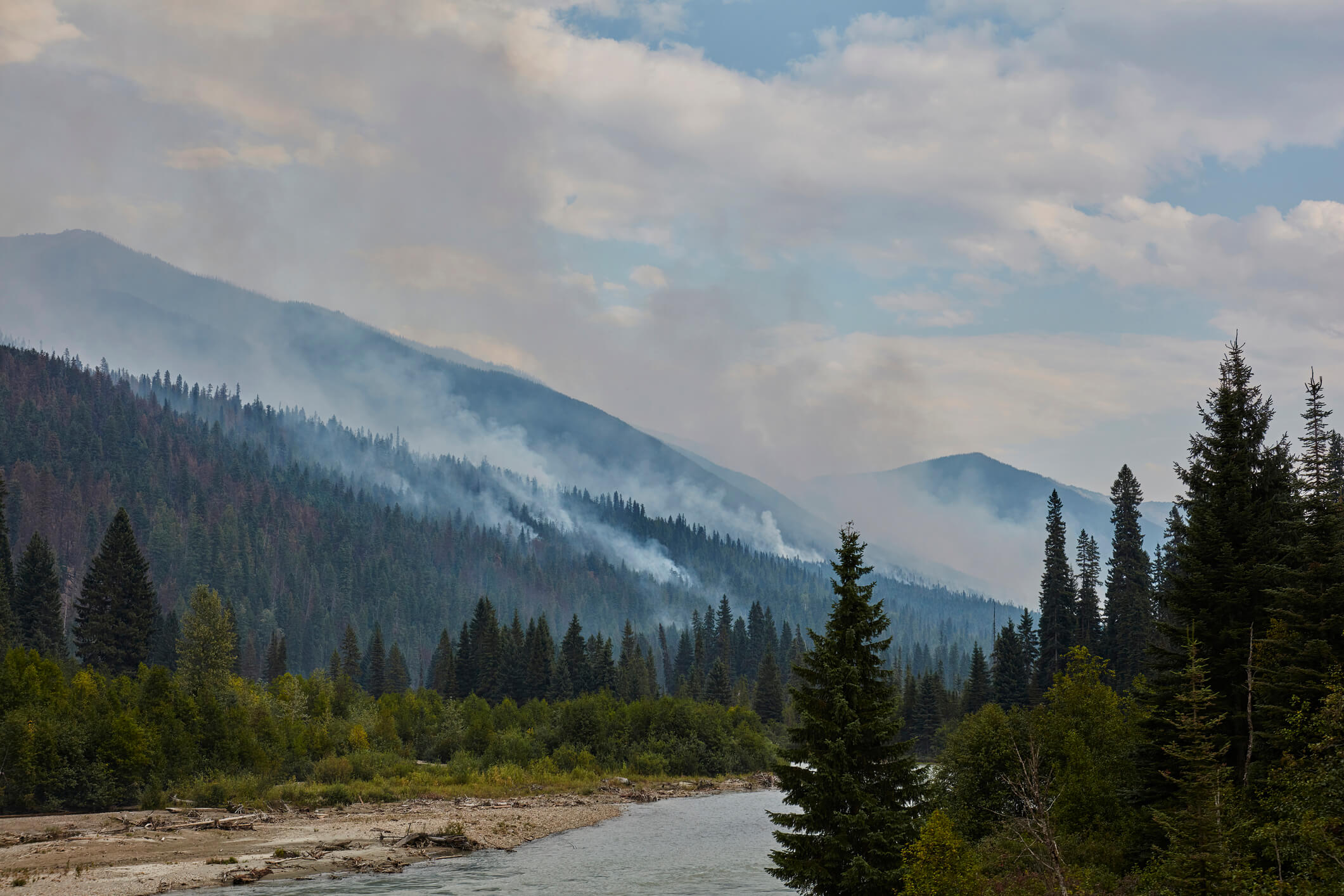
Last month, Utah and the U.S. Forest Service announced a new partnership to accelerate forest restoration, reduce wildfire risk, and improve forest management across the state. Known as a shared stewardship agreement, the partnership establishes a long-term cooperative framework through which the state and federal government jointly set restoration priorities and coordinate the use of existing authorities to carry them out.
By Shawn Regan5 min readFebruary 19, 2026
→
Energy
A new idea has emerged in the federal permitting reform space: “de-risking” permits via a government-managed insurance program. The context for this development is that investors lack confidence in their ability to secure federal permits due to the power of political appointees at permitting agencies to delay, cancel, or revoke permits. This has resulted in a new permitting reform priority: “permitting certainty,” or the notion that a permit, once granted, won’t be reversed under a future administration. While this is a laudable goal, policymakers must appreciate that government interventions can make these problems worse.
By Philip Rossetti5 min readFebruary 17, 2026
→

Conservation
Washington, D.C., may long be tired of the frigid temps, above-average snowfall, and icy roads. But out West, signs reading “Pray for snow” are everywhere. Utah Governor Spencer Cox even encouraged Utahns to join together in prayer for snow.
By Cecilia Fassett4 min readFebruary 12, 2026
→
Environment
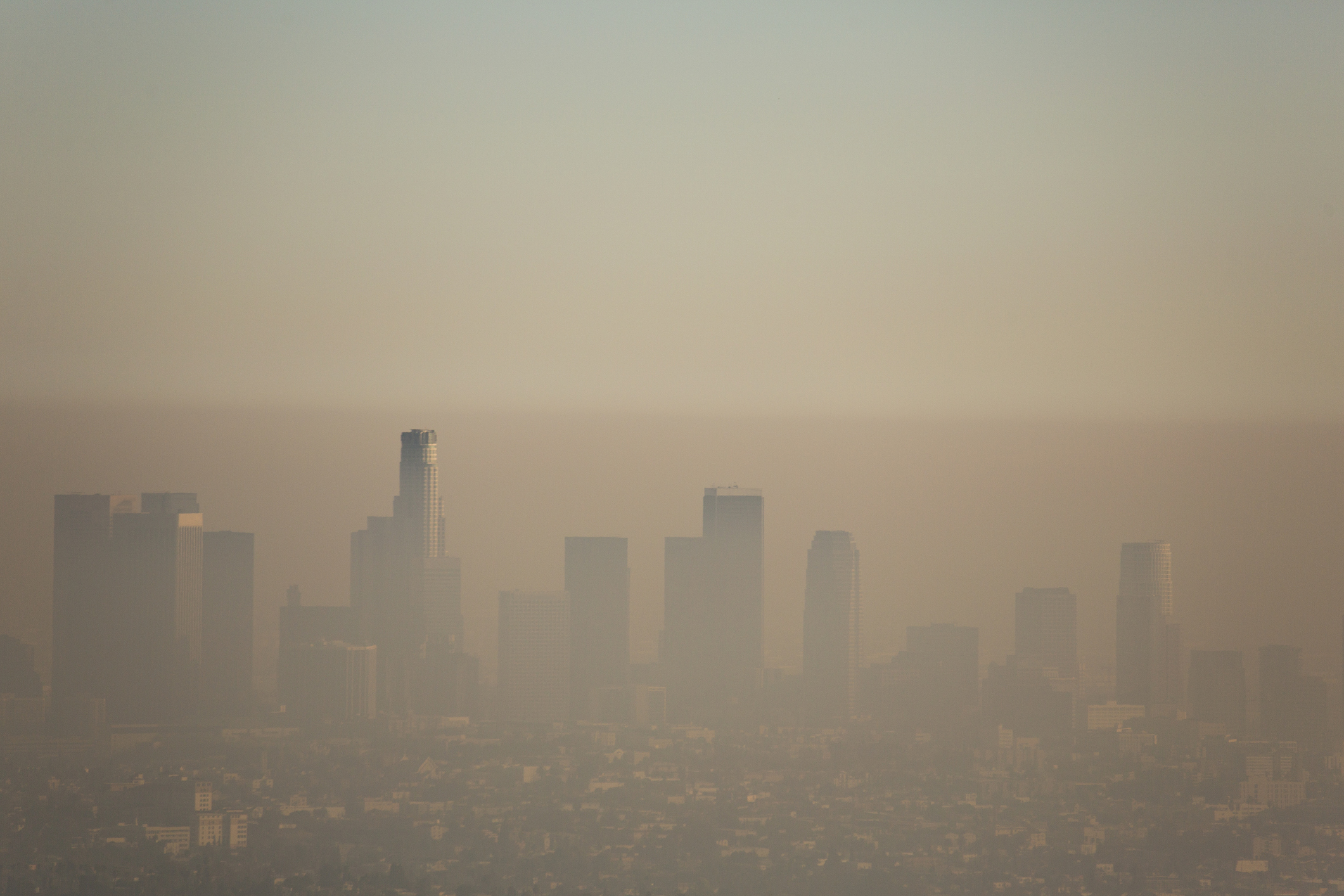
The Environmental Protection Agency’s recent decision to temporarily stop assigning dollar values to the projected health benefits of reducing fine particulate matter (PM2.5) and ozone has sparked renewed controversy over air pollution regulation. As I discussed last week, the agency framed the move as a response to persistent uncertainty in estimating PM2.5 health effects, not as a withdrawal from regulating air pollution or considering public health impacts.
By David Kemp4 min readFebruary 11, 2026
→
Energy
As energy affordability becomes an increasing concern and energy demand continues to rise, America’s ability to efficiently permit and build infrastructure will be crucial to its success.
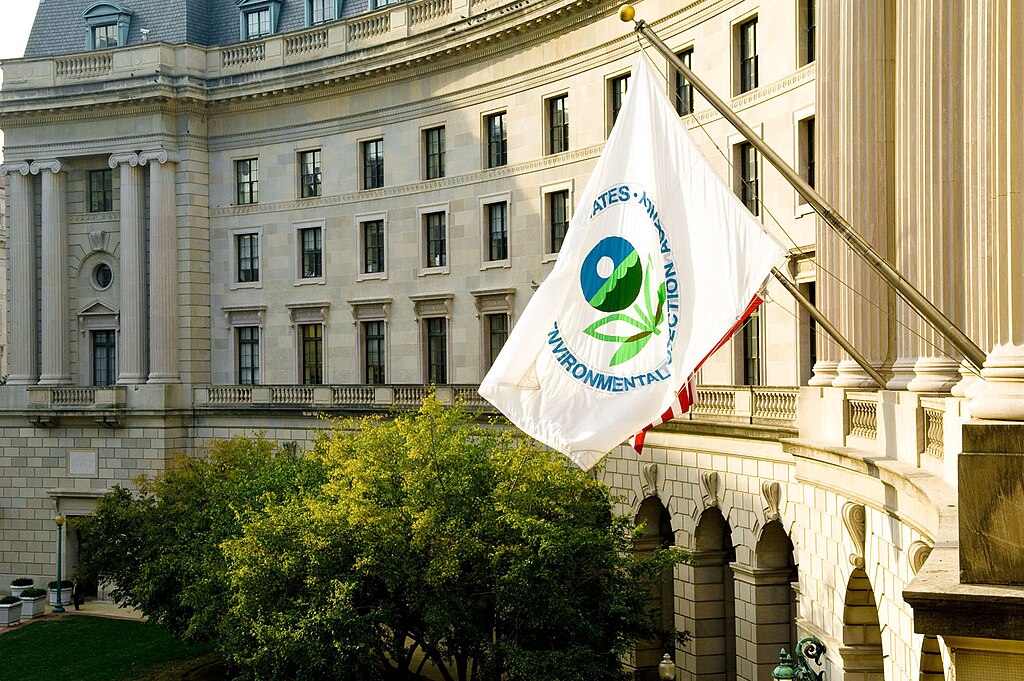
Last month, the EPA proposed reforming the Clean Water Act’s Section 401. This isn’t just a good idea. It’s long overdue.
By Walter Blanks Jr4 min readFebruary 9, 2026
→

Environment
The Environmental Protection Agency’s (EPA’s) recent decision to stop monetizing the health benefits of reducing fine particulate matter, known as PM2.5, has refocused attention on a long-running debate over air pollution regulation.
By David Kemp4 min readFebruary 5, 2026
→
