Energy
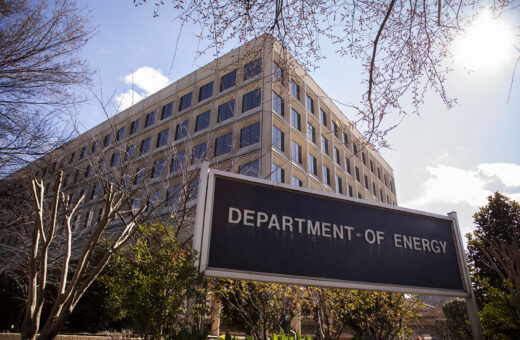
Affordability has quickly overtaken climate change as the primary focus of energy policy. One reason may be that the climate policies adopted over the past decade are finally starting to bind, imposing added costs at a time of rising electricity demand and, in some parts of the country, higher power bills.
By David Kemp3 min readApril 23, 2026
→
Conservation
In a recent ruling, the Supreme Court handed the oil and gas industry a significant procedural win in a decade-long legal fight over Louisiana's eroding coastline. The decision changes where some of the cases will be heard, but it does not resolve the larger legal and policy problems at the heart of the litigation.
By Prasanna Pydipalli3 min readApril 22, 2026
→

Energy
Last November, President Donald Trump launched the Genesis Mission through an executive order (EO) that outlines 26 National Science and Technology Challenges, ranging from autonomous scientific labs to fusion energy to artificial intelligence (AI)-driven grid operations. Embedded in that order is a directive to use prize competitions to get there. This is a smart policy because prizes are a growing but still underutilized tool at the Department of Energy (DOE). Now the DOE needs to run with it.
By Adria Wilson and Nick Loris5 min readApril 21, 2026
→

Infrastructure
The National Historic Preservation Act (NHPA) was enacted in 1966 to protect America’s cultural heritage at a time when rapid development was destroying historic sites. Its core process, Section 106, requires federal agencies to consider how projects they fund, permit, or carry out affect historic and cultural resources. Though well-intentioned, nearly six decades later, Section 106 has become a source of uncertainty, delay, and rising costs for energy, transmission, and conservation projects.
By C3 Solutions4 min readApril 16, 2026
→
Conservation
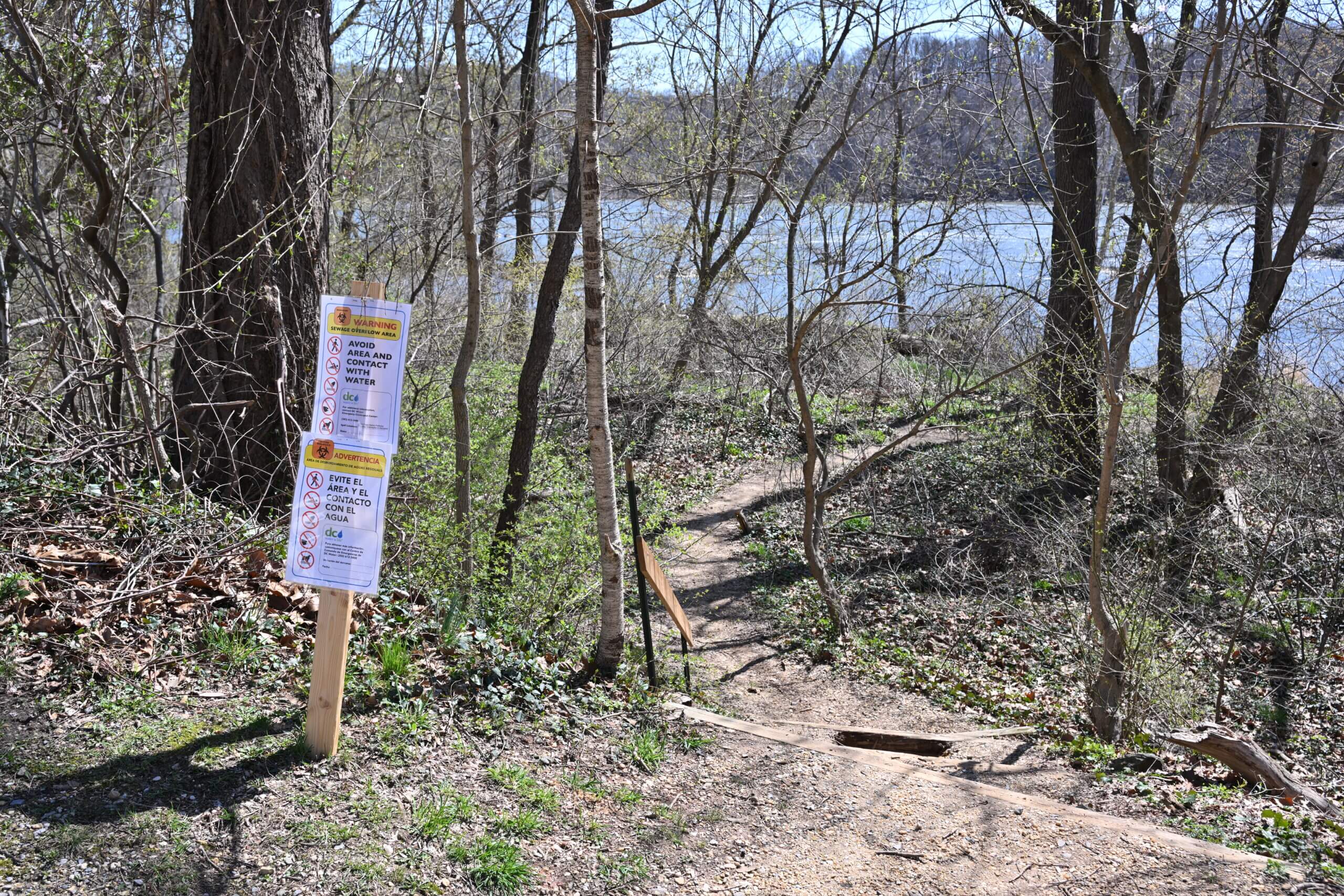
For five days, the equivalent of 350 Olympic-sized pools’ worth of sewage flooded into the Potomac River in a suburb of Washington, D.C. The cause? A clear failure in our permitting systems.
By Sydney Rodman4 min readApril 15, 2026
→
Conservation
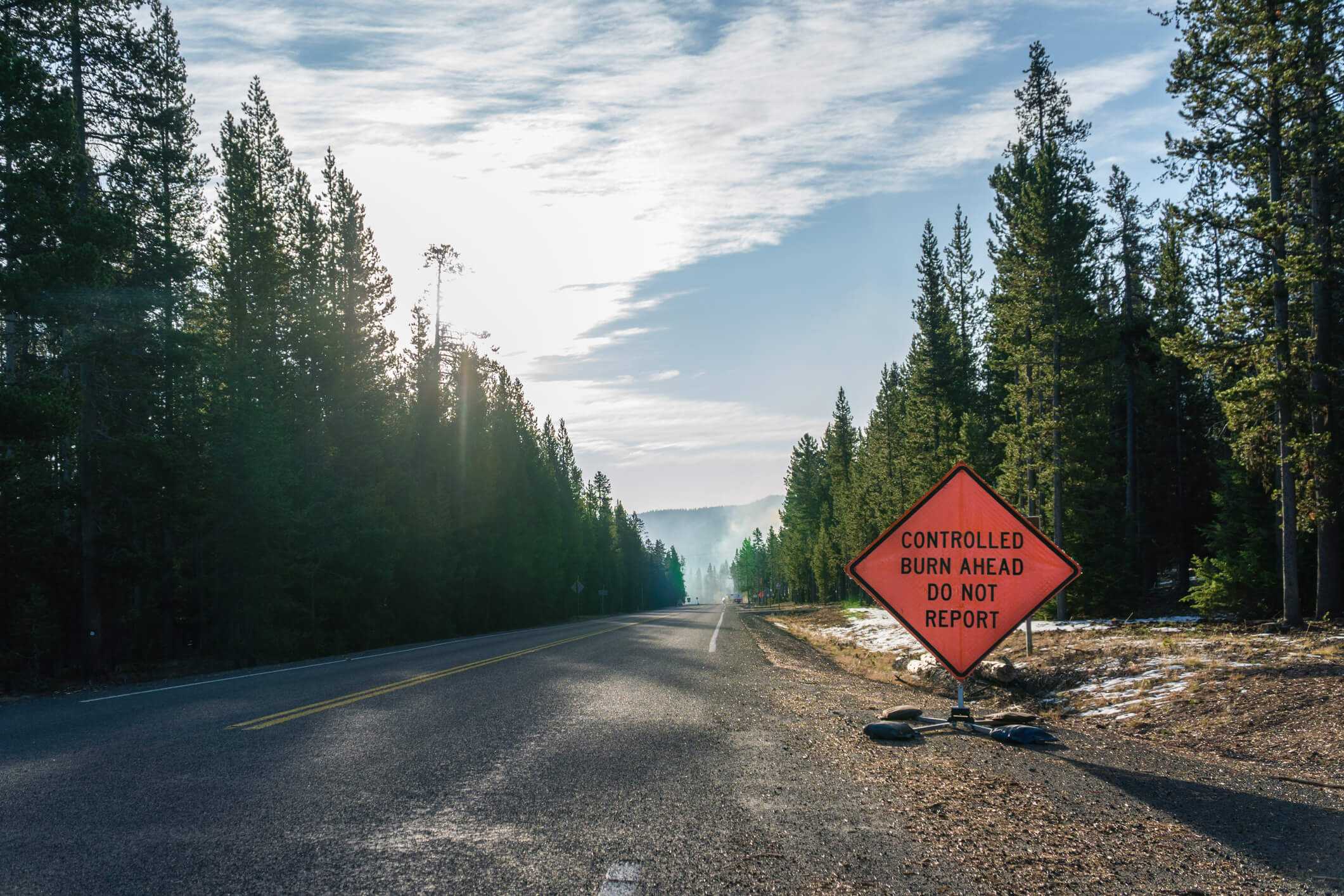
With respect to addressing America’s wildfire crisis, the CAA can ironically penalize states for conducting prescribed burns, which are among the most effective tools for preventing catastrophic wildfires and the harmful air pollution they produce.
By Cecilia Fassett3 min readApril 14, 2026
→
Energy
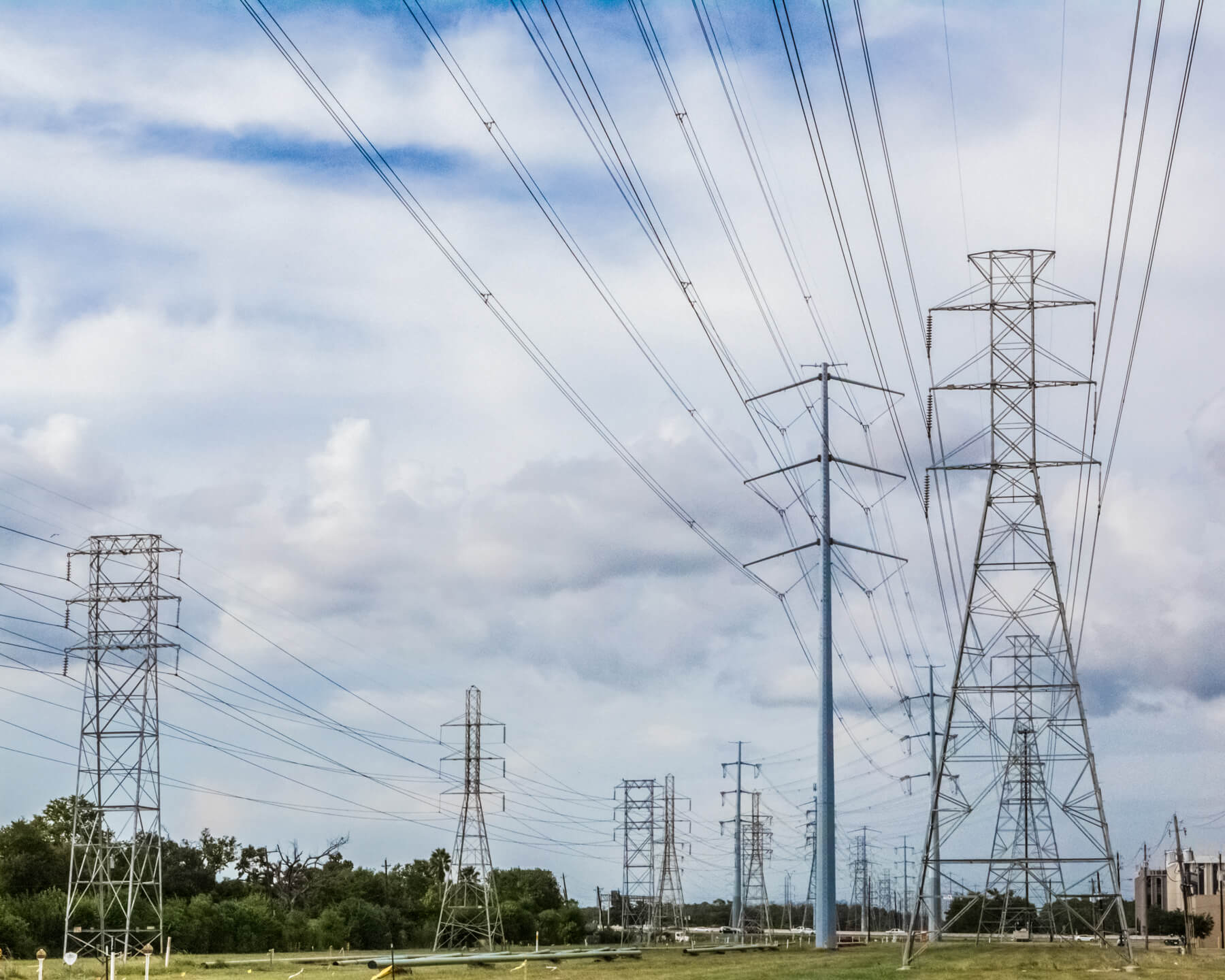
Texas has long stood apart from national energy policy—its own grid, its own rules. In 2026, that independence has made it the top destination for AI-driven electricity demand. While Washington grapples with the pressures of building data centers, ensuring reliability, and controlling costs, Texas is tackling everything at once. The Electric Reliability Council of Texas (ERCOT) market is solving for speed-to-power by surmounting transmission bottlenecks, phantom load growth, buying down residential rate increases, and more.
By Arushi Sharma Frank7 min readApril 13, 2026
→

Energy
When President Trump stood before Congress in February 2026, he delivered a stark message to America’s technology leaders: “You have an obligation to provide for your own power needs.” His call to action on behind-the-meter nuclear power for data centers wasn’t mere rhetoric. It was a recognition that the energy demands of artificial intelligence and modern computing require a fundamental shift in how we power our economy.
By Alina Voss4 min readApril 8, 2026
→
Energy
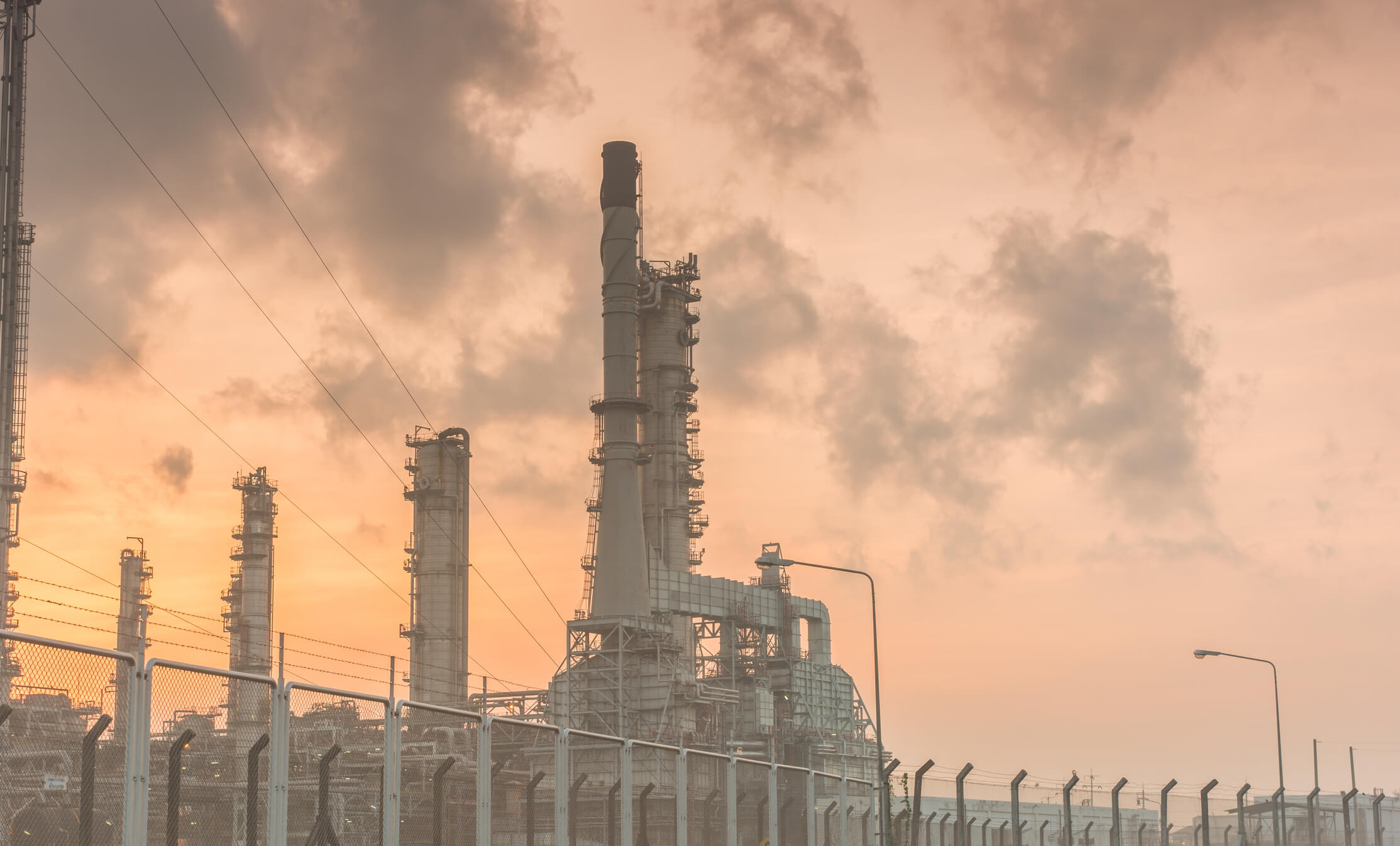
With seemingly no end to the Iran War in sight, the Trump administration has several actions to soften the economic blow, including waiving the Jones Act and releasing 172 million barrels of oil from the Strategic Petroleum Reserve. One sensible solution to help consumers is to grant exemptions for the small refineries that are critical to US energy security and affordability.
By Nick Loris4 min readApril 7, 2026
→
Energy
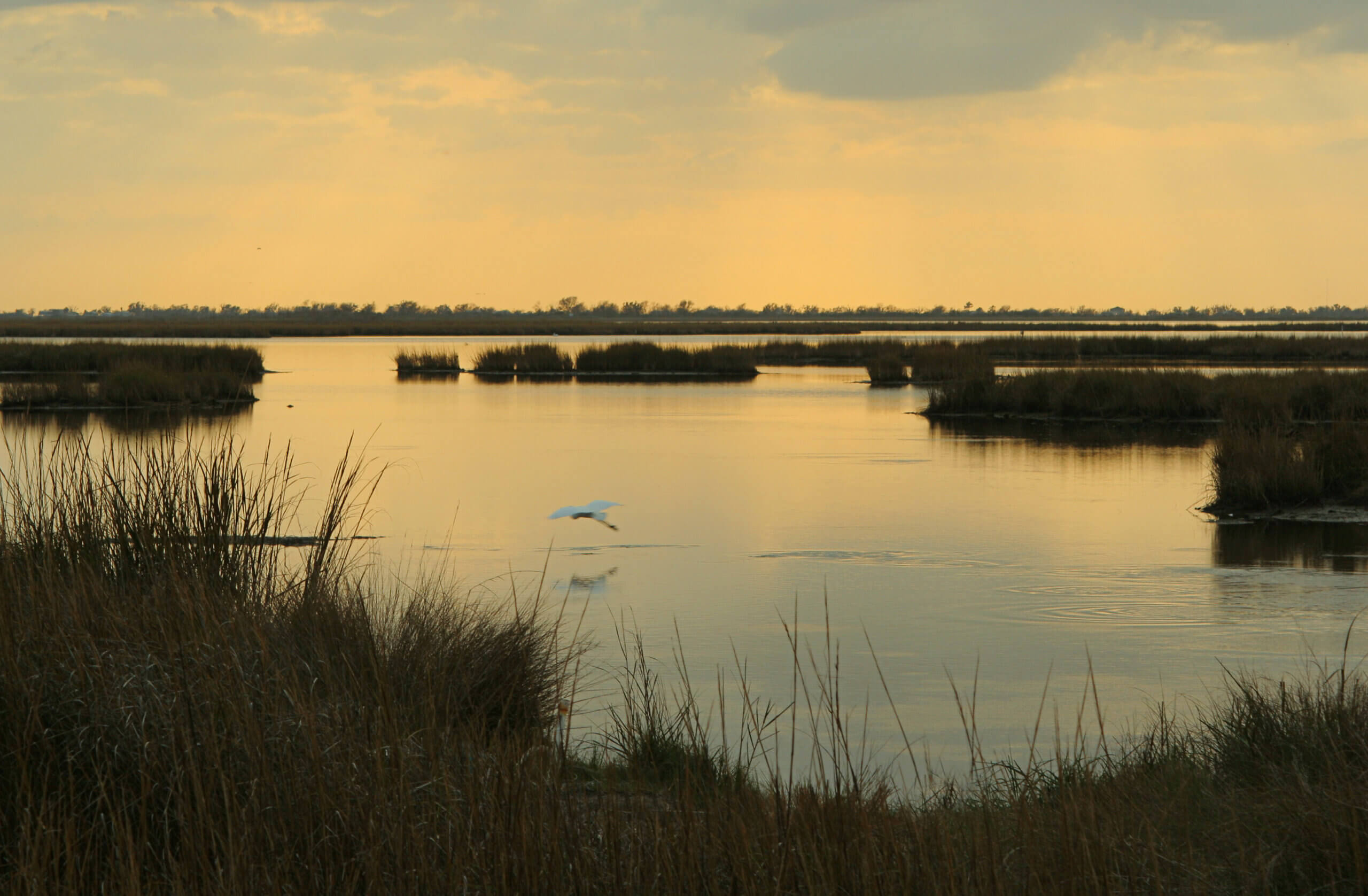
Louisiana has lost over 2,000 square miles of coastal land since the 1930s, an area the size of Delaware. Wetlands continue to disappear at an alarming rate, threatening communities, infrastructure, and one of America’s most productive fisheries.
By Prasanna Pydipalli5 min readApril 1, 2026
→
