This piece was initially published in the Daily Caller.
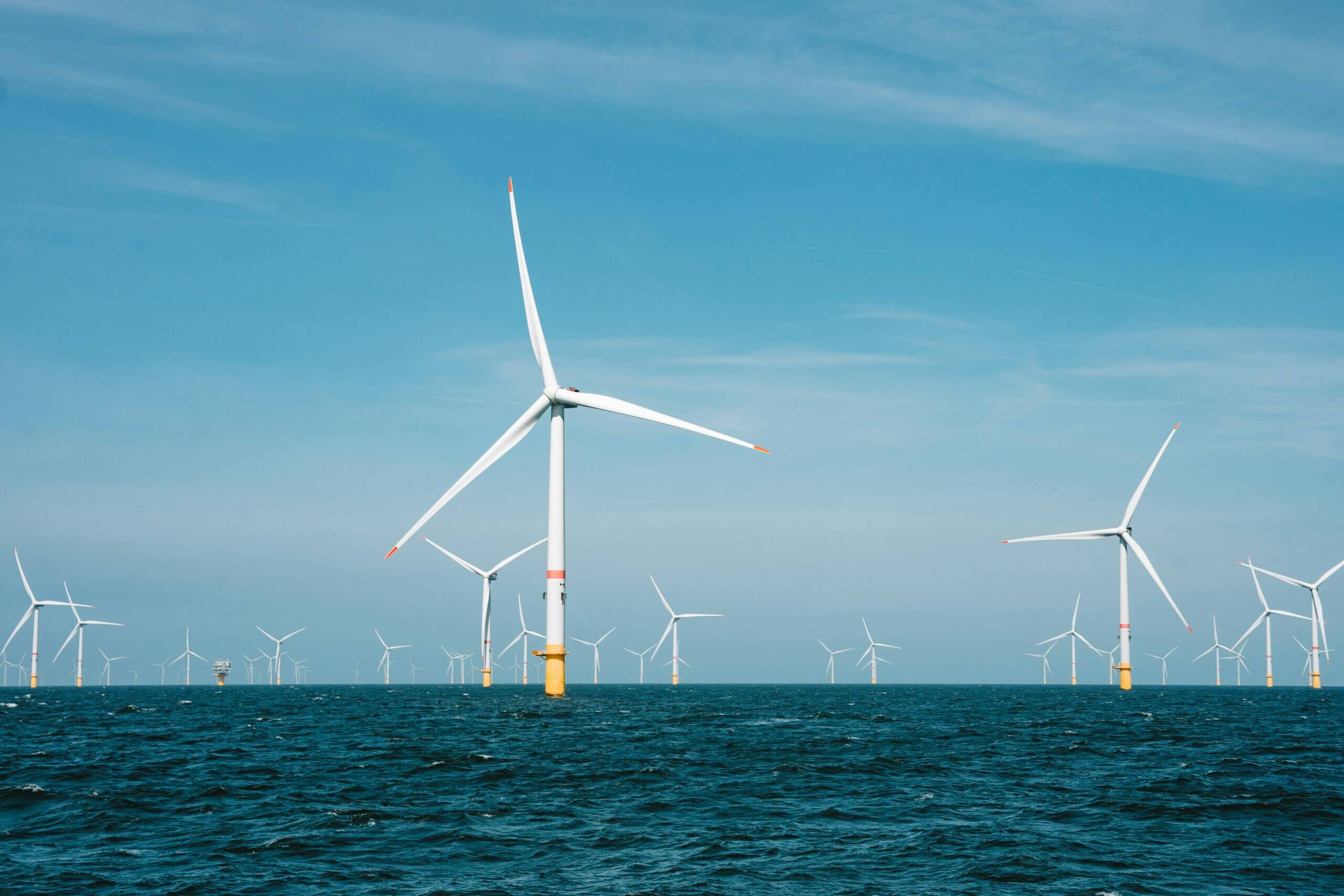
President Donald Trump is no fan of offshore wind. His administration has impeded its development since he began his second term. Projects have been suspended, new leases frozen and permits slowed or stopped altogether. Yet the biggest casualty of this largely successful harassment campaign could be realizing American energy dominance.
In its most recent foray against offshore wind, the administration announced it would appeal court rulings that allowed five offshore wind projects to proceed despite last December’s blanket construction halt on national security grounds. Yet the Administration’s ongoing actions risk derailing the possibility of reforming our broken permitting system—a downside far greater than allowing five fully permitted wind projects to go forward.
The Trump administration did not pioneer executive intervention in energy policy. Democratic administrations took similar steps long before. President Barack Obama denied the Keystone XL Pipeline permit on weak grounds. His Environmental Protection Agency revoked an already-issued coal mine permit and preemptively vetoed another project in Alaska. The Biden administration canceled or restricted federal oil and gas leases, revoked Keystone XL’s permit a second time and paused liquefied natural gas exports. The dye was cast long ago.
To its credit, the Trump administration has reversed much of that approach, refocusing policy on American energy dominance and consumer affordability. With rising demand and prices, the United States needs more generation, pipelines, and transmission capacity. The administration has pledged to cut red tape and accelerate development, signaling that regulatory bottlenecks should be fixed—not weaponized.
Offshore wind, however, has proved an exception to these worthy aims. Continuing to challenge projects that have already cleared the permitting process undermines the broader message of regulatory reform. When policy swings with the stroke of a pen, investors hesitate or demand higher risk premiums, ultimately inflating consumer utility bills. Regulatory whiplash erodes the certainty markets need to finance pipelines, power plants, transmission lines, and emerging technologies. Creating new pathways to block disfavored projects simply hands future administrations new tools to do the same in return.
>>>READ: How Donald Trump Softening His Tone on Wind Could Unlock Permitting Reform
Many of the offshore wind projects now under challenge rely on subsidies, state power purchase agreements, and targeted tax credits. If the administration has concerns about costs to taxpayers and ratepayers, the solution is to reform or remove market-distorting policies—not to reopen duly issued permits. Legitimate national security concerns, if they exist, should be addressed directly. Projects that have already passed review should move forward.
The Administration’s core instincts are correct: Protect consumers and taxpayers. Businesses should not build long-term models around artificial incentives. Subsidies can prop up projects that may not prove economically sustainable; mandates can force utilities into procurement decisions that are not cost-effective. Over time, these distortions may worsen the affordability challenges that policymakers claim to solve.
At the same time, offshore wind could prove economically viable without subsidies. In the Northeast, it has so far performed strongly during the winter months when heating demand peaks. While capacity factor is not the only metric of value, offshore wind generally achieves higher results than onshore renewables and has approached levels comparable to some baseload resources. If it can viably compete on price and reliability, it should be allowed to do so.
Market-driven development supports thousands of union jobs—electricians, laborers, operating engineers, ironworkers, and maritime workers—many of whom backed Trump because of his commitment to domestic energy and infrastructure. When government policy shifts jobs from one politically favored sector to another, it distorts labor markets, too. Allowing the market to determine offshore wind’s trajectory ensures better value for taxpayers, ratepayers, and the broader economy. If these projects are cancelled now, federal taxpayers may be forced to pay tens of billions in cancellation costs. These costs would come on top of ratepayers having to bear the burden of higher costs for more expensive replacement electricity.
A lasting legacy for any administration seeking energy dominance would be comprehensive permitting reform. Energy abundance requires removing regulatory constraints and creating market opportunities to meet rising demand. Today’s permitting system remains too slow, too litigious, and too uncertain for nearly every form of energy.
>>>READ: Don’t Undercut the Case for Energy Abundance
Trump’s skepticism of wind energy is unlikely to change. But achieving American energy dominance deserves his full attention. Allowing already-permitted projects to proceed without further interference could create the political space necessary for bipartisan permitting reform.
Modernizing environmental review, clarifying judicial standards, and imposing firm timelines would accelerate projects across the energy spectrum. Such reforms would enable nuclear expansion, pipeline construction, transmission upgrades, critical mineral development, and renewables alike. A technology-neutral American energy policy that prioritizes market-based supply would correct the mistakes of past administrations. It would also be a worthy achievement for a President who champions energy dominance, job creation, and affordability.
America’s energy sector has long been innovative and resilient despite politicized battles, regulatory chokepoints, and excessive litigation. Trump has made it clear he wants to protect taxpayers and ratepayers. In his State of the Union address, he told data centers to bring their own power to safeguard households and businesses from higher bills.
Fixing a broken permitting system can achieve all of these objectives. It will strengthen U.S. competitiveness and provide the affordable, dependable power we need for decades.