Energy
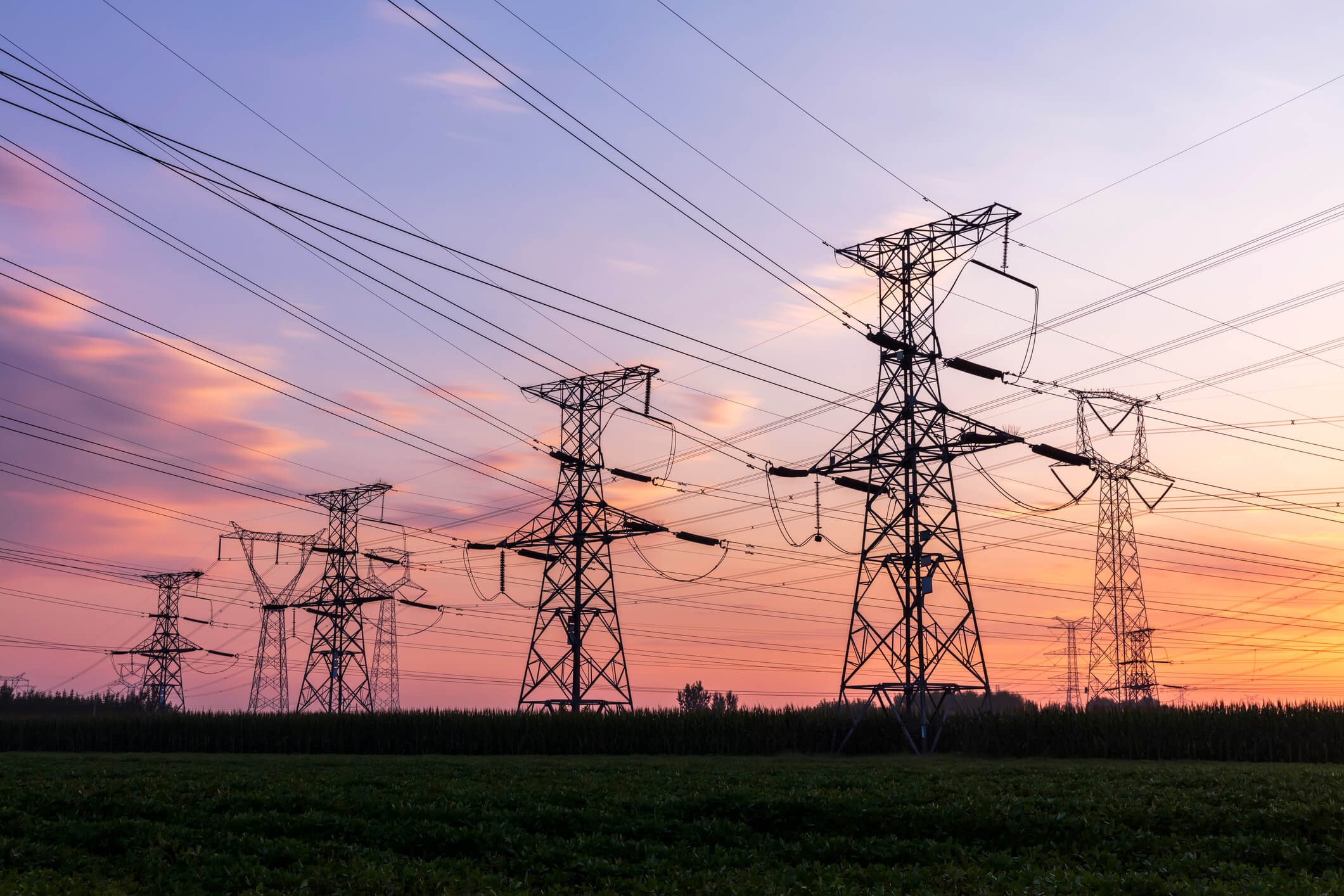
In a rare Level 3 alert, the North American Electric Reliability Corporation (NERC) warns that hyperscale data centers are introducing volatile, hard-to-predict load swings—where gigawatts can drop off the grid in seconds—that utilities aren’t equipped to manage, creating a new reliability risk as electricity demand surges. This comes on the heels of recent Senate and House hearings on the state of the bulk power system and how to meet growing electricity demand while protecting ratepayers.
By Nick Loris4 min readMay 7, 2026
→
Energy
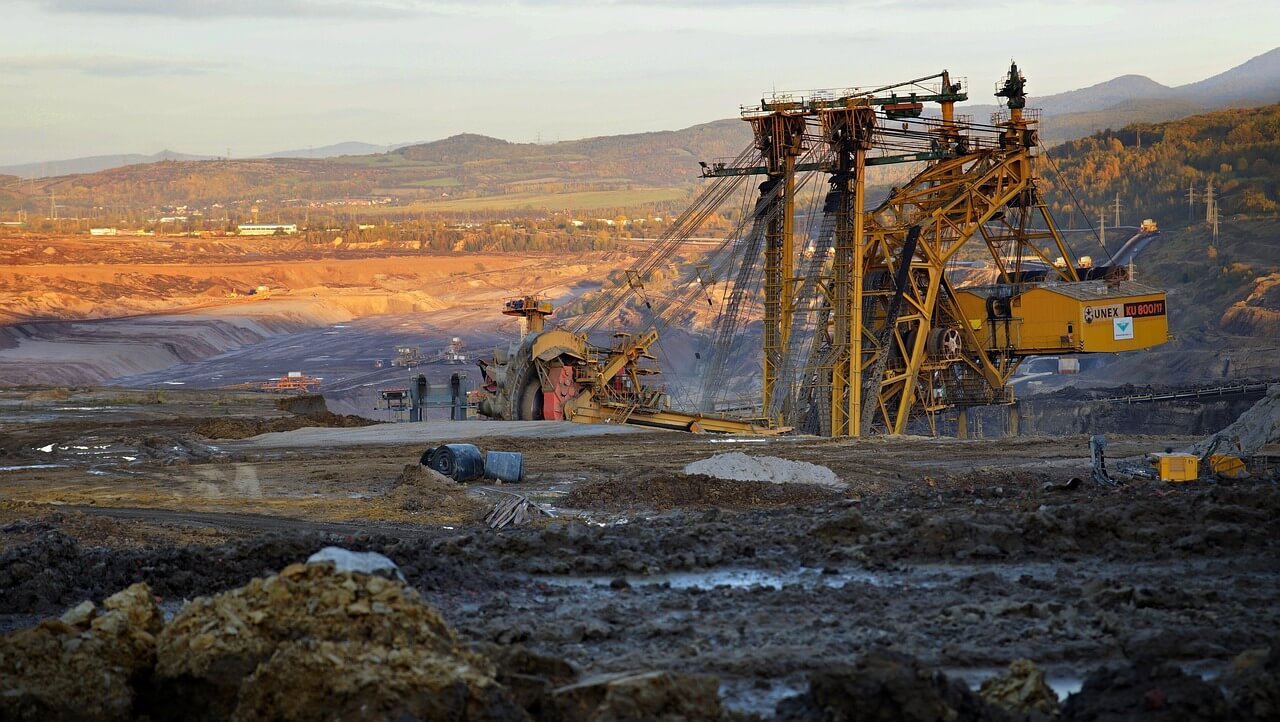
Critical minerals have become a marquee issue in Washington over the past several years, driven by growing concern that the United States and its allies depend too heavily on China for materials that are indispensable to both the civilian economy and the defense industry.
By David Kemp5 min readMay 5, 2026
→

Infrastructure
The United States is the most energy-rich nation on earth. We have motivated capital, human ingenuity, a wide range of resources, and innovative technologies. With unprecedented energy demand needed in the next few years, the United States needs more power generation, more pipelines, and transmission lines.
By Nick Loris9 min readApril 27, 2026
→
Energy
Last November, President Donald Trump launched the Genesis Mission through an executive order (EO) that outlines 26 National Science and Technology Challenges, ranging from autonomous scientific labs to fusion energy to artificial intelligence (AI)-driven grid operations. Embedded in that order is a directive to use prize competitions to get there. This is a smart policy because prizes are a growing but still underutilized tool at the Department of Energy (DOE). Now the DOE needs to run with it.
By Adria Wilson and Nick Loris5 min readApril 21, 2026
→

Infrastructure
The National Historic Preservation Act (NHPA) was enacted in 1966 to protect America’s cultural heritage at a time when rapid development was destroying historic sites. Its core process, Section 106, requires federal agencies to consider how projects they fund, permit, or carry out affect historic and cultural resources. Though well-intentioned, nearly six decades later, Section 106 has become a source of uncertainty, delay, and rising costs for energy, transmission, and conservation projects.
By Cecilia Fassett4 min readApril 16, 2026
→
Conservation
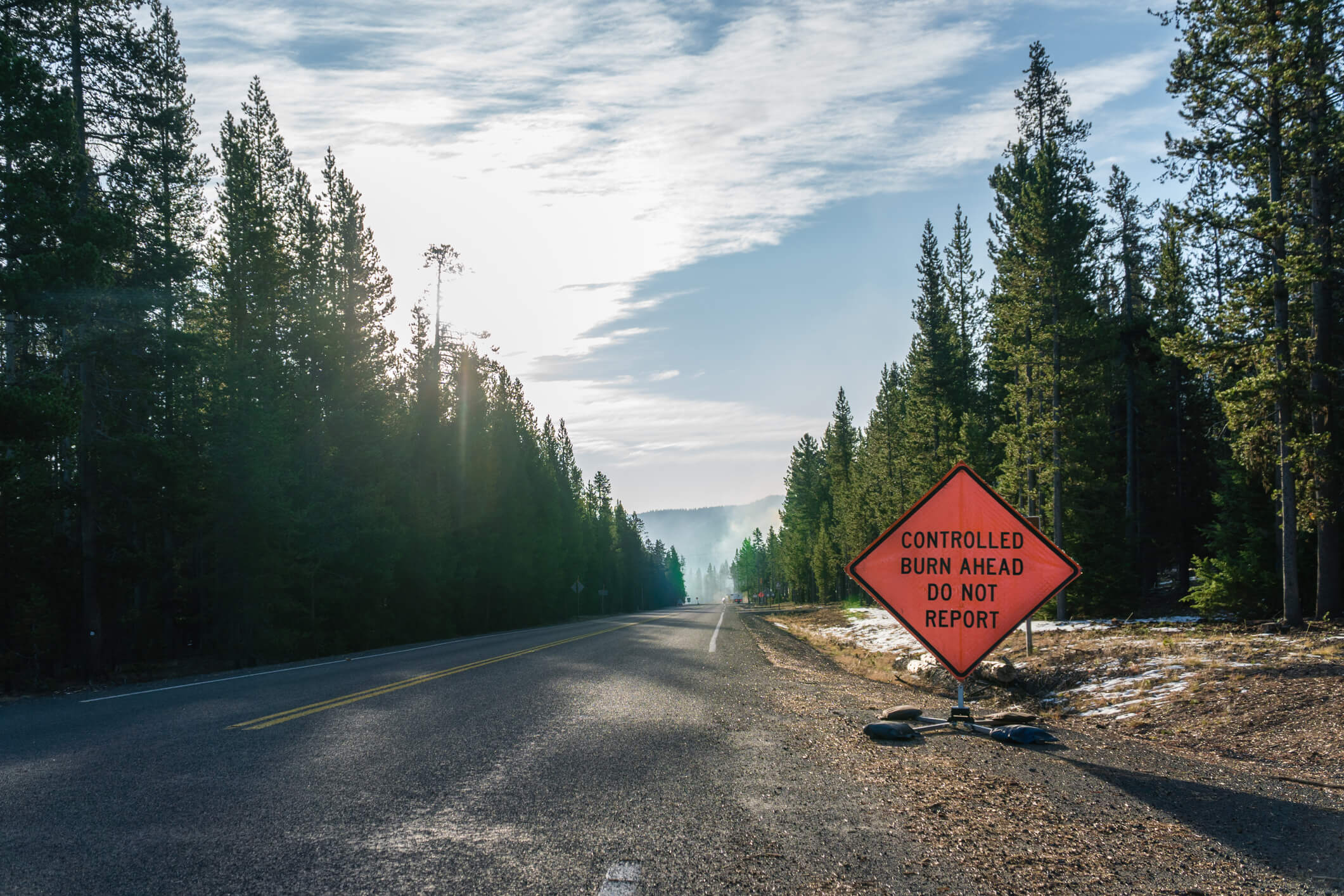
With respect to addressing America’s wildfire crisis, the CAA can ironically penalize states for conducting prescribed burns, which are among the most effective tools for preventing catastrophic wildfires and the harmful air pollution they produce.
By Cecilia Fassett3 min readApril 14, 2026
→

Energy
When President Trump stood before Congress in February 2026, he delivered a stark message to America’s technology leaders: “You have an obligation to provide for your own power needs.” His call to action on behind-the-meter nuclear power for data centers wasn’t mere rhetoric. It was a recognition that the energy demands of artificial intelligence and modern computing require a fundamental shift in how we power our economy.
By Alina Voss4 min readApril 8, 2026
→
Energy
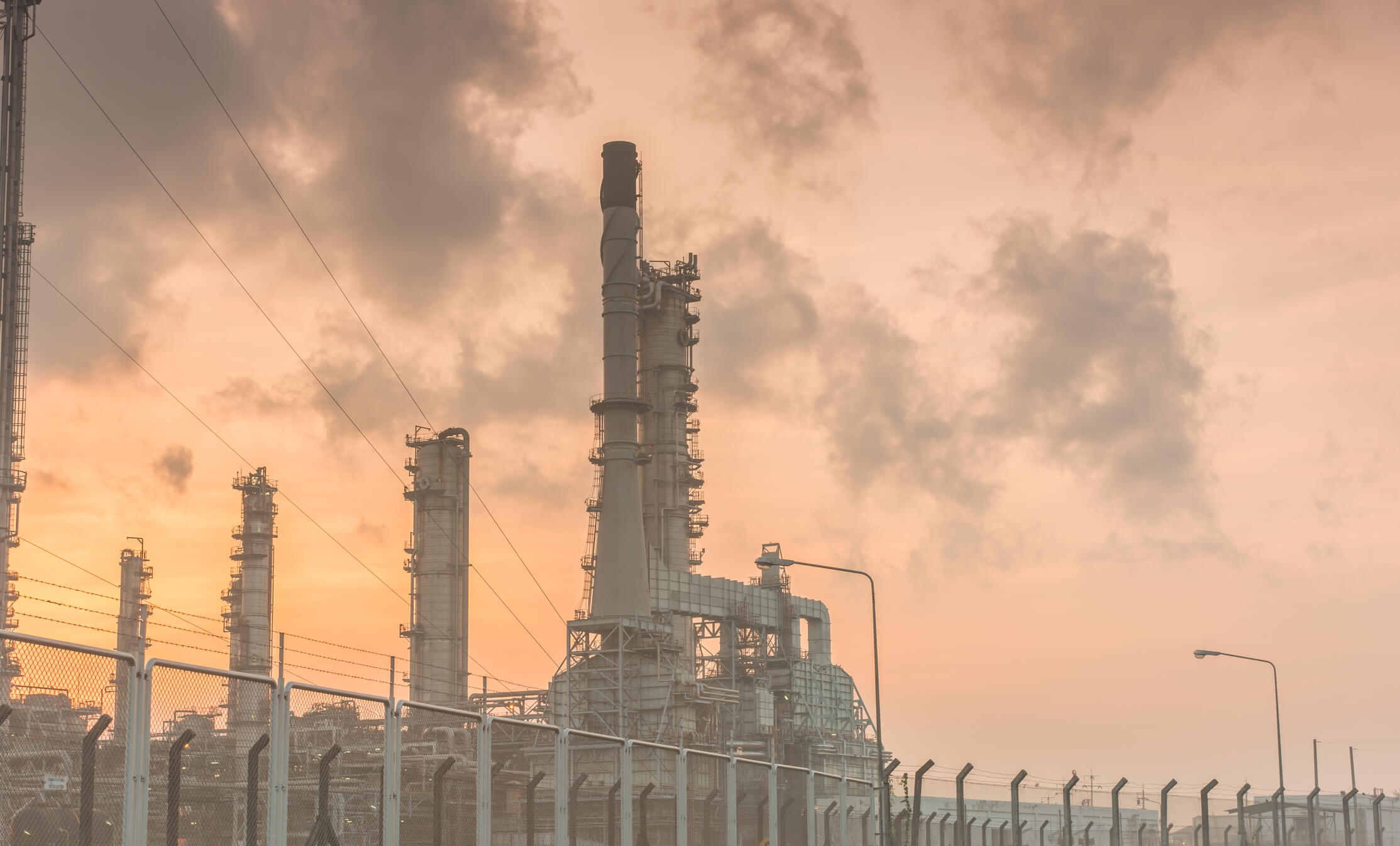
With seemingly no end to the Iran War in sight, the Trump administration has several actions to soften the economic blow, including waiving the Jones Act and releasing 172 million barrels of oil from the Strategic Petroleum Reserve. One sensible solution to help consumers is to grant exemptions for the small refineries that are critical to US energy security and affordability.
By Nick Loris4 min readApril 7, 2026
→
Energy
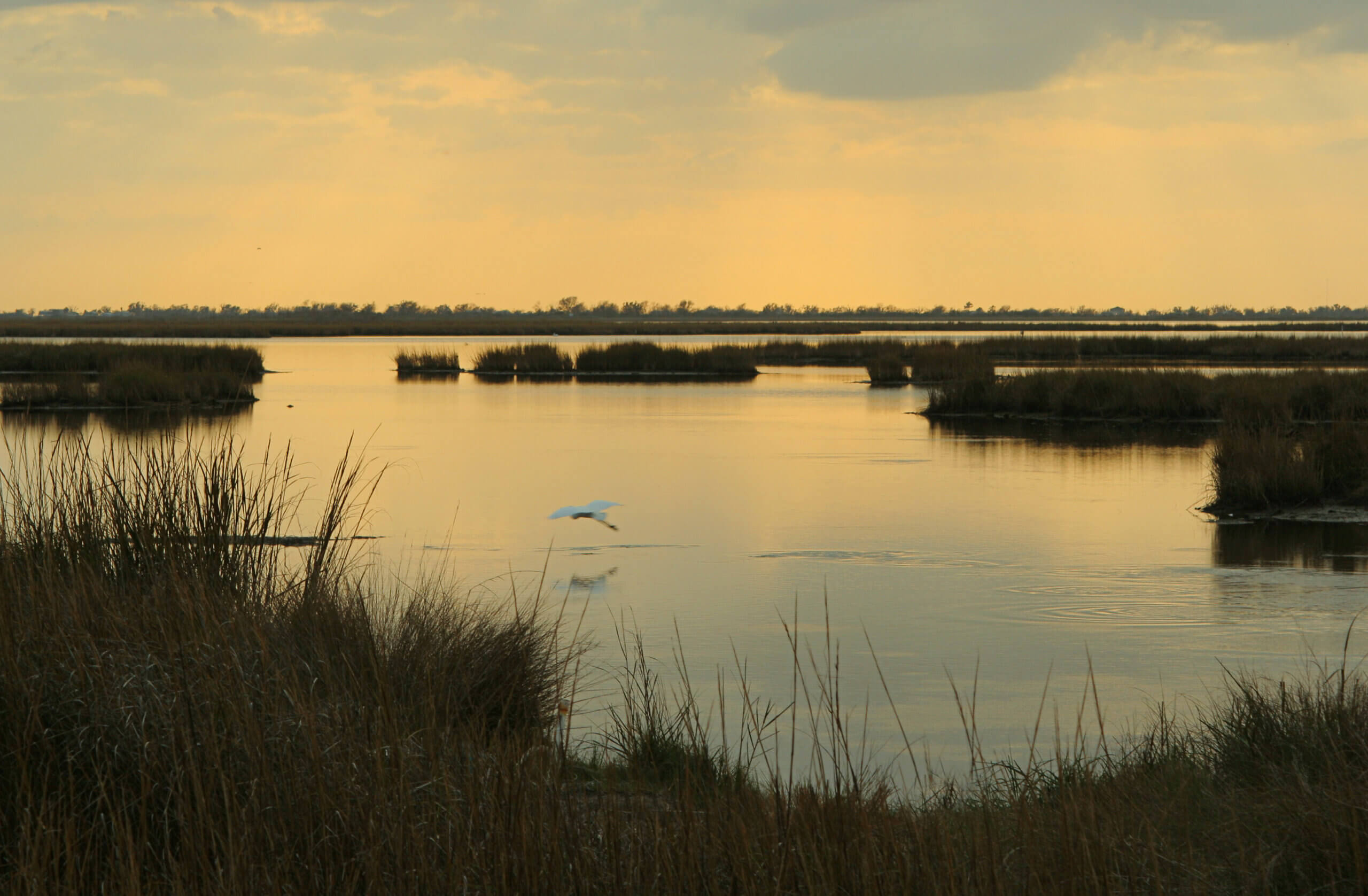
Louisiana has lost over 2,000 square miles of coastal land since the 1930s, an area the size of Delaware. Wetlands continue to disappear at an alarming rate, threatening communities, infrastructure, and one of America’s most productive fisheries.
By Prasanna Pydipalli5 min readApril 1, 2026
→
Energy
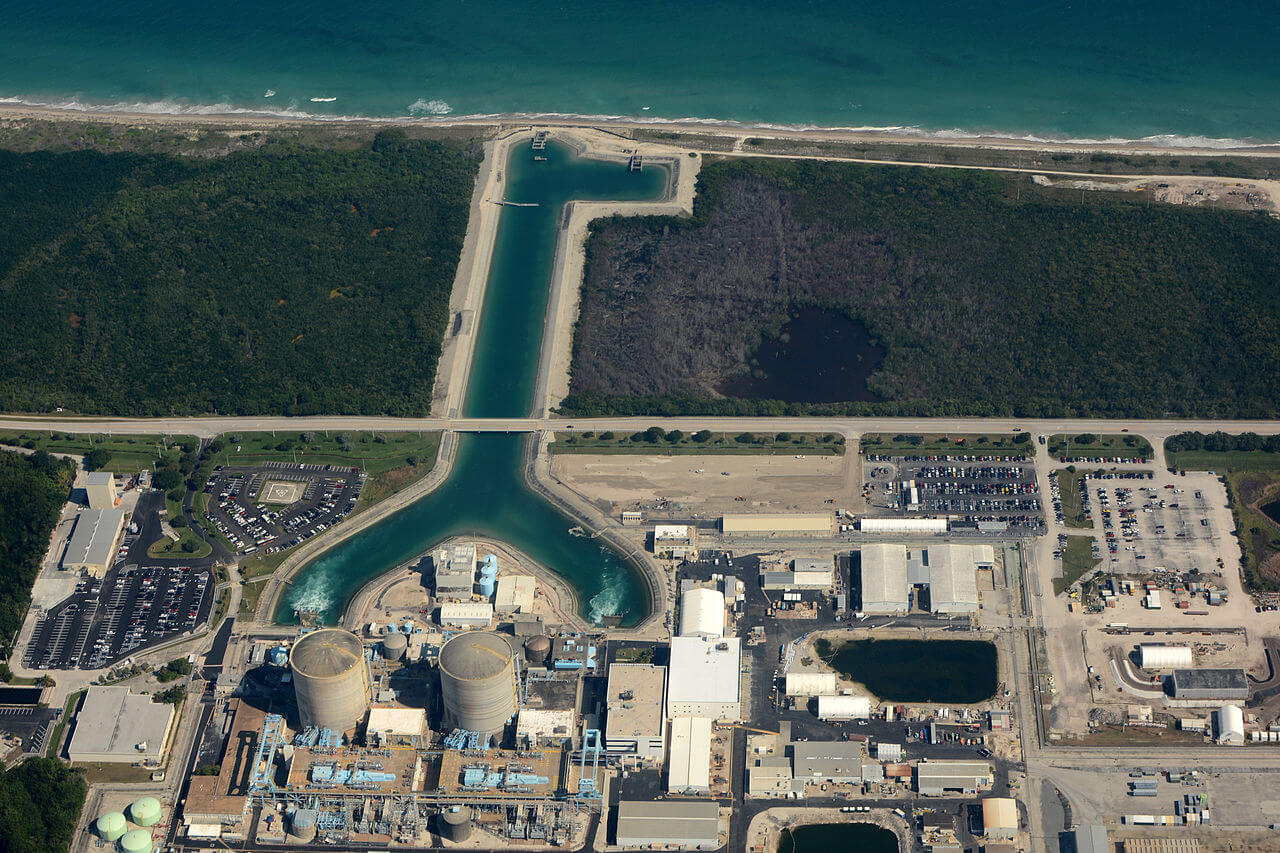
A new bill in the Sunshine State’s legislature seeks to streamline the approval process for constructing nuclear reactors.
By Nick Loris4 min readMarch 25, 2026
→
