Energy
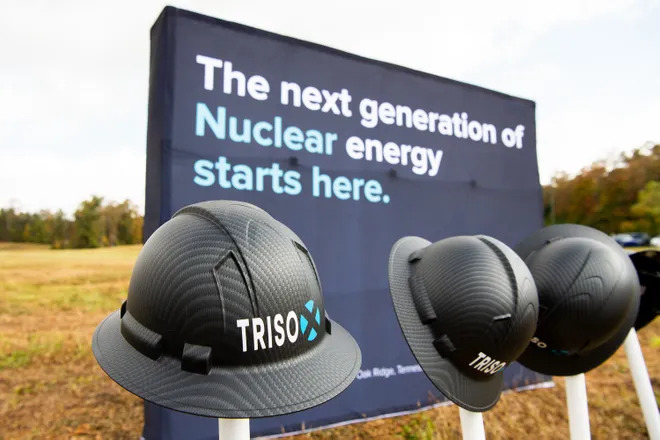
The Department of Energy recently announced that certain advanced nuclear reactor projects can qualify for a categorical exclusion from the National Environmental Policy Act’s (NEPA) full review process. The move is a practical step forward to accelerate innovation, reduce unnecessary cost and delay, and strengthen U.S. competitiveness in nuclear energy.
By Nick Loris4 min readFebruary 4, 2026
→

Conservation
A recent report from ConservAmerica analyzed two decades of energy and infrastructure projects to quantify the ESA’s effects. What it found is that the United States regularly spends billions of dollars fighting over endangered species in court when it should prioritize preventative conservation and economic incentives.
By Cecilia Fassett4 min readFebruary 3, 2026
→
Energy
The report from Americans For Prosperity details a 21 percent increase in electricity prices between 2020 and 2024, including a four percent increase from 2023 to 2024 alone. While fuel prices, weather, and inflation all play a role, the report argues that a major, underappreciated driver of higher bills is America’s broken energy permitting system.
By Adrian Norman4 min readJanuary 29, 2026
→

Conservation
As the second year of President Trump’s second term gets underway, the Department of Interior (DOI) has the responsibility to achieve two of the administration’s priorities: Expanding energy dominance and Making America Beautiful Again. Here are five practical things DOI should pursue to achieve energy dominance, address the affordability crisis, and improve conservation efforts.
By Charity Williamson6 min readJanuary 22, 2026
→
Conservation
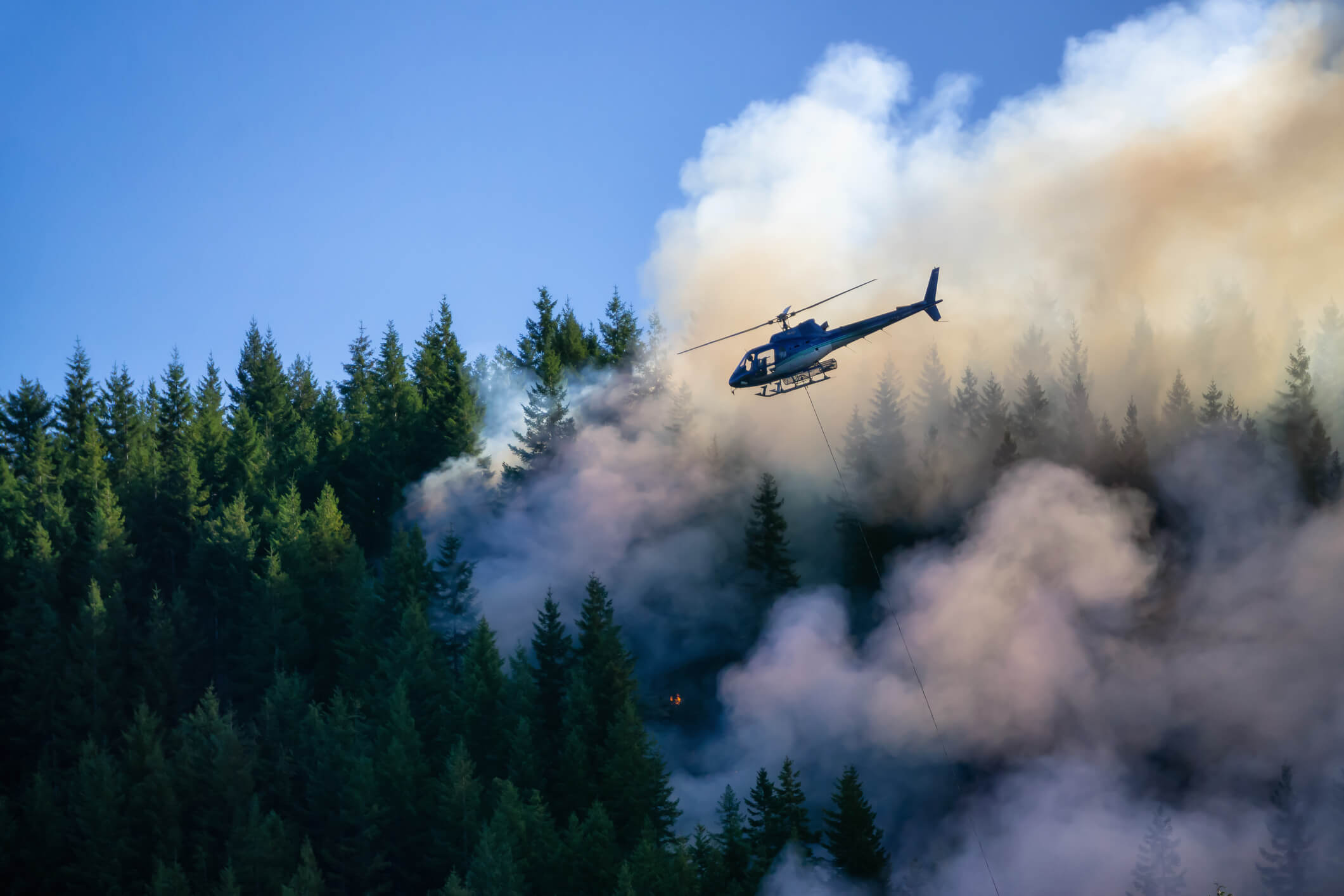
Ringing in the new year in Washington is often accompanied by the hope that your “fill-in-the-blank” long-stalled policy priority finally makes headway. When it comes to forest management, Congress can’t afford another year of delay.
By Cecilia Fassett5 min readJanuary 20, 2026
→

Energy
Last fall, Energy Secretary Chris Wright told the audience at Senator John Curtis’ conservative climate summit that “nuclear is going to become sexy again.” For policy wonks and proponents of modernizing outdated nuclear regulation, there may be nothing sexier than reforming ALARA.
By Nick Loris4 min readJanuary 15, 2026
→
Energy
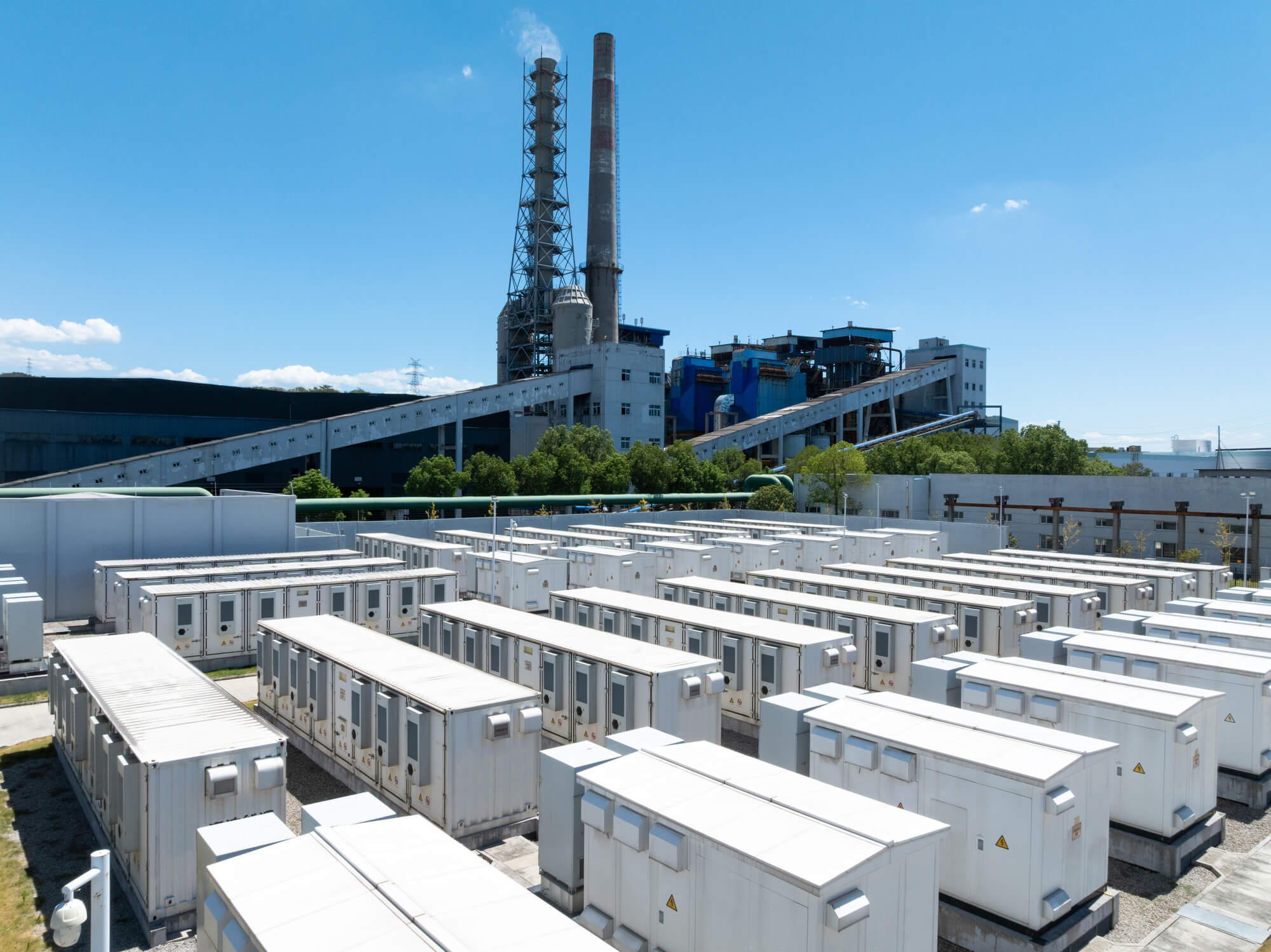
By many measures, the Texas electricity grid was put to the test in 2025. The Electric Reliability Council of Texas (ERCOT) reported near-record power demand, with electricity use in the first three quarters of 2025 up about 5 percent from the prior year – the fastest growth of any U.S. grid. Since 2023, wind, solar, and energy storage have been the fastest-growing sources of electricity in Texas, all helping meet rising demand.
By Matt Welch5 min readJanuary 14, 2026
→
Energy
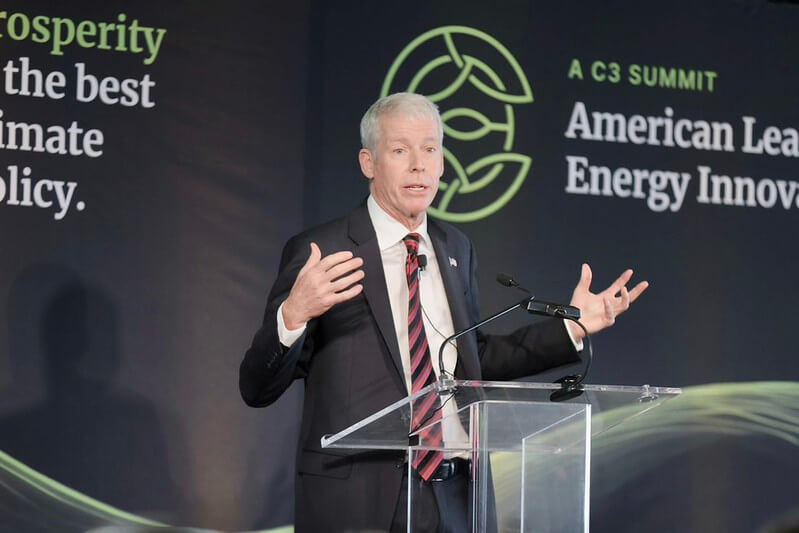
At the C3 American Leadership in Energy Innovation Summit, Chris Wright laid out the administration’s energy agenda with clarity. His message wasn’t about new mandates or distant, hard-to-achieve targets. It was about throughput—how fast the U.S. can actually build.
By Chris Wright1 min readJanuary 13, 2026
→
Energy
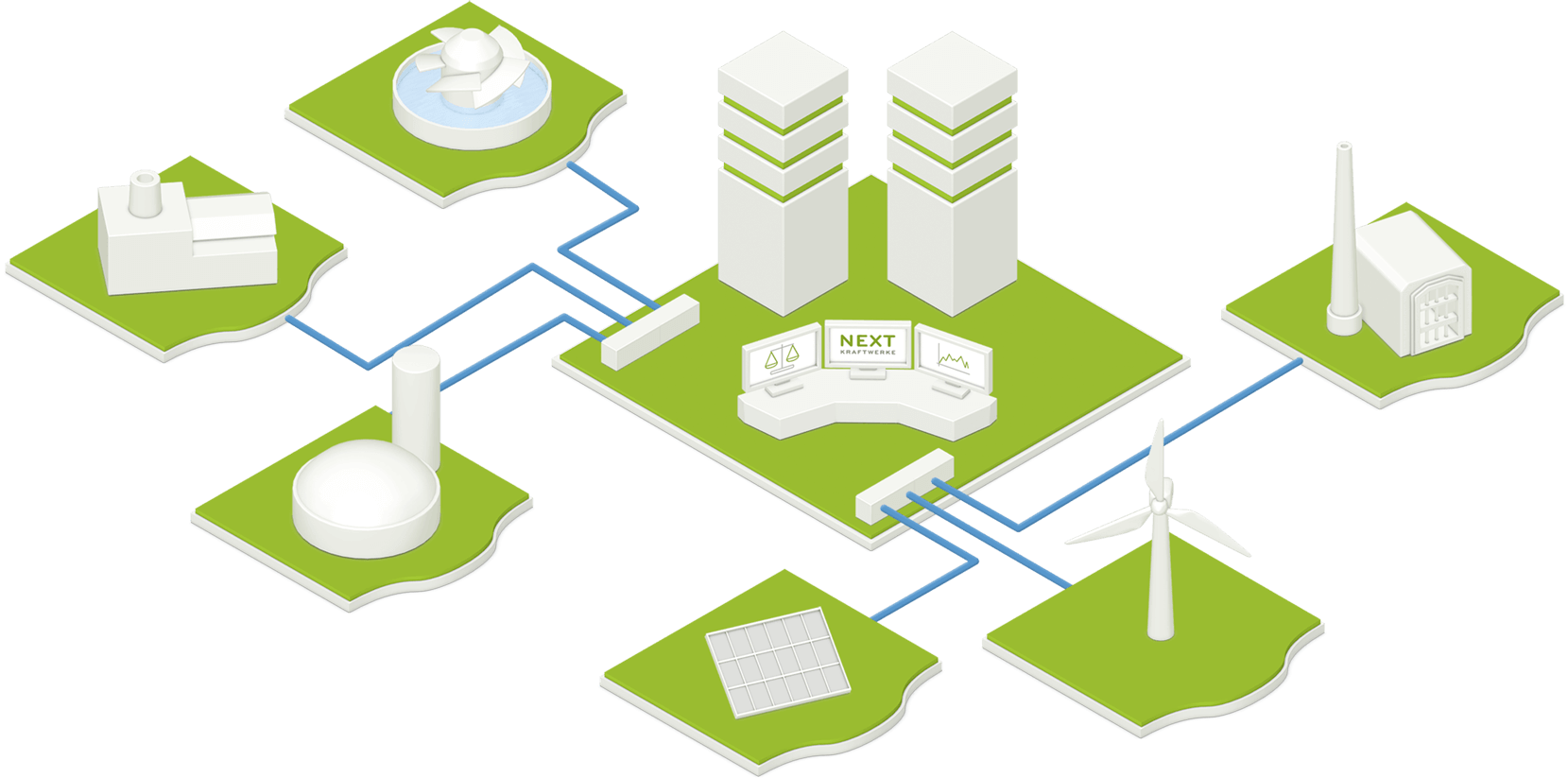
Across the United States, a quiet revolution is changing the way we think about energy. It’s not happening in massive power stations or through billion-dollar infrastructure projects. Instead, it’s unfolding in ordinary neighborhoods on rooftops, in garages, and behind smart thermostats. Homes equipped with solar panels, electric vehicles, and connected appliances are linking together to form what experts call virtual power plants.
By Lika Kobeshavidze4 min readJanuary 12, 2026
→

Environment
Last year, in one of his first actions on inauguration day, President Donald Trump signed an executive order directing federal agencies to stop using the social cost of carbon (SCC) when weighing the costs and benefits of regulations. The decision prompted predictable outrage from many environmental activists, climate scientists, and economists, who argued that abandoning the SCC would strip climate regulations of their scientific grounding.
By David Kemp6 min readJanuary 7, 2026
→
