Energy
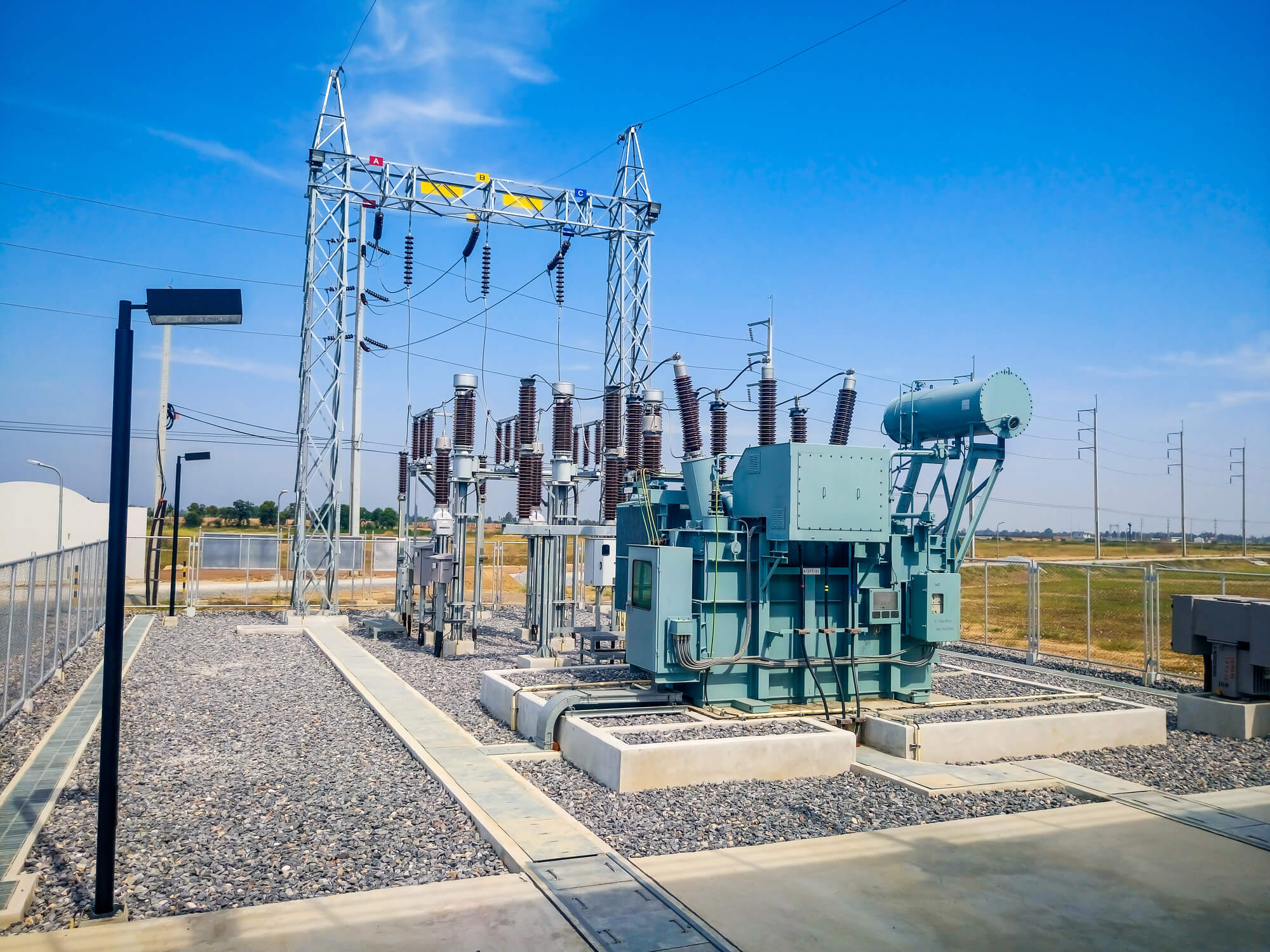
Many American power plants are stuck in a dysfunctional express lane. Energy Resource Interconnection Service, or ERIS was created to give generating facilities a faster, leaner way to connect to the grid without waiting in the main queue. Instead, in many markets, ERIS today places fast-trackers on the same slow schedule as projects in the main line. When new, highly competitive generation cannot be connected to the grid in a timely way, a key affordability and efficiency opportunity is left on the table.
By Dylan Maxik4 min readJuly 23, 2026
→
Energy
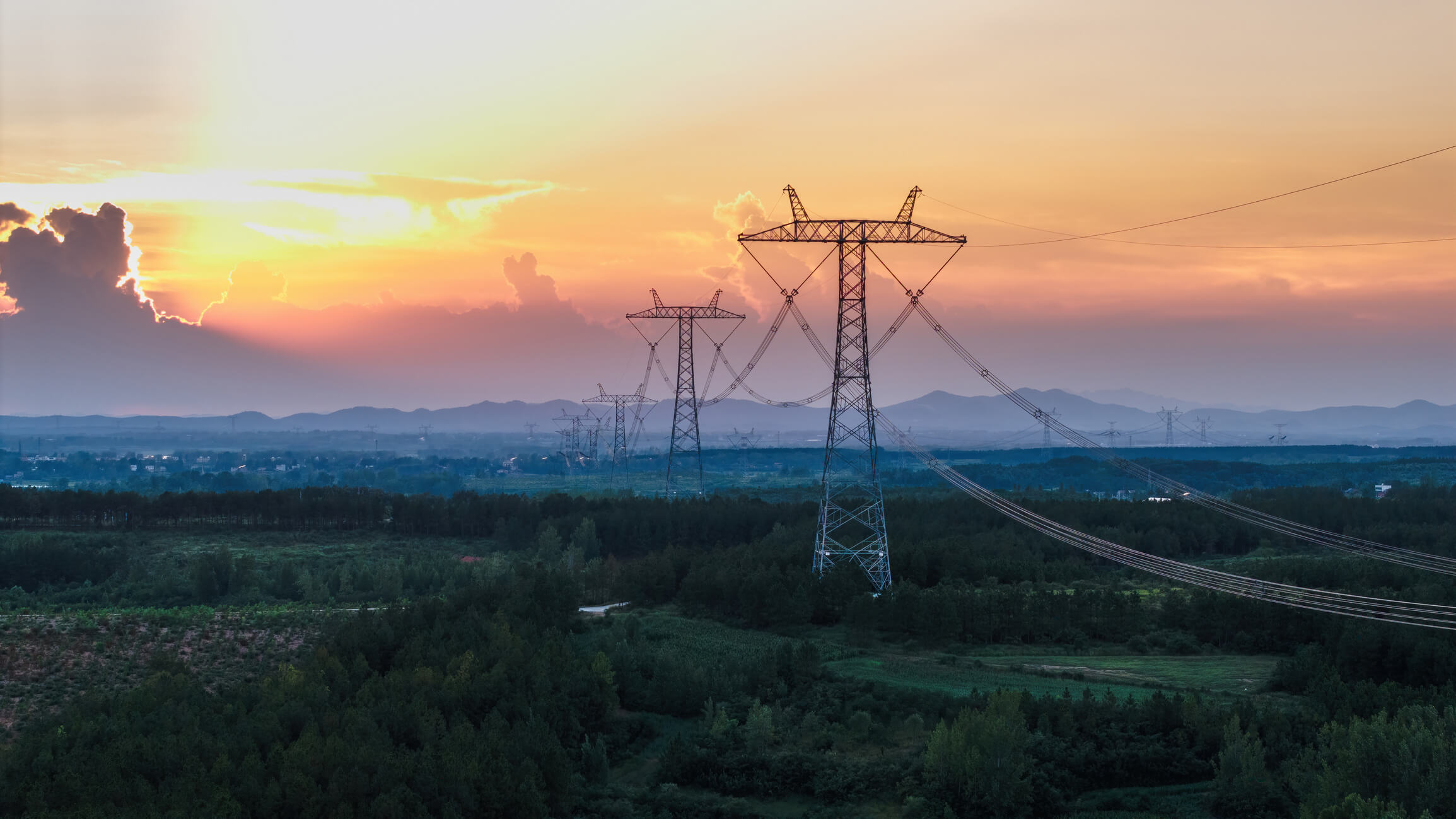
Electricity rates are rising faster than inflation and are felt by households across America. After decades of flat electricity demand, the country is experiencing significant load growth, driven by hyperscale AI data centers, resurgent domestic manufacturing, and the steady electrification of buildings and vehicles.
By Nick Loris5 min readJuly 20, 2026
→
Energy
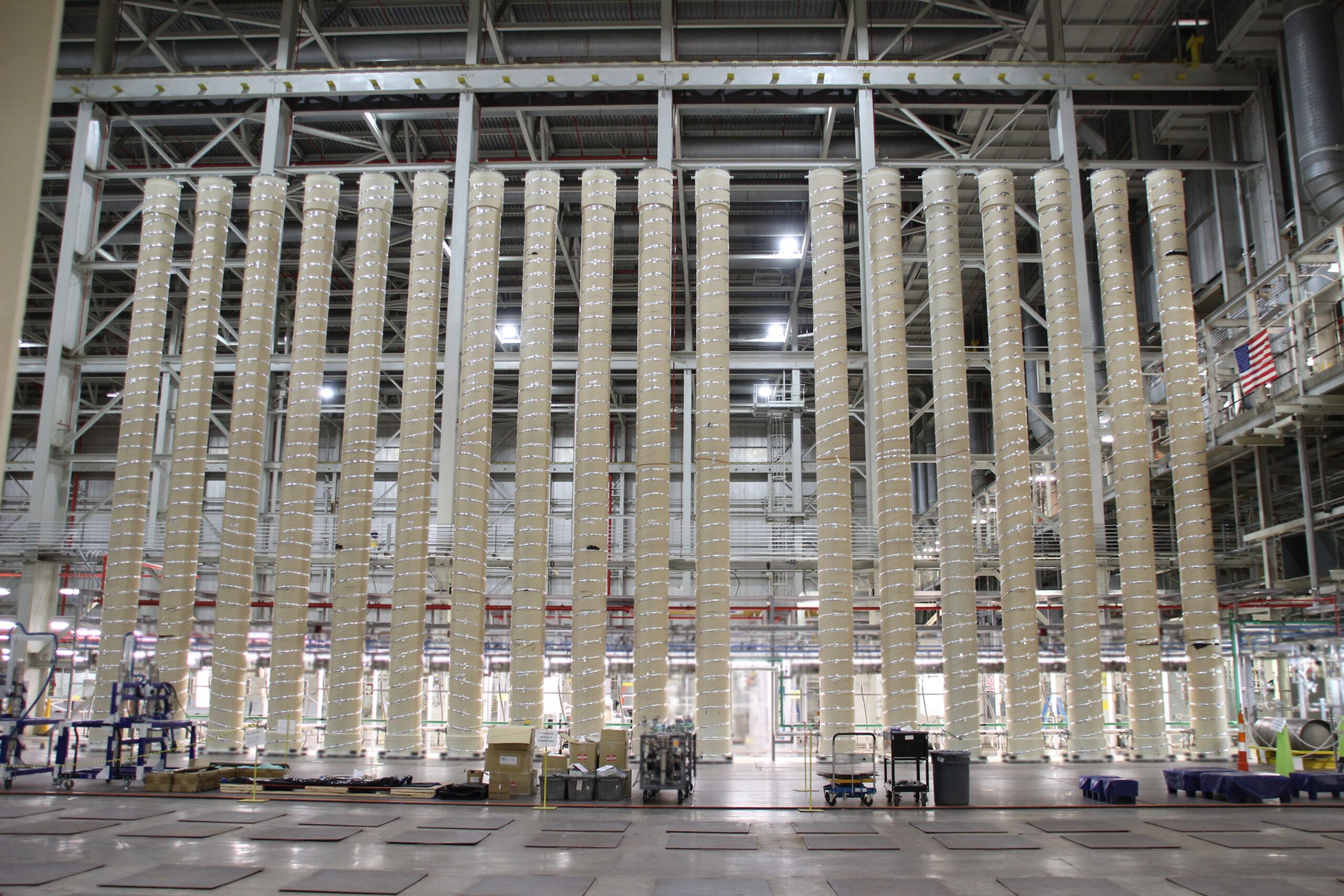
America is betting on a nuclear comeback, driven by a new generation of advanced reactors with lower capital costs and significant potential for economies of scale. Many of these reactors, however, require specialized fuel that has led the government to pour billions into a domestic supply chain. To ensure these investments pay off, federal officials should proactively eliminate artificial procurement barriers and permitting hurdles which threaten to stall nuclear fuel independence.
By Dylan Maxik4 min readJuly 15, 2026
→
Energy
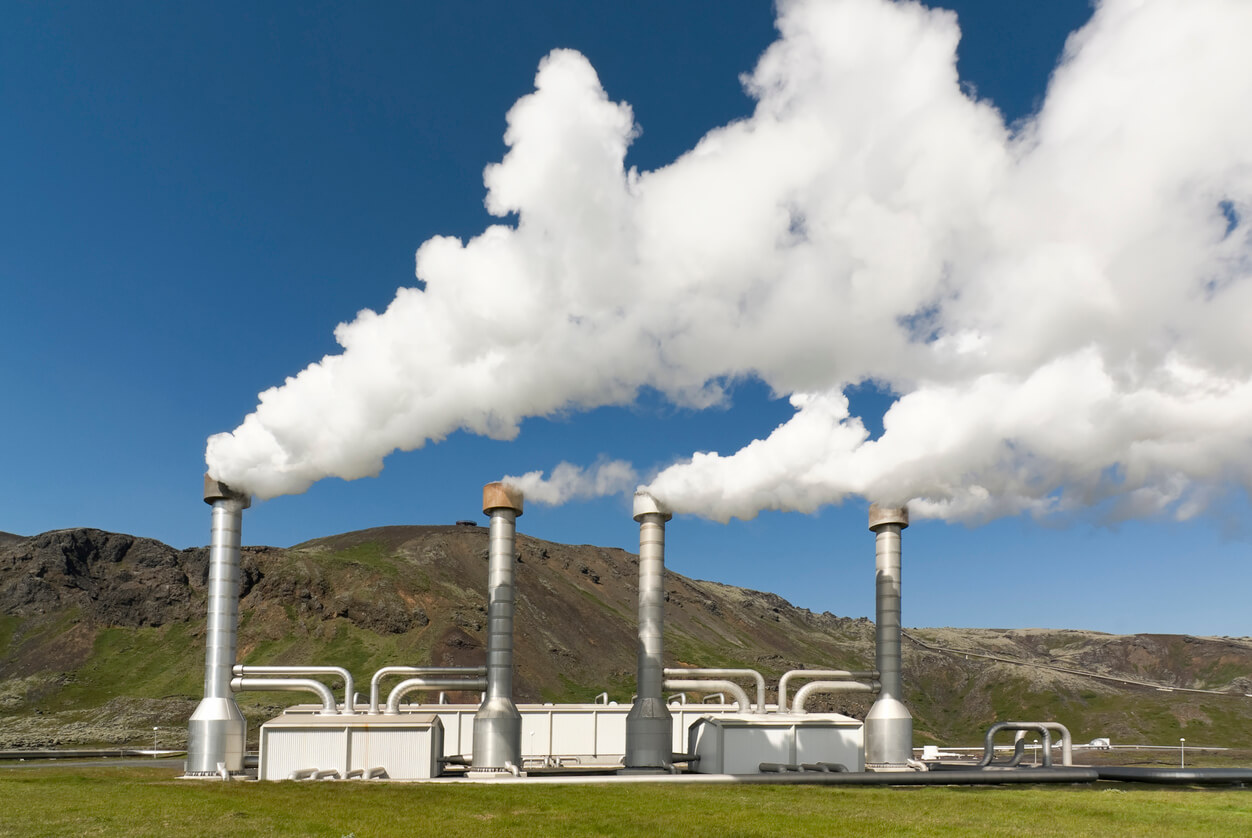
It’s always difficult to make predictions, as Yogi Berra said, especially about the future. However, looking back across the history of humanity, it is safe to say that the world will need more energy in the years and decades ahead, as it has steadily used more energy year after year in the past.
By Drew Bond4 min readJuly 9, 2026
→

Energy
Across state capitals and in Washington, policymakers are scrambling to address voters’ alarm over electricity bills. The Trump administration is unwinding major climate regulations, Democrats are focusing more on affordability concerns than climate change, and governors are quietly paring back clean energy subsidies and emissions mandates they championed only a few years ago. Climate policies are starting to bite, and the political strategy that helped enact them, downplaying costs and obscuring tradeoffs, is becoming harder to sustain as ratepayers see the impact on their bills.
By David Kemp4 min readJuly 8, 2026
→

Energy
Defense-driven innovation has repeatedly reshaped the American economy. Advanced nuclear and other mission-critical technologies could become the next major breakthrough.
By Nick Loris5 min readJuly 7, 2026
→
Energy
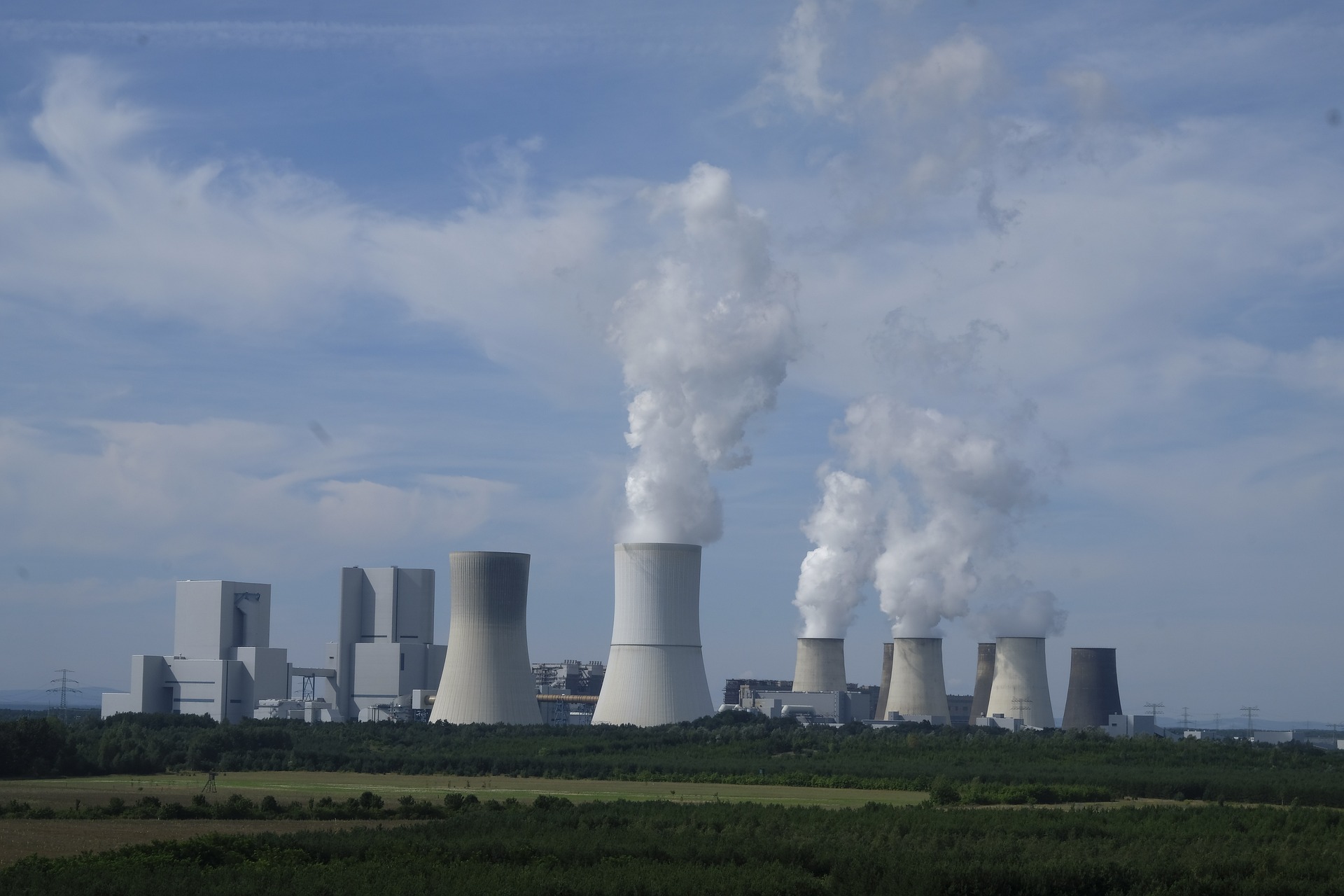
Reforming the Nuclear Regulatory Commission’s [NRC] outdated radiation protection framework is essential to unlocking nuclear energy’s potential. Reconsidering the linear no-threshold (LNT) radiation standard could help streamline construction and lower costs, strengthening the President's nuclear agenda without compromising safety.
By Andrew Follett3 min readJuly 6, 2026
→
Energy
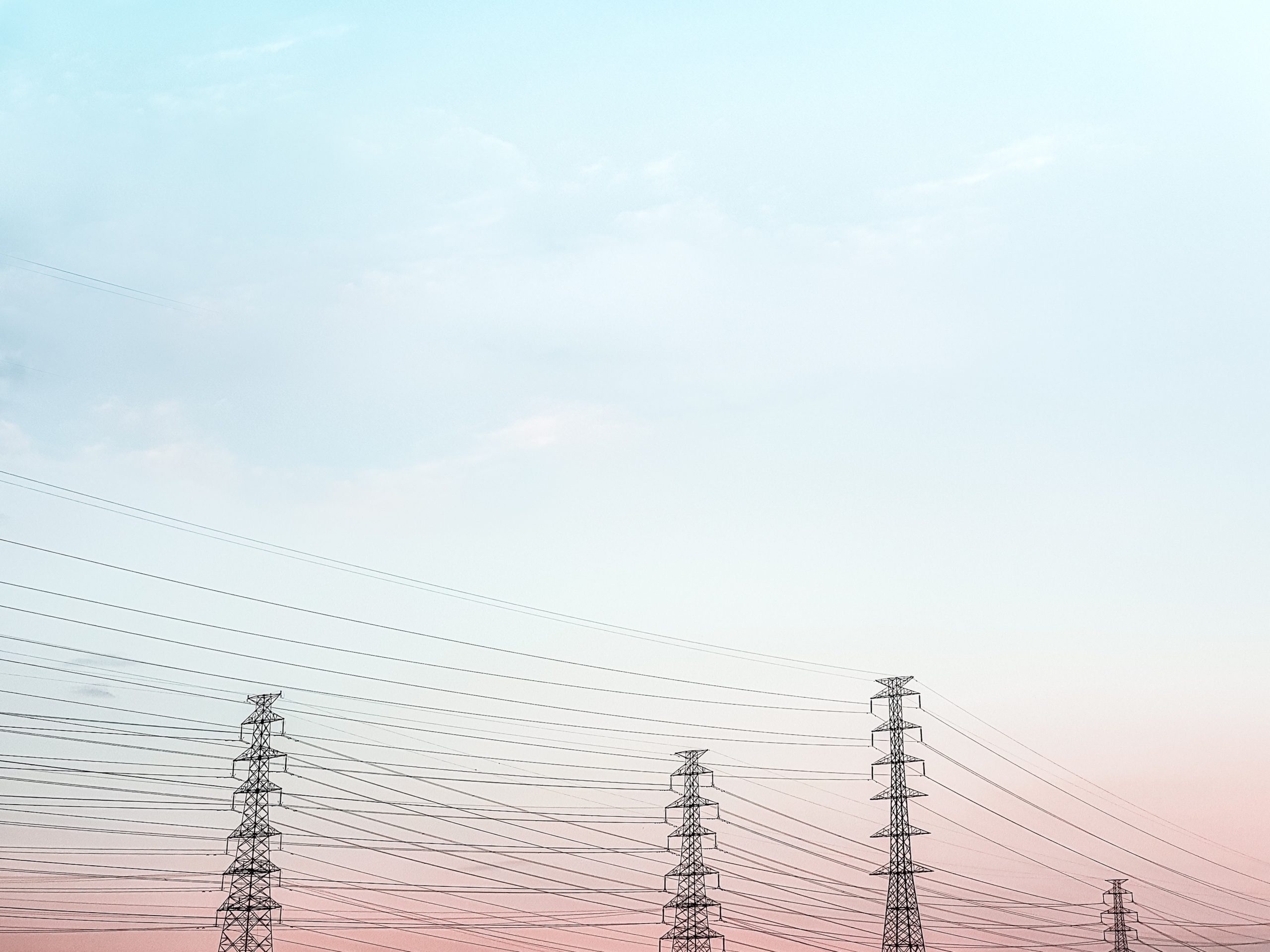
The surge in data centers with energy needs equivalent to small cities has put a spotlight on the new transmission infrastructure required to serve these customers. But recent action from the Federal Energy Regulatory Commission (FERC), America’s top energy market regulator, takes aim at a more basic question in this rapid buildout: who pays for that new steel in the ground, and when? Right now, the rules that determine cost allocation are opaque enough that customers who never asked for those upgrades can end up footing the bill. That is the cost-shifting problem the Commission just put a target on for transmission utilities across the country.
By Dylan Maxik4 min readJune 30, 2026
→
Energy
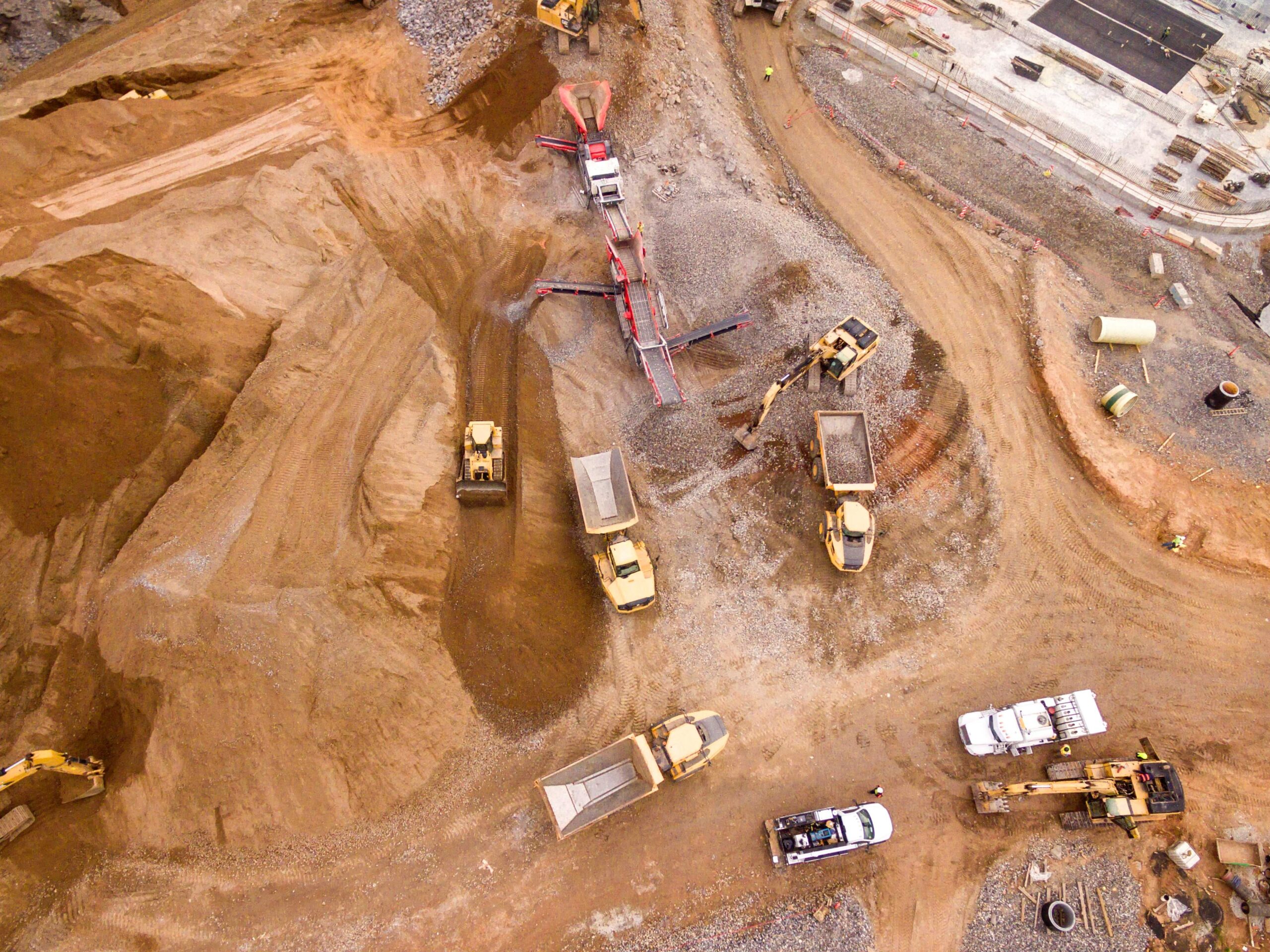
Trade tensions between the U.S. and China continue to escalate, and rare earths remain a central pawn, despite an apparent agreement reached last month, in which China would address U.S. concerns over shortages of rare earths and other critical minerals. Earlier this week, China added 10 companies to its export control list, banning exports of dual-use rare earths to firms it says are tied to the U.S. military. The move was a response to Washington’s decision earlier this month to add new companies, including large Chinese firms such as Alibaba and Baidu, to a list of entities it says assist the Chinese military, a designation that restricts their access to U.S. technology and trade.
By David Kemp5 min readJune 29, 2026
→

Infrastructure
Recent heatwaves across Western Europe are highlighting the growing need for reliable and efficient climate-control infrastructure. limate infrastructure firm Trane Technologies is helping address this challenge through its energy optimization services powered by artificial intelligence. A leading provider of heating, ventilation, and air conditioning (HVAC) systems, Trane’s innovative roster of energy-efficient technologies reduce energy consumption, improve efficiency, and enhance operational resilience across a wide array of facilities, from data centers and hospitals to residential buildings.
By Nathalie Voit3 min readJune 25, 2026
→
