

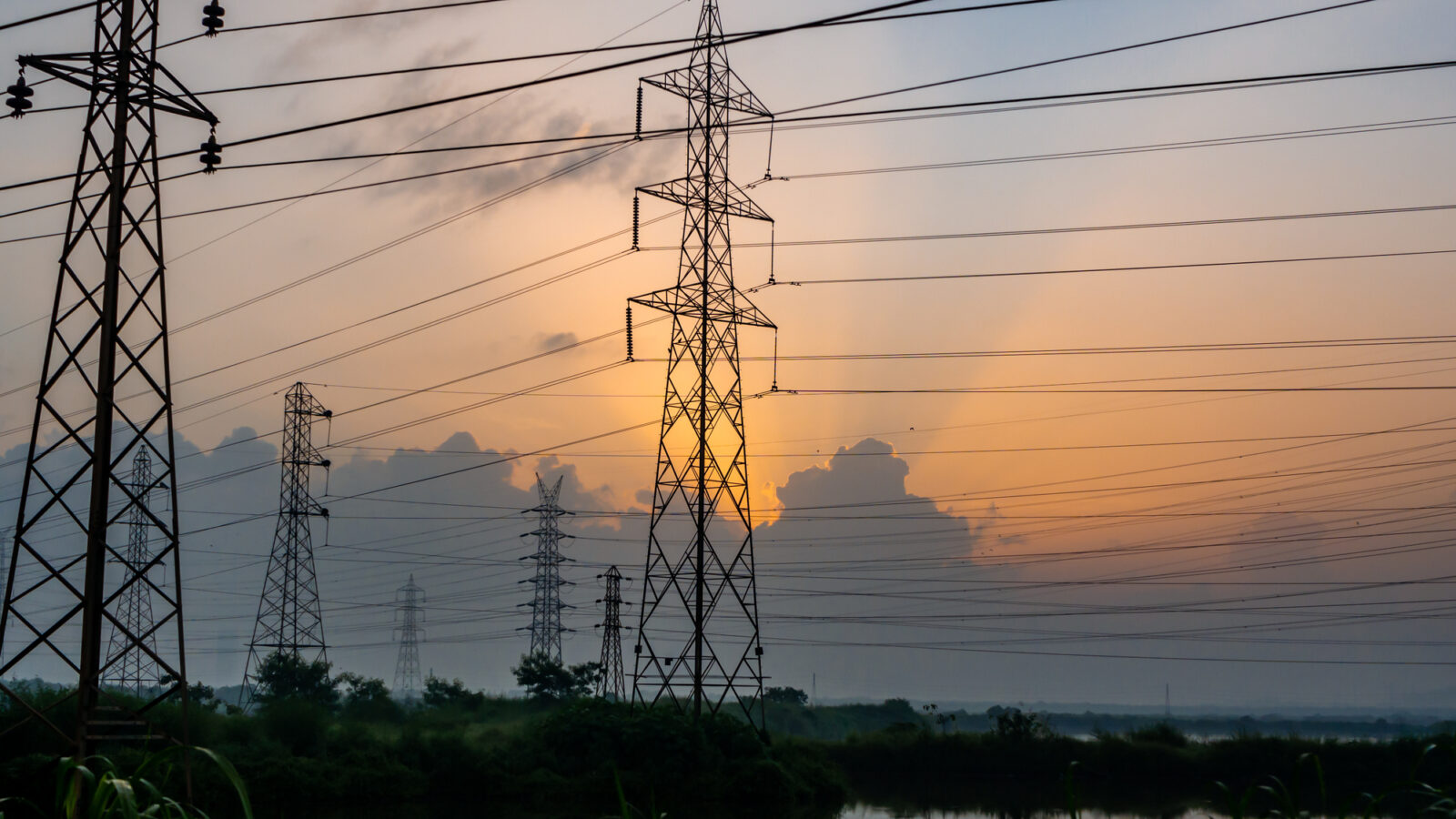
America needs more transmission capacity, and fast. New lines take several years to permit and build, but one of the quickest, cheapest sources of capacity is already strung across the country: the lines we have. A suite of solutions called advanced transmission technologies, or ATTs, can push far more power over today’s towers and wires. Yet the rules for planning and paying for the grid give utilities little reason to embrace them. The Bipartisan American Affordability and Jobs Act (BAAJA), a permitting reform bill recently introduced in the Senate, would change that status quo in three ways: writing ATTs into long-term grid planning, holding utilities accountable for considering them, and clearing duplicative reviews for upgrades on land that already hosts power lines.
The problem starts with how utilities make money. In most industries, a company that finds a cheaper way to serve customers adopts it quickly, because the savings help it stand out from competitors, earn a profit, or grow its market share. Regulated monopoly utilities work differently. Regulators let them recover the cost of what they build plus a set percentage return on that investment, so the more a project costs the more profit it generates. A new line can therefore earn a utility several times the profit of a cheaper upgrade. And because those costs are passed on to customers, households pay the difference on their bills.
Those cheaper upgrades would create significant savings. Advanced conductors, the wires themselves, can carry roughly twice the current of the older wires found on much of the grid, and they can often be strung on existing towers. This practice, called reconductoring, avoids buying, permitting, and building through new land altogether. A recent study showed that market-aligned reconductoring on Texas’s grid could avoid roughly 6,500 miles of new development and save ratepayers $20 billion through 2040. Unfortunately, transmission utilities do this for less than 1 percent of lines annually. Advanced conductors are just one of several ATTs that are systemically under-deployed, but positioned to deliver huge savings for America’s electricity customers.
The bill’s first fix would bring ATTs into long-term planning. Whenever a region plans long-haul transmission, on its own or jointly with a neighbor, it must consider advanced conductors and other ATTs that “maximize the transmission capabilities of existing” infrastructure and rights-of-way. This would be crucial direction from Congress that, before spending trillions on new lines, planners must make the most of the routes and towers already in place.
Long-term planning alone, however, doesn’t decide most of what gets built today, so the second fix would target the moment a utility asks the Federal Energy Regulatory Commission (FERC) to charge customers for a project. When that project is an ATT, the Commission will presume that investment to be prudent, so the utility can count on recovering its costs. But that presumption only helps if utilities weigh ATTs against conventional projects, and their methods for doing so have drawn criticism. The bill therefore requires utilities to routinely evaluate ATTs, file cost-benefit analyses with FERC, and face penalties for passing up upgrades whose benefits exceed their costs.
But the bill doesn’t stop at planning reforms, because today upgrading an existing right-of-way often doesn’t offer well-defined permitting benefits over cutting a new route. BAAJA exempts work that maintains or increases grid capacity along previously permitted corridors from the National Environmental Policy Act and the National Historic Preservation Act, while other environmental laws still apply. Land that already carries a power line should not be subjected to duplicative federal studies.
Together, these provisions would clear the way for ATTs at every stage of transmission development, from planning to cost recovery to permitting. Lawmakers who want a more affordable grid, new capacity sooner, room for innovation, or utilities held to real financial discipline will each find something to support. The promise is not just that America builds big things again, but that it makes the most of the grid it’s already paid for.


