
Since the White House announced its Ratepayer Protection Pledge earlier this year, people have repeatedly noted that it’s just that—a non-binding pledge to protect households from data center energy costs, not federal law. In June, Representative Gabe Evans (R-CO-8) introduced the Ratepayer Protection Act; this month, the House passed it by a resounding 417–3 vote. Protecting household pocketbooks is a compelling proposition. But the systems that deliver electricity from power plants to homes and businesses are built, regulated, and paid for in complicated ways.
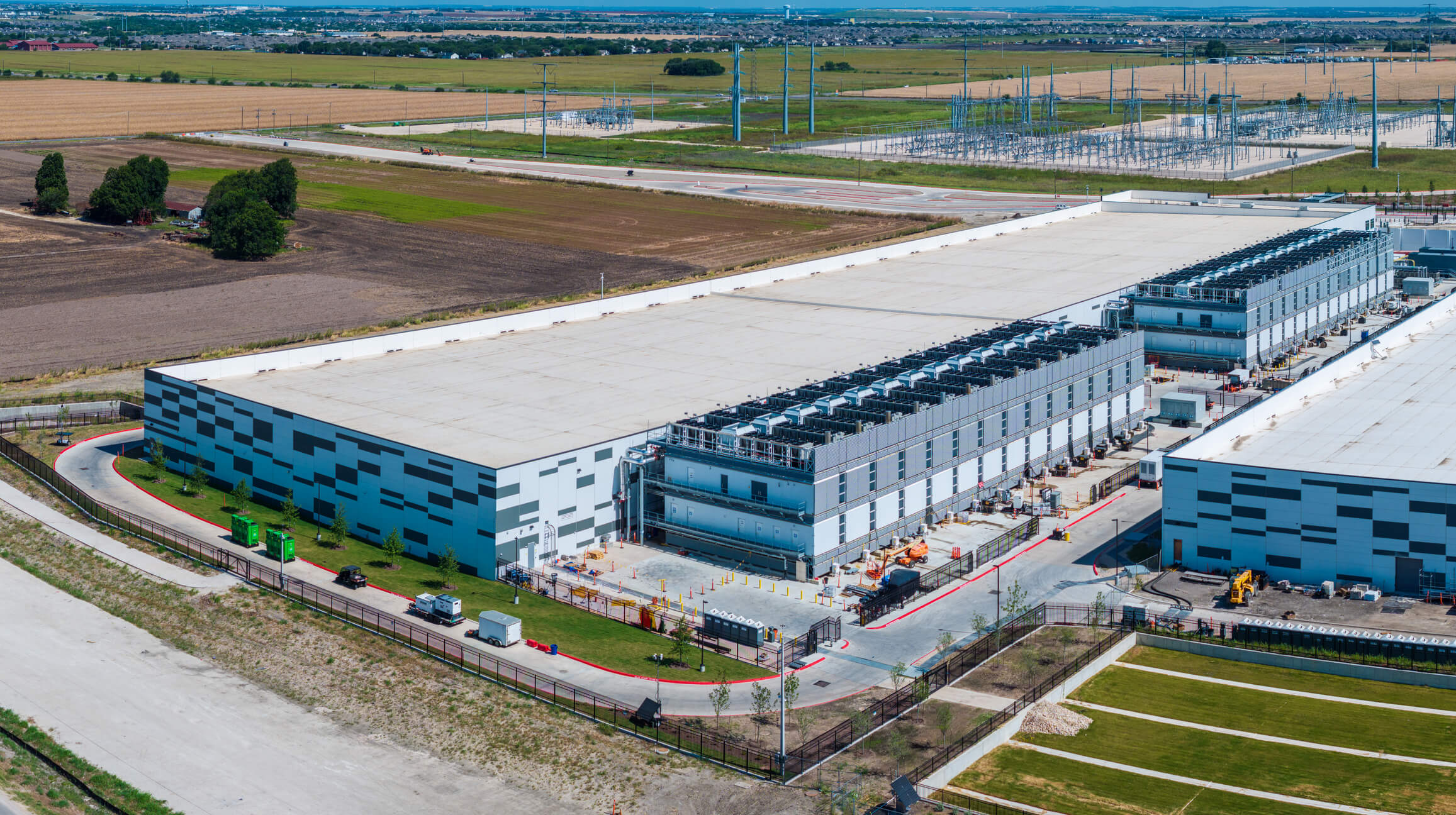
Looking under the hood, the Act embraces a sound principle but advances it in an incomplete way. Its central provision asks states to consider a standard under which data centers drawing at least 100 megawatts would cover the full additional cost of generation, transmission, and distribution upgrades required to serve them. Utilities would also require financial assurances before undertaking those upgrades. These “large-load tariffs” set the rules for what costs large new customers must cover with their utility.
But the operative word in the legislation is consider, and this is the result of how the laws for state governance of electricity are written. States cannot be forced to adopt a federal standard, only to consider one. There are good reasons for state regulators’ independence, though it does create limitations when Congress wants to impose utility bill protections.
While that distinction matters, most states haven’t been waiting on Congress anyway. As of July 2026, utilities and regulators had proposed or approved 104 large-load tariffs and service rules across 37 states. This bill may produce more state regulatory dockets, but it largely follows a trend already underway across most of the country.
>>>READ: Breaking Battery Barriers
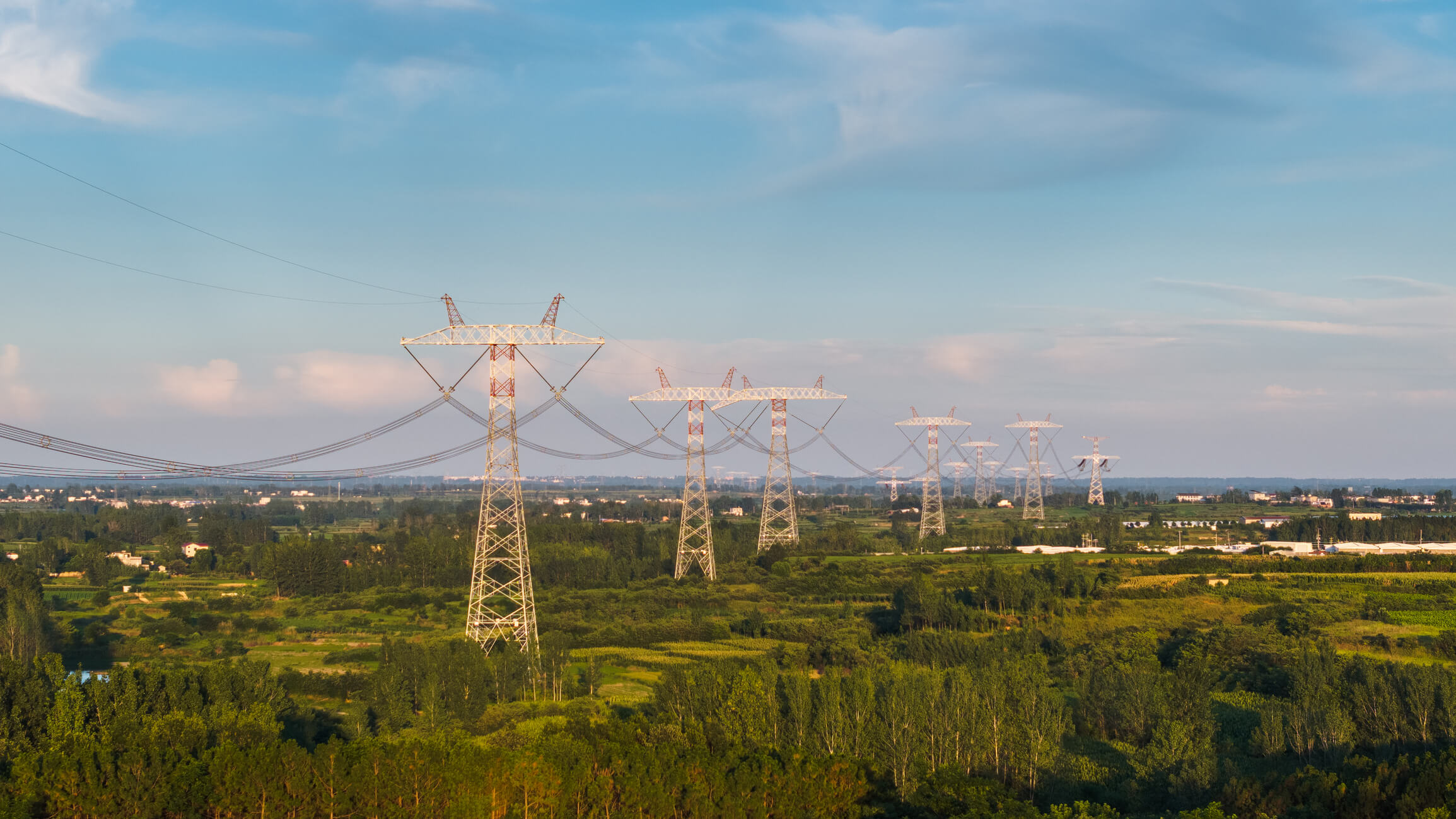
States also control just part of the costs that land on residential electricity bills. State commissions oversee retail electricity rates, which reflect the costs of generating electricity and delivering it to homes. The Federal Energy Regulatory Commission (FERC) governs another part of the ledger. FERC oversees interstate transmission rates and the rules regional grid operators use to connect new facilities to the high-voltage system. The costs associated with this portion of power service have risen in recent years faster than other bill components.
FERC is already confronting its part of the problem. In June, the Commission opened proceedings with its regional grid operators requiring them to explain or revise their rules for how large customers connect to and pay for use of the bulk power system. Those proceedings are sure to involve difficult questions about studying new facilities, selecting the most cost-effective grid solutions, and keeping the resulting costs from shifting to other customers.
Those proceedings expose a core weakness in the House bill. A state commission can establish a thoughtful rate for large customers and still lack authority over federally regulated transmission charges. Conversely, FERC cannot set the rates and contracts between utilities and their retail customers. Ratepayer protection straddles a federal-state divide.
A data center does not impose a single cost, charged once, governed by a central regulator. Its power demand can affect the need for not just power plants and local line upgrades, but also additions on the high-voltage system. A comprehensive ratepayer-protection bill must account for both sides of this jurisdictional divide.
The GRID Savings Act, introduced by Senator Martin Heinrich (D-NM), contemplates giving greater direction to federal regulators on this problem: assigning grid costs directly, allowing data centers to build and pay for grid facilities themselves, and permitting them to voluntarily finance regional grid expansion. But difficult questions still remain. How should planners distinguish upgrades needed for a specific data center from investments that benefit the wider region? What rules prevent data centers from damaging reliability when they rapidly connect or disconnect? And if a data center is bringing its own generation, how do we enforce coordination between the two if either trips offline?
>>>READ: More Current, Less Cost: Why Advanced Conductors are an Overlooked Grid Capacity Tool
Congress need not settle every technical question in one bill. But serious reform must account for both the federal and state roles, alongside work that is already underway at FERC and state commissions.
The 417–3 House vote demonstrates broad agreement that households should not subsidize the infrastructure required by large new customers. The Ratepayer Protection Act gives that consensus a useful starting point by directing states to consider standards that would assign those costs to the customers that cause them. But state action is only part of the picture. Congress should build on this momentum with legislation that addresses the full range of costs that land on consumer energy bills, ensuring the Ratepayer Protection Act lives up to its name.