Virtually everything in modern society runs on energy. It is, therefore, no surprise that the United States needs infrastructure projects capable of delivering more energy, whether in the form of gasoline, diesel fuel, electricity, or something else.
But as Americans are learning this year, we cannot simply open a new refinery, pipeline, or power plant every time prices jump. It takes years to plan, site, permit, and construct this infrastructure. These facilities also require a huge up-front investment; it takes billions to build a refinery or power plant.
The long lead time is a problem, since there can never be any certainty about what future prices will be in any given month. While the price of West Texas Intermediate crude oil hovers around $100 per barrel these days, investors remember that in 2020 it plunged into negative territory as sellers paid buyers to take it off their hands. Electricity rates are increasing but had been relatively stable for years until around 2022.
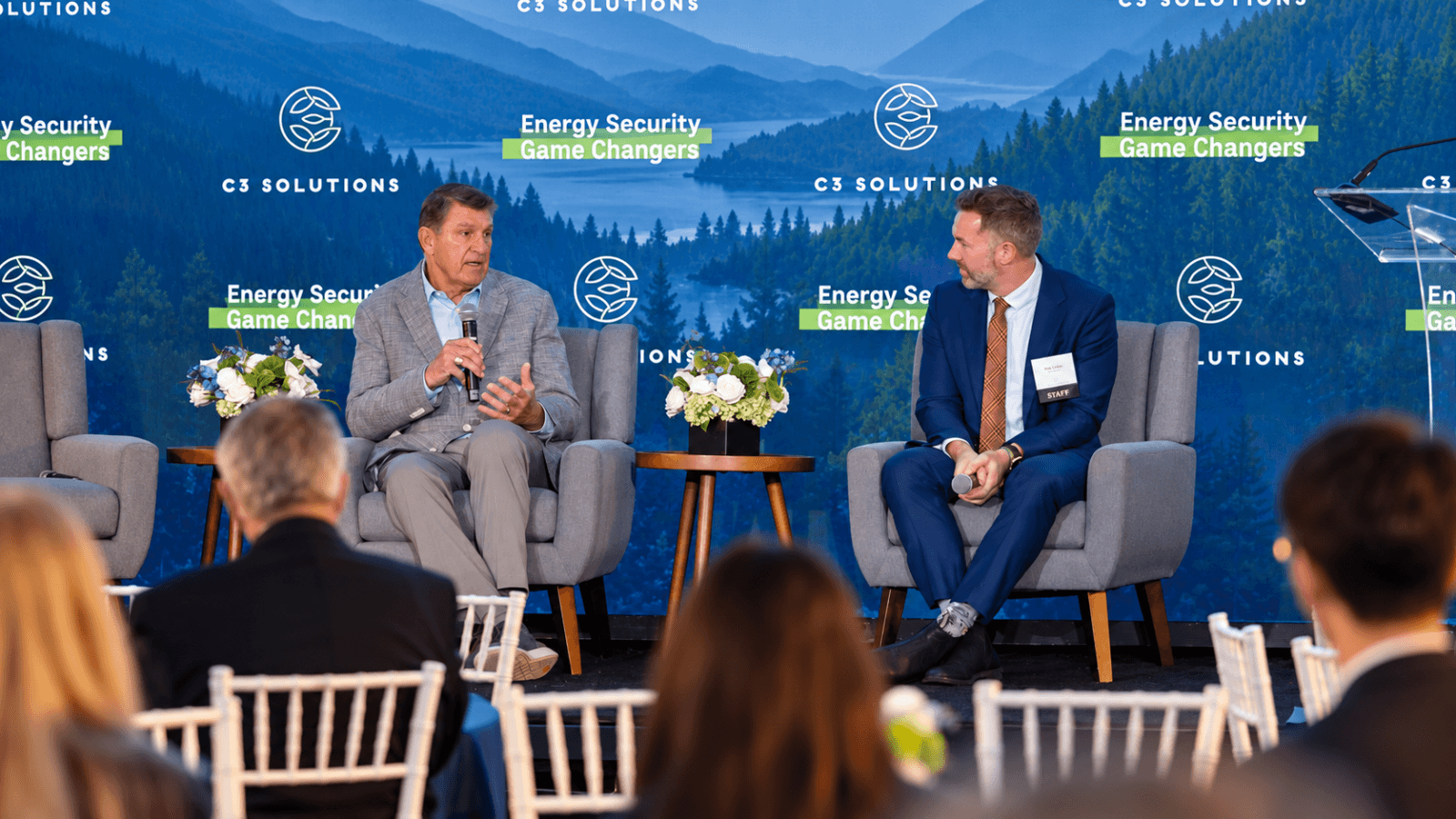
Future energy prices will always be unpredictable, but our need for energy will always be undeniable. So, if we want to encourage entrepreneurs to build more infrastructure, government policy needs to provide certainty where it can: specifically, in regulation and oversight. “Businesses need regulatory certainty before they will begin major projects,” former Sen. Joe Manchin of West Virginia said last month as he kicked off C3 Solutions’ Second Annual American Leadership Energy Summit.
Manchin, who spent 15 years in the Senate, warned that the breakdown in the legislative process is endangering American energy security. “We’re governing on executive orders,” he said, noting that this means federal policy can change each time the presidency changes hands. Meanwhile, “the legislative branch is not functioning.”
Manchin is an independent these days but spent his career in public office as a high-profile Democrat. “If the Democrats get the Senate and the House in next month’s elections, they think they’ll have the upper hand,” he told the conference. But Manchin warned that instead of going after the president, they should focus on passing permitting reforms—specifically, reforming the judicial-review process and modernizing laws such as the National Environmental Policy Act, which often stalls or obstructs new infrastructure projects.
“Permitting reform needs to happen more than anything else,” Manchin noted. Indeed, such reform is the best way for the federal government to provide certainty for potential investors. Government should establish clear regulations and maintain them over time, providing investors with predictability and confidence.
It was good news then that, in its final action before the Nov. 3 election, two Senate committees introduced the Bipartisan American Affordability and Jobs Act (BAAJA). The bill is an attempt to streamline the regulatory process and make it easier to build the infrastructure we need. Lawmakers in both houses are expected to return for a lame-duck session after the elections, and they should work to pass this measure then.
That would help the American economy and the world at large. “Markets are global,” Randolph Bell of the Japanese-owned company JERA Americas Inc., told the C3 conference. “What happens in Louisiana and Texas affects our ability to provide power in Japan.” Those international investors need to know that their money can safely be spent in the U.S. on projects that will deliver power to people and financial returns to themselves.
It also explains why a ban on the export of diesel fuel could backfire. “The blunt tool of banning diesel exports definitely doesn’t work,” Energy Secretary Chris Wright said last month. “If you can’t export the diesel that comes out of our refineries, you run out of places to store it, and you have to reduce U.S. refining, which would put upward pressure on gasoline prices and jet fuel prices.”
Good energy policy will require cooperation and a long-term view. That’s how our grandparents’ generation built an electric grid that still powers our busy lives, and it’s how we’ll leave a better world for our own children and grandchildren.