
Infrastructure
The Senate’s Grid Reforms Get More Right Than Wrong
The latest version of the bipartisan permitting bill is a vast improvement over the status quo for electricity regulation.

Policy Analyst · C3 Solutions
Dylan Maxik is a policy analyst at C3 Solutions. His research focuses on electricity markets, advanced generation and grid technologies, and permitting reform, examining how competition and innovation can improve energy systems.
Infrastructure
The latest version of the bipartisan permitting bill is a vast improvement over the status quo for electricity regulation.
Infrastructure
As Americans see their electricity bills rise, utilities are spending record sums on the grid while building fewer of the long-distance lines it needs. Investor-owned utilities are on…

Infrastructure
This is the second piece in a series on BAAJA's transmission title.
Energy
Many energy technologies that could prove transformative over the coming decades begin as ideas or testing too uncertain for private investment. The Advanced Research Projects Agency-Energy (ARPA-E) was…
Energy
This is the first article in a series by Dylan Maxik on the Bipartisan American Affordability and Jobs Act's transmission title.

Energy
Since the White House announced its Ratepayer Protection Pledge earlier this year, people have repeatedly noted that it’s just that—a non-binding pledge to protect households from data center…
Energy
The scale of power requested by data centers joining the grid is straining how utilities have historically connected large customers. When a customer needs vast, uninterrupted power, major system upgrades often follow and those upgrades should be paid for by data centers to the extent they cause them. That's the premise behind the White House's Ratepayer Protection Pledge: data center energy costs shouldn't slide onto household bills. But holding utilities and hyperscalers to that promise is proving harder than it sounds. A recently-filed data center transmission service agreement shows how, when sound ratemaking principles are overlooked, the true costs imposed by data centers become hard to identify and harder to properly bill.

Energy
To unlock affordable grid capacity, policymakers should require utilities to consider the best-available line technologies by default, while utilities themselves modernize planning to reinforce their affordability commitment to customers.

Energy
The Department of Energy’s recent National Transmission Needs Study identifies several of these cases, where regions’ electricity costs would decline substantially if they were connected by a high-capacity transmission line. Providing these benefits to consumers, however, requires confronting not just the incentives that discourage utilities from building interregional lines, but the state laws that let incumbent monopolies control who builds them.
Energy
Building more is no substitute for building smarter. At times, this has been a challenge for America's energy infrastructure, particularly transmission. It is evident that the U.S. needs more transmission, but which transmission lines it builds matters for protecting ratepayers and keeping costs in check. An overwhelming number of House Members just reaffirmed this guiding principle for how America should approach the development of electric transmission.
Energy
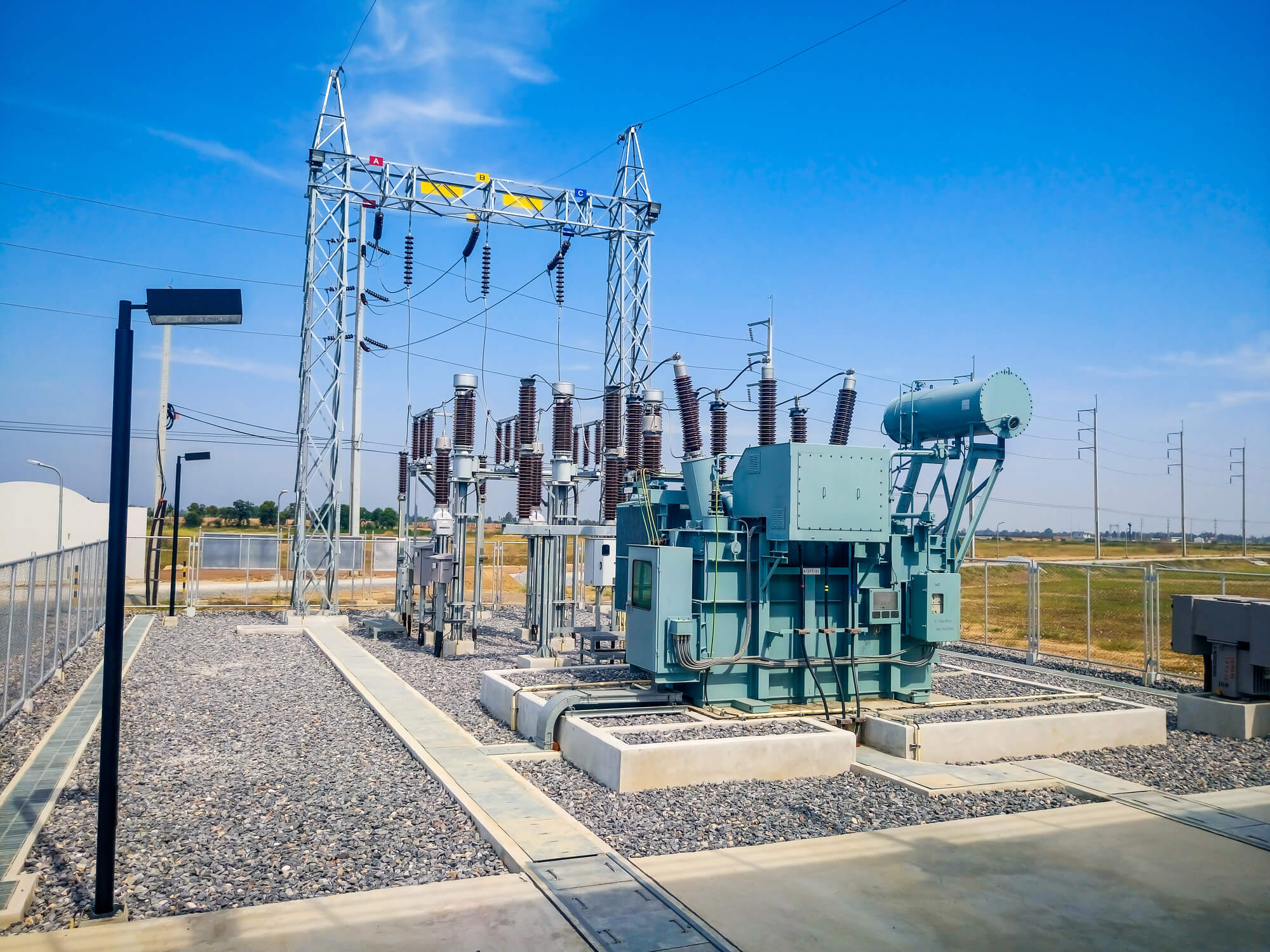
Many American power plants are stuck in a dysfunctional express lane. Energy Resource Interconnection Service, or ERIS was created to give generating facilities a faster, leaner way to connect to the grid without waiting in the main queue. Instead, in many markets, ERIS today places fast-trackers on the same slow schedule as projects in the main line. When new, highly competitive generation cannot be connected to the grid in a timely way, a key affordability and efficiency opportunity is left on the table.
Energy
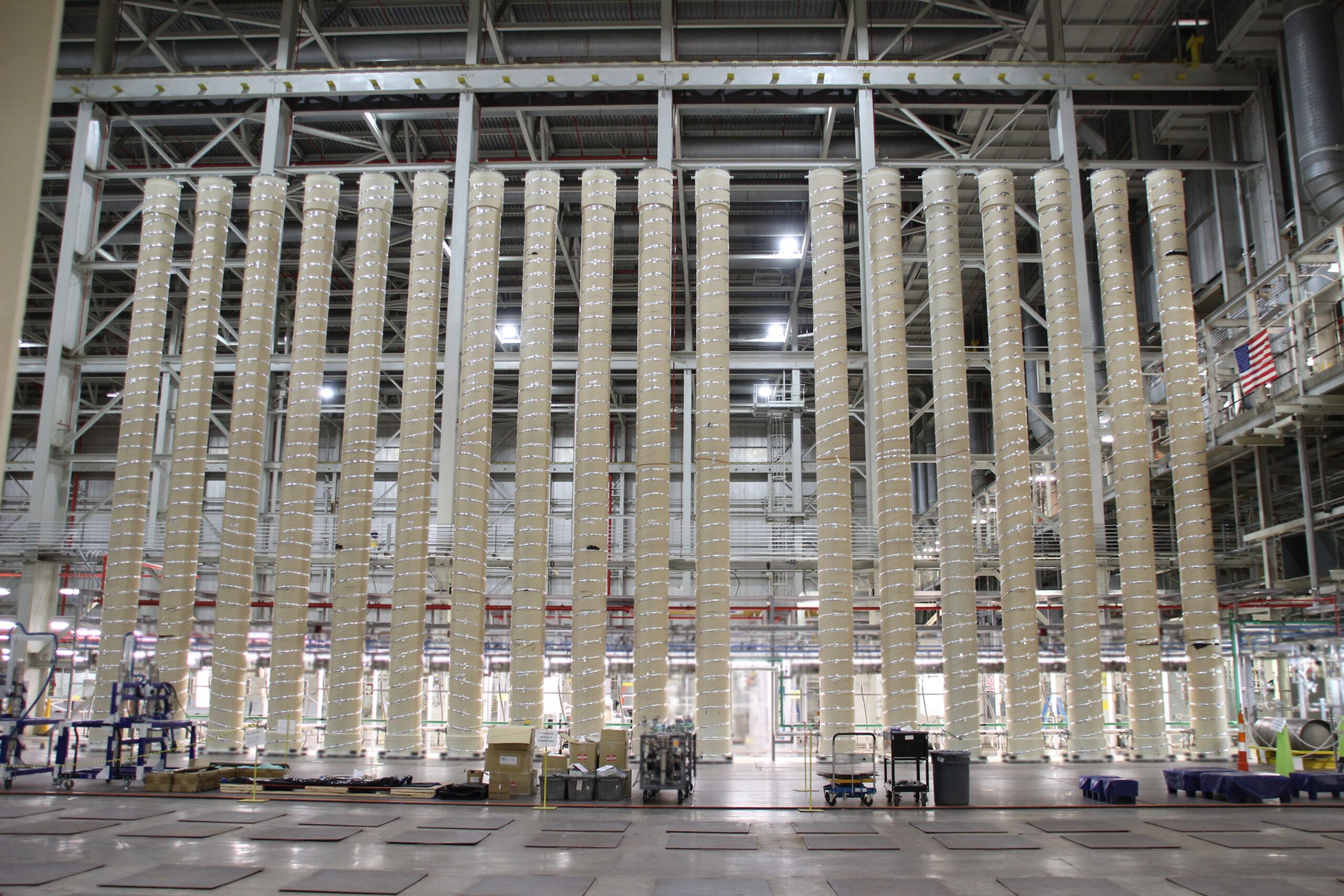
America is betting on a nuclear comeback, driven by a new generation of advanced reactors with lower capital costs and significant potential for economies of scale. Many of these reactors, however, require specialized fuel that has led the government to pour billions into a domestic supply chain. To ensure these investments pay off, federal officials should proactively eliminate artificial procurement barriers and permitting hurdles which threaten to stall nuclear fuel independence.