The endangered species list is long—including more than 1,600 species in total. Each year, roughly $1.2 billion is spent to protect the species listed under the Endangered Species Act. Yet once species are added to the list, they almost never come off. In the more than 50 years since the act was enacted, only about 3 percent of the species listed have recovered and been removed from the list.
Fortunately, there is a new effort to fix that problem. On September 30th, Senators Adam Schiff (D-Calif.) and Pete Ricketts (R-Neb.) introduced the Improving Species Recovery Act, which would establish clearer standards for measuring species recovery and offer regulatory relief as populations improve. The legislation would also encourage voluntary conservation efforts by states and private landowners, giving them a stronger incentive to help species recover.
That approach makes sense. After all, the people on the ground have the most at stake in the status of conservation efforts and are also the most affected by the law’s regulations—some of which can remain in place long after wildlife populations have rebounded. The Endangered Species Act should protect species when they need protection, but it should also offer a clear path toward reducing federal regulations and delisting species as they recover.
The vast majority of species listed under the Endangered Species Act have avoided extinction. On that, we can be thankful. But the goal of the act isn’t just to prevent species from disappearing but also to help them recover to the point that they no longer need federal protection. But too often, removing a species from the endangered species list is a long, complex, and expensive process, even after a species has significantly recovered.
Consider two species that have met or exceeded many of their population goals but remain on the endangered species list today: grizzly bears and gray wolves. In both cases, the species’ populations have rebounded dramatically, but efforts to remove federal protections have encountered legal and regulatory obstacles.
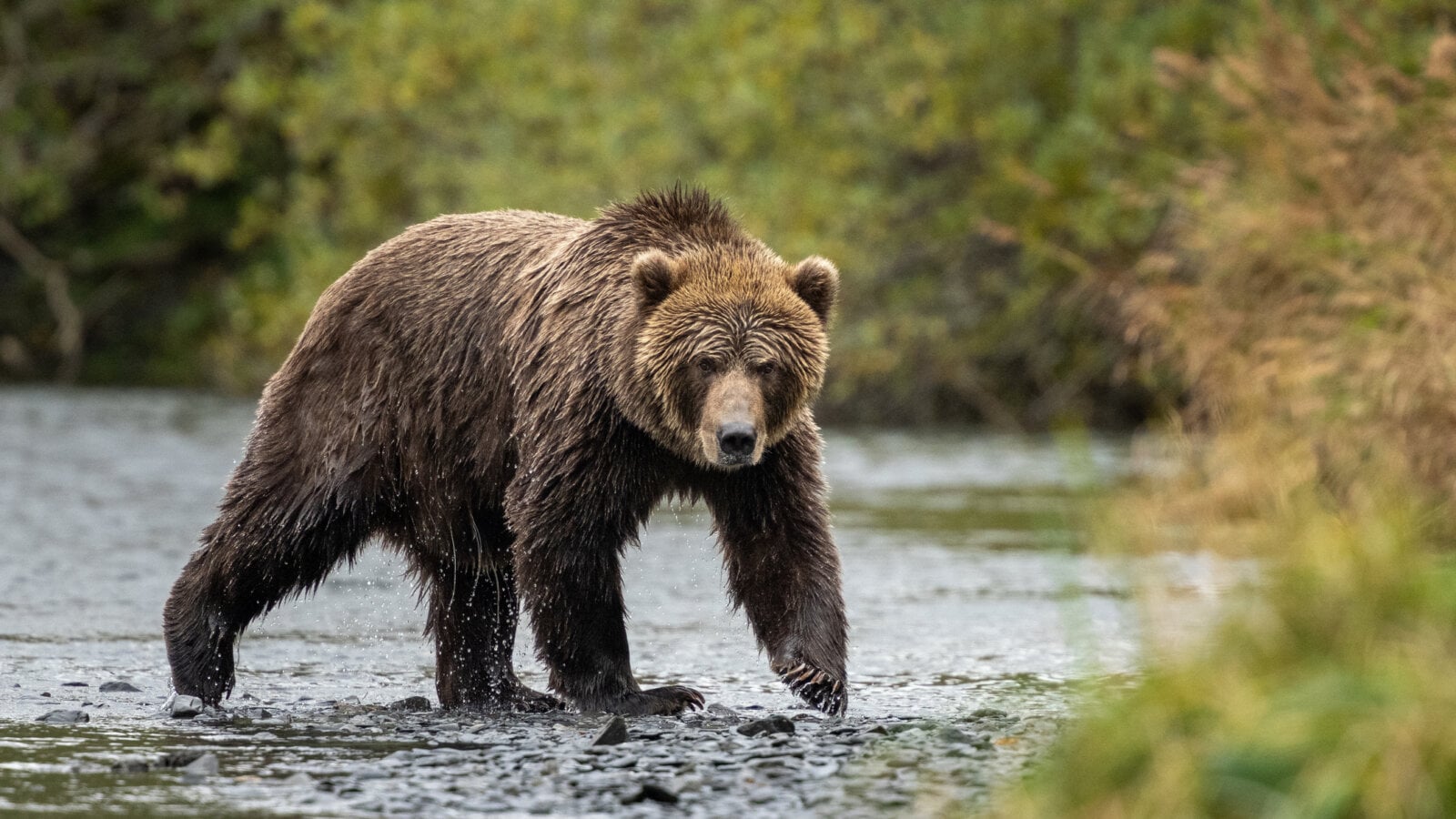
Despite significant recovery, attempts to delist the grizzly bear have repeatedly been blocked by litigation. In the Greater Yellowstone Ecosystem, grizzly populations have grown from as few as 136 bears in 1975 to more than 1,000 today. The U.S. Fish and Wildlife Service concluded in 2017 that the population had recovered and removed federal protections, but a federal court overturned that decision. Grizzlies in the Northern Continental Divide Ecosystem have also exceeded recovery benchmarks, but efforts to delist them have been unsuccessful.

Grizzly bears’ occupied range nearly tripled from 1990 to 2022 in the Greater Yellowstone Ecosystem, spreading well beyond the federal recovery zone. Source: Interagency Grizzly Bear Study Team/USGS; animation by J.A. Dellinger, Wyoming Game and Fish Department.
This July, U.S. Interior Secretary Doug Burgum announced a proposed rule that would give state wildlife agencies more independence in managing grizzly bears. Under the rule, the bears would remain federally listed, but states and tribes would have greater flexibility to manage the species in areas where its populations have met recovery goals. The rule would be a step in the right direction, but it falls short of actually removing the bears from the endangered species list.
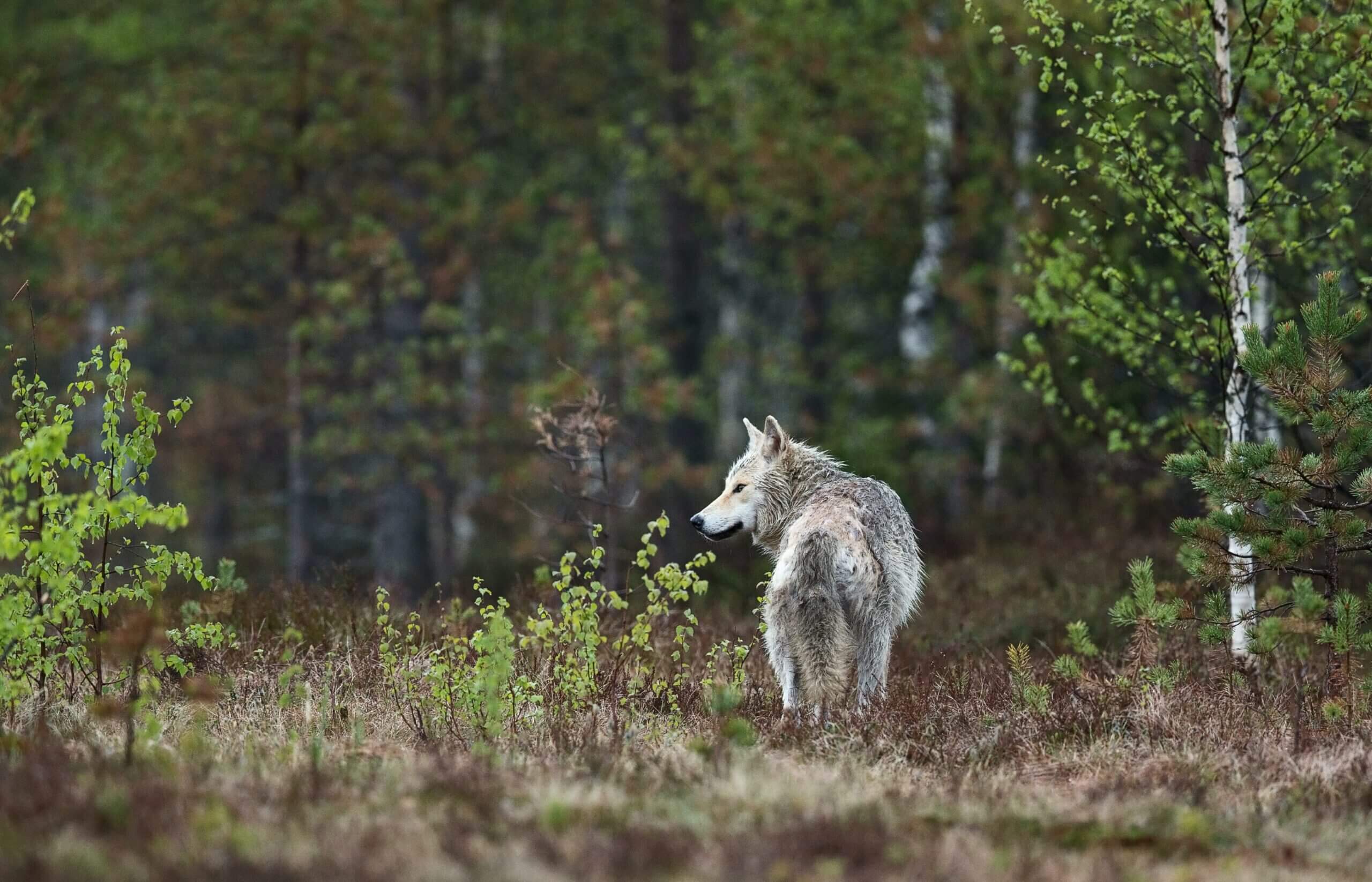
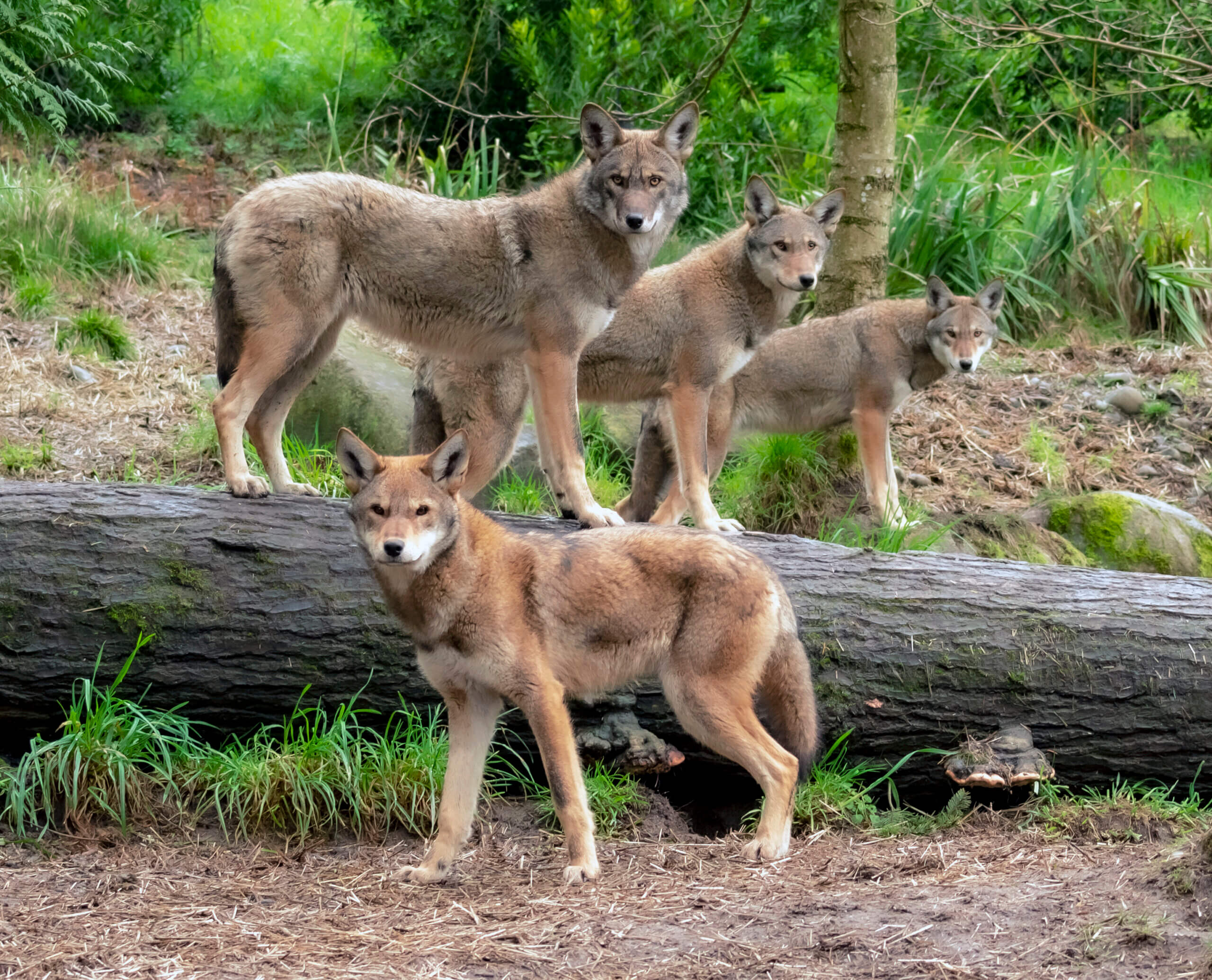
Gray wolves have followed a similarly rocky path. Attempts to delist wolves in parts of the country date back more than two decades. Wolf populations in the Great Lakes region and Northern Rockies have increased dramatically, but legal battles have frustrated attempts to delist the species in several regions. In 2020, the U.S. Fish and Wildlife Service removed gray wolves from the endangered species list across most of the lower 48 states, concluding that the species had recovered. A federal court overturned the decision in 2022. (Wolves in the Northern Rockies are now largely under state management, but wolves in the Great Lakes and elsewhere remain federally protected.)
Livestock losses and restrictions on predator management have fueled resentment in rural communities that live and work alongside the animals. This can undermine support for conservation. In August, ranchers urged the Senate to pass legislation to require gray wolves to lose federal protection.
The Trump administration has sought another way to address the problem. In September, President Trump signed an executive order directing the Interior Department to determine within 90 days whether gray wolves and Mexican wolves have met criteria for delisting or downlisting. If so, the order directs the department to once again try to change their status.
These efforts show the need for broader reform. When recovered species remain listed long after their populations have functionally recovered, states and rural communities lose trust in the system.
The Improving Species Recovery Act offers a better solution. The bill would make recovery a more explicit part of how the Endangered Species Act operates. Congress wouldn’t have to pass species-specific legislation to delist recovered species, and federal agencies wouldn’t have to search for workarounds to existing restrictions. The law would establish measurable conservation milestones so that states and landowners have a better understanding of what progress looks like. Reaching those milestones would provide regulatory relief and, ultimately, a clearer path to delisting.
The gray wolf and grizzly bear are conservation comeback stories. They should be celebrated. The Improving Species Recovery Act would help make more recoveries like these possible. When species have recovered, the law should recognize that success and provide a path to delisting. That’s good for wildlife and for the people who help protect it.