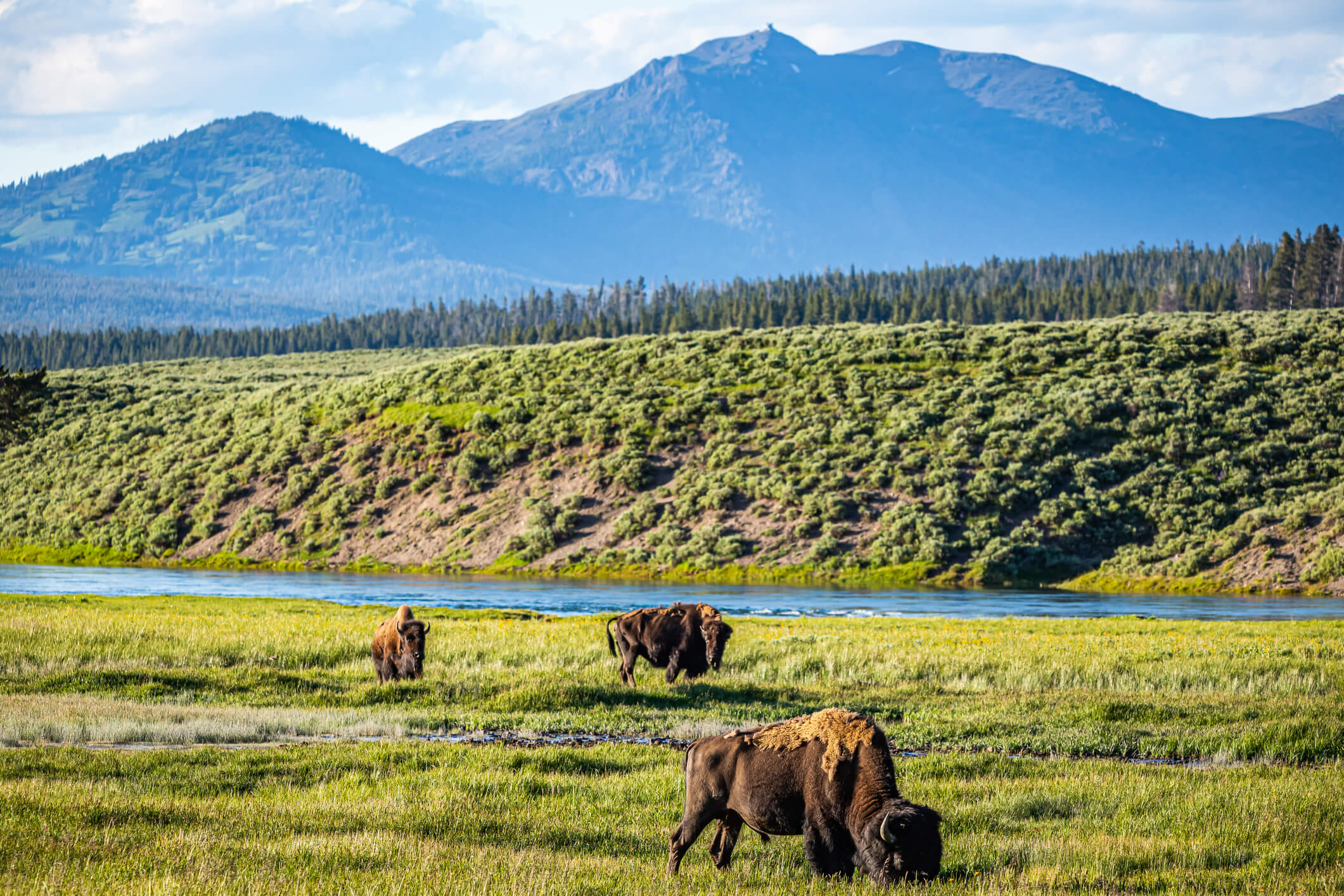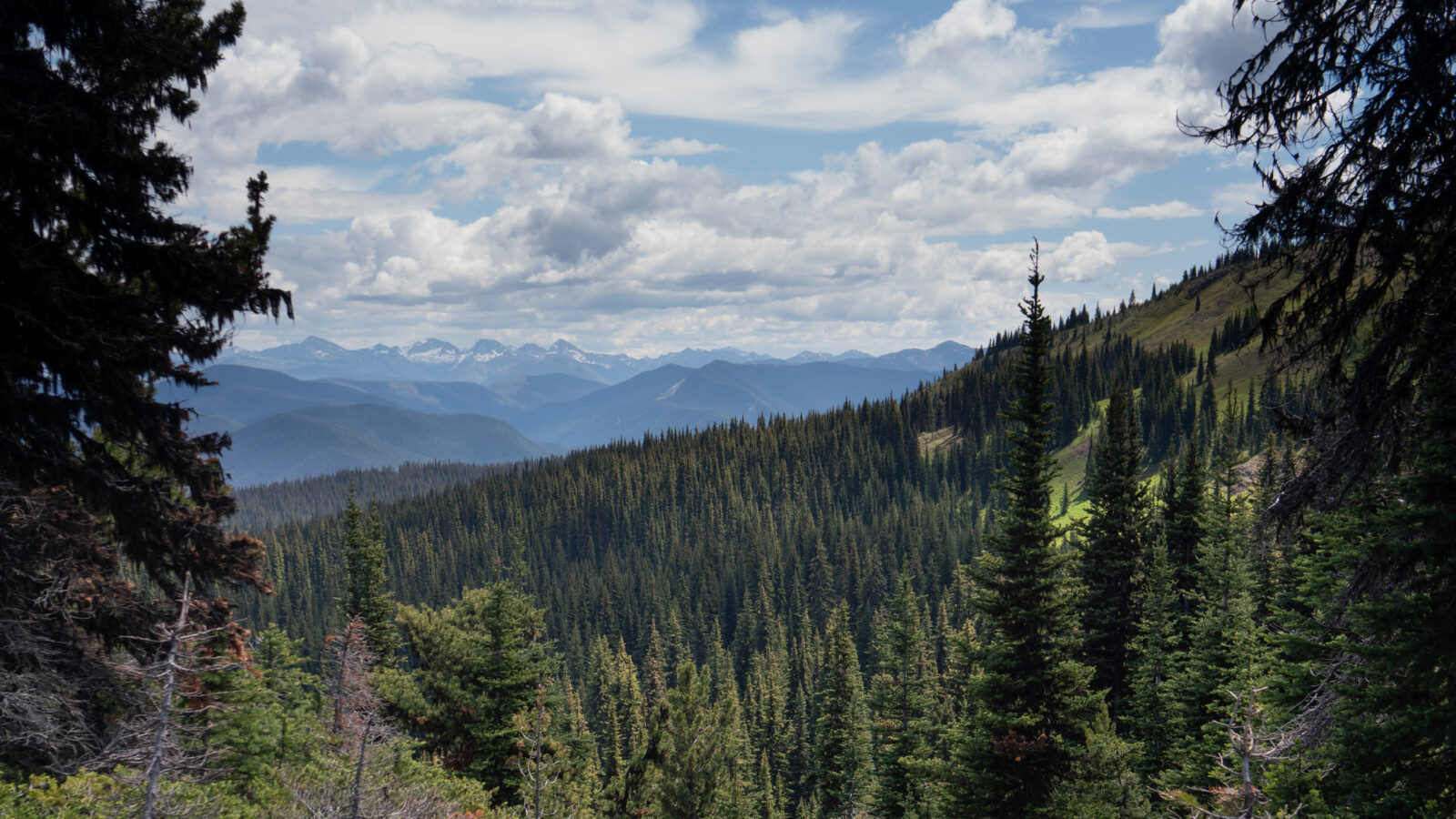
For 25 years, a federal rule has restricted road construction across tens of millions of acres of national forest land in the western United States. The lands in question are not wilderness areas, which already prohibit roads and motorized use on roughly 36 million acres of U.S. Forest Service land. Instead, the Roadless Area Conservation Rule, or “Roadless Rule,” imposes a blanket restriction on roads across another 45 million acres of national forests—lands that are otherwise supposed to be managed for multiple uses.
In August, the Trump administration proposed repealing the Roadless Rule. The proposal was met with opposition from some who claim it would leave these lands unprotected and vulnerable to development. But repealing the rule won’t do what many of these opponents claim. Instead, decisions about roads would simply return to the local forest-planning process that determines how most national forest lands are managed. At a time when many western forests need more active management to restore forest health and reduce wildfire risks, local forest managers should have flexibility to decide where roads should go and where they should not, rather than relying on a blanket rule from Washington.
Issued during the final days of the Clinton administration, the Roadless Rule prohibits road construction and timber harvesting inside “inventoried roadless areas,” with only narrow exceptions. It functions as a blanket rule that overrides the local forest plans that typically determine how national forest lands are managed. Unlike wilderness areas, which Congress designates through legislation, inventoried roadless areas are multiple-use lands but are subject to additional regulatory restrictions.
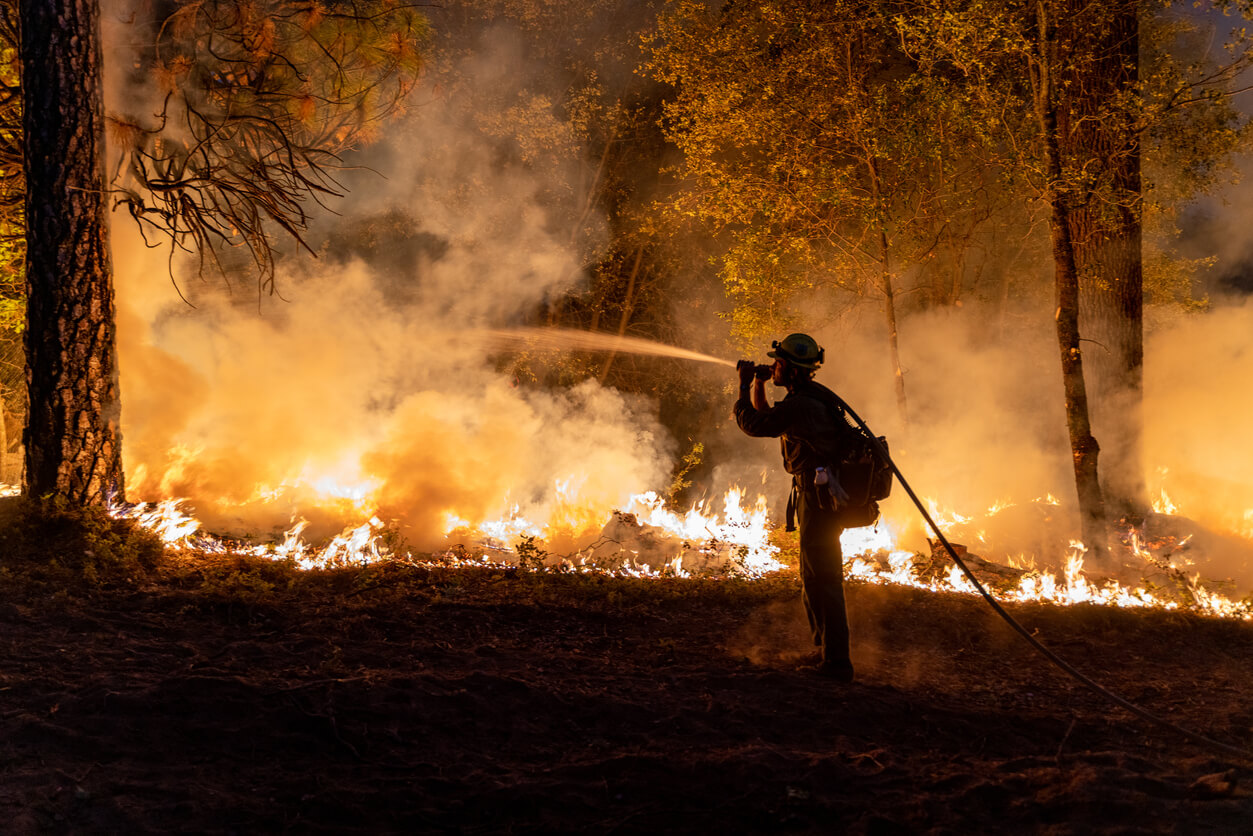
Those restrictions have become a topic of debate in recent years as policymakers from both parties have emphasized the need for more active forest management. The Biden administration’s “Wildfire Crisis Strategy,” for example, called for treating 20 million additional acres over the next decade to reduce wildfire risks and restore healthier forests. That work, which continues under the Trump administration, often requires building new roads.
Opponents of repealing the Roadless Rule argue that it would open large areas to rampant logging and development. But rescinding the rule would not remove the underlying forest-planning system that determines where roads are built, nor would it automatically approve a single new road. The Forest Service’s proposal makes this explicit, noting that repeal “does not authorize any specific ground-disturbing projects.” Existing forest plans would continue to apply, and any future road or timber project would still have to comply with the local forest plan and undergo environmental review.
Repealing the rule would not result in a road-building free-for-all. Existing forest plans already restrict permanent road construction on more than half of the acreage that would be affected by the repeal. Those restrictions would remain in place unless the Forest Service amended or revised the local forest plan, which would require its own public planning and environmental-review processes.
Even in areas where forest plans allow roads, repealing the Roadless Rule wouldn’t immediately authorize building them. New roads or timber projects would still have to be proposed and evaluated under the National Environmental Policy Act and other federal laws such as the National Forest Management Act.
Scrapping the Roadless Rule, in other words, would not mean scrapping all roadless-area conservation; rather, it would give local officials more discretion within the existing forest-planning system. Local managers would have greater flexibility to propose new roads, but hardly a blank check.
There are good reasons to restore that discretion. Across much of the West, decades of fire suppression and management restrictions have allowed unnaturally dense fuel loads to accumulate, fueling ever-more severe wildfires. Forest managers are increasingly using mechanical thinning, prescribed burning, and, in some cases, commercial timber harvests to remove dense fuels and restore more resilient forest conditions.
Such work sometimes requires more road access. Repealing the Roadless Rule could enable active forest management on nearly 5 million additional acres, according to the Forest Service. The agency also estimates that 9.8 million acres of roadless areas overlap the wildland-urban interface, where wildfires threaten communities and infrastructure.
This doesn’t mean more roads are always better. Roads can fragment wildlife habitat, degrade watersheds, and are costly to maintain. Their effects vary with location and circumstance. But that is exactly why a blanket prohibition makes little sense. Local forest managers are better positioned to determine whether a road’s benefits outweigh its costs than a rigid rule from Washington.
Moreover, states that want stricter roadless protections will still have options. Years ago, Idaho and Colorado developed their own state-specific roadless rules that balance roadless conservation with the needs of each state. Both states’ roadless rules will remain intact under the Trump administration’s proposal. The administration has also indicated that it is open to similar petitions for roadless rules “tailored to specific geographic or resource conditions.” As Isaiah Menning of the Foundation for American Innovation has argued, such state-specific rules could offer a durable middle ground without locking the entire country into a single roadless management policy.
Roadless areas offer important benefits. But protecting those benefits does not require a one-size-fits-all policy. Repealing the Roadless Rule won’t pave over western forests, but it will give forest managers more flexibility to propose new roads where they are most needed. Today’s forest-management challenges require that kind of flexibility, not a blanket ban from Washington.