Conservation
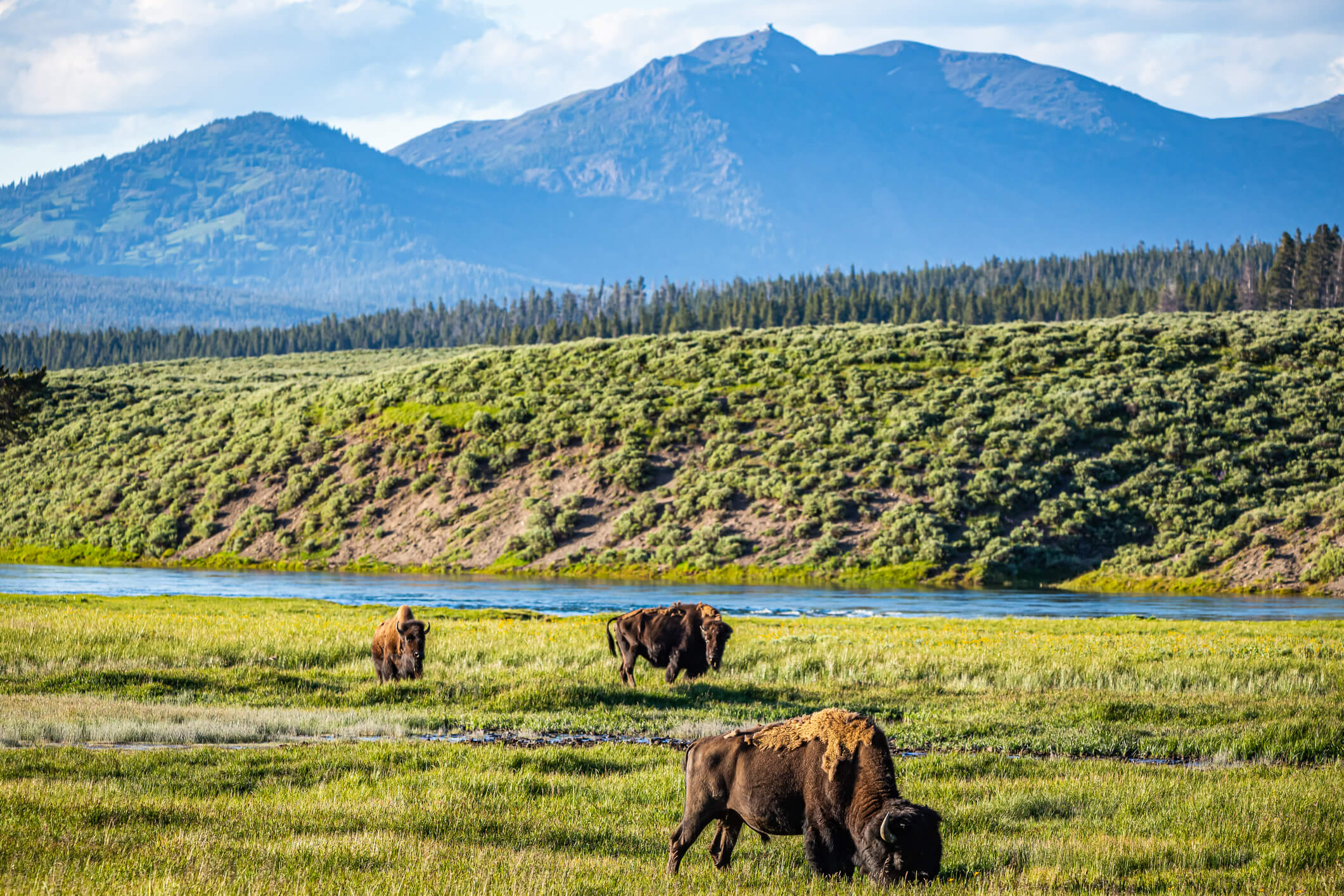
In the 154 years since, the world has followed America’s lead, establishing national parks in over 100 countries. The United States now has 63 federally protected national parks, and hundreds of other National Park Service sites including battlefields, trails, seashores, and rivers. Often called “America’s best idea”, all play an incredible role in the preservation of some of the country’s most treasured landscapes.
By Cecilia Fassett4 min readJune 17, 2026
→
Conservation
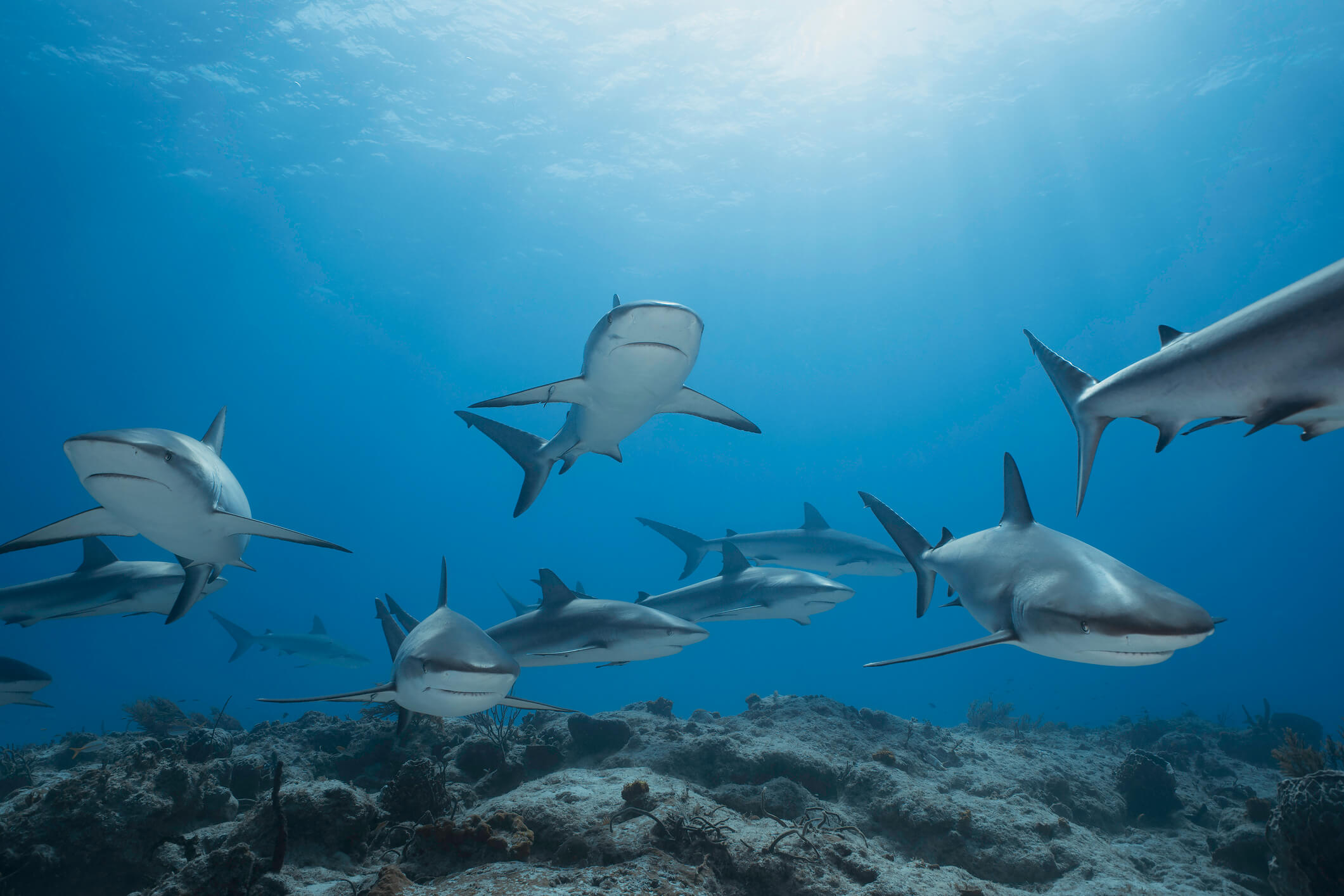
Conservation science has long defined itself as a crisis-solution field, rooted in problem-solving. Yet for years it has been better at identifying species and regions at risk than at delivering solutions to help them. Identifying this key downfall, Conservation X Labs has risen to the occasion. A non-profit focused on slowing biodiversity loss, it promotes innovation and the development of cutting-edge technology to tackle conservation challenges.
By Ann Joseph3 min readJune 10, 2026
→
Conservation
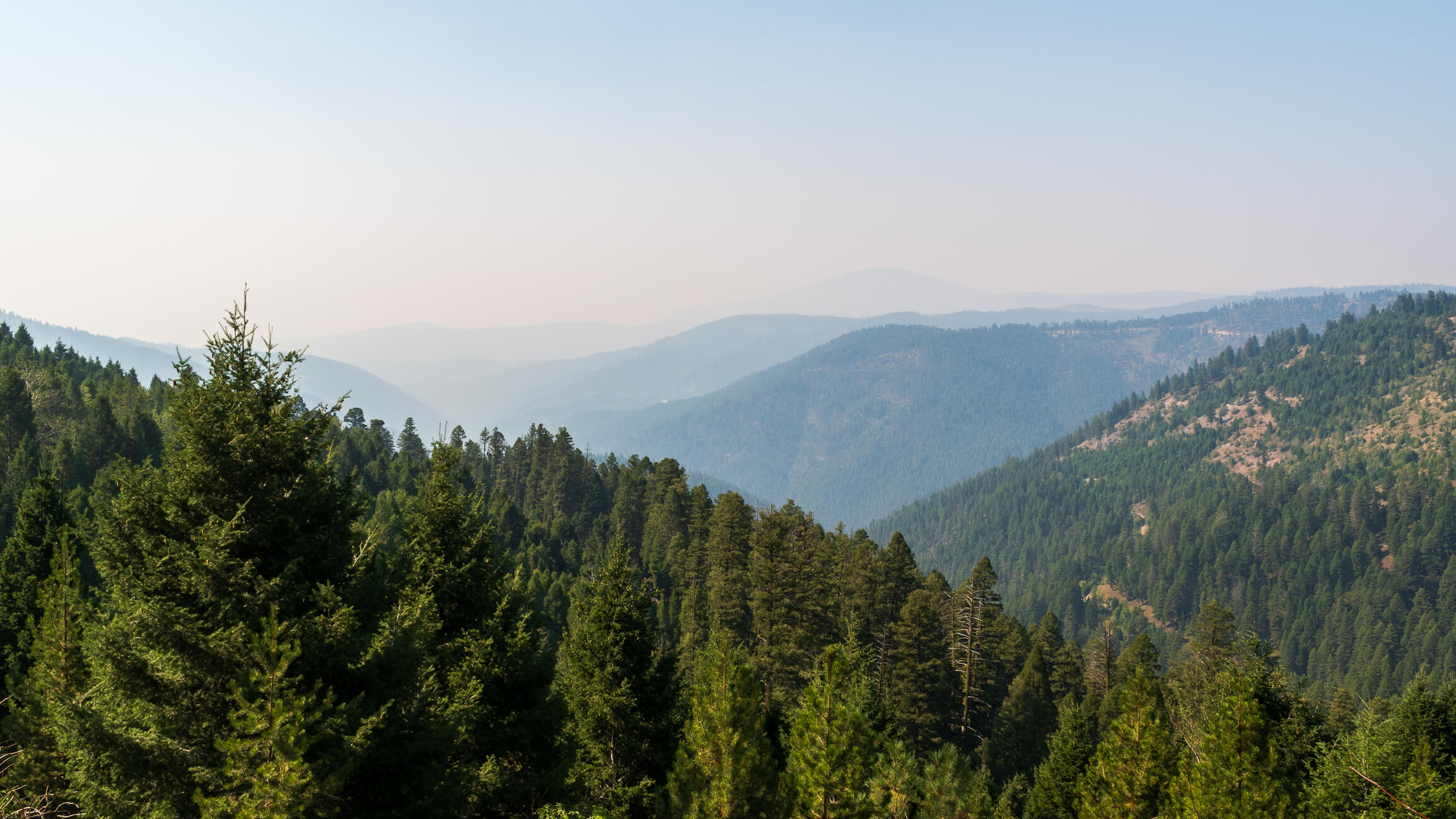
When wildfires are treated as a temporary, seasonal disruption rather than a continual, chronic risk, the default policy response is suppression. But a new analysis from PERC shows just how much that’s costing us.
By Cecilia Fassett4 min readMay 14, 2026
→
Conservation
In a recent ruling, the Supreme Court handed the oil and gas industry a significant procedural win in a decade-long legal fight over Louisiana's eroding coastline. The decision changes where some of the cases will be heard, but it does not resolve the larger legal and policy problems at the heart of the litigation.
By Prasanna Pydipalli3 min readApril 22, 2026
→
Conservation
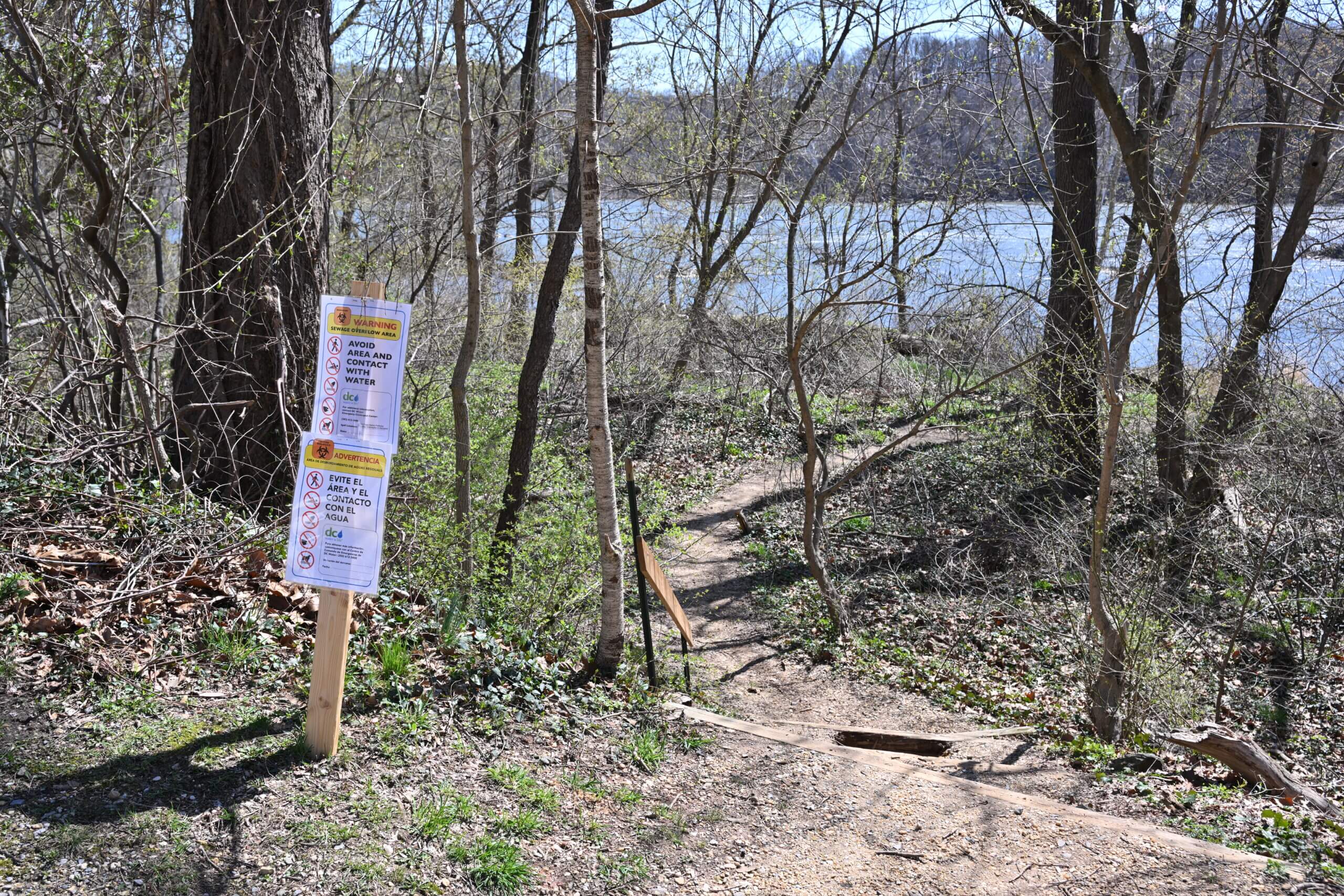
For five days, the equivalent of 350 Olympic-sized pools’ worth of sewage flooded into the Potomac River in a suburb of Washington, D.C. The cause? A clear failure in our permitting systems.
By Sydney Rodman4 min readApril 15, 2026
→
Conservation
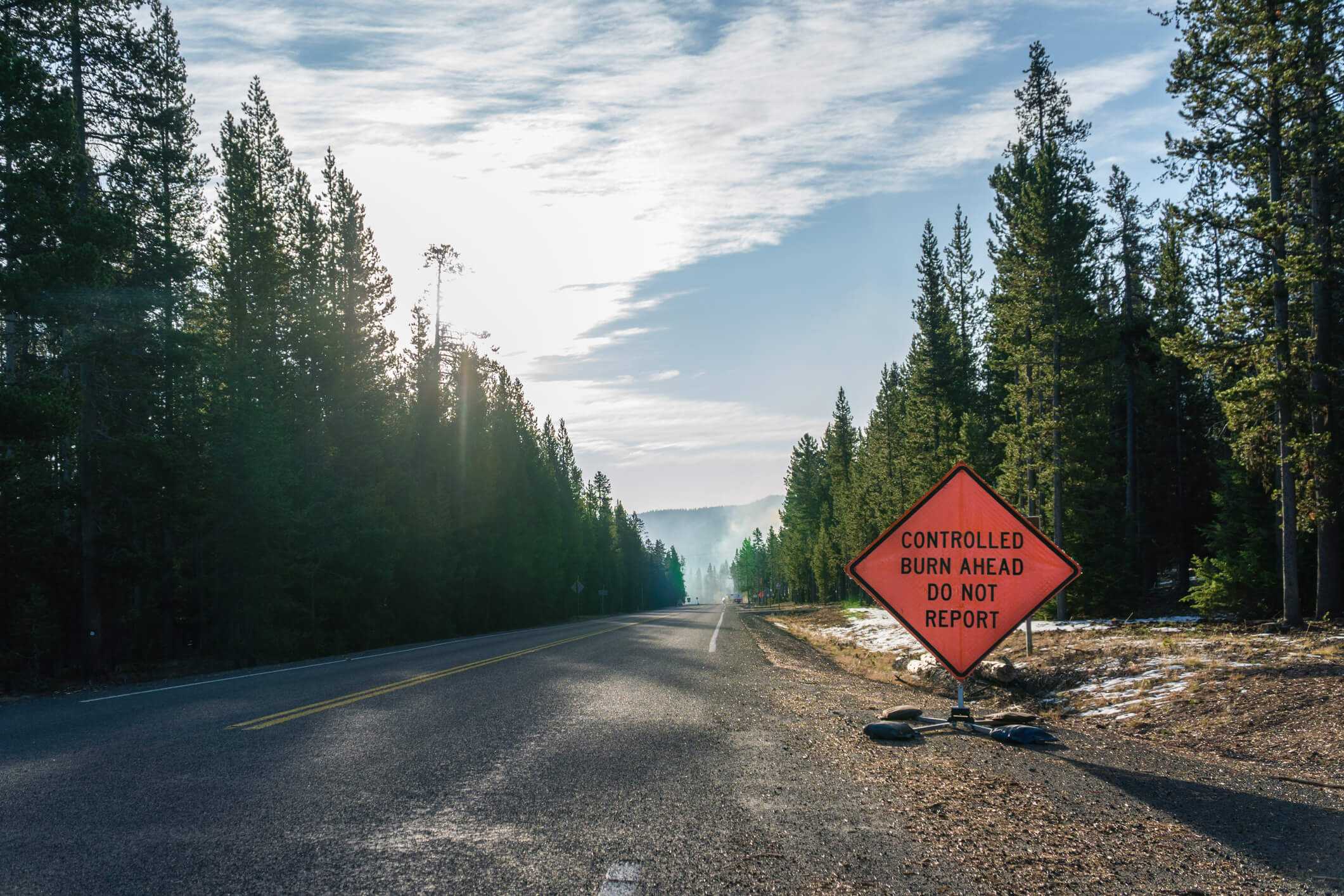
With respect to addressing America’s wildfire crisis, the CAA can ironically penalize states for conducting prescribed burns, which are among the most effective tools for preventing catastrophic wildfires and the harmful air pollution they produce.
By Cecilia Fassett3 min readApril 14, 2026
→
Energy
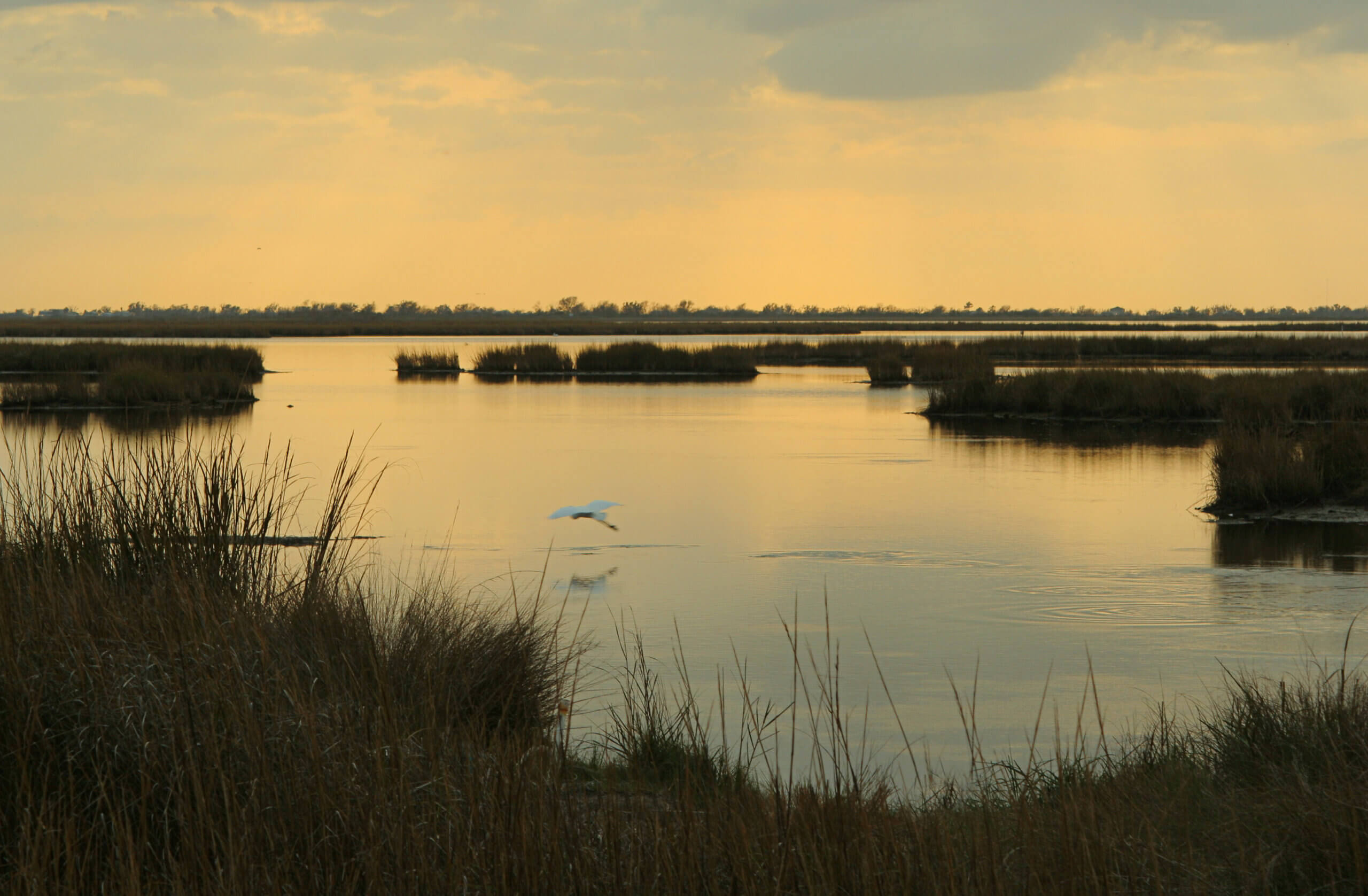
Louisiana has lost over 2,000 square miles of coastal land since the 1930s, an area the size of Delaware. Wetlands continue to disappear at an alarming rate, threatening communities, infrastructure, and one of America’s most productive fisheries.
By Prasanna Pydipalli5 min readApril 1, 2026
→
Conservation
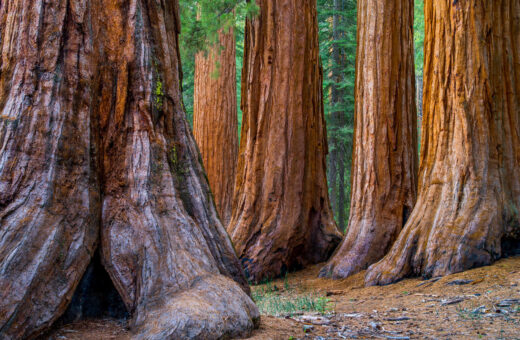
At the current pace, it would take the Forest Service more than 50 years to treat the 19 most at-risk sequoia groves in the country, a timeline the species cannot afford. With faster treatment efforts, more groves will be safeguarded from out-of-control wildfires.
By Cecilia Fassett4 min readMarch 19, 2026
→
Agriculture
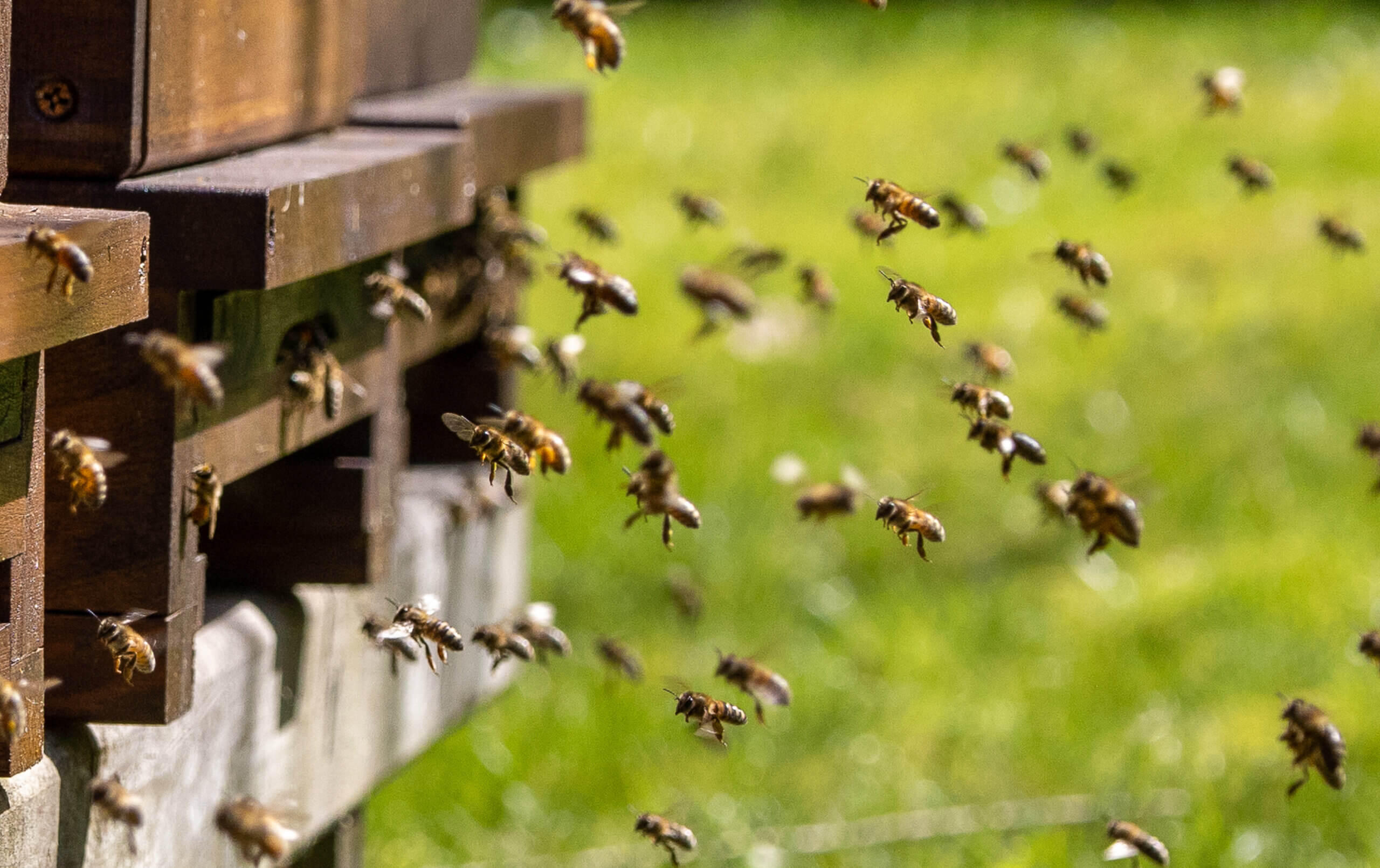
Bees are among the most important and best-known pollinators on the planet. Despite their small size, these insects play an outsized role in sustaining the global food supply. That’s why AI-powered beehive company Beewise wants to save them.
By Nathalie Voit3 min readMarch 9, 2026
→
Conservation
The Great Salt Lake is drying up. Since the mid-1980s, the lake has dropped 22 feet, and its surface area is 60 percent smaller than it once was. If that doesn’t sound like a lot, consider this: it takes 12 minutes and 13 seconds to walk from where the lake’s shoreline once was to where it is today.
By Cecilia Fassett6 min readFebruary 24, 2026
→
