Conservation
The Great Salt Lake is drying up. Since the mid-1980s, the lake has dropped 22 feet, and its surface area is 60 percent smaller than it once was. If that doesn’t sound like a lot, consider this: it takes 12 minutes and 13 seconds to walk from where the lake’s shoreline once was to where it is today.
By Cecilia Fassett6 min readFebruary 24, 2026
→
Conservation
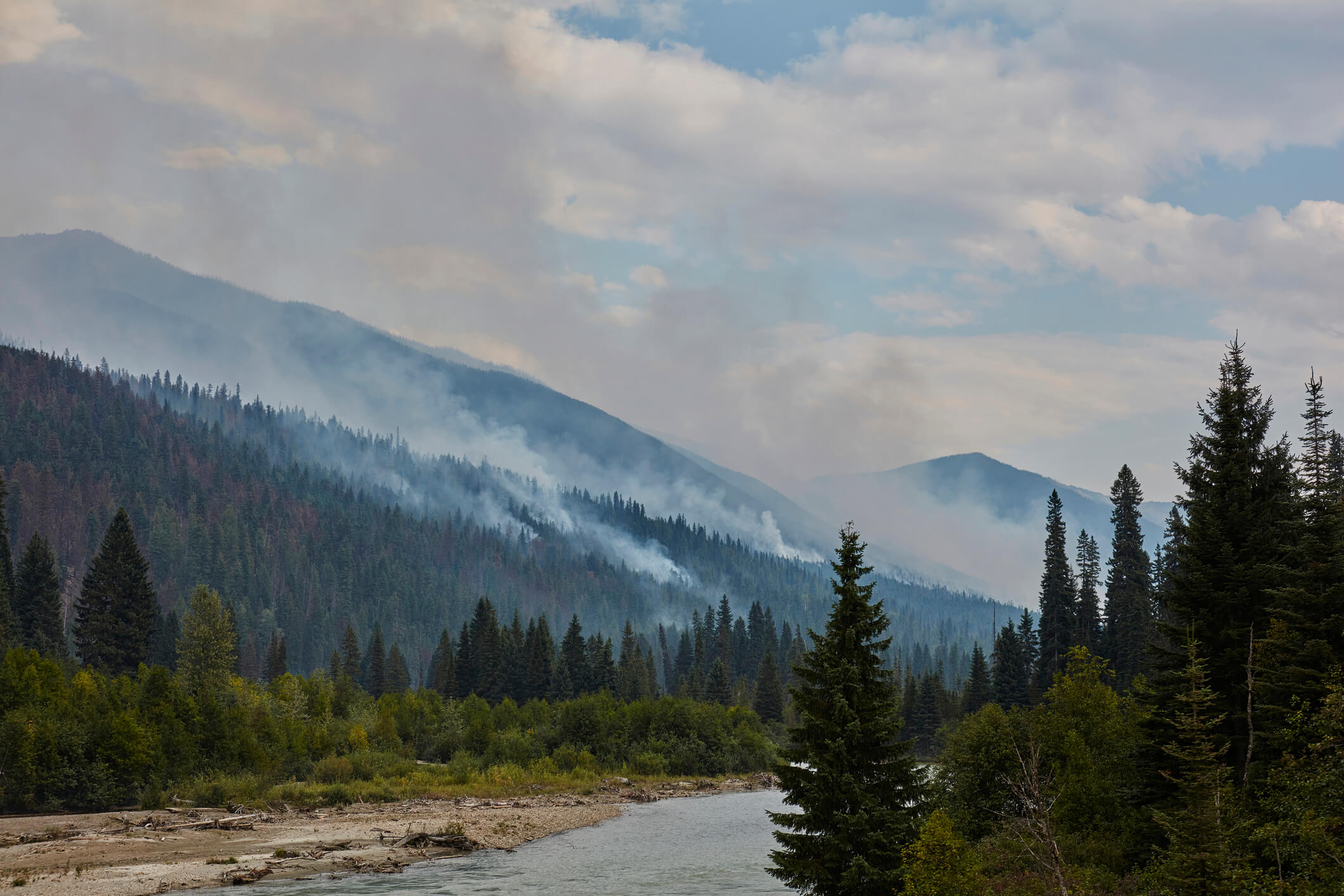
Last month, Utah and the U.S. Forest Service announced a new partnership to accelerate forest restoration, reduce wildfire risk, and improve forest management across the state. Known as a shared stewardship agreement, the partnership establishes a long-term cooperative framework through which the state and federal government jointly set restoration priorities and coordinate the use of existing authorities to carry them out.
By Shawn Regan5 min readFebruary 19, 2026
→
Conservation
Washington, D.C., may long be tired of the frigid temps, above-average snowfall, and icy roads. But out West, signs reading “Pray for snow” are everywhere. Utah Governor Spencer Cox even encouraged Utahns to join together in prayer for snow.
By Cecilia Fassett4 min readFebruary 12, 2026
→
Conservation
A recent report from ConservAmerica analyzed two decades of energy and infrastructure projects to quantify the ESA’s effects. What it found is that the United States regularly spends billions of dollars fighting over endangered species in court when it should prioritize preventative conservation and economic incentives.
By Cecilia Fassett4 min readFebruary 3, 2026
→
Agriculture
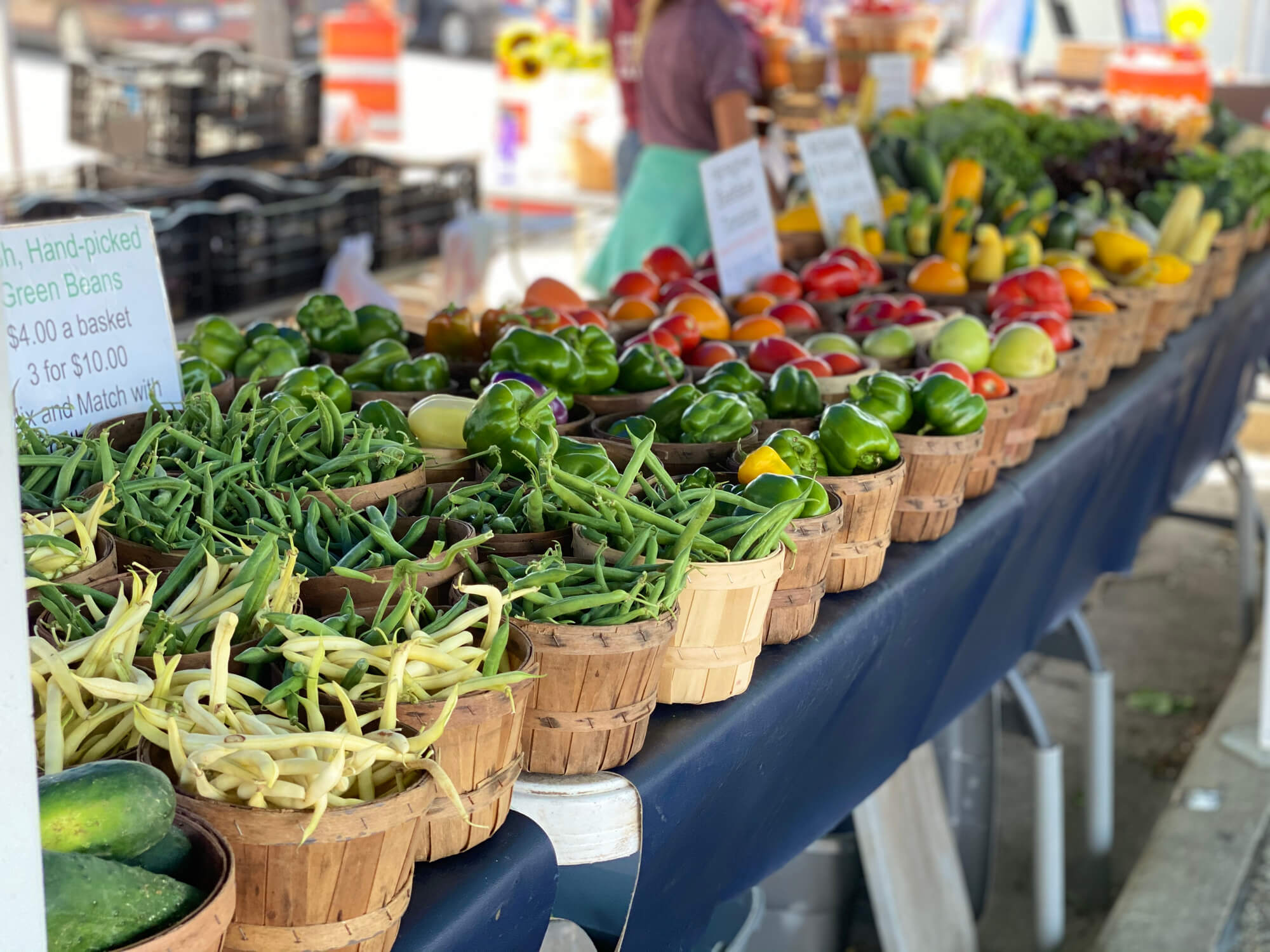
When most Americans talk about agriculture, they don’t start with emissions targets or land-use debates. They start with the price of food. Often, the mainstream environmental movement overlooks this reality, prioritizing solutions that may reduce environmental impacts but risk undermining an affordable, abundant, and reliable food supply. C3 Solutions’ research shows this is a false tradeoff. Innovation is the path to lower food prices, stronger farm economies, and better environmental outcomes.
By Cecilia Fassett4 min readJanuary 27, 2026
→
Conservation
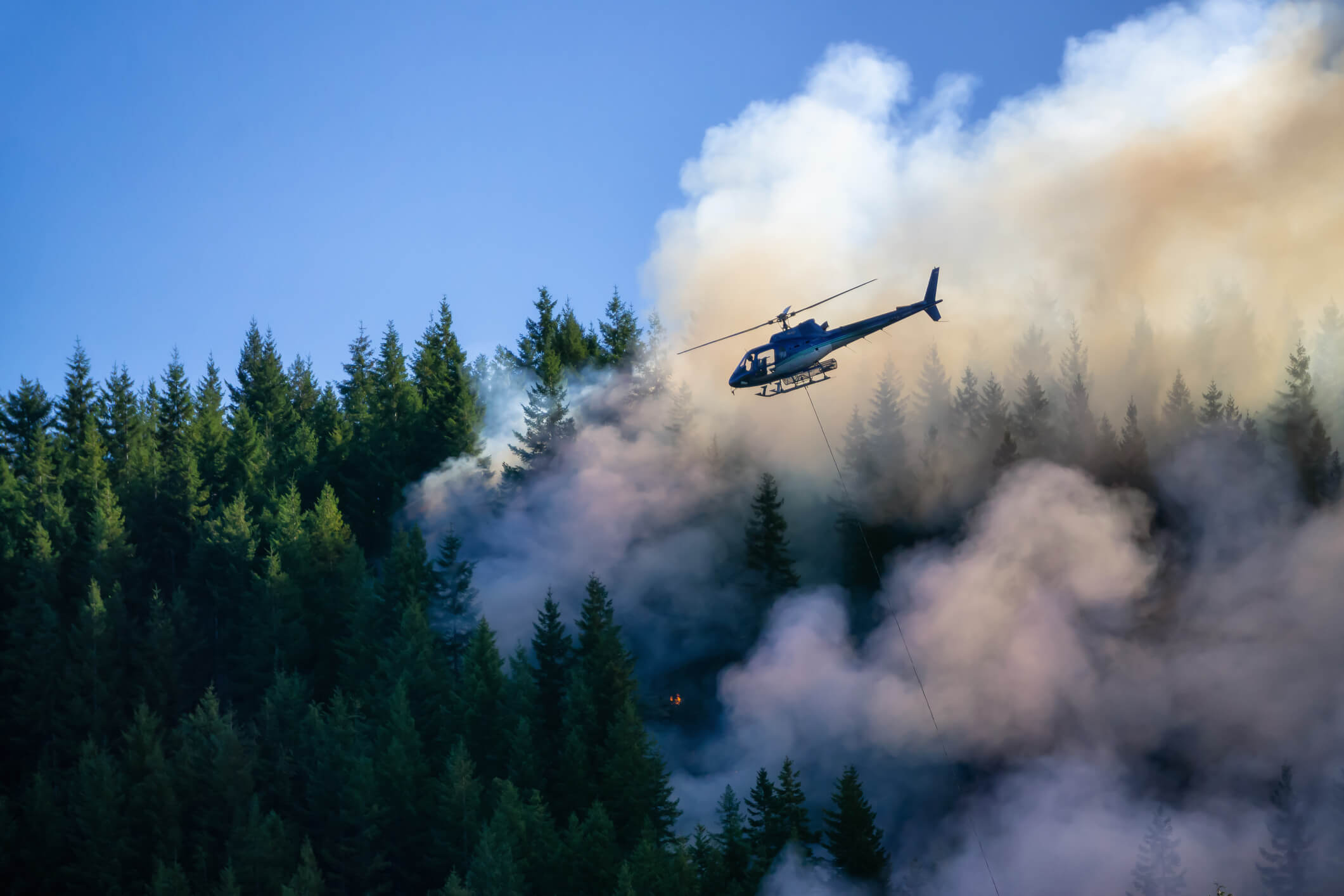
Ringing in the new year in Washington is often accompanied by the hope that your “fill-in-the-blank” long-stalled policy priority finally makes headway. When it comes to forest management, Congress can’t afford another year of delay.
By Cecilia Fassett5 min readJanuary 20, 2026
→
Conservation
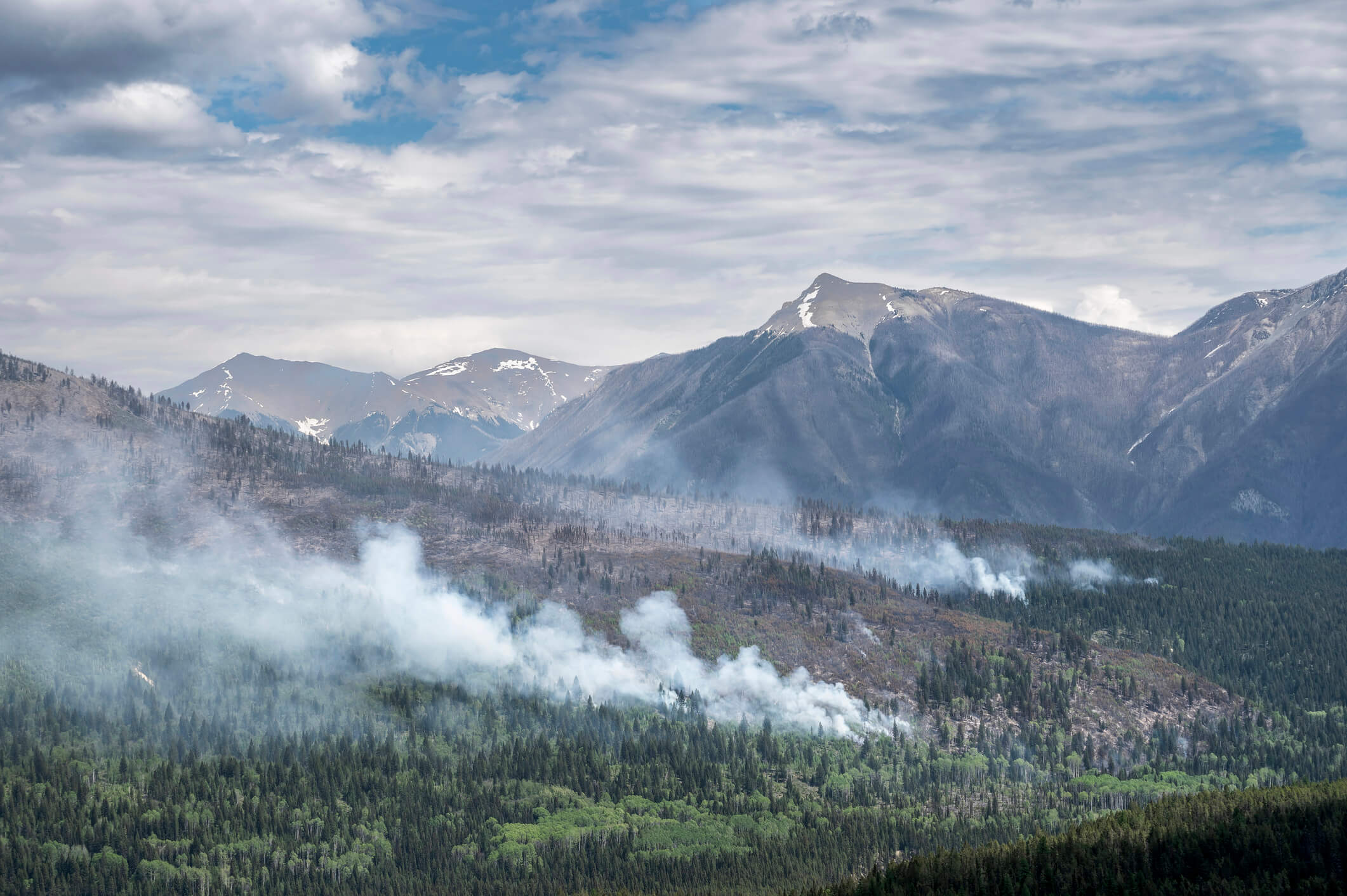
Nevertheless, a mild season doesn’t mean our forests are healthy or that the risk has disappeared. It simply means we were lucky. And luck is not a forest management plan.
By Nick Loris4 min readDecember 3, 2025
→

Conservation
The ocean is the largest and most consequential ecosystem on Earth. It regulates the climate, absorbs 30 percent of annual carbon emissions, supports millions of species, and drives economic activity through fisheries, trade, shipping, and tourism. Modern life depends on a functioning, healthy ocean.
By Cecilia Fassett3 min readDecember 2, 2025
→
Conservation
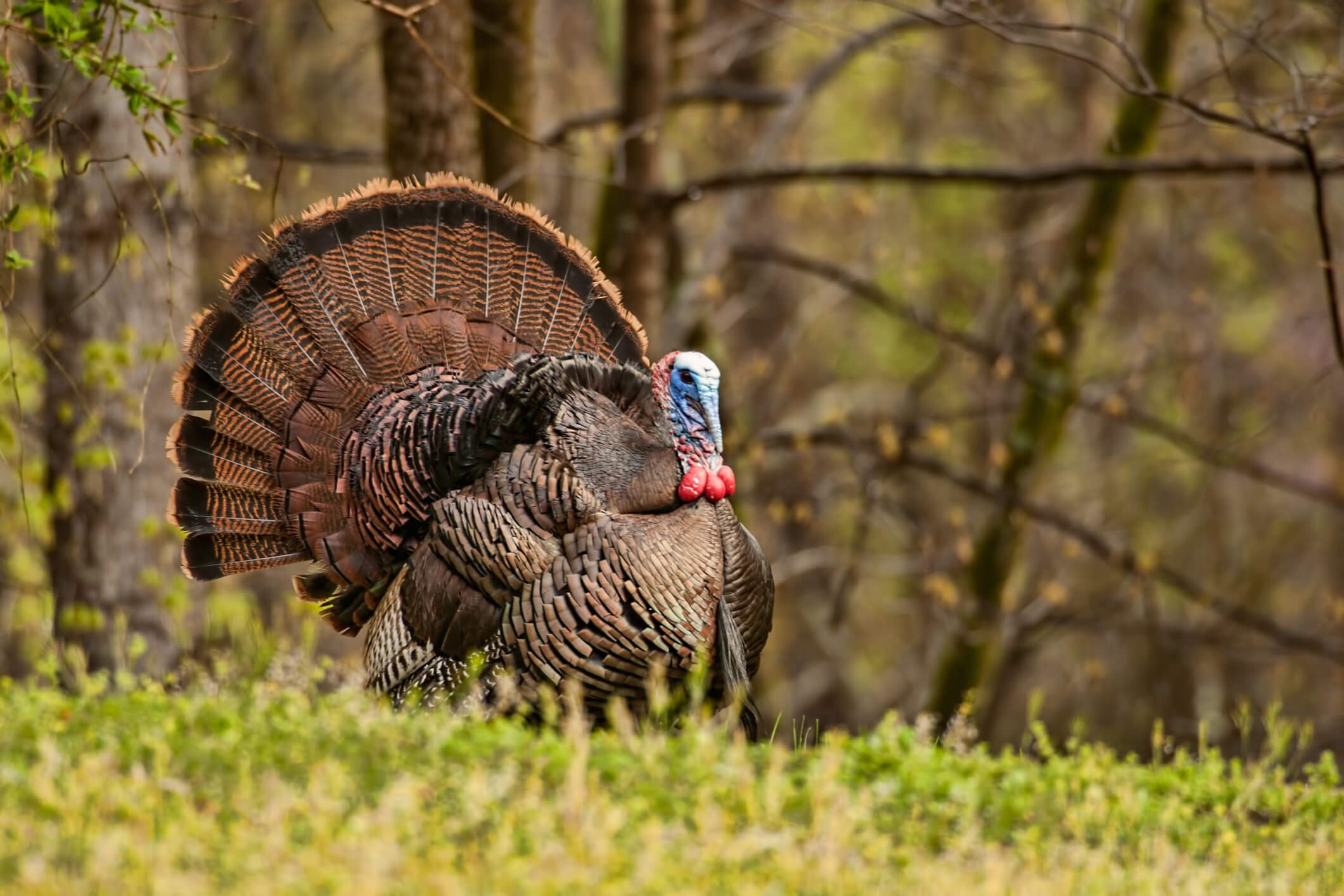
Most Americans only think about turkeys once a year, when Thanksgiving rolls around. We often take for granted that there will be a bird at the grocery store in exactly the size and weight we want. But what many don’t know is that wild turkeys, the domestic turkey’s ancestor, were once nearly wiped out across much of the United States due to overhunting and habitat loss.
By Cecilia Fassett4 min readNovember 26, 2025
→
Conservation
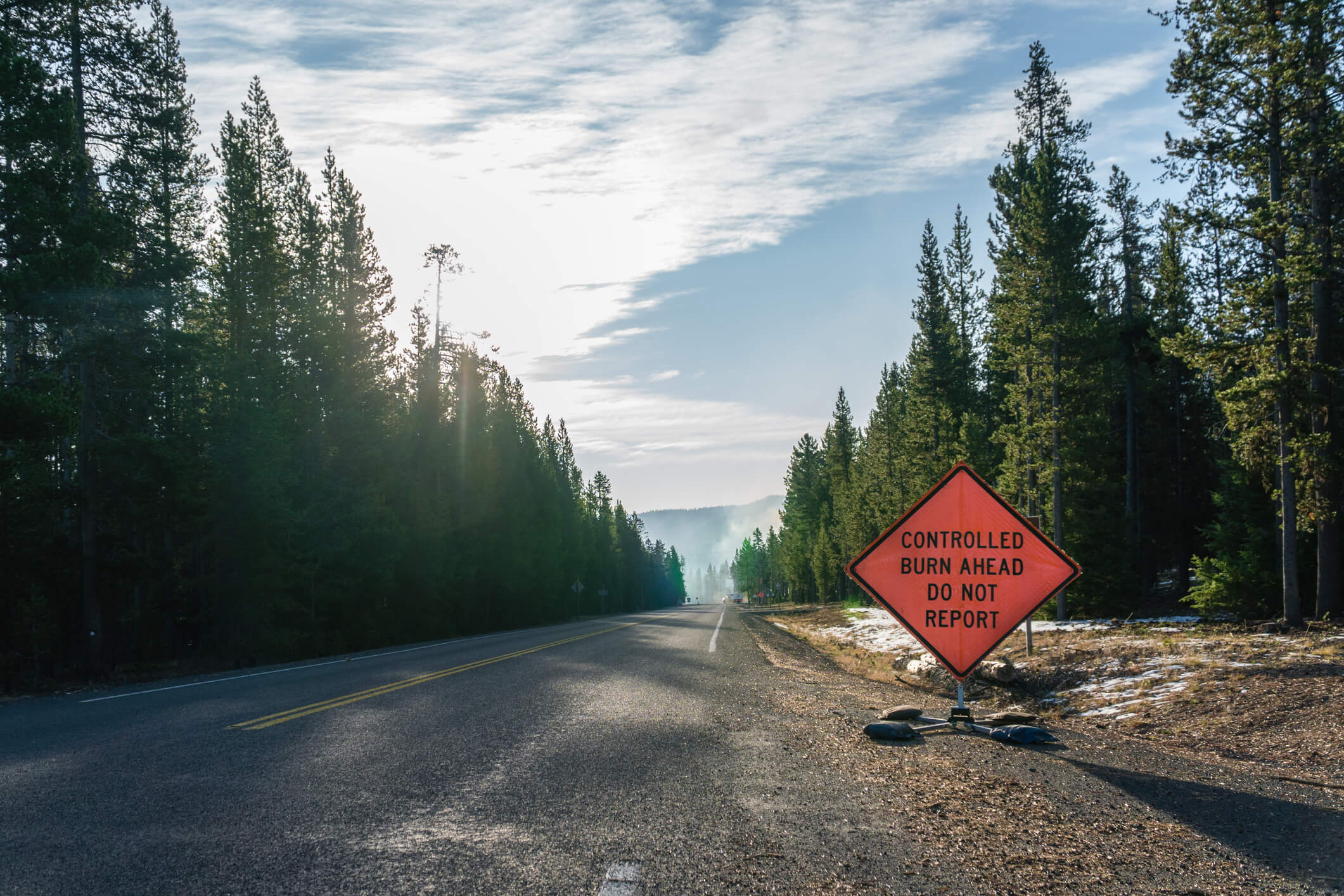
Each year, Americans spend billions fighting fires that could have been prevented for much less. In 2023 alone, the government spent nearly $4.5 billion on wildfire suppression. Add in the destroyed homes, shut down businesses, and smoke-related health costs, and the total cost soars well into the tens of billions.
By Cecilia Fassett3 min readNovember 13, 2025
→
