Conservation
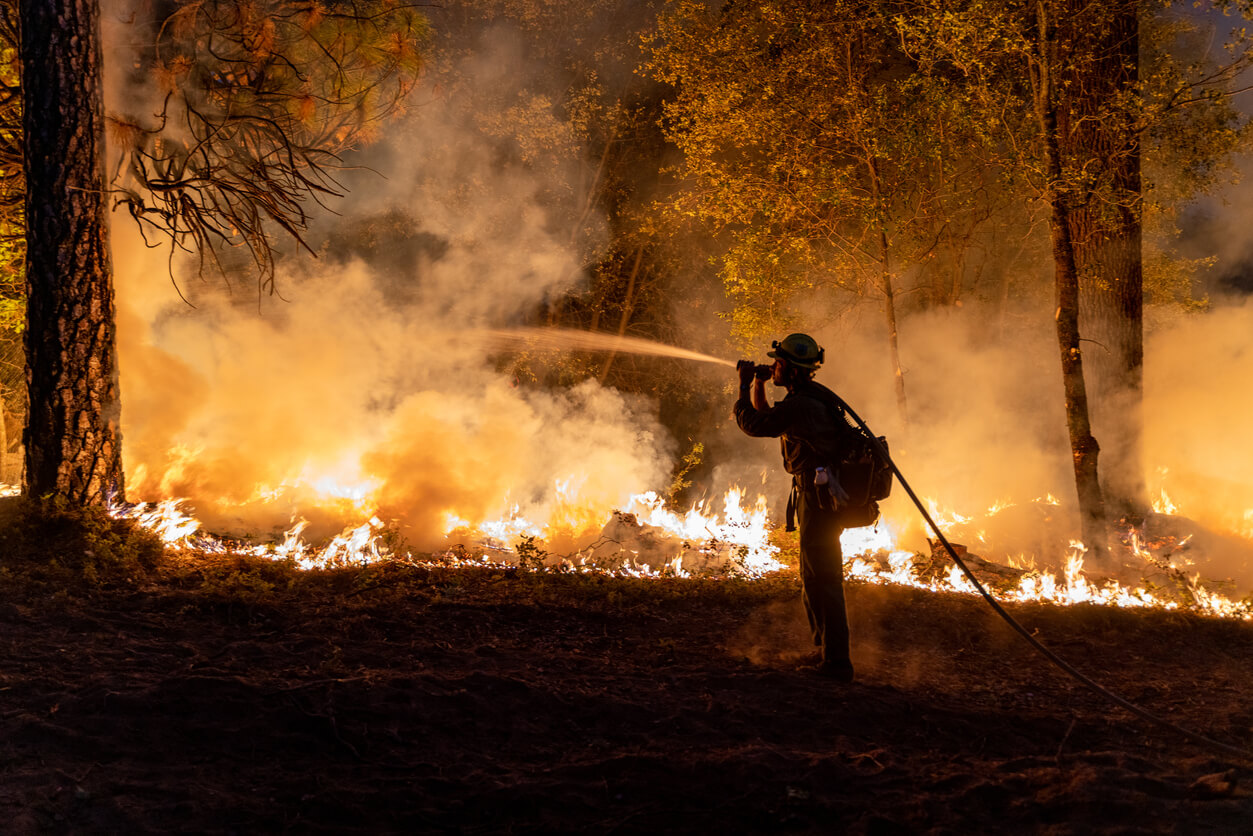
The need to reduce fire risk is apparent, and we know how to do so through active forest management. Yet policy continues to slow those efforts down and that urgently needs to change.
By Cecilia Fassett4 min readAugust 12, 2026
→
Conservation
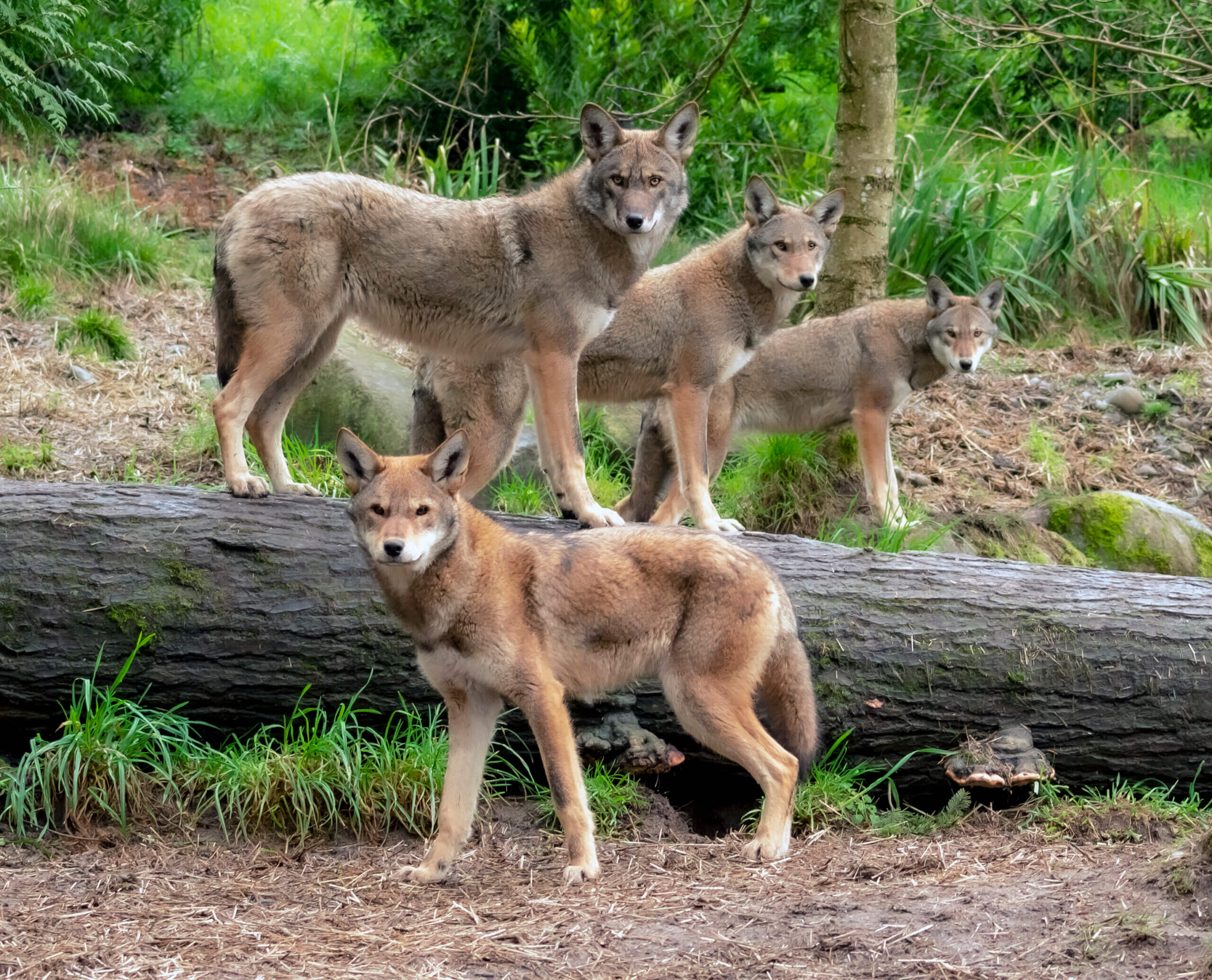
By rescinding the expansive regulatory definition of “harm” under the Endangered Species Act and returning to Justice Scalia’s narrower textual reading that limits “take” to direct actions against individual animals, federal agencies have struck a blow for property rights, reduced unnecessary land-use controls, and restored freer market incentives.
By Andrew Follett4 min readAugust 6, 2026
→
Conservation
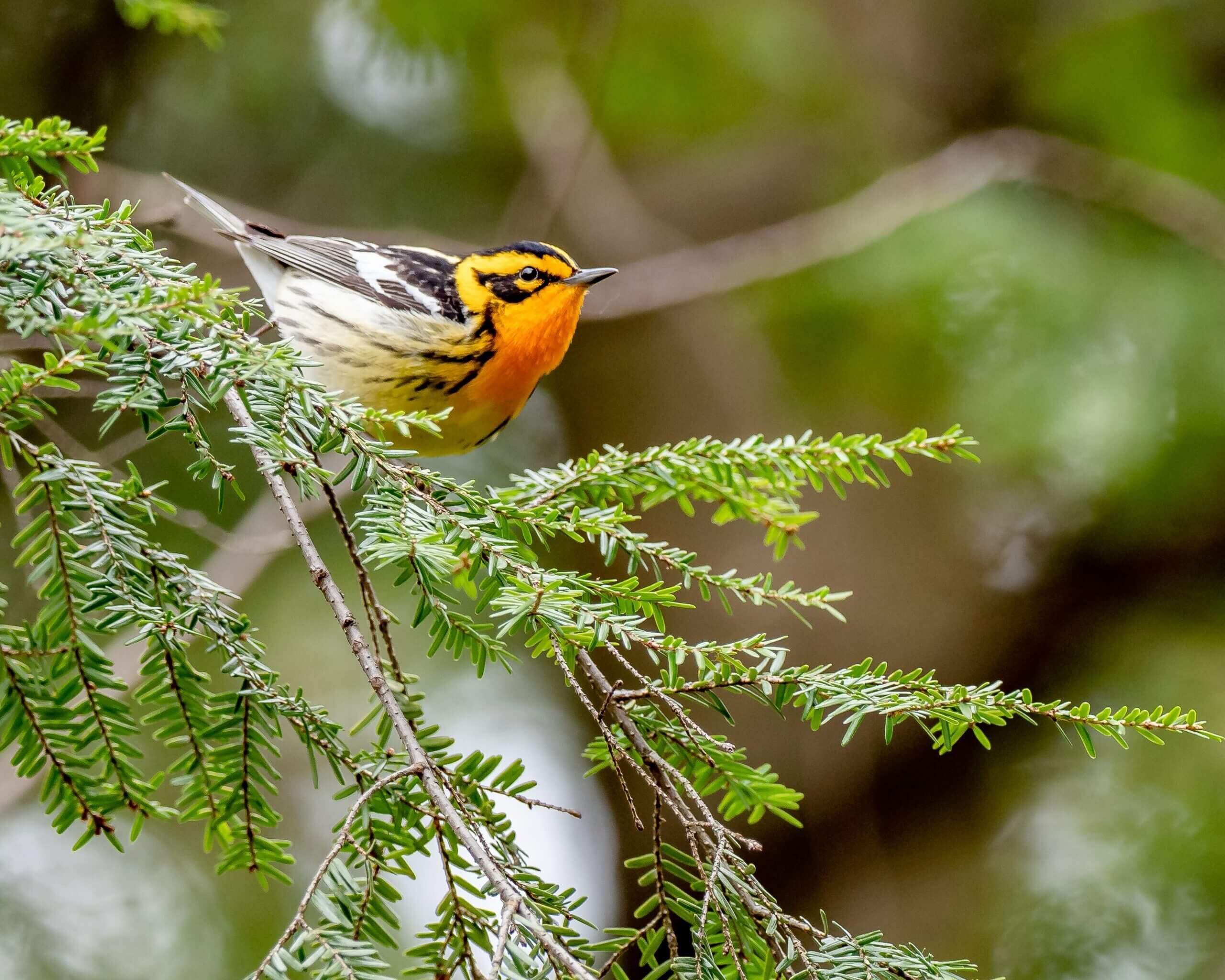
The 50-year era of “don’t-touch” conservation may have ended three weeks ago, after the Trump administration narrowed the definition of harm under the Endangered Species Act (ESA). Harming an endangered species used to encompass damage to the land the species lives on. Landowners with endangered species were limited in how they could steward their plots of land. After all, endangered species’ recoveries relied on proactive efforts by landowners, which will remain intact regardless of the changing incentive structure of the ESA. The unnecessary penalties landowners had to incur were lifted, and conservation efforts will be able to fit the needs of the land and life rather than keeping the overburdening punishments of the ESA.
By Sydney Rodman4 min readJuly 27, 2026
→
Conservation
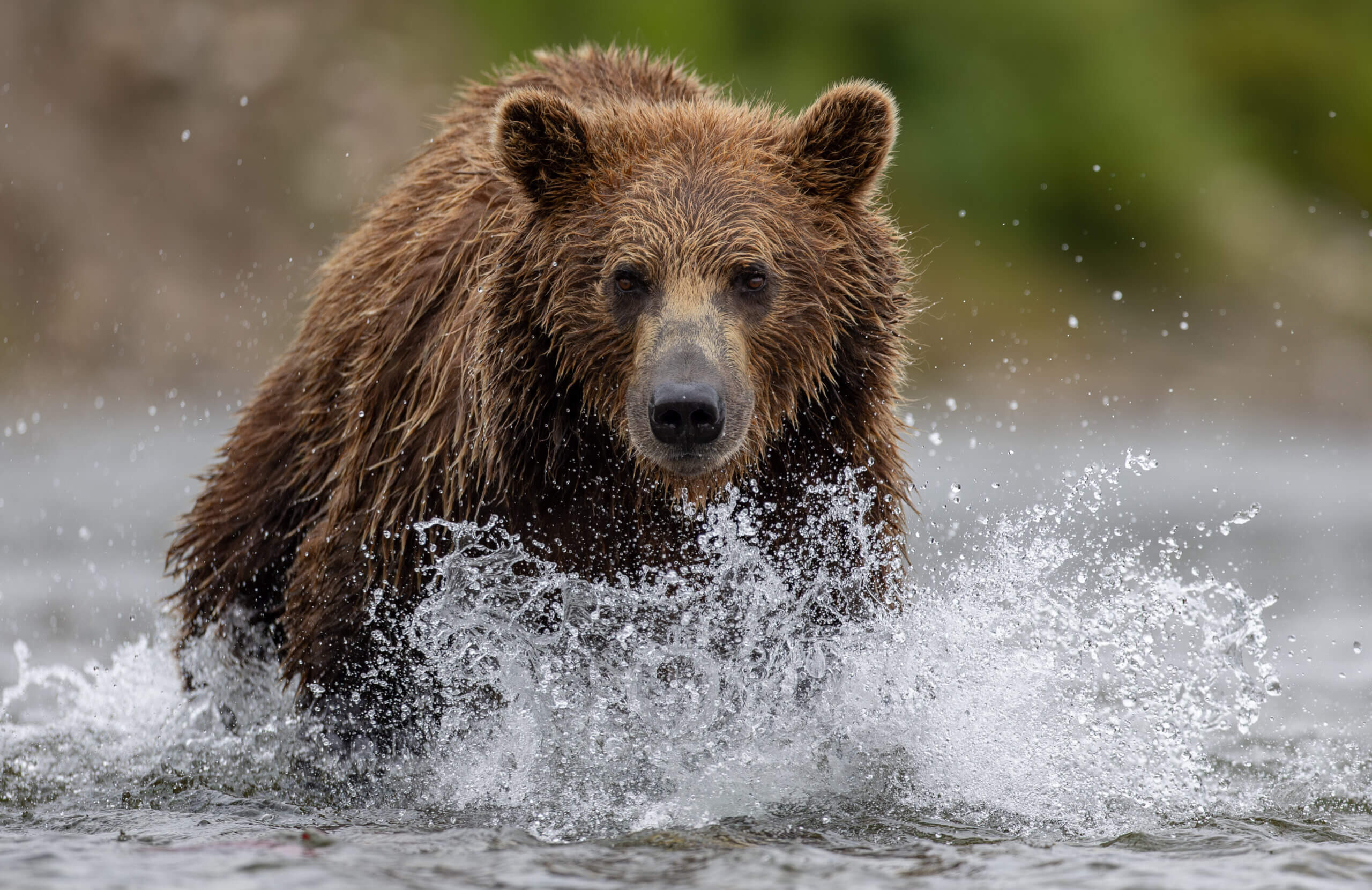
“The endangered species list is not a dean’s list,” Wyoming Governor Mark Gordon said this week, standing near Big Sky, MT, with Interior Secretary Doug Burgum and the governors of Montana and Idaho. “It's time this bear graduates.” After decades of federal control and an amazing tale of conservation success in America, the Interior Department has announced it will shift the daily management of the grizzly bear back to the states. Grizzly bears would, however, remain listed as threatened under the Endangered Species Act.
By Cecilia Fassett3 min readJuly 16, 2026
→
Agriculture
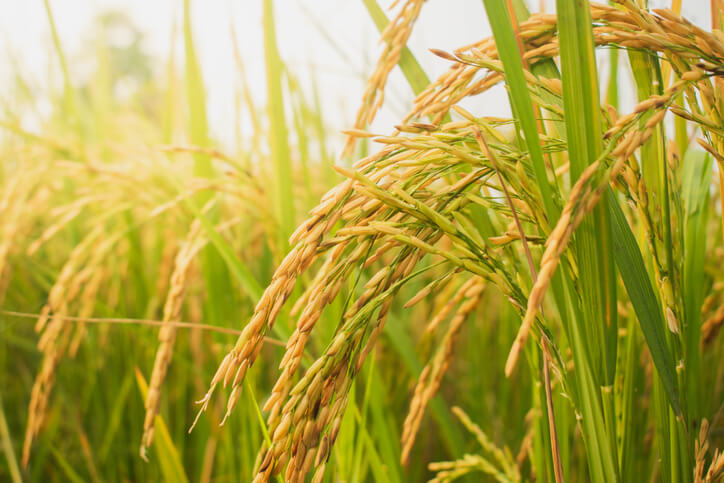
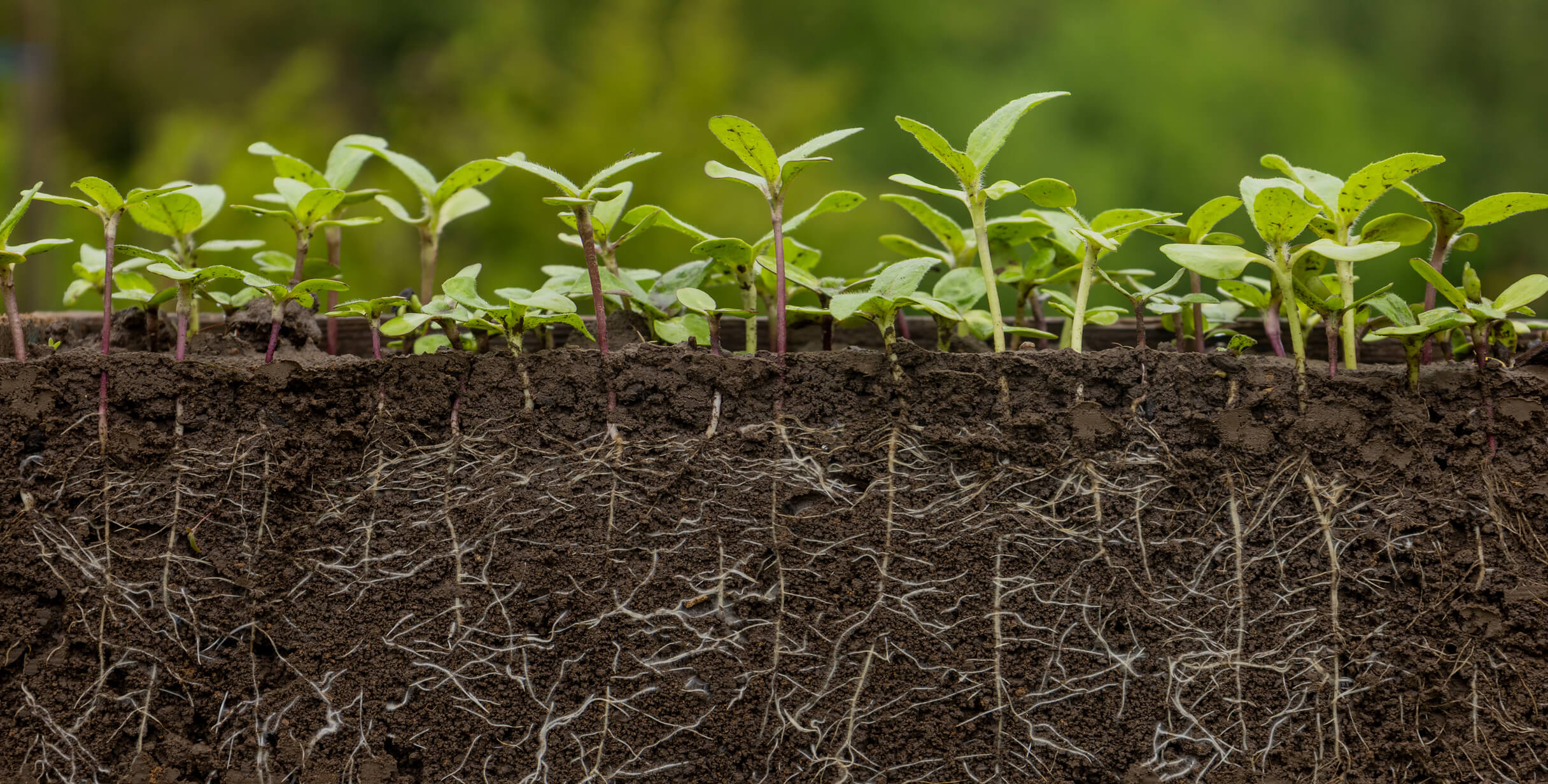
Soil is arguably the most critical factor involved in any plant’s life cycle. It serves many roles, including anchoring a plant in place, storing and supplying nutrients, breaking down organic matter, and insulating the plant. These are just a few of the many functions soil performs for a single plant.
By Ann Joseph4 min readJuly 14, 2026
→
Conservation
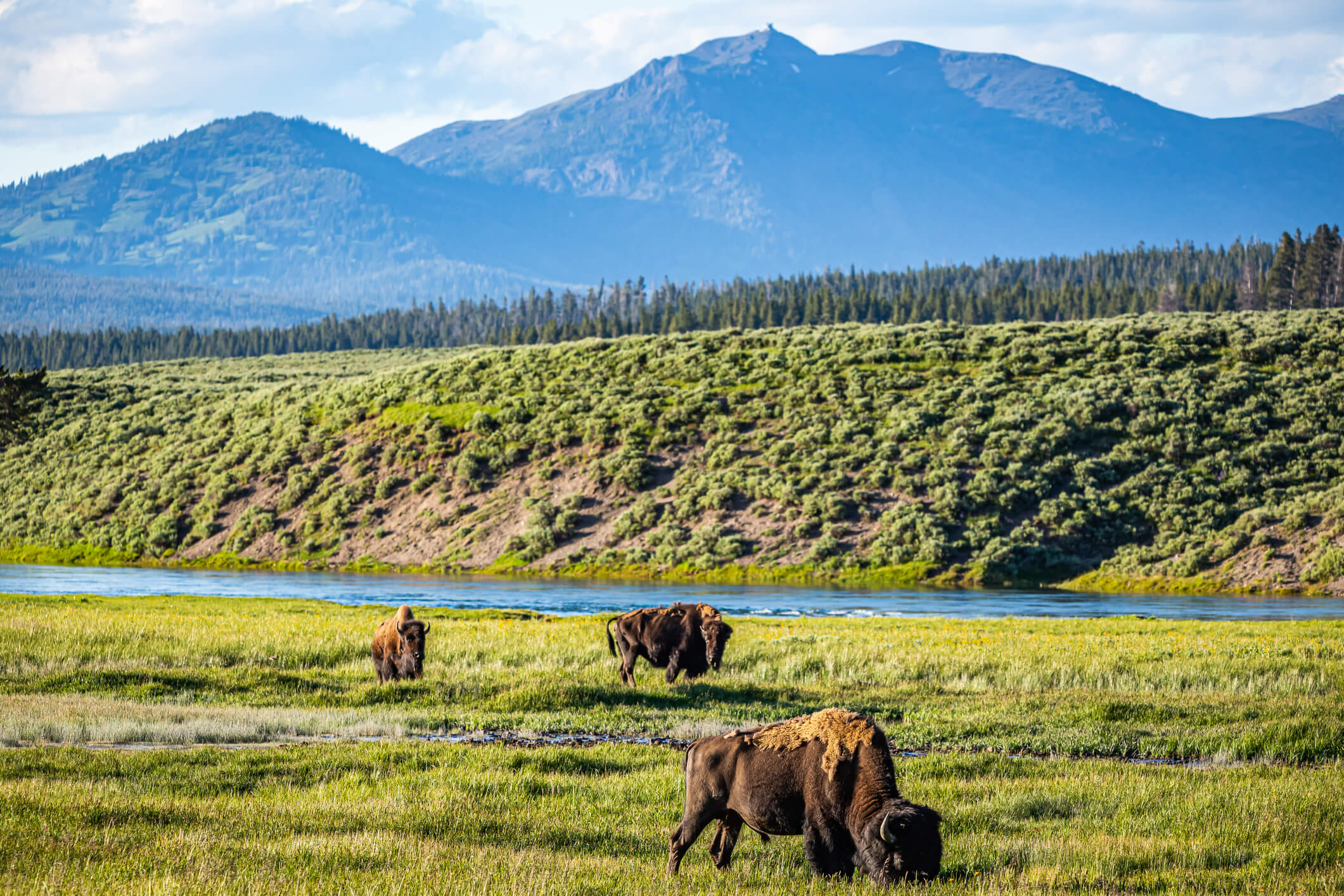
In the 154 years since, the world has followed America’s lead, establishing national parks in over 100 countries. The United States now has 63 federally protected national parks, and hundreds of other National Park Service sites including battlefields, trails, seashores, and rivers. Often called “America’s best idea”, all play an incredible role in the preservation of some of the country’s most treasured landscapes.
By Cecilia Fassett4 min readJune 17, 2026
→

Conservation
Conservation science has long defined itself as a crisis-solution field, rooted in problem-solving. Yet for years it has been better at identifying species and regions at risk than at delivering solutions to help them. Identifying this key downfall, Conservation X Labs has risen to the occasion. A non-profit focused on slowing biodiversity loss, it promotes innovation and the development of cutting-edge technology to tackle conservation challenges.
By Ann Joseph3 min readJune 10, 2026
→
Agriculture
Farm Bill debates this year have been riddled with pesticide fights. While the House was passing its farm bill, the Supreme Court was gearing up for a major case that could change how pesticide companies are held liable for their labeling. At the heart of these debates is one chemical in particular: glyphosate.
By Cecilia Fassett3 min readMay 26, 2026
→
Conservation
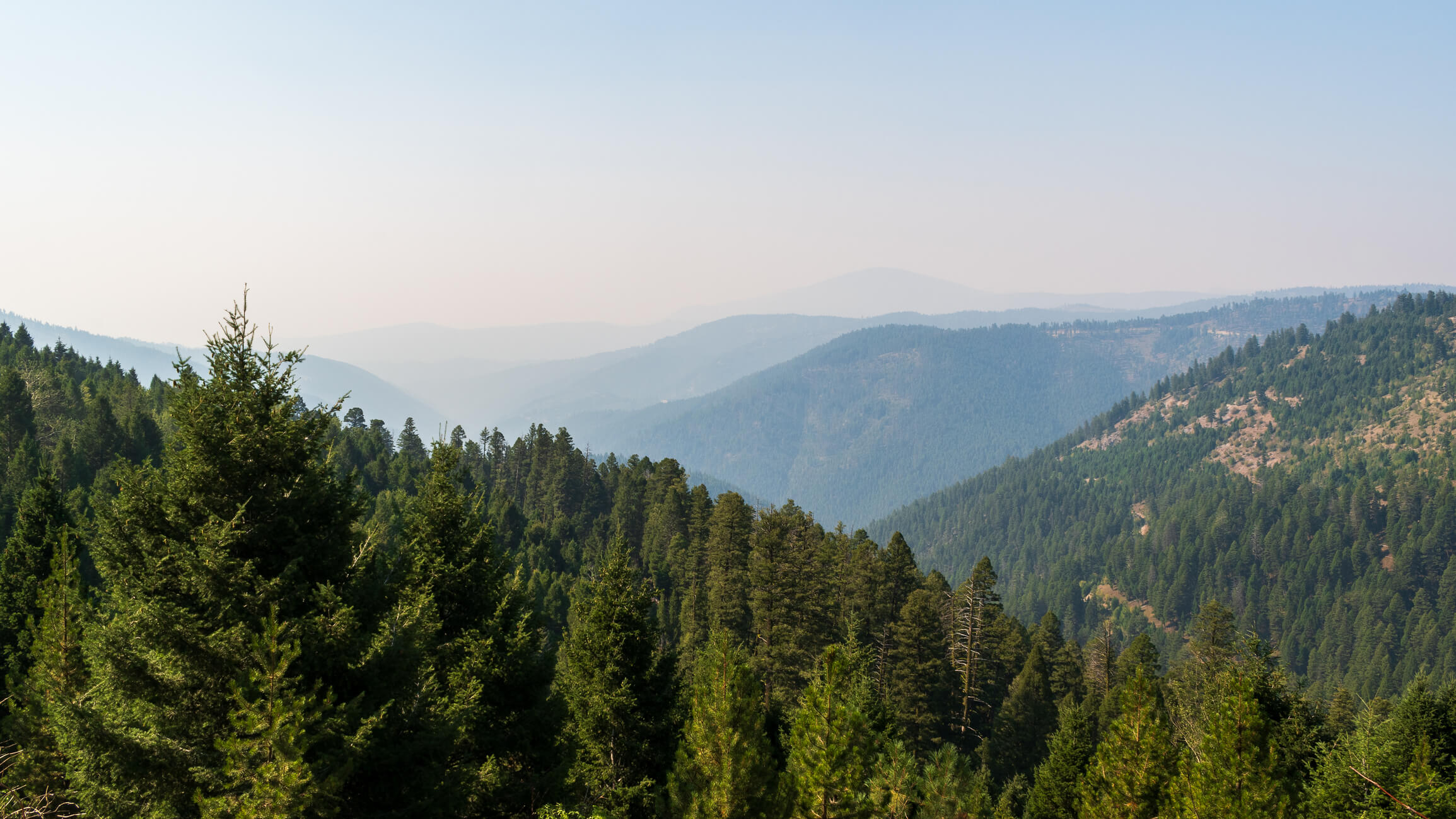
When wildfires are treated as a temporary, seasonal disruption rather than a continual, chronic risk, the default policy response is suppression. But a new analysis from PERC shows just how much that’s costing us.
By Cecilia Fassett4 min readMay 14, 2026
→
Agriculture
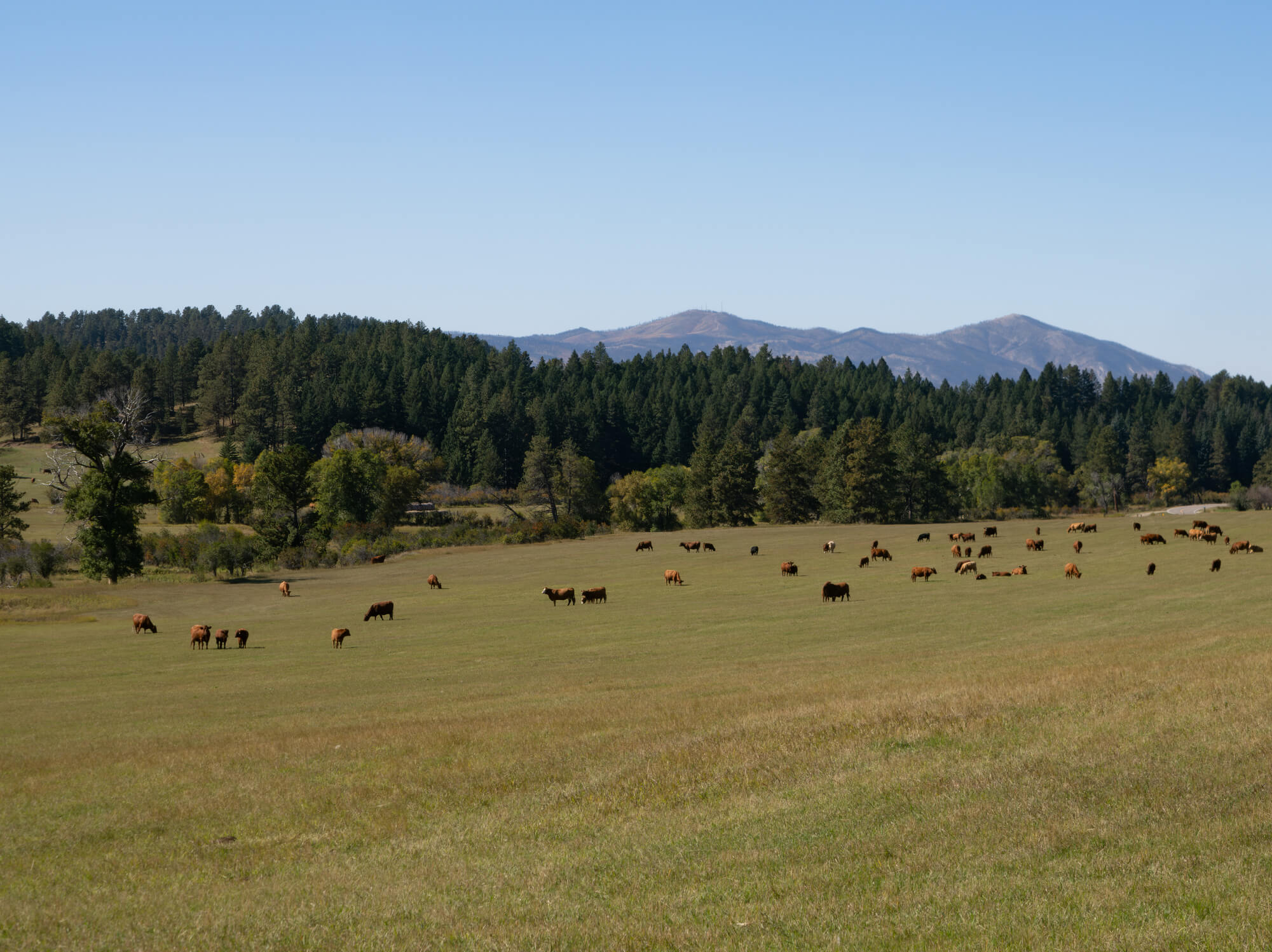
American agriculture is becoming increasingly reliant on technology. From precision agriculture to virtual fencing, farmers and ranchers are finding smarter ways to manage their operations, driving productivity and environmental gains at the same time. But most of these tools depend on one thing: reliable connectivity.
By Cecilia Fassett3 min readMay 4, 2026
→