Each year, Americans spend billions fighting fires that could have been prevented for much less. In 2023 alone, the government spent nearly $4.5 billion on wildfire suppression. Add in the destroyed homes, shut down businesses, and smoke-related health costs, and the total cost soars well into the tens of billions.
Even as the cost of inaction increases, outdated federal laws intended to protect Americans’ air quality make it more challenging to manage forests and mitigate risk.
At the center of the problem is the Clean Air Act’s “exceptional events” rule. The Environmental Protection Agency uses it to decide when a sudden spike in air pollution, such as emissions from a volcano or a massive wildfire, should count against a region’s air-quality record. The intent was to avoid punishing communities for disasters beyond their control.
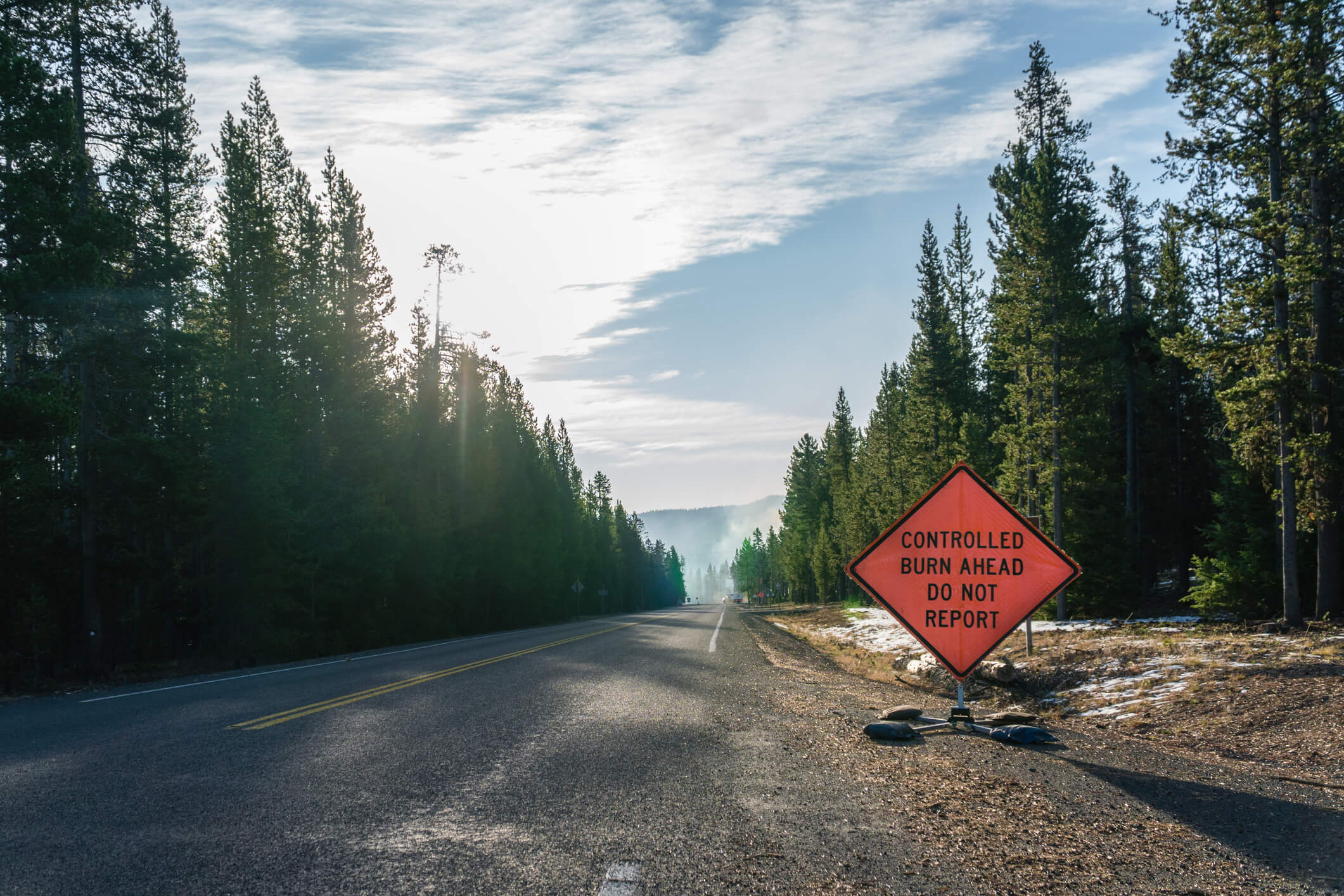
However, the way the rule is applied creates an uneven outcome. Smoke from a wildfire can be excluded from a state’s air-quality record, while smoke from a prescribed burn generally cannot. That imbalance makes it harder for states to use prescribed fire, even when it would reduce the risk of far worse, unplanned fires later on.
Prescribed fires are carefully planned burns that clear overgrown vegetation and restore forest health. Indigenous communities have used them for centuries. Today, they remain one of the most affordable and effective tools for reducing wildfire risk. Yet under current rules, smoke from prescribed burns counts against a state’s air-quality score, while the far greater smoke from an uncontrolled wildfire is excused.
A recent analysis comparing different landscapes and regions found that prescribed burns cost about $170 per acre on average. Suppressing an active wildfire, on the other hand, can run well into the thousands of dollars per acre. And that’s before you count indirect losses like closed highways, damaged power lines, higher insurance premiums, and health impacts.
Wildfire smoke is now a major contributor to fine-particle pollution nationwide, with serious consequences for public health and increased medical expenses. The cost of inaction far outweighs the cost of prevention.
>>>READ: The Eastern U.S. Has Forests Worth Fixing Too
Thankfully, Congress has devised a common-sense solution. The Wildfire Emissions Prevention Act (WEPA), introduced by Senators Curtis and Lummis, would be a welcome step forward in solving this problem. The bill would amend the Clean Air Act to allow prescribed burns conducted to reduce future wildfire emissions to qualify as “exceptional events.”
The bill would also let state, local, and tribal governments make these determinations more quickly, subject to EPA review. This would empower the people who know the land best to take action without waiting for Washington.
Wildfires are not just environmental problems. They are fiscal ones as well. The U.S. Forest Service now spends more than half its annual budget on firefighting, compared to just 16 percent in the mid-1990s. Every dollar spent suppressing fires is a dollar not invested in restoration, recreation, or rural economic development. A smarter system would treat prevention as an investment with guaranteed returns of fewer disasters, lower health costs, and healthier ecosystems.
Wildfire smoke is beginning to erase the progress the country has made toward cleaner air over the past decades. As climate patterns intensify drought and heat, those costs are only going to grow.
>>>READ: A Step Forward to Healthier Forests
The Wildfire Emissions Prevention Act offers a common-sense path forward. It is a practical, bipartisan reform that saves money, empowers states, and strengthens environmental outcomes. It aligns incentives so that prevention is rewarded, not penalized.
Prevention is cheaper than recovery. The Wildfire Emissions Prevention Act reminds Washington of that simple truth.