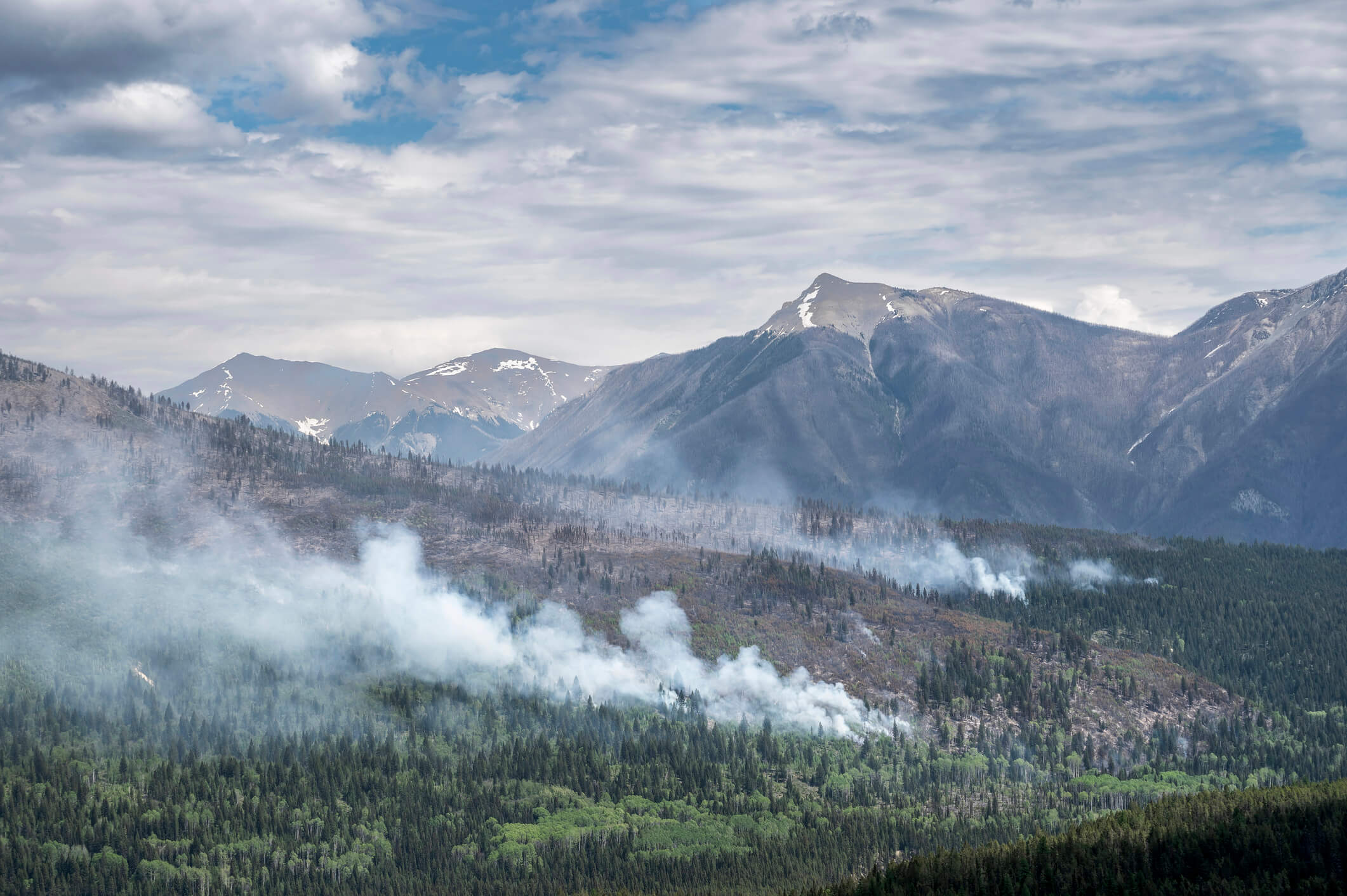
In a bit of good fortune, the wildfires in the Western U.S. have been relatively subdued compared to previous years. That’s something to be grateful for, but it’s not something to get comfortable with. Even in a quieter season, Colorado residents suffered through one of the largest wildfires in the state’s history. Nevertheless, a mild season doesn’t mean our forests are healthy or that the risk has disappeared. It simply means we were lucky. And luck is not a forest management plan.
If anything, the quiet should encourage Washington to finally tackle the reforms we’ve been talking about for far too long. We have an opportunity to prevent the next catastrophic wildfire season, and legislation like the Fix Our Forests Act gives us a roadmap to get there.
The Conditions for Megafires Haven’t Changed
As I emphasized in my Senate testimony, catastrophic wildfires stem from accumulated risks. These risks originate from several sources — hotter and drier conditions in certain areas, increased human ignition and settlement in the wildland-urban interface, invasive species, widespread tree die-off, and, most importantly, decades of poor forest management.
We still have overgrown forests filled with fuel. Currently, the Forest Service faces an 80-million-acre backlog needing restoration and 63 million acres at high or very high wildfire risk. We also deal with overly complex permitting processes and excessive litigation that hinder active forest management. A 2022 Property and Environment Research Center study found that it takes an average of 3.6 years from the start of an environmental review to treatment for mechanical thinning and 4.7 years for prescribed burns. The authors note, “For projects that require environmental impact statements—the most rigorous form of review—the time from initiation to implementation averages 5.3 years for mechanical treatments and 7.2 years for prescribed burns.”
Why the Fix Our Forests Act Gets Us Moving in the Right Direction
The Fix Our Forests Act represents a meaningful shift toward proactive forest management instead of the reactive model we’ve relied on for decades.
At its core, FOFA focuses on:
• Reducing hazardous fuels through thinning and targeted removal of overcrowded or diseased trees
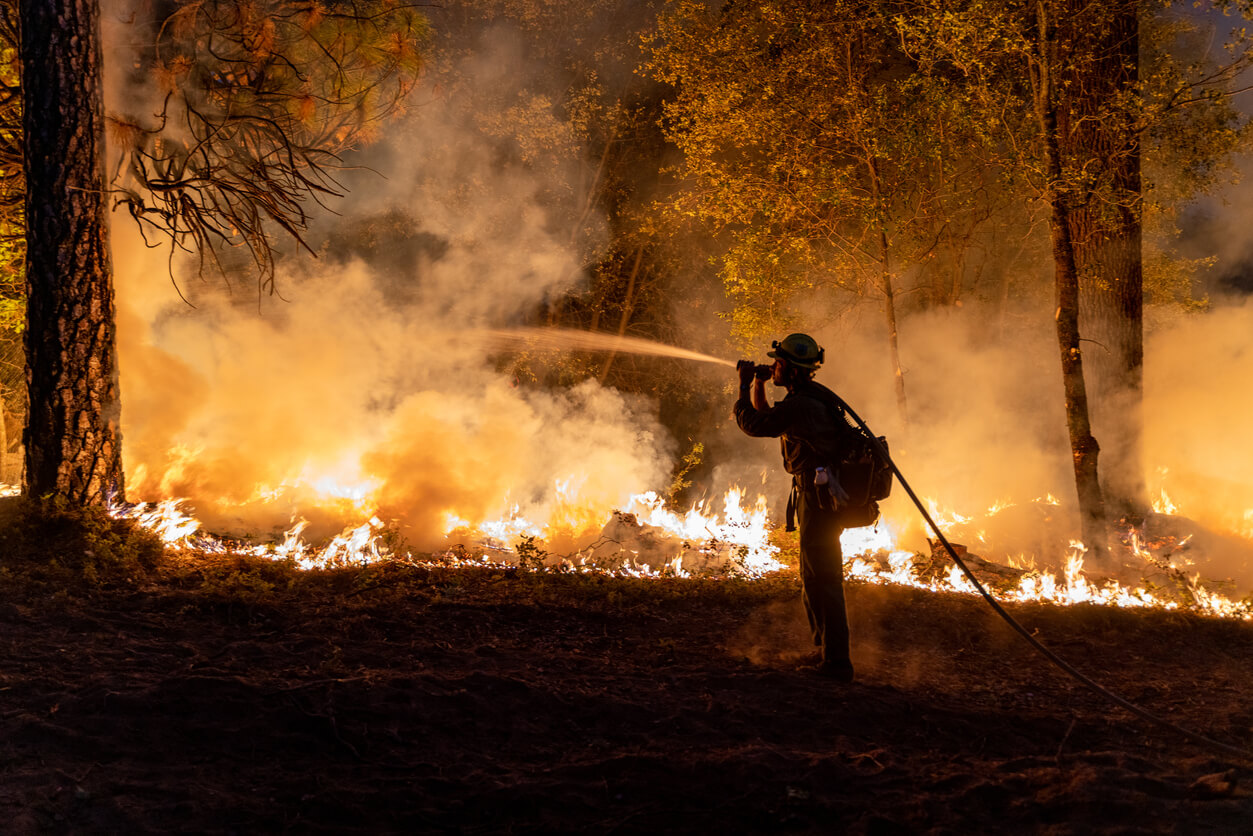
• Expanding prescribed fire, which is one of the most cost-effective tools we have
• Streamlining NEPA reviews and expanding categorical exclusions for forest health projects so they can happen at the pace the crisis demands
• Empowering land managers, rather than burying them in paperwork
Responsible thinning is not clear-cutting — it’s fuel reduction, ecosystem restoration, and public safety. The alternative is to let forests continue accumulating the upbuilding of dense, ladder-like fuel that can turn a small spark into a devastating multi-billion-dollar megafire. If we want healthier forests, we need to actively manage them.
Indigenous Communities Offer a Model Washington Should Learn From
One of the best examples of smart, proactive land management comes from Indigenous communities — something the Washington Policy Center and, more recently, the Washington Post have documented in detail.
As the Post documents, tribes like the Yurok and Karuk have used “cultural burning” for thousands of years to sustain healthy forest landscapes. These are low-intensity, carefully planned fires that clear out underbrush, encourage the growth of native plants, and restore balance to ecosystems that have evolved with regular fire.
The results are remarkable. Where cultural burns have been restored, forests become more open, more resilient, and less prone to high-severity wildfires. Even more importantly, tribal knowledge aligns with modern ecological research. A growing body of science demonstrates that forests historically managed by Indigenous communities had a much higher proportion of fire-tolerant species — reflecting centuries of regular, low-severity fires.
While language in FOFA encourages leveraging this knowledge and applying the best available science, it is crucial that including traditional ecological knowledge from Indian Tribes not be misunderstood as a barrier to forest management, which is the opposite of the bill’s purpose. For instance, one could envision environmental activists using tribal activity (i.e., giving a river the same legal rights as a person) to block thinning projects or prescribed burns. Clarifying that the traditional knowledge aligns with generally accepted science and best management practices for each respected fireshed would ensure that the incorporation of ecological knowledge from Indian Tribes was specific to legitimate forest management activities and not abused by litigious organizations.
>>>READ: Taking Action to Reduce Wildfire Risk
Don’t Mistake Quiet for Safe
A calm fire season is a blessing. But if it lulls policymakers into thinking our forests are getting healthier on their own, we’ll be right back where we started — unprepared, reactive, and increasingly vulnerable.
The lesson is clear: fire, when used intentionally and responsibly, is one of the most powerful tools we have. And modern policy should encourage partnerships with the communities that have been doing it best for millennia.
The truth is simple: the West will burn again. The question is whether it burns in the controlled, low-intensity way that protects ecosystems and communities, or in the catastrophic, high-severity way that destroys them. FOFA isn’t a silver bullet, but it represents a meaningful shift toward the kind of proactive, science-based, common-sense reforms that both experts and Indigenous practitioners know we need.