

Conservation
A Step Forward to Healthier Forests
After passing the House in January with overwhelming bipartisan support, the Fix Our Forests Act (FOFA) had been at a standstill for the past nine months– until yesterday.
The archive
Conservation
After passing the House in January with overwhelming bipartisan support, the Fix Our Forests Act (FOFA) had been at a standstill for the past nine months– until yesterday.
Policy
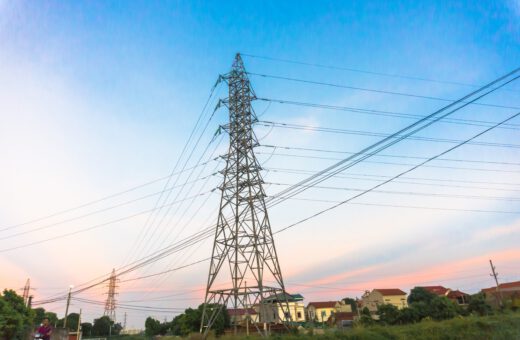
But 2025 is different. Utilities sought $29 billion in rate hikes so far this year—nearly double the 2024 pace—and average prices rose at about twice the rate of inflation in the first half of the year. Inflation accounts for a big part of the story, but not all of it.
Around the Web
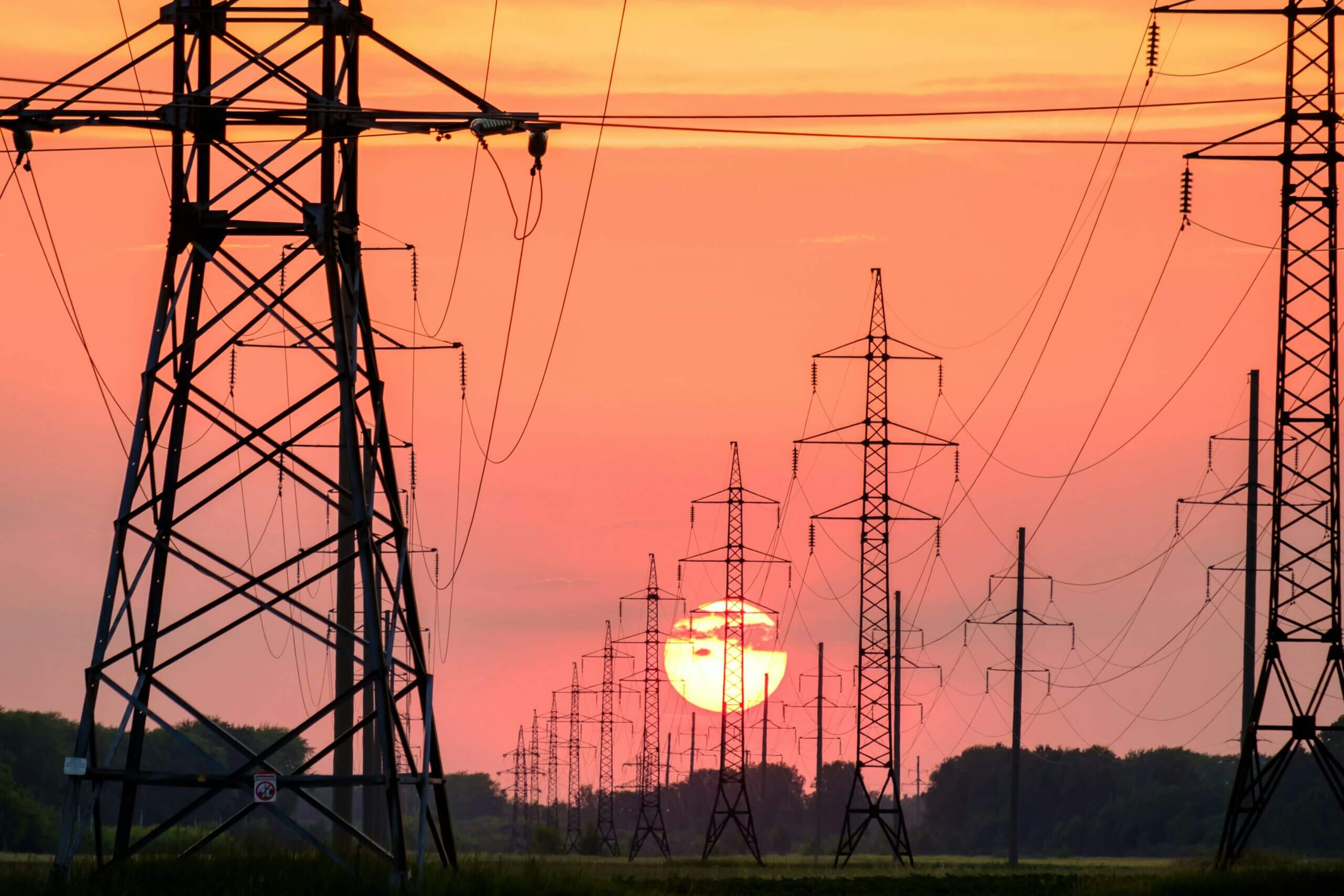
The debate over rising electricity prices in Washington has revealed a strange paradox. Republicans blame climate policies and renewable energy subsidies for driving up costs. Democrats, meanwhile, claim rates are rising because the Trump administration rolled back clean-energy incentives. Both stories cannot be entirely accurate. Renewables cannot simultaneously be the cause and the cure for high prices.
Energy
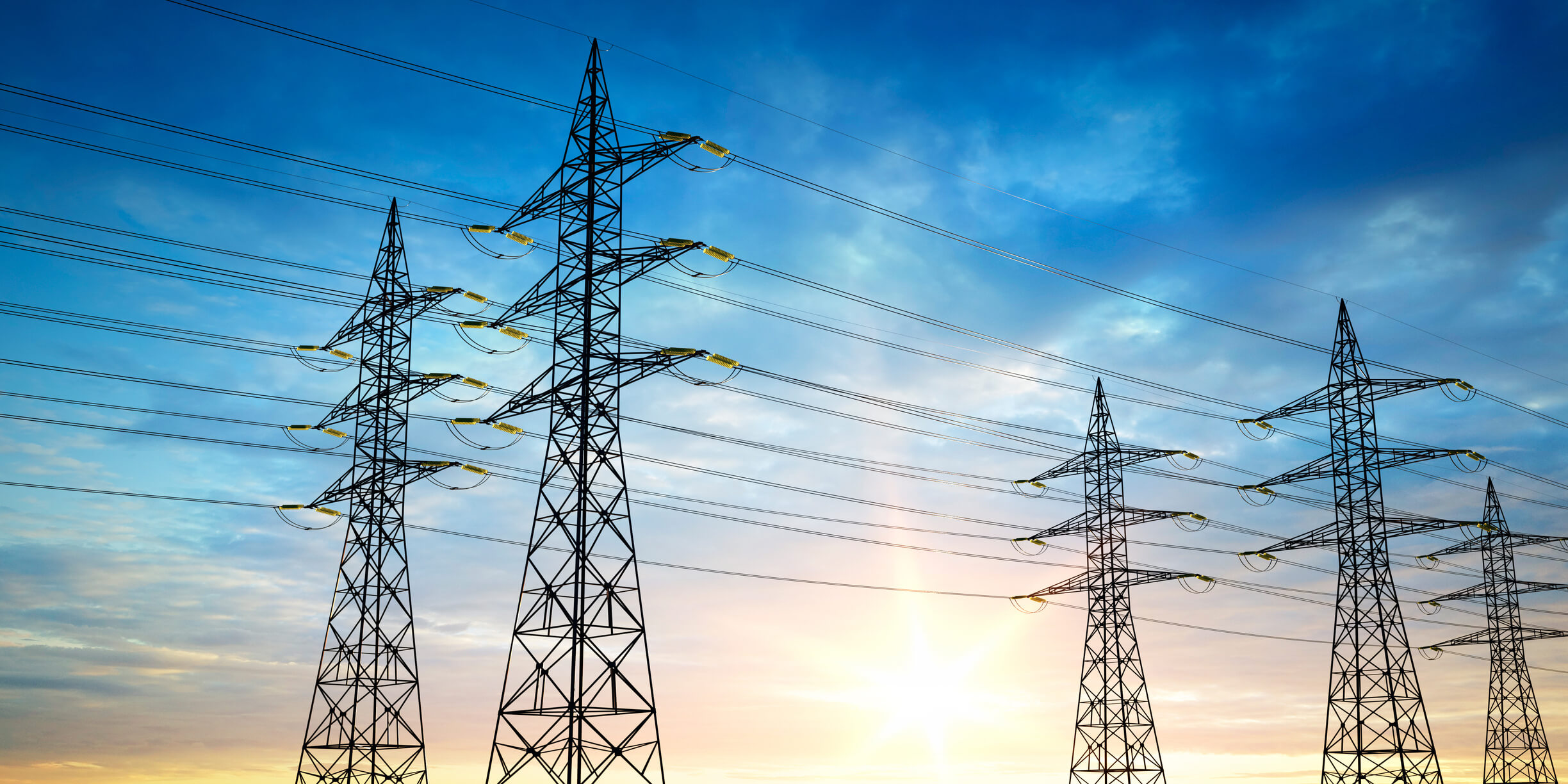
Energy price politics is not a new game in Washington. Typically, politicians blame the opposing side for higher gas prices. These days, higher prices are at the meter as electricity rates have more than doubled the inflation rate over the past year.
Energy
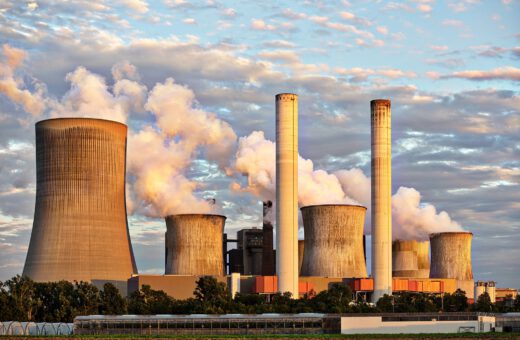
Executive Order 14300 explicitly calls for a re-evaluation of the Linear No-Threshold (LNT) model and the As Low As Reasonably Achievable principle (ALARA). These two frameworks have guided nuclear regulation for decades. While these models may have been defensible when first adopted, they have hardened into regulatory doctrines that no longer align with the best available science, economic realities, or the nation’s strategic energy goals.

Policy
The United States faces a growing strategic challenge: China has emerged as the world’s dominant energy financier, outpacing the U.S. nearly ten-to-one in global markets and establishing itself as a primary partner in key nations like Brazil. This first-of-a-kind analysis of U.S. and Chinese energy finance shows that, since 2015, China has outpaced the U.S. by more than 100x in public energy finance in Brazil, $60B to $472M.
Infrastructure
There has been bipartisan support for improving permitting processes, and both Republican and Democratic administrations have acknowledged the need to modernize NEPA. At a recent House Natural Resources Committee hearing, I testified to explain how narrowing the scope of environmental reviews and reining in the delays imposed by protracted litigation would help deliver more affordable power, reliable infrastructure, and a healthier environment.
Infrastructure
In the need to innovate, invest, and build for a cleaner, more prosperous future, time is far from a neutral variable. It can be a competitive advantage or a competitive disadvantage, depending on what you’re building and where you’re building it. Permitting reform will create more opportunities where investing and building in America is a competitive advantage, enabling us to meet our energy and infrastructure needs, as well as our environmental ambitions.
Culture
Tom Friedman, opinion columnist at the New York Times, recently complained that Trump’s tax bill “quickly phases out tax credits enjoyed by utility-scale solar and wind, as well as electric vehicle tax credits.” Well, yes. That’s the point. Instead of the federal government handing out subsidies and selecting winners and losers, we will allow consumers to drive the energy future.

Policy
Last month, EPA Administrator Lee Zeldin announced a proposed rule to overturn the 2009 endangerment finding. The finding, which declared greenhouse gases a threat to public health and welfare, provided the legal backbone for the federal government to regulate carbon dioxide from cars, trucks, power plants, manufacturing facilities, and more.