
Energy
The scale of power requested by data centers joining the grid is straining how utilities have historically connected large customers. When a customer needs vast, uninterrupted power, major system upgrades often follow and those upgrades should be paid for by data centers to the extent they cause them. That's the premise behind the White House's Ratepayer Protection Pledge: data center energy costs shouldn't slide onto household bills. But holding utilities and hyperscalers to that promise is proving harder than it sounds. A recently-filed data center transmission service agreement shows how, when sound ratemaking principles are overlooked, the true costs imposed by data centers become hard to identify and harder to properly bill.
By Dylan Maxik4 min readSeptember 15, 2026
→

Conservation
Earlier this month, a federal judge temporarily blocked the Bureau of Land Management (BLM) from forcing hundreds of bison from BLM grazing allotments in Montana. The ruling came months after BLM finalized the decision to revoke the conservation group American Prairie’s grazing permits and clear its bison off federal land by the end of September.
By Cecilia Fassett3 min readSeptember 14, 2026
→
Energy
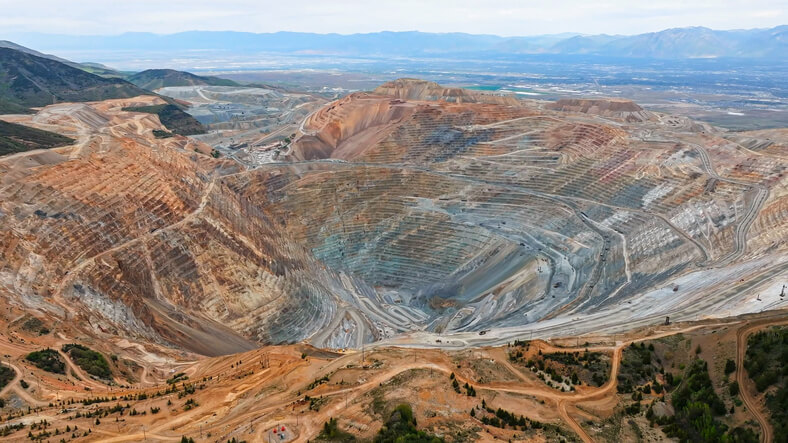
The Protecting Domestic Mining Act (H.R. 1501) just passed the House by a 218–201 vote, with seven Democrats crossing the aisle. The bill, which now heads to the Senate, makes mining and mineral processing eligible for expedited permitting under Title 41 of the Fixing America's Surface Transportation Act (known as FAST-41) and blocks a Biden-era proposal that would have limited that eligibility to "critical" minerals.
By David Kemp3 min readSeptember 9, 2026
→

Infrastructure
Americans just lived through one chip shortage. They’re about to live through another, and this one could hit their wallets even harder. The culprit this time isn’t a pandemic disrupting factories; it’s an artificial intelligence (AI) boom devouring the world’s memory chip supply. If Washington isn’t careful, the policy response could make the problem worse, not better.
By Nick Loris5 min readSeptember 8, 2026
→

Transportation
The United States is the world’s largest oil and gas producer, but energy abundance means little if that energy cannot reach the people who need it.
By Nick Loris4 min readAugust 24, 2026
→

Energy
To unlock affordable grid capacity, policymakers should require utilities to consider the best-available line technologies by default, while utilities themselves modernize planning to reinforce their affordability commitment to customers.
By Dylan Maxik4 min readAugust 20, 2026
→

Energy
Before instituting sweeping policies that risk creating costs and distortions worse than the supply disruptions and Chinese dependence they aim to solve, Washington needs to weigh the benefits of intervention against its costs.
By David Kemp4 min readAugust 19, 2026
→

Energy
Governments shouldn’t determine which forms of energy are “good” or “bad,” using subsidies and mandates to boost the good while imposing restrictions to hobble the bad. Instead, decisions about the fuel mix should be left to the market as much as possible.
By Josiah Neeley3 min readAugust 18, 2026
→
Energy
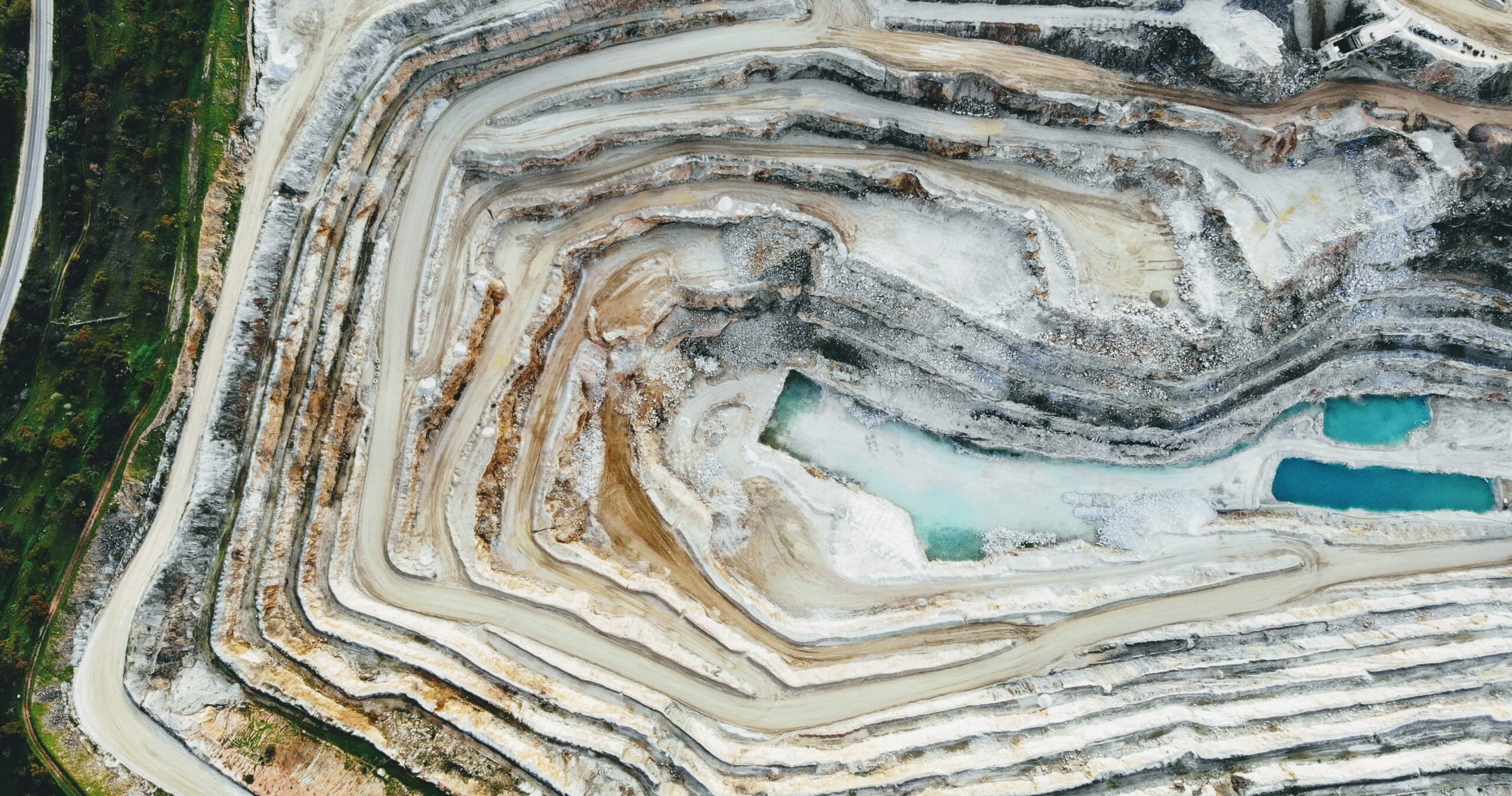
The risks posed by this concentration are worth taking seriously. The problem is that these tools may force taxpayers to take on unnecessary risk—leaving them stuck with the bill if the companies fail—without addressing the underlying problem.
By David Kemp4 min readAugust 13, 2026
→

Conservation
The need to reduce fire risk is apparent, and we know how to do so through active forest management. Yet policy continues to slow those efforts down and that urgently needs to change.
By Cecilia Fassett4 min readAugust 12, 2026
→
