Earlier this week, I had the privilege of testifying before the Natural Resources Committee on permitting reform. One of the bills up for discussion was the Standardizing Permitting and Expediting Economic Development (SPEED) Act (H.R. 4776). The legislation would implement critical reforms to the permitting process by narrowing the scope of environmental reviews and reining in the delays imposed by protracted litigation. In my oral remarks below, I emphasize the need for permitting reform, the challenges project developers face today, and the benefits that will accrue to American families, the economy, and the environment if policymakers are successful in advancing permitting reform.
In the need to innovate, invest, and build for a cleaner, more prosperous future, time is far from a neutral variable. It can be a competitive advantage or a competitive disadvantage, depending on what you’re building and where you’re building it. Permitting reform will create more opportunities where investing and building in America is a competitive advantage, enabling us to meet our energy and infrastructure needs, as well as our environmental ambitions.
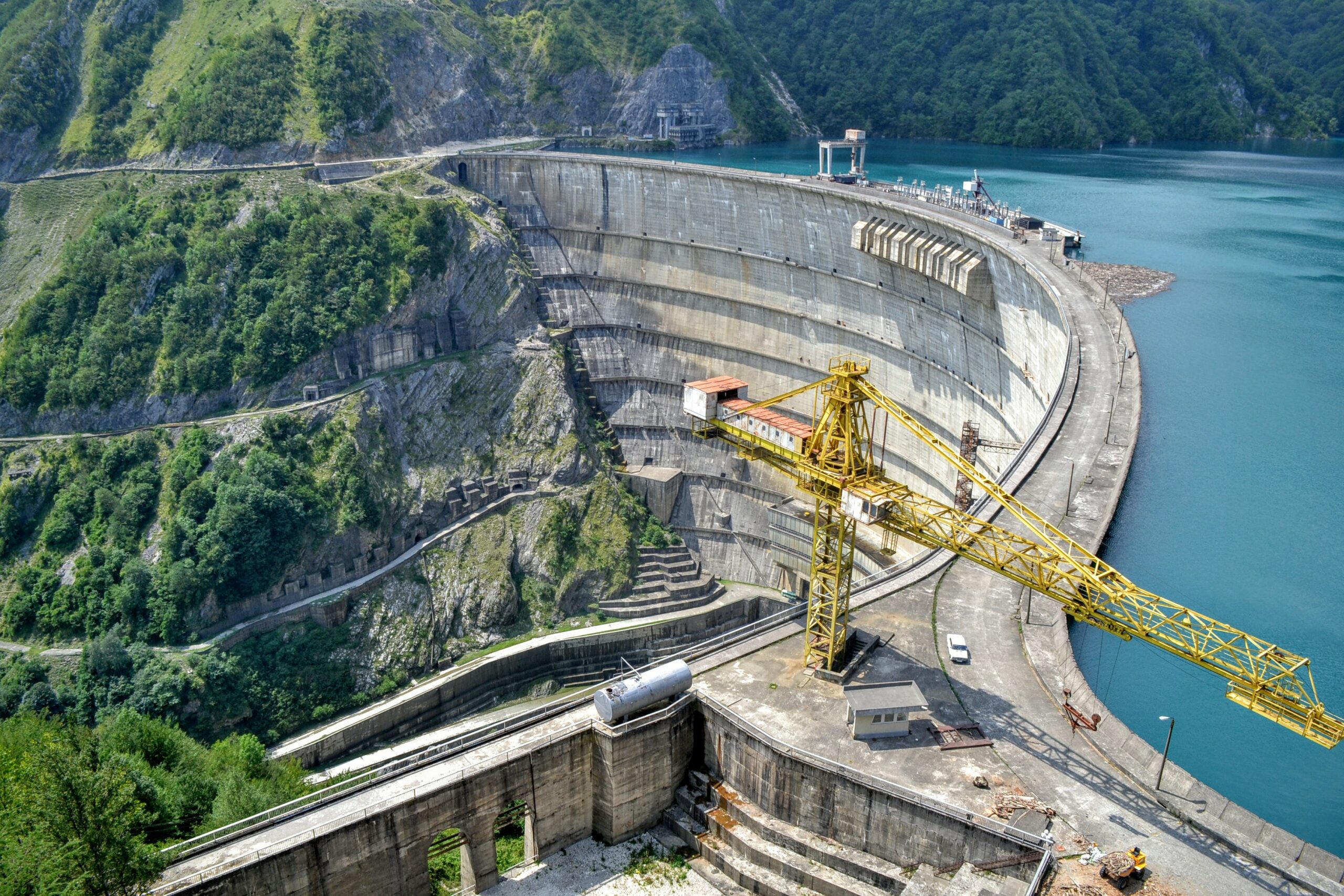
In nearly every sector of the economy, there is a clear and urgent need to increase supply. Across the U.S., electricity prices are more than twice the inflation rate, and supply must expand rapidly to meet rising demand. Demand from data centers alone could double by 2030, requiring roughly six times the power that New York City consumes today.
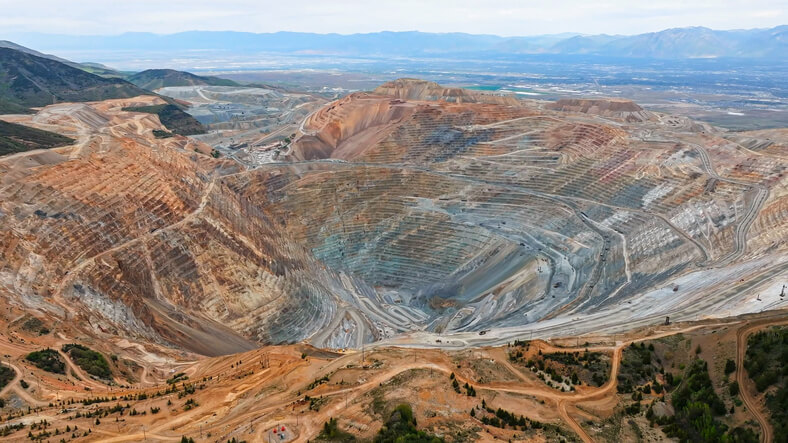
We need more critical minerals, which are essential for producing clean, affordable energy, defense systems, and the modern technologies that we rely on daily. We also need infrastructure with resilient supply chains to keep grocery stores stocked with food, hospitals supplied with medicine, and to connect American businesses with consumers worldwide.
We must invest in and actively manage America’s natural ecosystems. Currently, the Forest Service faces an 80-million-acre backlog requiring restoration, and 63 million acres are at high or very high risk of wildfire. Prescribed burns, timber harvesting, and deploying advanced technologies will significantly reduce the economic and environmental costs that wildfires inflict on communities.
Whether it is a solar array on federal lands, a new rail project, or a prescribed burn, these projects can face burdensome permitting processes and excessive litigation. While many regulatory reforms are necessary at the federal, state, and local levels, one law in urgent need of modernization is the National Environmental Policy Act. A well-intentioned “look before you leap” statute, NEPA has devolved into paralysis by analysis, inviting protracted legal battles.
More thorough reviews and litigation significantly extend timelines, raise costs, and heighten uncertainty. In fact, just the threat of litigation increases timelines as risk-averse agencies seek to protect themselves against lawsuits.
Anecdotal evidence and agency-wide data from NEPA reviews support these claims. Several studies in recent years have documented that the average time to prepare an Environmental Impact Statement is over 4 years.
These lengthier processes disproportionately hinder the development of clean energy. A 2023 study by the R Street Institute reviewed EISs conducted by the Department of Energy and the Bureau of Land Management. The analysis found DOE had twice as many clean energy projects requiring EISs as fossil fuels, while BLM projects had nearly four times the number of clean energy projects compared to fossil fuels.
Litigation also adds an average delay of roughly 4 years as solar, transmission, and wind energy projects face some of the highest rates of litigation. Forest management projects can be delayed by years, threatening the ability to protect communities and critical habitats.
Measuring the total costs of an outdated, bureaucratic permitting process is challenging. There are some projects that could have saved forests, lowered energy bills, and reduced emissions that just never happened or are still delayed for years, if not decades. However, there are clear benefits from permitting reform to highlight:
A more transparent and consistent process that narrows the scope of reviews, prevents agencies from having to consider endless “what ifs,” and delivers on judicial reform will help provide American companies with the certainty they need to innovate, invest, and build. Leveraging technology will help modernize, simplify, and expedite the process, which will benefit project developers and agencies alike.
Along with creating shovel-ready jobs and injecting capital into the U.S. economy, American families will benefit from more affordable power, a more resilient grid, and dependable infrastructure.
Critically, permitting reform gives us more bites at the apple to reap the substantial economic and environmental spillovers from innovation. We don’t know what the next fracking revolution in the U.S. might look like, whether it’s superhot geothermal, SMRs, or long-duration battery storage or most likely some combination thereof.
Whatever it may be, strict permitting requirements create higher barriers to entry for transformative, potentially game-changing technologies. Red tape shouldn’t stand in the way of wide-scale deployment.
Permitting reform is not about eliminating the need to engage and consult with communities and tribes but about empowering them and addressing their concerns while cutting through the redundancies, box-checking, and bureaucracy.
Permitting reform is not about lowering the standards for environmental safeguards—it’s about enabling developers to meet those standards more quickly, thereby addressing America’s energy, infrastructure, and conservation needs.
With bipartisan, bicameral interest in permitting reform, it is an opportune moment for a policy realignment that focuses on building rather than blocking.