
Policy
This month, C3 Solutions Action signed on to a bipartisan coalition letter calling for steady, robust federal funding for energy research, development, and demonstration. Addressed to the leadership of the House and Senate Appropriations Committees, the letter highlights the United States’ long history of energy innovation and the importance of maintaining that leadership.
By David Kemp2 min readMay 18, 2026
→

Conservation
When wildfires are treated as a temporary, seasonal disruption rather than a continual, chronic risk, the default policy response is suppression. But a new analysis from PERC shows just how much that’s costing us.
By Cecilia Fassett4 min readMay 14, 2026
→
Energy
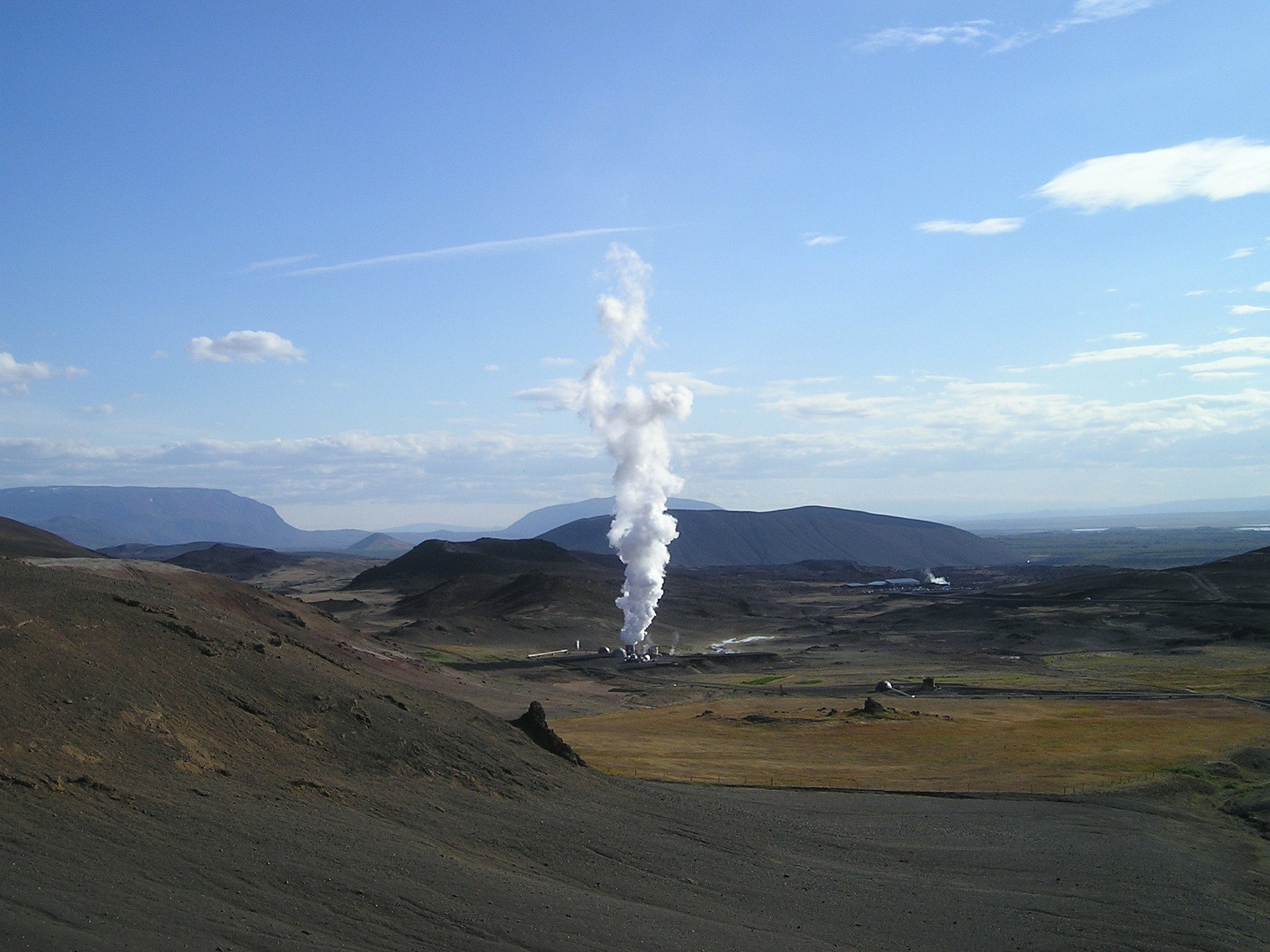
The Department of Energy’s Hydrocarbons and Geothermal Energy Office (HGEO) is allocating $14 million to fund field-testing of next-generation geothermal technologies. According to an announcement on April 14, the Pennsylvania-based enhanced geothermal systems (EGS) pilot project will reuse existing oil and gas infrastructure to test the potential of geothermal energy in the eastern U.S., where resources are less accessible due to the region’s unfavorable geology.
By Nathalie Voit3 min readMay 13, 2026
→

Energy
The national average for gas prices has surpassed $4.50 per gallon, up roughly 45% from a year ago. If Congress passes a bill that allows for year-round higher ethanol content in gasoline (“E15”) without protecting small refineries, Americans’ pain at the pump will only get worse.
By Nick Loris4 min readMay 12, 2026
→
Policy
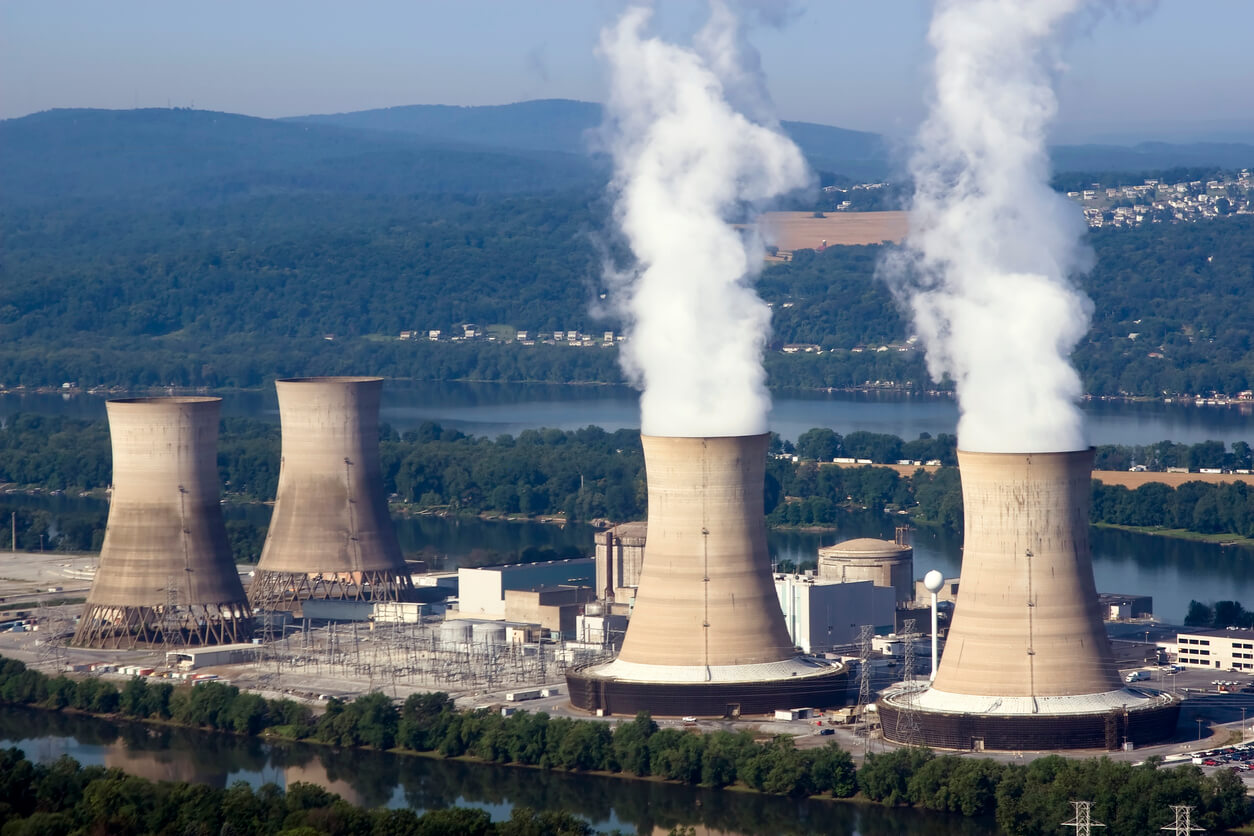
In the coming months, the Nuclear Regulatory Commission (NRC) will finalize a slate of rulemakings that, taken together, represent the most consequential overhaul of America’s nuclear regulatory framework in nearly 70 years. The modernizations will address many significant regulatory cost drivers that have disadvantaged advanced nuclear energy as a reliable, emissions-free, dispatchable source of power. For nuclear energy to be a viable option, it needs to work for the American taxpayer and ratepayer. The NRC’s reforms give all forms of nuclear power a better shot at doing so.
By Nick Loris4 min readMay 11, 2026
→
Energy
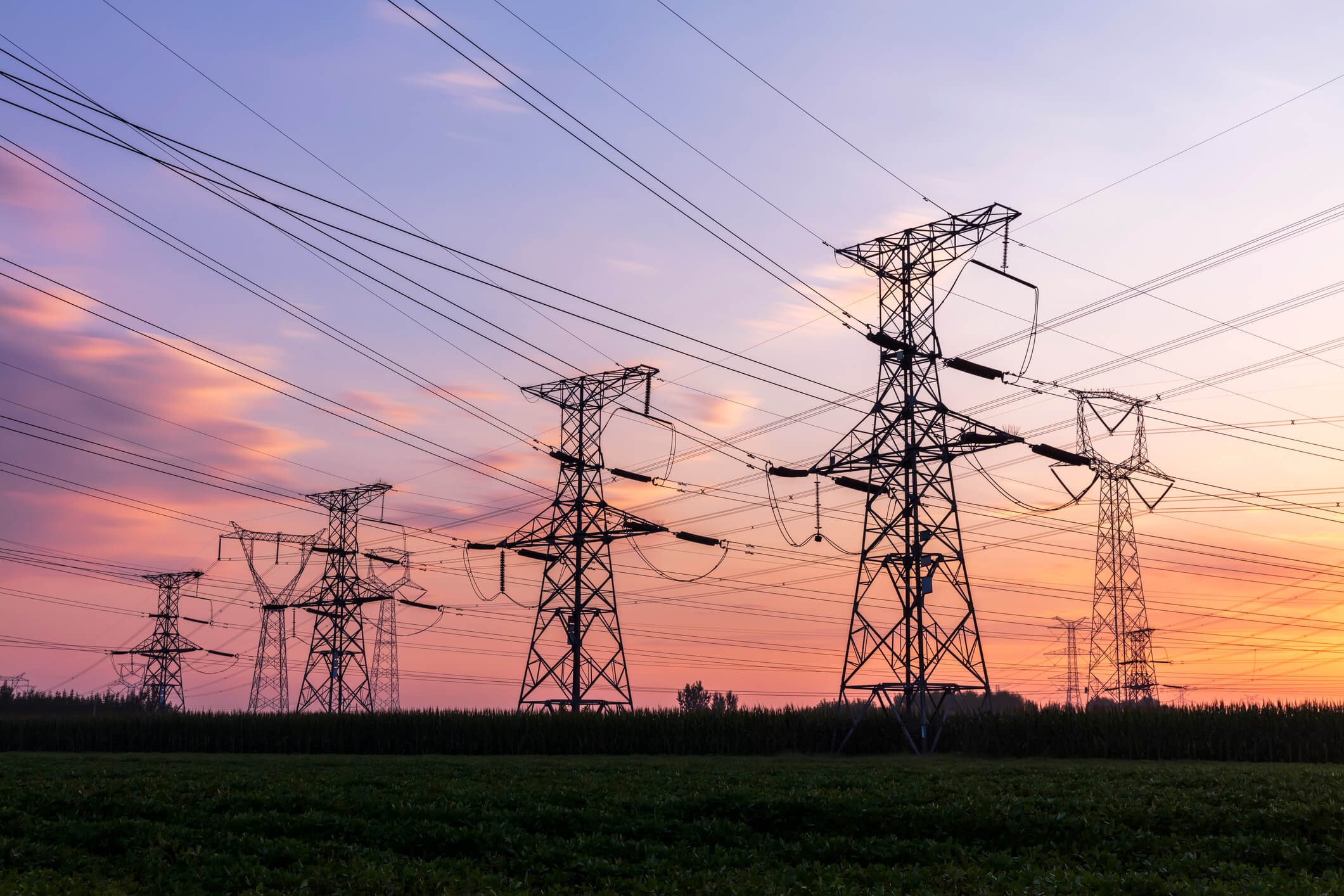
In a rare Level 3 alert, the North American Electric Reliability Corporation (NERC) warns that hyperscale data centers are introducing volatile, hard-to-predict load swings—where gigawatts can drop off the grid in seconds—that utilities aren’t equipped to manage, creating a new reliability risk as electricity demand surges. This comes on the heels of recent Senate and House hearings on the state of the bulk power system and how to meet growing electricity demand while protecting ratepayers.
By Nick Loris4 min readMay 7, 2026
→
Energy
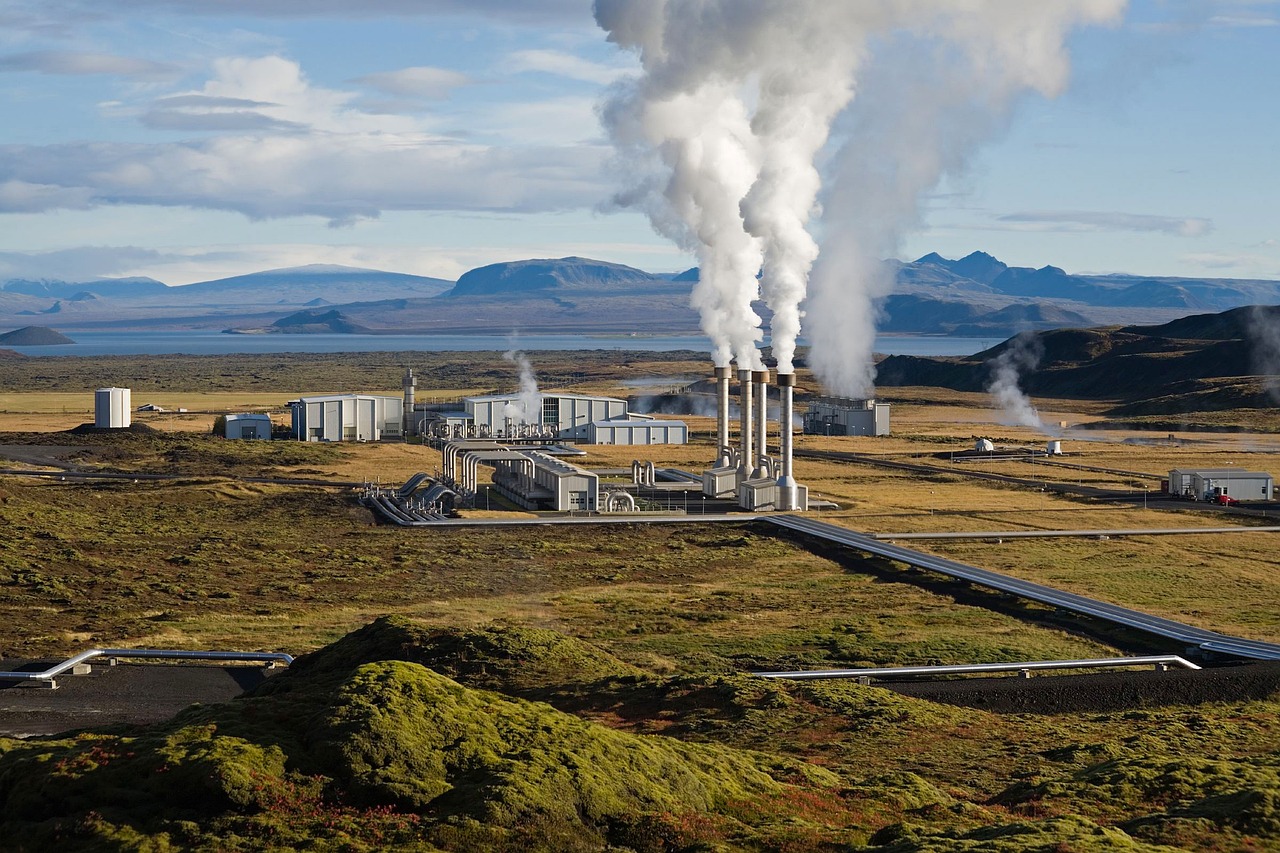
The fallout in global energy markets from the ongoing conflict in Iran demonstrates the perils of overrelying on a single energy source like oil to meet America’s energy needs. As countries are forced to ration fuel and subsidize energy costs, sustainable alternatives like geothermal power are receiving renewed and well-deserved attention for their ability to deliver reliable, always-on power without the risks of price volatility or supply disruptions.
By Nathalie Voit2 min readMay 6, 2026
→
Energy
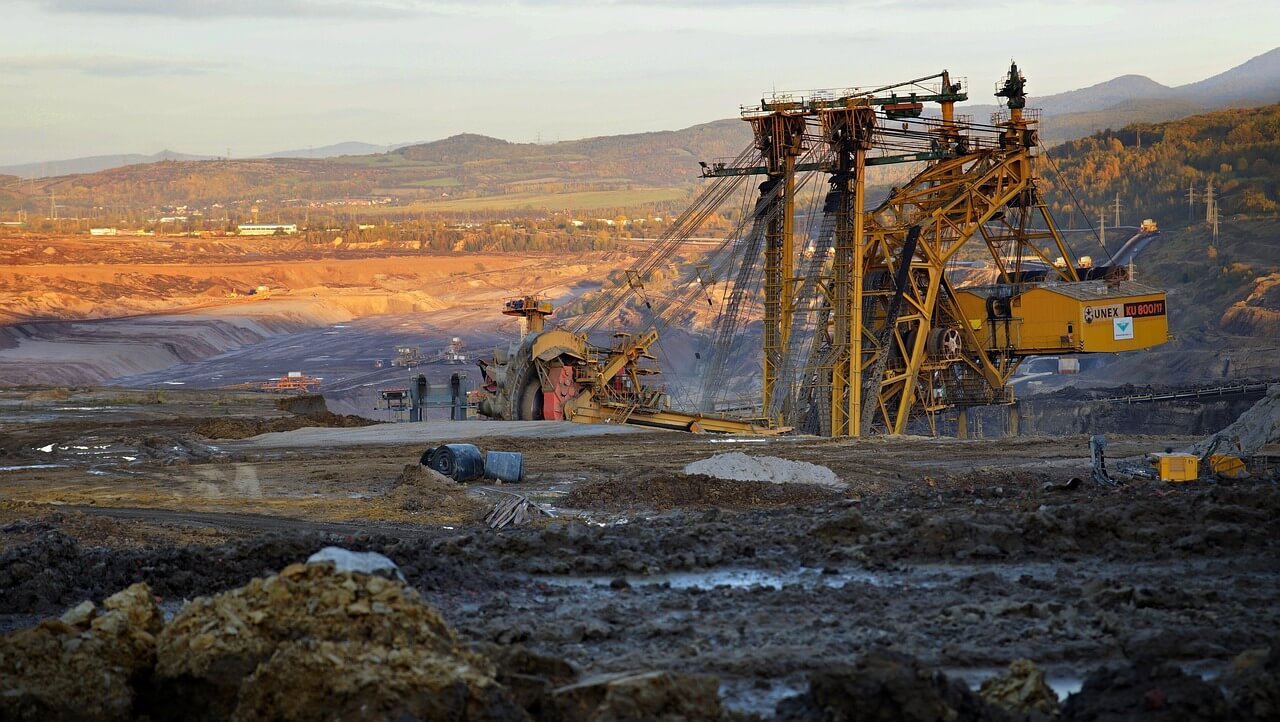
Critical minerals have become a marquee issue in Washington over the past several years, driven by growing concern that the United States and its allies depend too heavily on China for materials that are indispensable to both the civilian economy and the defense industry.
By David Kemp5 min readMay 5, 2026
→

Agriculture
American agriculture is becoming increasingly reliant on technology. From precision agriculture to virtual fencing, farmers and ranchers are finding smarter ways to manage their operations, driving productivity and environmental gains at the same time. But most of these tools depend on one thing: reliable connectivity.
By Cecilia Fassett3 min readMay 4, 2026
→
Economics
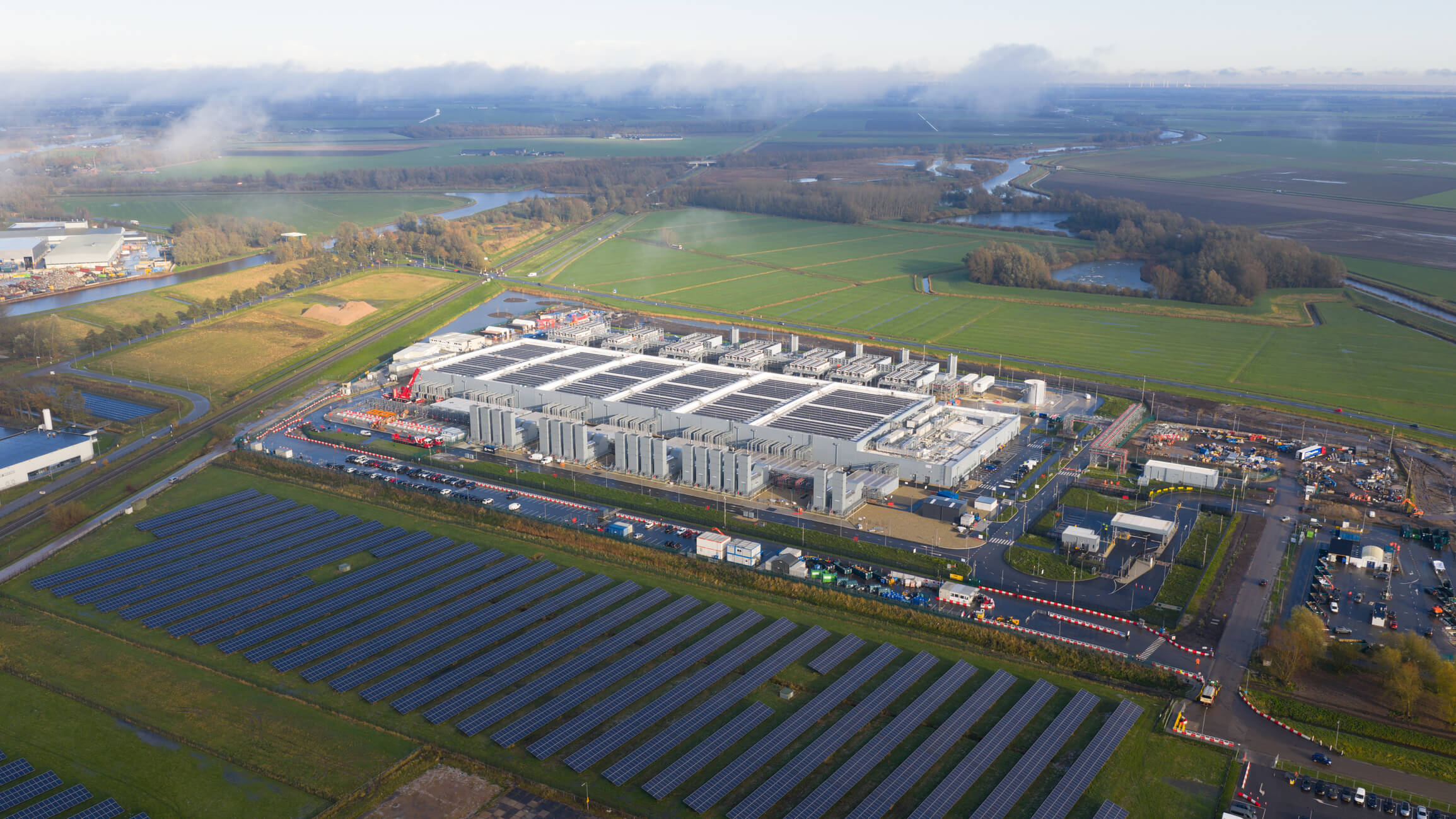
Growing opposition to data centers is beginning to expose divides in both parties. Last week, POLITICO reported that progressive challengers in battleground House primaries in Tennessee, Indiana, Virginia, and Maine are backing a national moratorium on datacenter construction.
By David Kemp and Prasanna Pydipalli4 min readApril 30, 2026
→
