
Energy
Since the White House announced its Ratepayer Protection Pledge earlier this year, people have repeatedly noted that it’s just that—a non-binding pledge to protect households from data center…
By Dylan Maxik4 min readSeptember 30, 2026
→
Energy
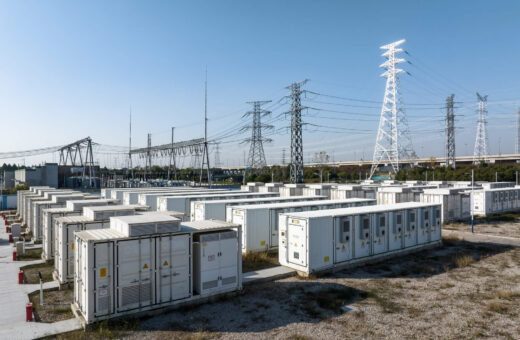
America’s rural population of 66 million could benefit immensely from emerging technologies and a future of abundance. In particular, long-duration energy storage (LDES) could unlock cheaper, more reliable electricity for rural Americans all over the country. Unfortunately, regulatory problems could slow down or even prevent progress on LDES. Now is the time to fix these issues and pave the way for solutions.
By Zack Weiss5 min readSeptember 21, 2026
→

Agriculture
Tech giant Google has agreed to purchase one million carbon credits from Indian startup Mitti Labs to offset methane emissions from rice farming. As one of the world’s staple grains, rice cultivation accounts for approximately 12 percent of methane emissions worldwide. Unfortunately, its presence in every kitchen cabinet also means that reducing the crop’s carbon footprint is no simple task.
By Nathalie Voit2 min readSeptember 17, 2026
→

Energy
The scale of power requested by data centers joining the grid is straining how utilities have historically connected large customers. When a customer needs vast, uninterrupted power, major system upgrades often follow and those upgrades should be paid for by data centers to the extent they cause them. That's the premise behind the White House's Ratepayer Protection Pledge: data center energy costs shouldn't slide onto household bills. But holding utilities and hyperscalers to that promise is proving harder than it sounds. A recently-filed data center transmission service agreement shows how, when sound ratemaking principles are overlooked, the true costs imposed by data centers become hard to identify and harder to properly bill.
By Dylan Maxik4 min readSeptember 15, 2026
→
Conservation
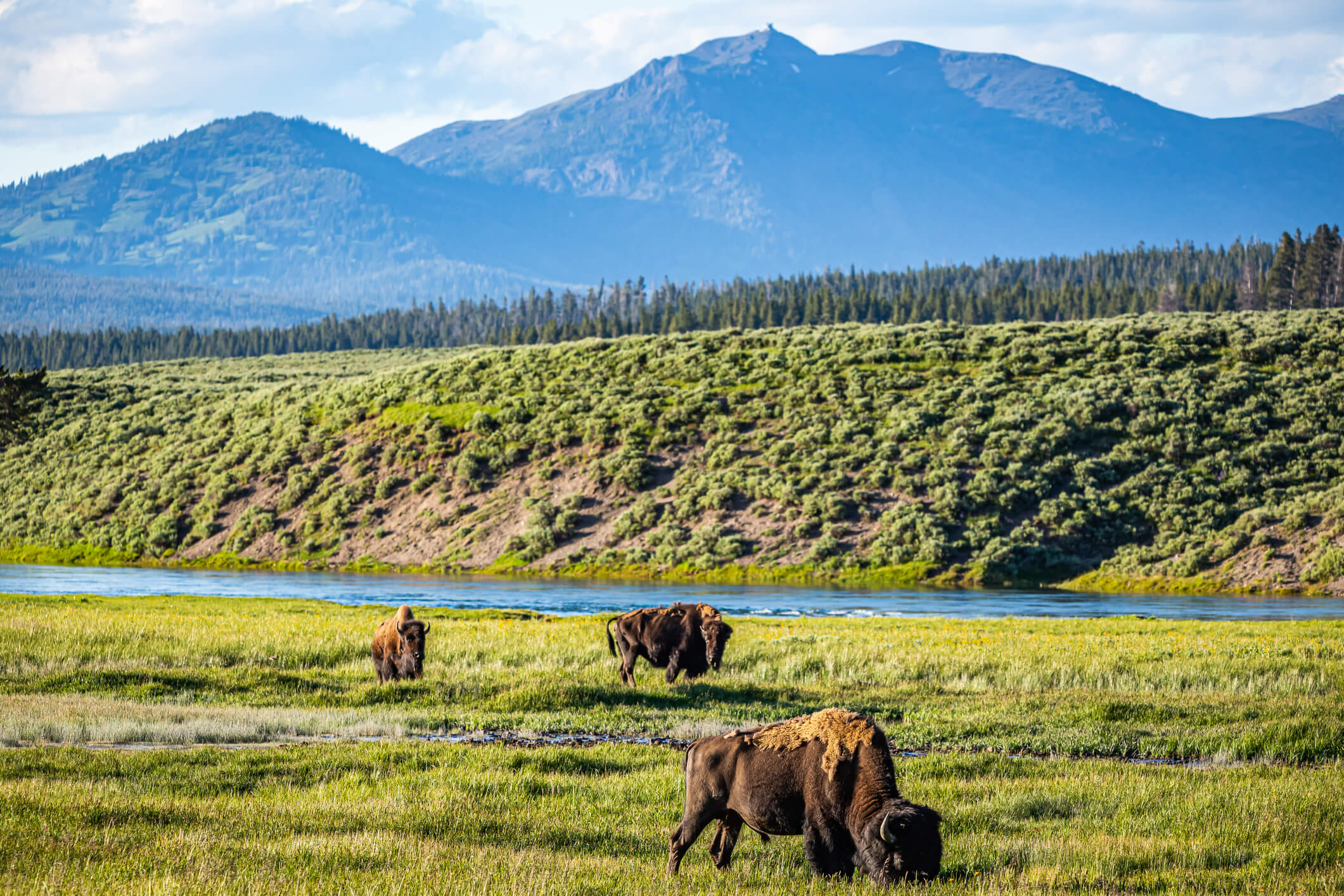
Earlier this month, a federal judge temporarily blocked the Bureau of Land Management (BLM) from forcing hundreds of bison from BLM grazing allotments in Montana. The ruling came months after BLM finalized the decision to revoke the conservation group American Prairie’s grazing permits and clear its bison off federal land by the end of September.
By Cecilia Fassett3 min readSeptember 14, 2026
→
Infrastructure
Some critics have complained that Trump’s Environmental Protection Agency can’t protect us from the supposed environmental harms of data centers if they cut down on red tape to streamline building permits. That’s part of a broader narrative that data centers are bad for the environment, but it ignores their benefits.
By Andrew Follett3 min readSeptember 10, 2026
→
Energy
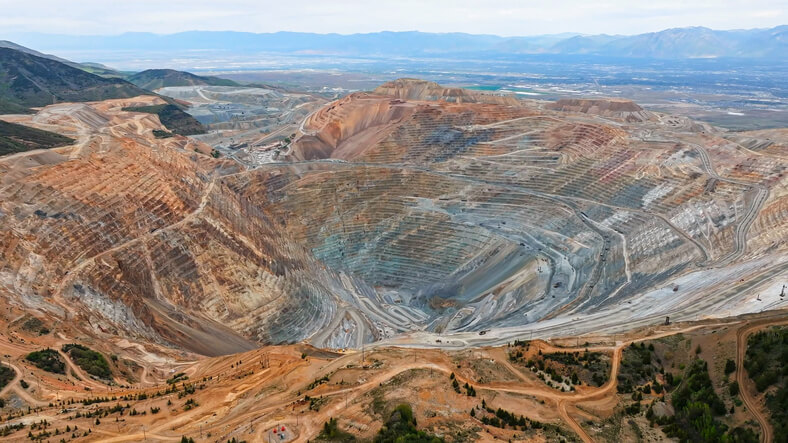
The Protecting Domestic Mining Act (H.R. 1501) just passed the House by a 218–201 vote, with seven Democrats crossing the aisle. The bill, which now heads to the Senate, makes mining and mineral processing eligible for expedited permitting under Title 41 of the Fixing America's Surface Transportation Act (known as FAST-41) and blocks a Biden-era proposal that would have limited that eligibility to "critical" minerals.
By David Kemp3 min readSeptember 9, 2026
→

Infrastructure
Americans just lived through one chip shortage. They’re about to live through another, and this one could hit their wallets even harder. The culprit this time isn’t a pandemic disrupting factories; it’s an artificial intelligence (AI) boom devouring the world’s memory chip supply. If Washington isn’t careful, the policy response could make the problem worse, not better.
By Nick Loris5 min readSeptember 8, 2026
→

Infrastructure
Leveraging Xylem's 'smart sewer' technology, the community of South Bend, Indiana, was able to save around $400 million in planned infrastructure spending... roughly one billion gallons of polluted water are now prevented from contaminating the St. Joseph River every year.
By Nathalie Voit2 min readSeptember 2, 2026
→
Energy
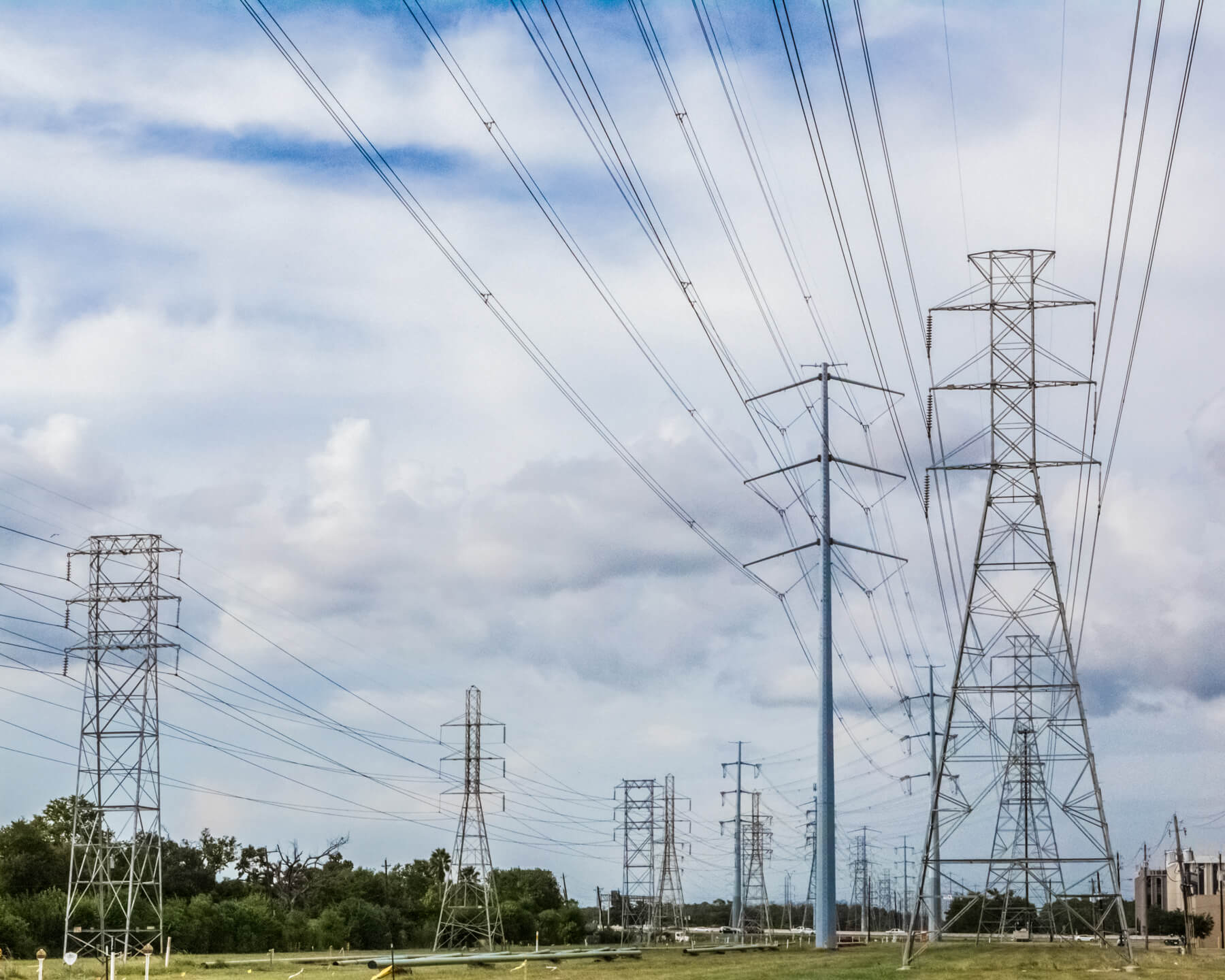
Announced megawatts are like leased acres, but energized, used, and profitable megawatts are like productive wells. The boom is genuine, and success will depend on precision, discipline, and pragmatism.
By Dan Romito4 min readSeptember 1, 2026
→
