Energy
Solar power is now among the cheapest forms of electricity on Earth. Yet the industry still behaves as if it can’t survive without government support. Since President Donald Trump signed the “One Big Beautiful Bill” last July 4, the solar industry has sounded alarms.
By Drew Bond4 min readApril 29, 2026
→
Energy
Transmission is one of the most inefficiently regulated forms of infrastructure in the United States. Regulatory flaws reward inefficient projects, underdevelop efficient projects, and underutilize existing infrastructure. This has caused escalating transmission costs to consumers, while the gap between transmission need and infrastructure capacity widens.
By C3 Solutions4 min readApril 28, 2026
→

Infrastructure
The United States is the most energy-rich nation on earth. We have motivated capital, human ingenuity, a wide range of resources, and innovative technologies. With unprecedented energy demand needed in the next few years, the United States needs more power generation, more pipelines, and transmission lines.
By Nick Loris9 min readApril 27, 2026
→
Policy
Affordability has quickly overtaken climate change as the primary focus of energy policy. One reason may be that the climate policies adopted over the past decade are finally starting to bind, imposing added costs at a time of rising electricity demand and, in some parts of the country, higher power bills.
By David Kemp3 min readApril 23, 2026
→
Science & Tech
In a recent ruling, the Supreme Court handed the oil and gas industry a significant procedural win in a decade-long legal fight over Louisiana's eroding coastline. The decision changes where some of the cases will be heard, but it does not resolve the larger legal and policy problems at the heart of the litigation.
By Prasanna Pydipalli3 min readApril 22, 2026
→
Energy
Last November, President Donald Trump launched the Genesis Mission through an executive order (EO) that outlines 26 National Science and Technology Challenges, ranging from autonomous scientific labs to fusion energy to artificial intelligence (AI)-driven grid operations. Embedded in that order is a directive to use prize competitions to get there. This is a smart policy because prizes are a growing but still underutilized tool at the Department of Energy (DOE). Now the DOE needs to run with it.
By Adria Wilson and Nick Loris5 min readApril 21, 2026
→

Environment
ZymoChem, the San Leandro, California-based chemical biomanufacturer creating sustainable alternatives for everyday products, announced that its bio-based and biodegradable Super Absorbent Polymer (SAP), BAYSE, now matches or exceeds key performance metrics of conventional fossil-fuel based SAPs, according to company data.
By Nathalie Voit2 min readApril 20, 2026
→

Infrastructure
The National Historic Preservation Act (NHPA) was enacted in 1966 to protect America’s cultural heritage at a time when rapid development was destroying historic sites. Its core process, Section 106, requires federal agencies to consider how projects they fund, permit, or carry out affect historic and cultural resources. Though well-intentioned, nearly six decades later, Section 106 has become a source of uncertainty, delay, and rising costs for energy, transmission, and conservation projects.
By Cecilia Fassett4 min readApril 16, 2026
→
Policy
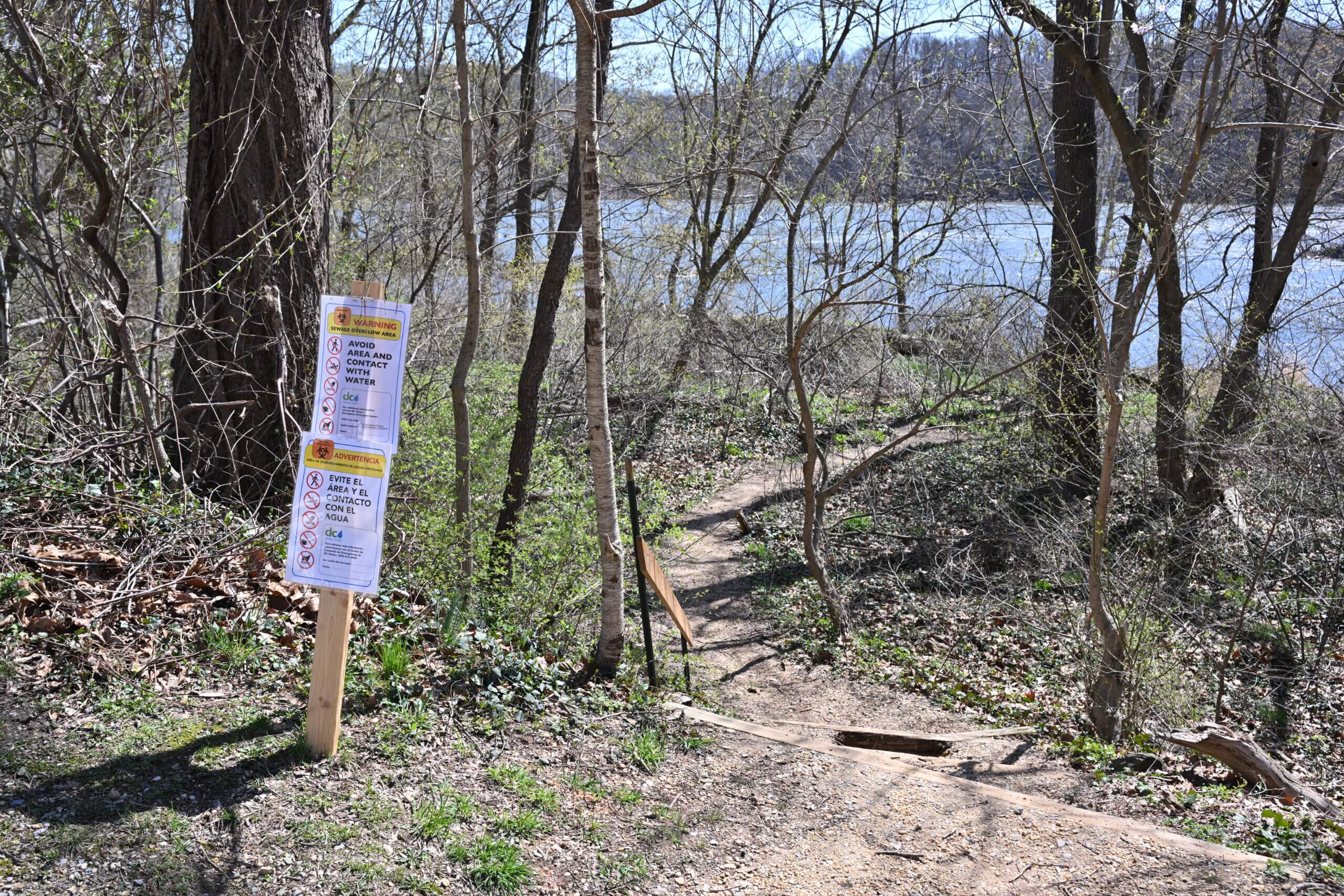
For five days, the equivalent of 350 Olympic-sized pools’ worth of sewage flooded into the Potomac River in a suburb of Washington, D.C. The cause? A clear failure in our permitting systems.
By Sydney Rodman4 min readApril 15, 2026
→
Conservation
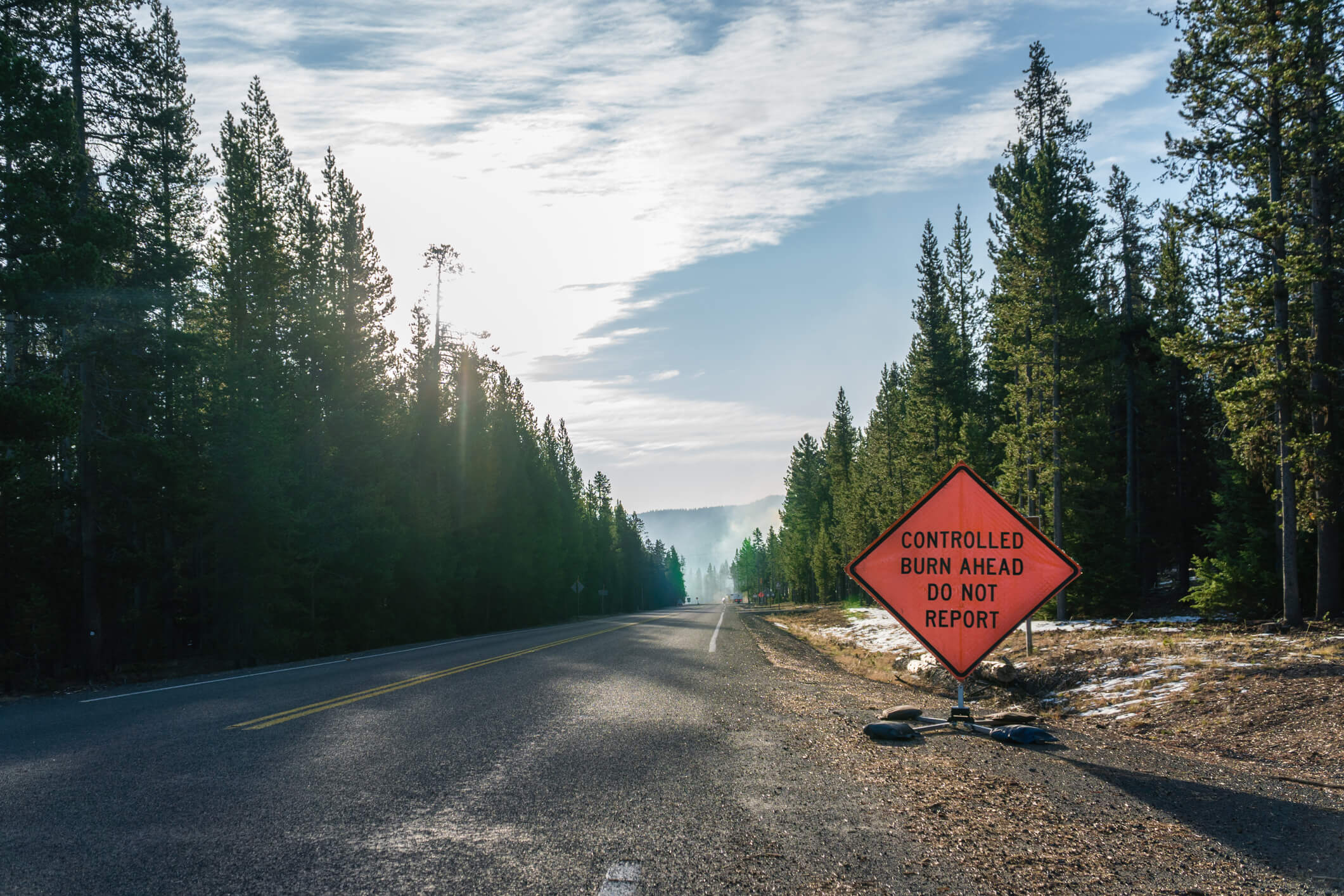
With respect to addressing America’s wildfire crisis, the CAA can ironically penalize states for conducting prescribed burns, which are among the most effective tools for preventing catastrophic wildfires and the harmful air pollution they produce.
By Cecilia Fassett3 min readApril 14, 2026
→
