Energy
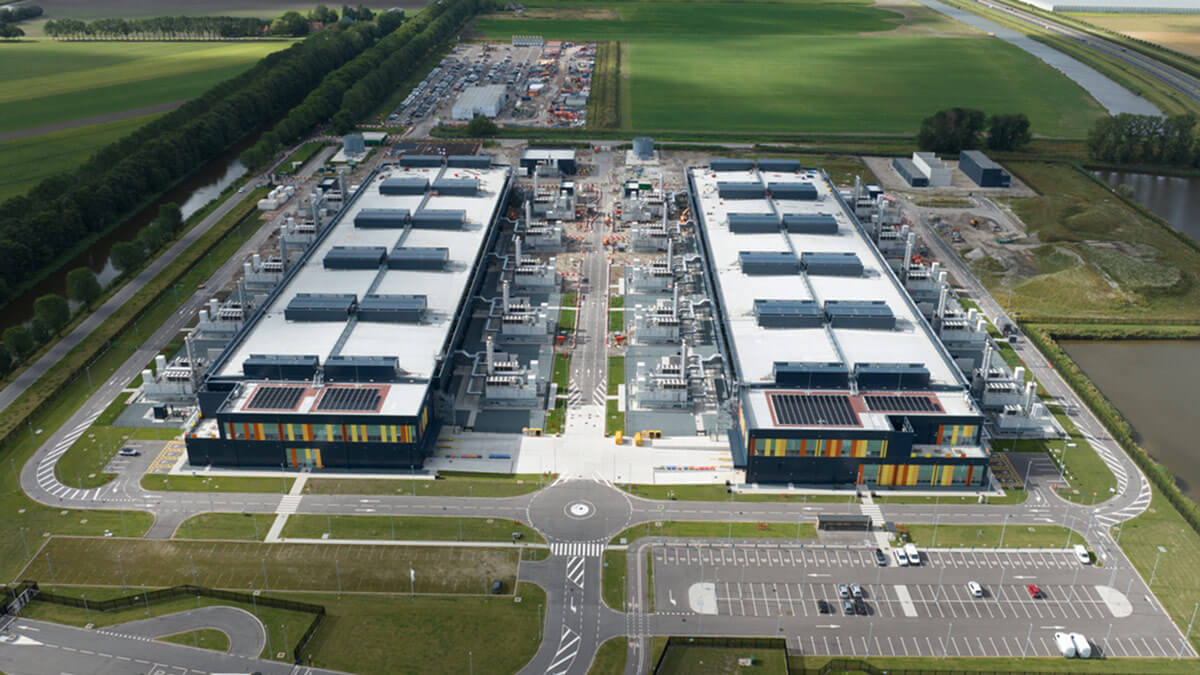
With the AI and data boom underway, electricity has become the top economic infrastructure for growth. Electricity has long been foundational to our society, powering our homes and businesses, but now, it is the primary infrastructure on which the digital economy, advanced manufacturing and an American industrial resurgence depend.
By Patrick Sullivan4 min readJune 8, 2026
→
Energy
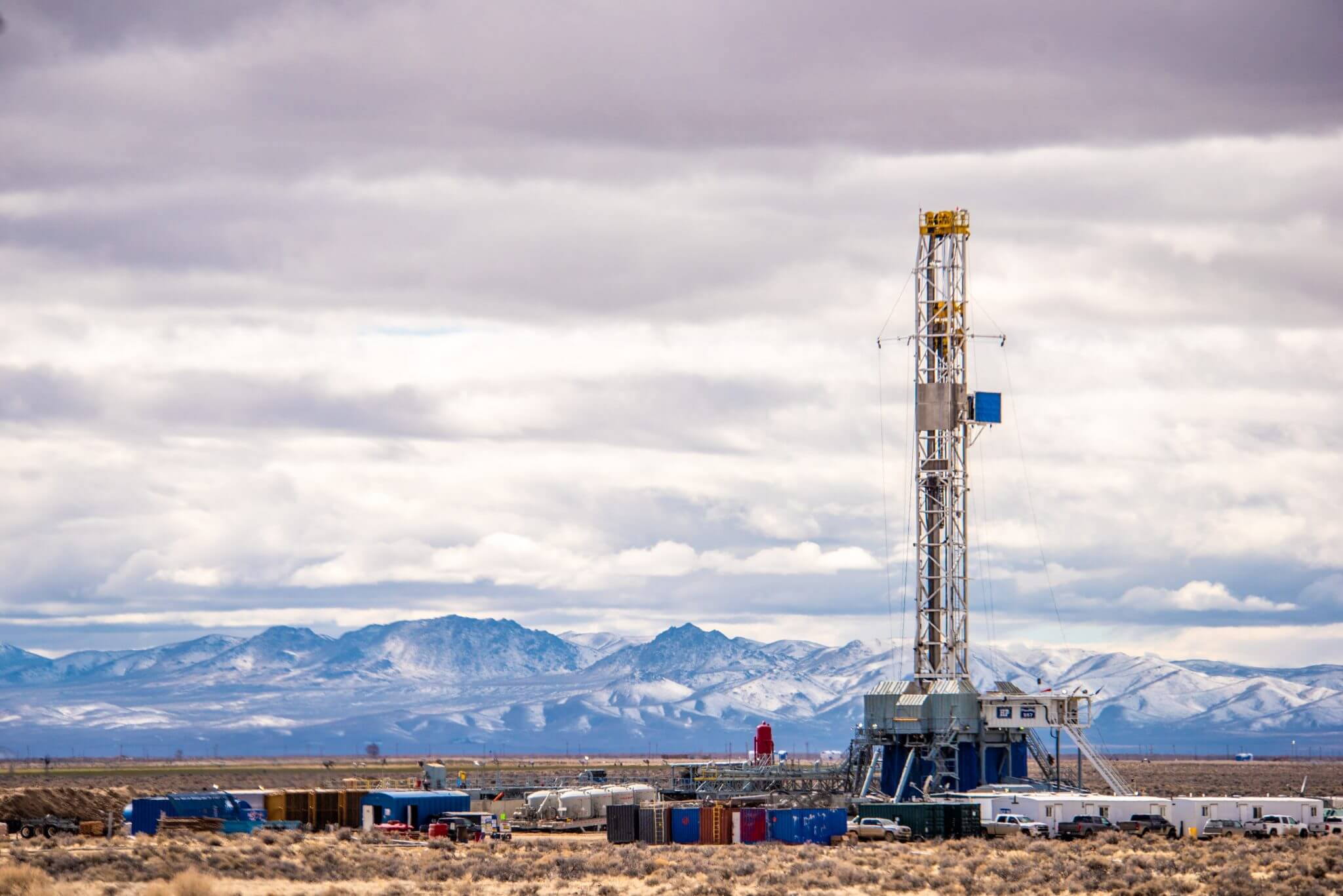
Two bills recently passed by the U.S. House—H.R.5631, the Geothermal Energy Advancement Act, and H.R.1687, the CLEAN Act—take direct aim at this regulatory dysfunction. Together, they represent a consequential step toward realizing the full extent of the geothermal opportunity as the legislation now moves to the Senate for consideration.
By Dylan Maxik3 min readJune 4, 2026
→

Energy
Since 1998, the federal government has paid nuclear reactor owners more than$10.6 billion in court-ordered damages over a broken contract of its own making. The tab grows by roughly $2 million a day, and total federal exposure may eventually reach $39.2 billion. The cause isn’t a safety failure or a market collapse but rather political failures.
By Prasanna Pydipalli4 min readJune 4, 2026
→
Energy
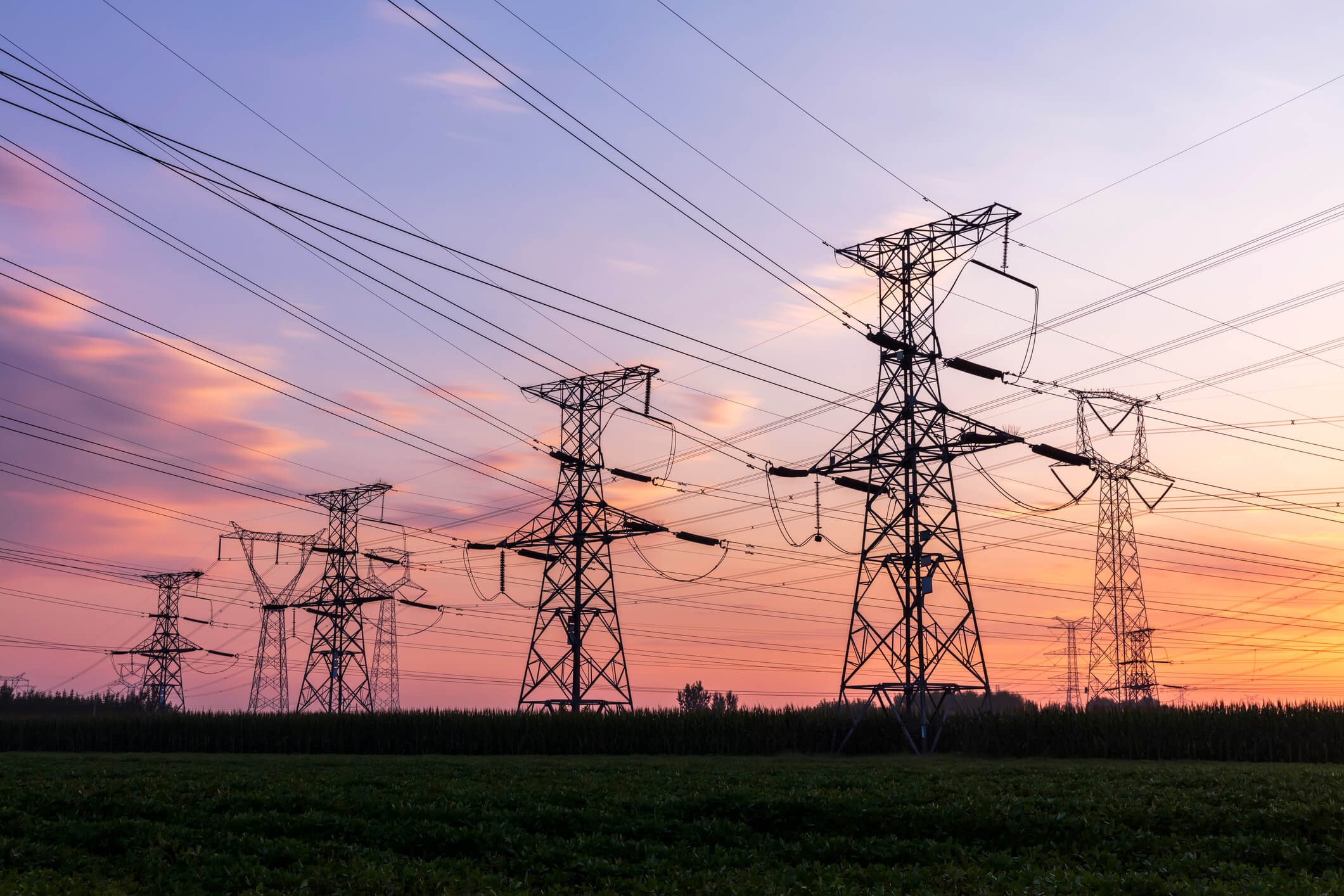
America’s electric grid is facing a structural breaking point. Trillions of dollars of artificial intelligence infrastructure, data centers, and industrial reshoring demand power today, but traditional high-voltage transmission upgrades take five to seven years to deliver firm capacity. Under the status quo, large energy consumers are forced to wait in line, threatening stymied global leadership and lost economic growth.
By Arushi Sharma Frank7 min readJune 2, 2026
→
Energy
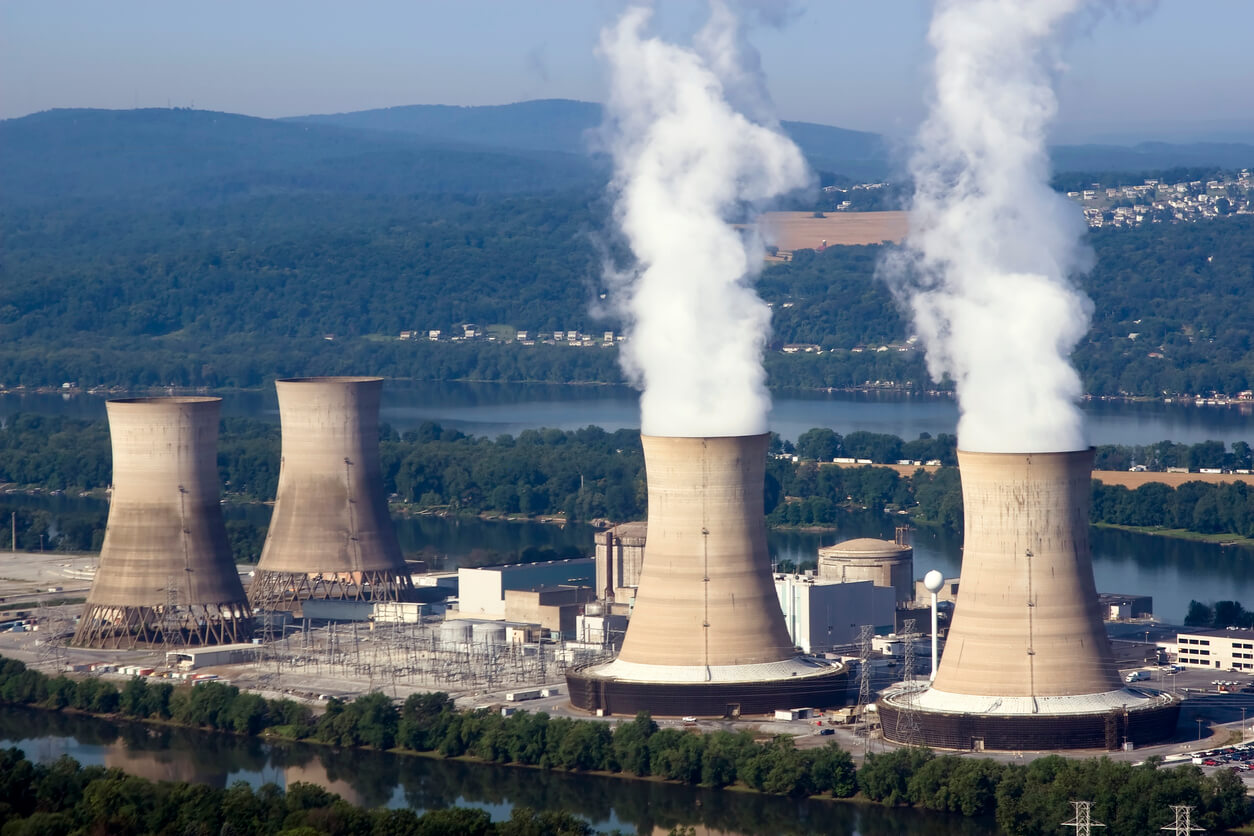
Nuclear energy is safe, clean, reliable, and scalable. It can power the artificial intelligence (AI) revolution, revitalize industrial communities, and help meet our environmental ambitions. So why does building a nuclear plant in the United States cost so much?
By Nick Loris5 min readMay 28, 2026
→
Environment
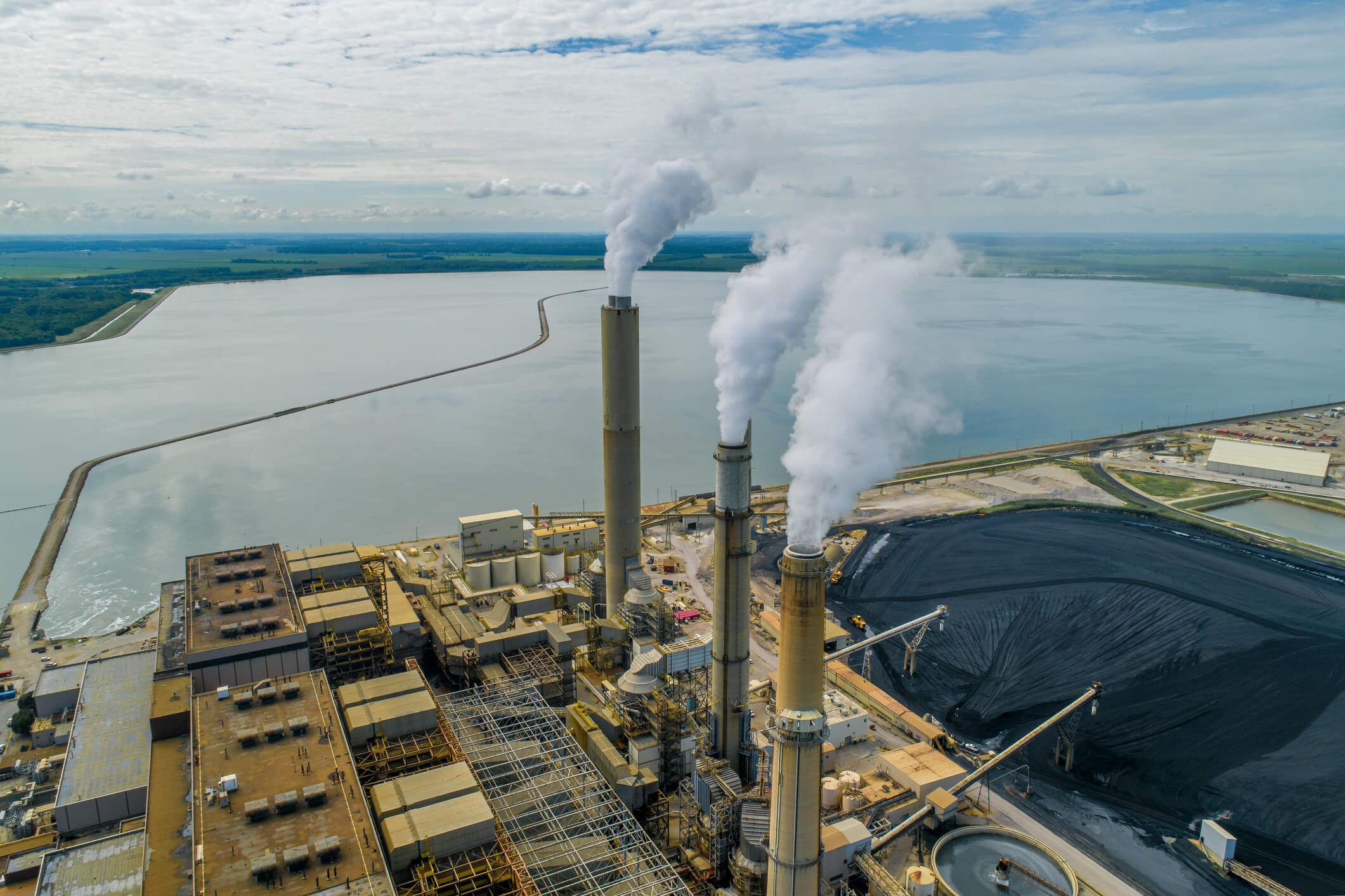
Across the United States, billions of tons of industrial waste could hold the key to revitalizing the country’s struggling critical metals sector. PHNX Materials is unlocking that opportunity by transforming waste into high-value materials for the agriculture, semiconductor, and building materials industries.
By Nathalie Voit3 min readMay 27, 2026
→

Agriculture
Farm Bill debates this year have been riddled with pesticide fights. While the House was passing its farm bill, the Supreme Court was gearing up for a major case that could change how pesticide companies are held liable for their labeling. At the heart of these debates is one chemical in particular: glyphosate.
By Cecilia Fassett3 min readMay 26, 2026
→
Energy
After two decades of flat demand, power consumption is surging. Grid Strategies forecasts 5.7 percent annual growth over the next five years, and the peak demand could be equivalent to 15 times New York City’s peak energy consumption.
Meanwhile, electricity prices are rising faster than inflation, and families and businesses across the country are feeling the effects.
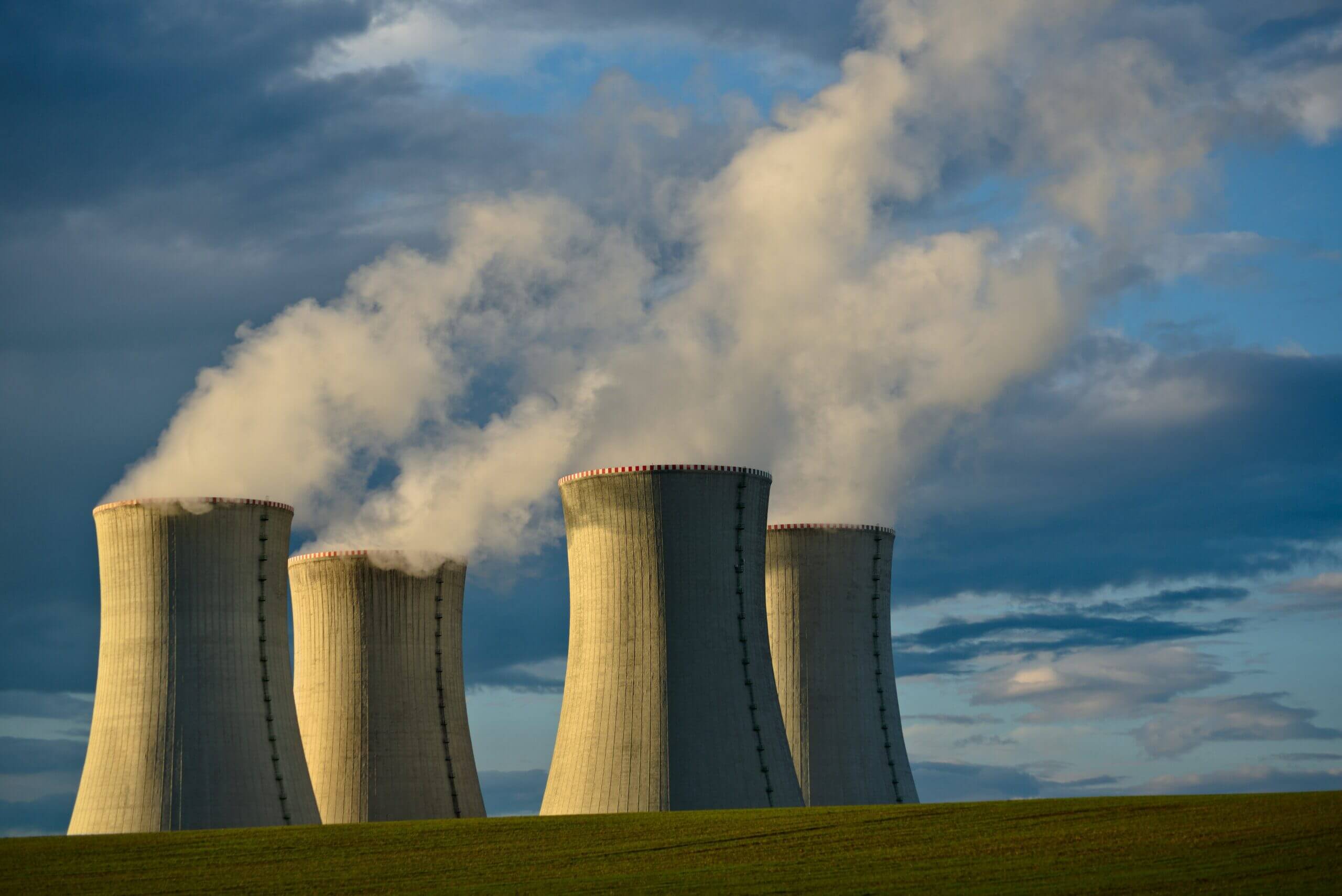
It’s clear we need more supply, and nuclear power can be part of the solution. It’s safe, clean, dependable, and scalable. The key question for policymakers and ratepayers alike is: Is it cost-competitive?
By Nick Loris4 min readMay 21, 2026
→
Energy
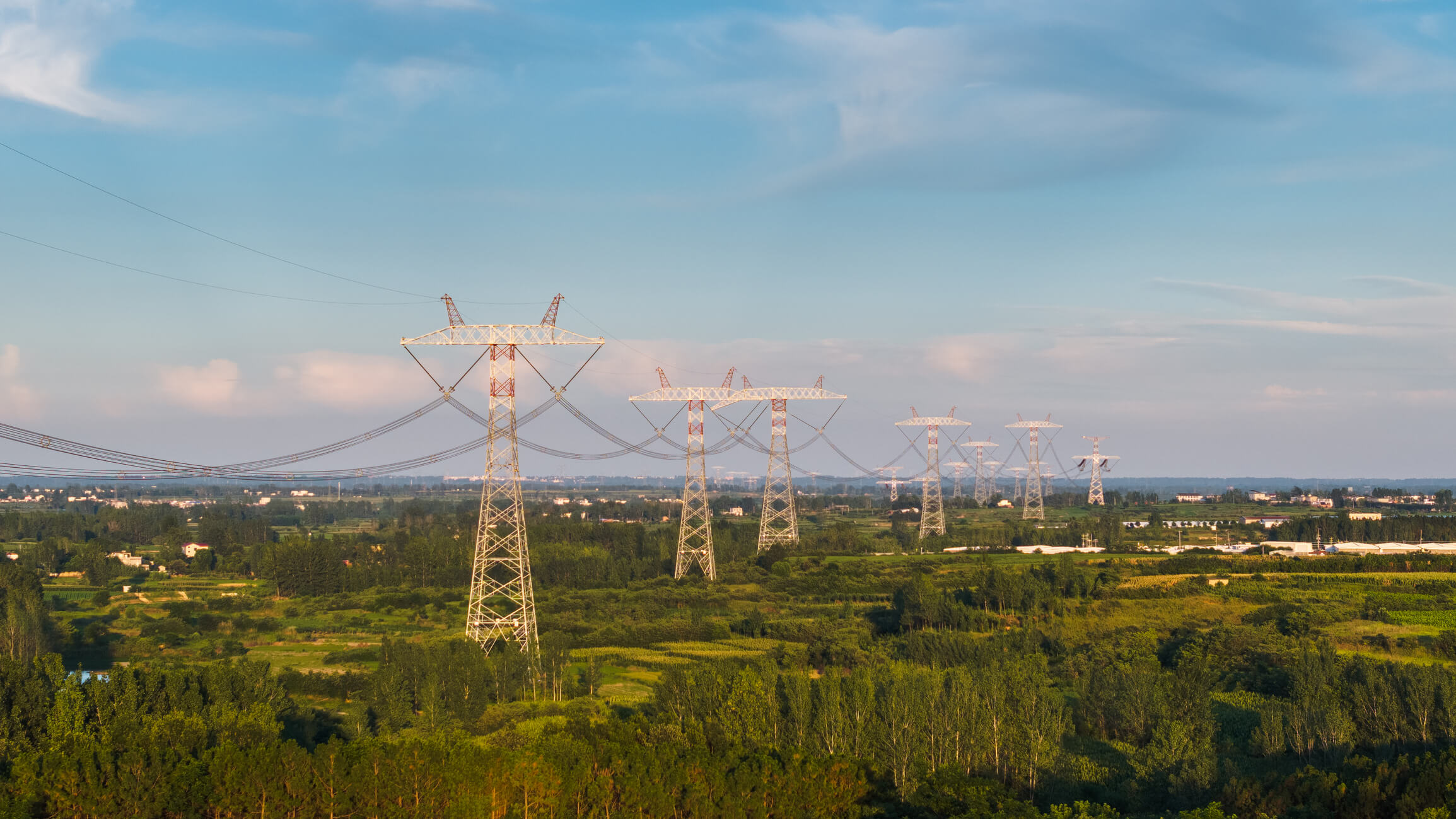
America needs more electric transmission, the high-voltage lines that carry electrons from power plants to communities nationwide. But under today’s policies, building those lines takes too long and costs too much. Without a substantial expansion in transmission capacity, the country is at risk of rising energy costs, a less reliable electric grid, and stymied global leadership in AI.
By Dylan Maxik4 min readMay 20, 2026
→
Economics
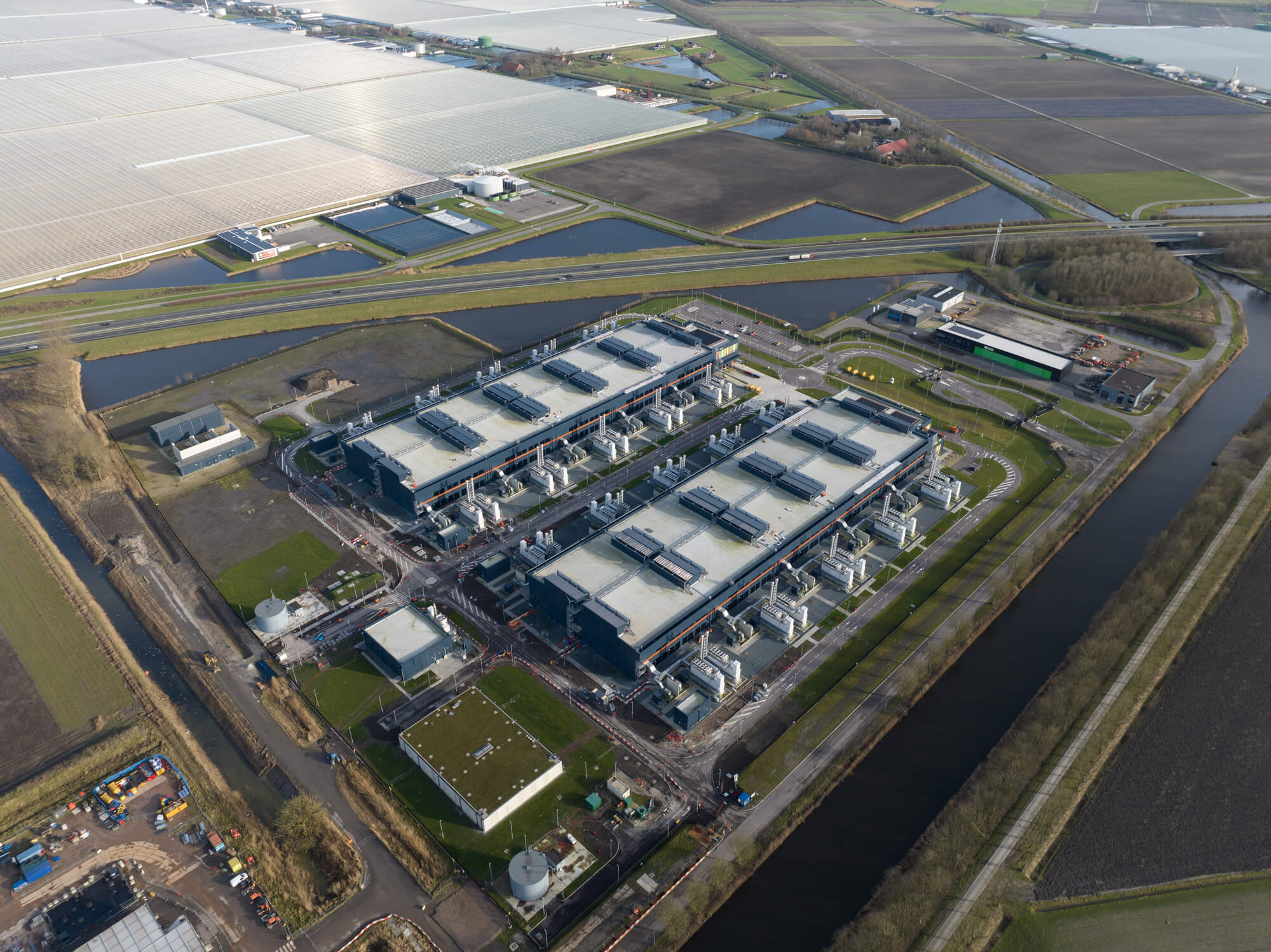
Should taxpayers love or loathe data centers? This question seems a loaded one in the first place. To ask it is to present a binary choice when, in reality, public opinion on the matter is more complex. Initially, a handful of fiscal conservatives branded the facilities that provide the infrastructure of the next Information Age as little better than taxpayer-funded sports stadiums or convention centers, which are proven economic and fiscal losers for the communities in which they abide compared to the various government subsidies they receive. Yet, aside from the fact that data centers, sports stadiums, and convention centers are physical structures, they have little to nothing in common.
By Pete Sepp6 min readMay 19, 2026
→
