
Conservation
For five days, the equivalent of 350 Olympic-sized pools’ worth of sewage flooded into the Potomac River in a suburb of Washington, D.C. The cause? A clear failure in our permitting systems.
By Sydney Rodman4 min readApril 15, 2026
→
Energy
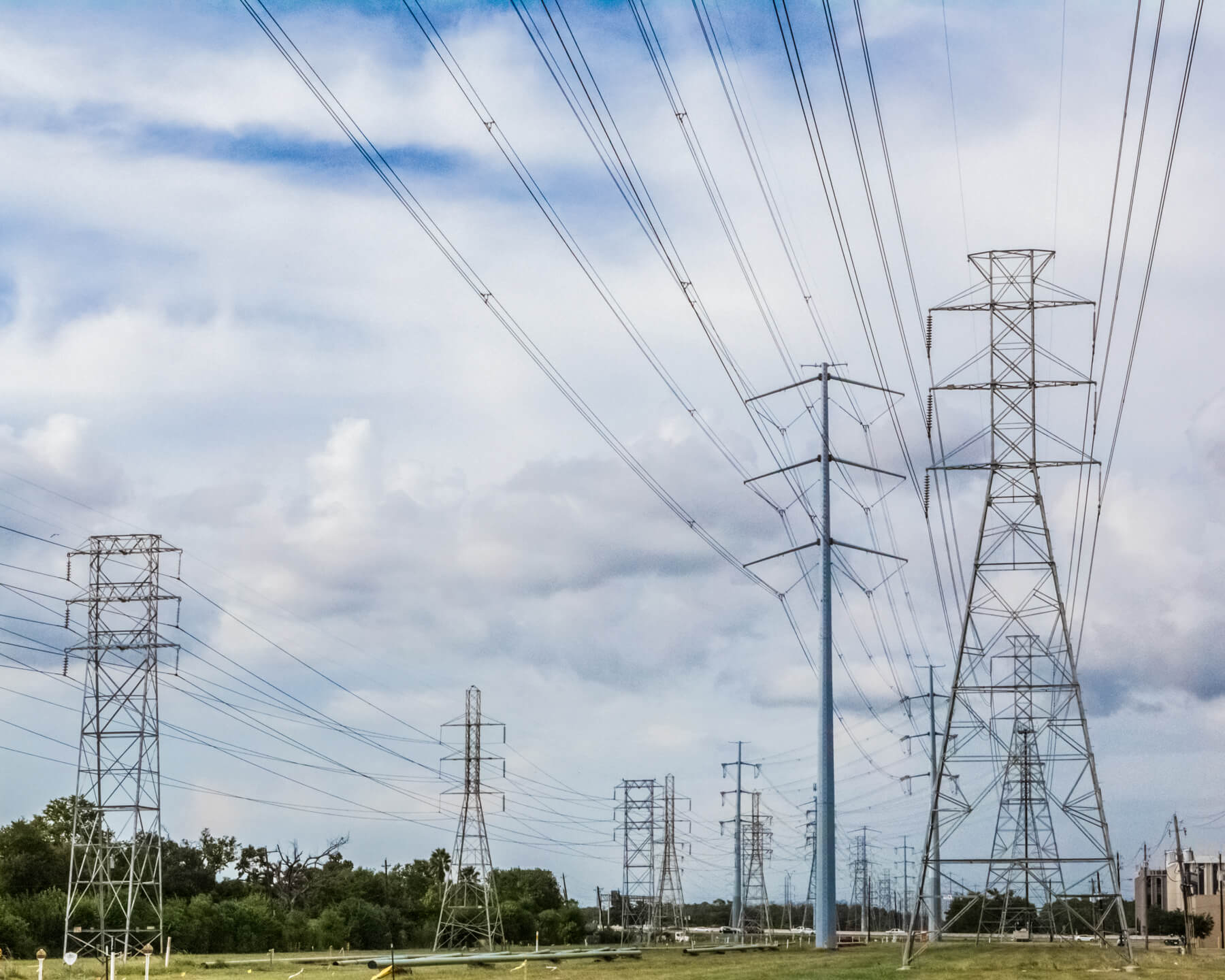
Texas has long stood apart from national energy policy—its own grid, its own rules. In 2026, that independence has made it the top destination for AI-driven electricity demand. While Washington grapples with the pressures of building data centers, ensuring reliability, and controlling costs, Texas is tackling everything at once. The Electric Reliability Council of Texas (ERCOT) market is solving for speed-to-power by surmounting transmission bottlenecks, phantom load growth, buying down residential rate increases, and more.
By Arushi Sharma Frank7 min readApril 13, 2026
→
Energy
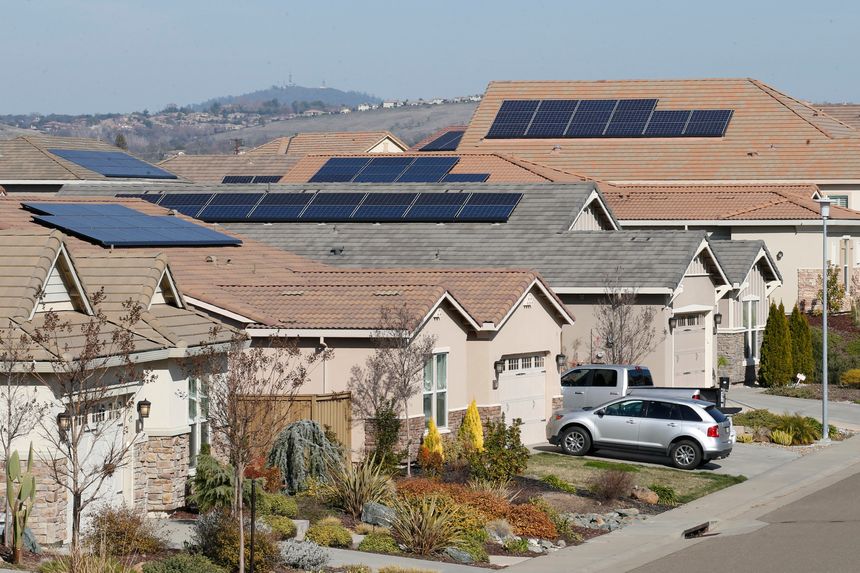
You wouldn't know it from the political debate, but the fastest-growing corner of the American energy market is also one of the most naturally conservative ideas in it: owning your own power. Home battery storage—the ability to store and manage the electricity that runs your household—is attracting growing investment, and greater attention from conservatives could be beneficial, particularly as the midterm elections approach.
By Adrian Norman2 min readMarch 24, 2026
→
Energy
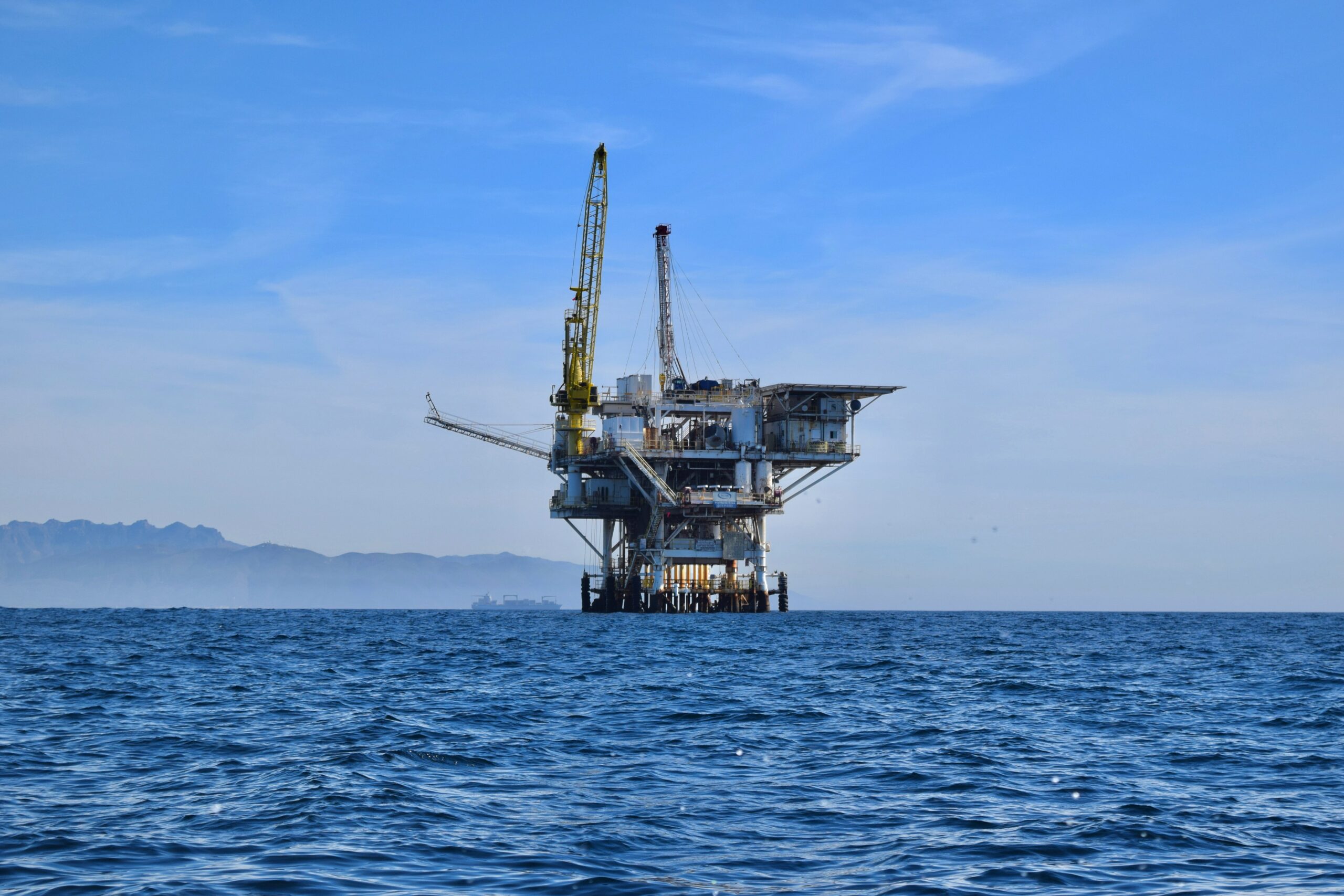
The war with Iran has sent oil prices, and then gasoline prices, sharply higher. West Texas Intermediate (WTI) crude, the main U.S. oil benchmark, rose from the mid-$60s per barrel in late February to around $100 on March 19. U.S. gasoline prices have followed suit, with the average price increasing from a pre-war level of under $3.00 per gallon to over $3.70 by mid-March.
By David Kemp5 min readMarch 23, 2026
→
Infrastructure
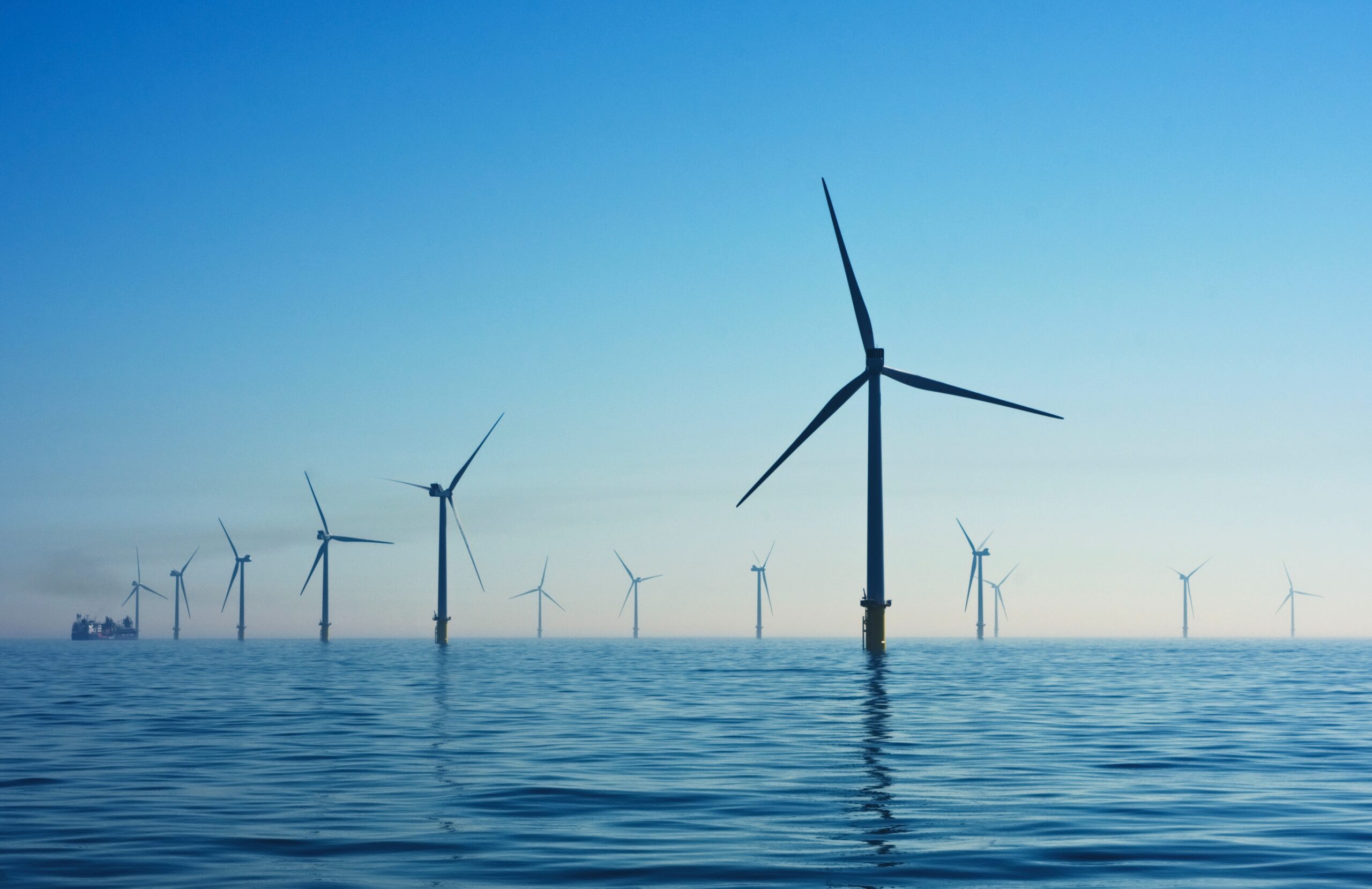
The Trump administration recently announced it would appeal court rulings that allowed offshore wind projects to proceed with construction. This follows the administration’s halt to construction on five projects last December for national security reasons, even though those projects had already received permits and are nearly complete. If the goal is true American energy dominance, the bigger task is fixing the broken permitting system that slows every form of American energy infrastructure.
By Nick Loris6 min readMarch 3, 2026
→
Energy
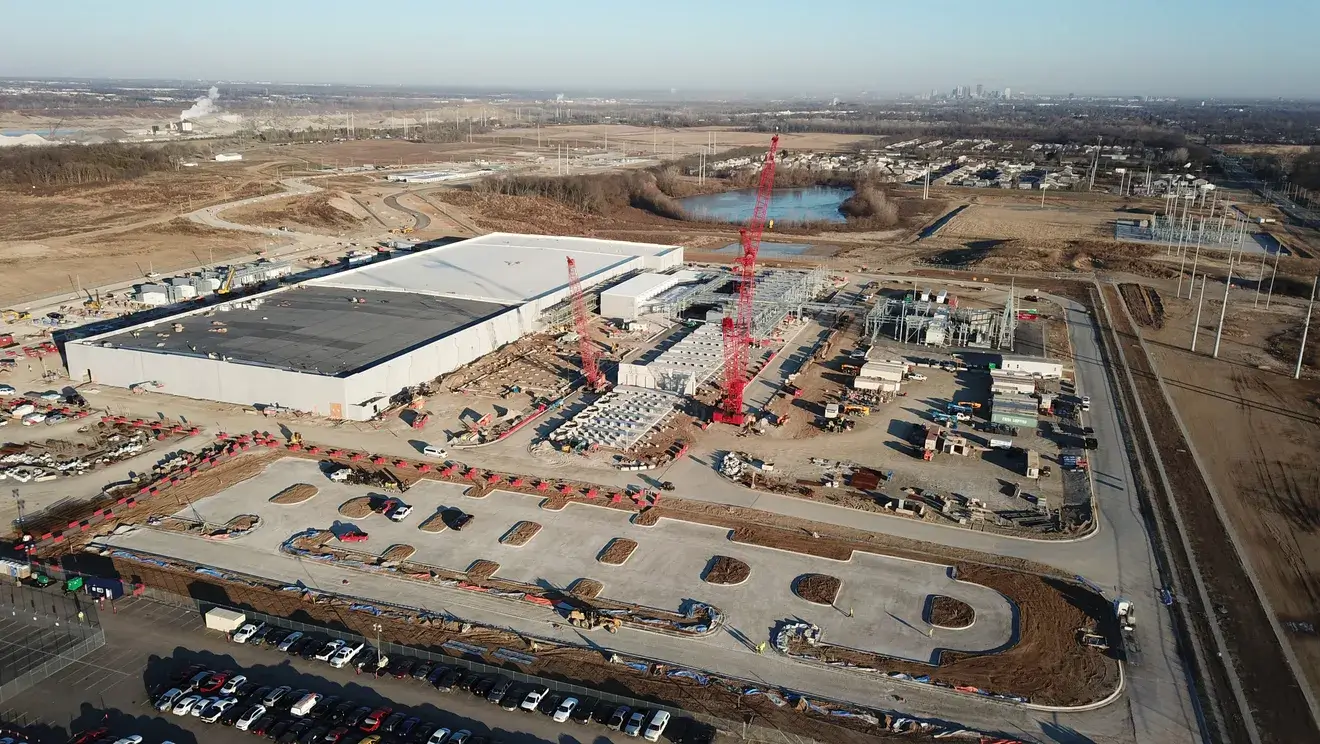
Over the past two decades, we have been trained either by politics, by media, or by endless crisis rhetoric, to think in fixed pies. When demand rises, we are told someone must be taking more than their share. The industries capable of expanding supply — engineers, industrialists, investors, technologists — are cast as villains before they break ground. In other eras, they won wars, electrified cities, doubled oil output, and built the networks on which modern abundance rests. Today, they are more likely to be hauled before a hearing than celebrated for production. The instinct to increase capacity has given way to the instinct to referee.
By Marc Oestreich7 min readMarch 2, 2026
→
Energy
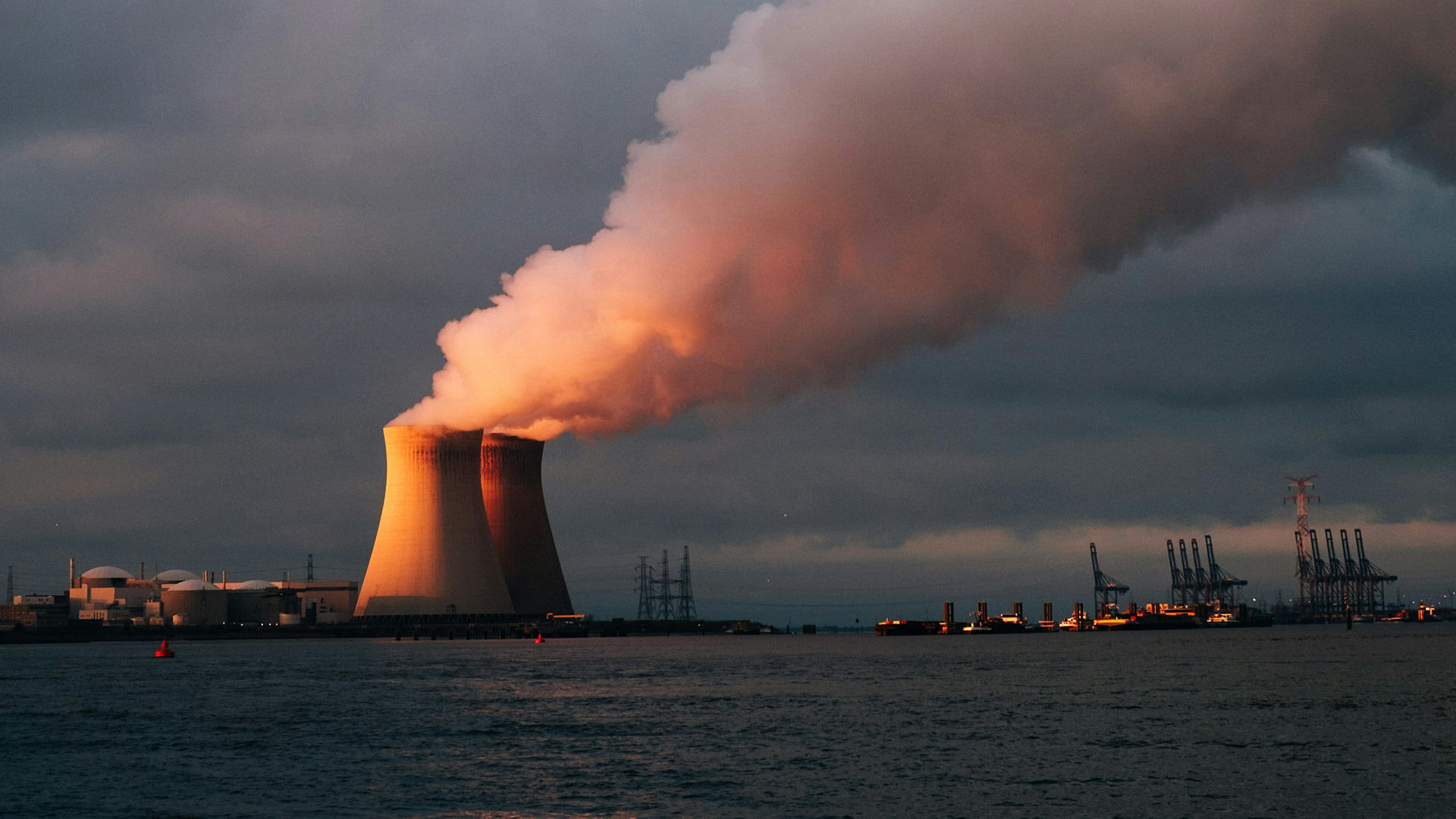
Across the country, energy demand is rising. Data centers, advanced manufacturing, population growth, and electrification are all putting new pressure on the grid.
Unfortunately, that has spilled over and is now also putting pressure on your wallet. If Florida wants to lower electricity costs and attract continued investment, the state needs to take the driver’s seat. House Bill 1461 does exactly that. It sets Florida up to lead the nation in energy innovation and, at the same time, help spur continued economic growth.
By Josh T. Smith and Mark Miller4 min readFebruary 26, 2026
→

Environment
There is a powerful movement underway to reindustrialize America, a recognition that our nation’s economic strength and military security are built in its factories. For our country to compete, we must be able to make things– and make them quickly.
By Jonathan Strimling4 min readFebruary 25, 2026
→
Energy
A new idea has emerged in the federal permitting reform space: “de-risking” permits via a government-managed insurance program. The context for this development is that investors lack confidence in their ability to secure federal permits due to the power of political appointees at permitting agencies to delay, cancel, or revoke permits. This has resulted in a new permitting reform priority: “permitting certainty,” or the notion that a permit, once granted, won’t be reversed under a future administration. While this is a laudable goal, policymakers must appreciate that government interventions can make these problems worse.
By Philip Rossetti5 min readFebruary 17, 2026
→

Energy
As energy affordability becomes an increasing concern and energy demand continues to rise, America’s ability to efficiently permit and build infrastructure will be crucial to its success.
Last month, the EPA proposed reforming the Clean Water Act’s Section 401. This isn’t just a good idea. It’s long overdue.
By Walter Blanks Jr4 min readFebruary 9, 2026
→
