
Environment
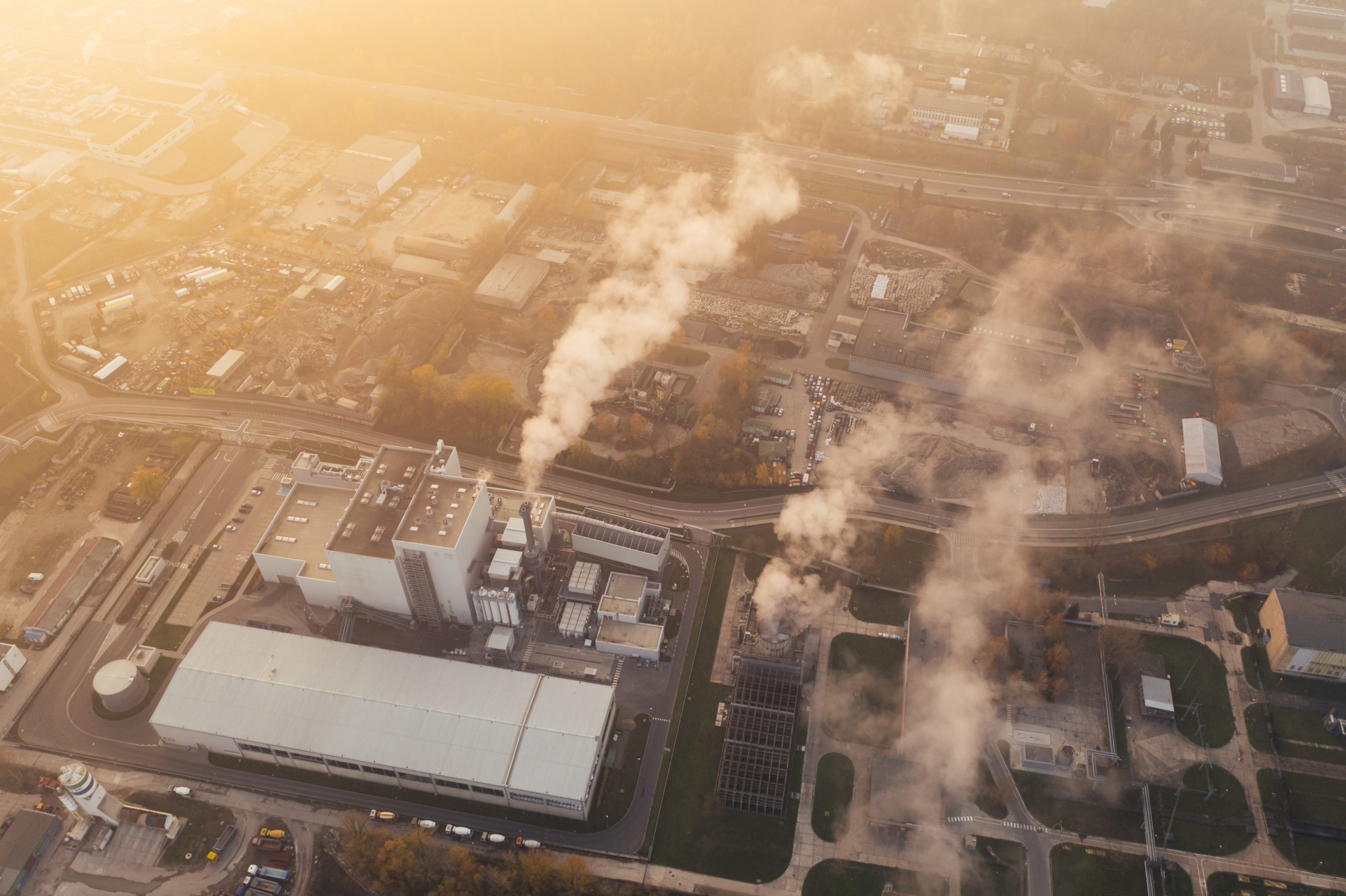
New Technological Developments Could Help Lower DAC Costs
Reducing global carbon dioxide emissions is an essential part of fighting climate change. However, not every industry can easily decarbonize, so carbon capture is essential.
The archive
Environment
Reducing global carbon dioxide emissions is an essential part of fighting climate change. However, not every industry can easily decarbonize, so carbon capture is essential.

Environment
Our oceans are critical carbon sinks, absorbing one-quarter of all carbon dioxide emissions. But what if the ocean’s natural carbon absorption was amplified?
Energy
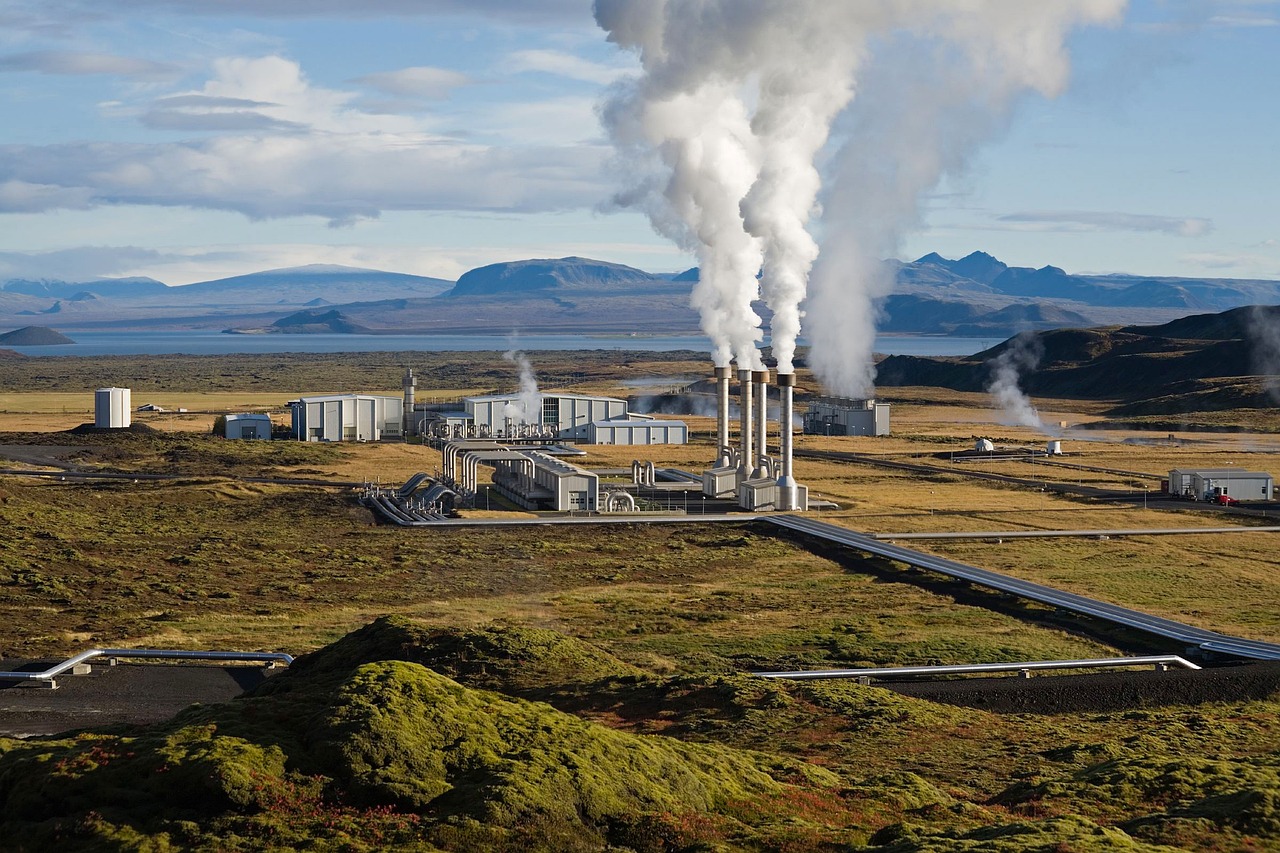
Last week, the House voted to advance the Harnessing Energy At Thermal Sources (HEATS) Act, a critical piece of legislation aimed at accelerating the development of geothermal energy on federal lands.
Energy
In his first public statement as elected Majority Leader, Senator John Thune (R-SD) remarked that one of Congress and the Trump administration’s priorities would be to “restore American…

Conservation
In October, The Property and Environment Research Center (PERC) published a report, Diversifying State Trust Land Revenue Through Conservation Uses, which examines the growing shift toward conservation-oriented management…

Energy
You may have heard the term “Luddite,” but never heard of Ned Ludd. To be fair to them, he might not have existed at all. But the movement…

Energy
Minutes after pundits and political strategists received exit poll data, they began unpacking why voters of all ages, genders, and ethnicities voted for Donald Trump to be the 47th president.

Environment
Many encouraging signs indicate that private sector-driven efforts will meet the world’s energy needs while reducing climate risks.
Infrastructure
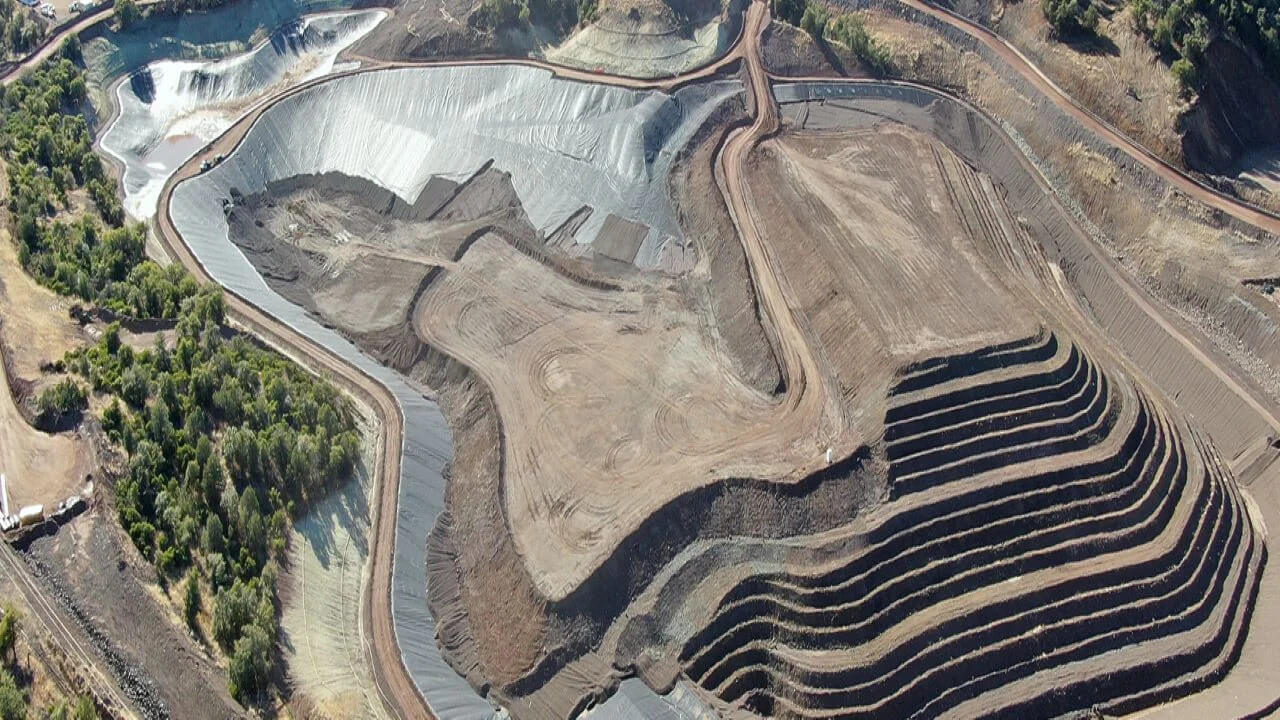
Congress clearly recognizes that the National Environmental Policy Act of 1969 (NEPA) has become a litigious permitting morass that has delayed proposed projects for years.

Energy
Economics explains that there are always trade-offs in everything.