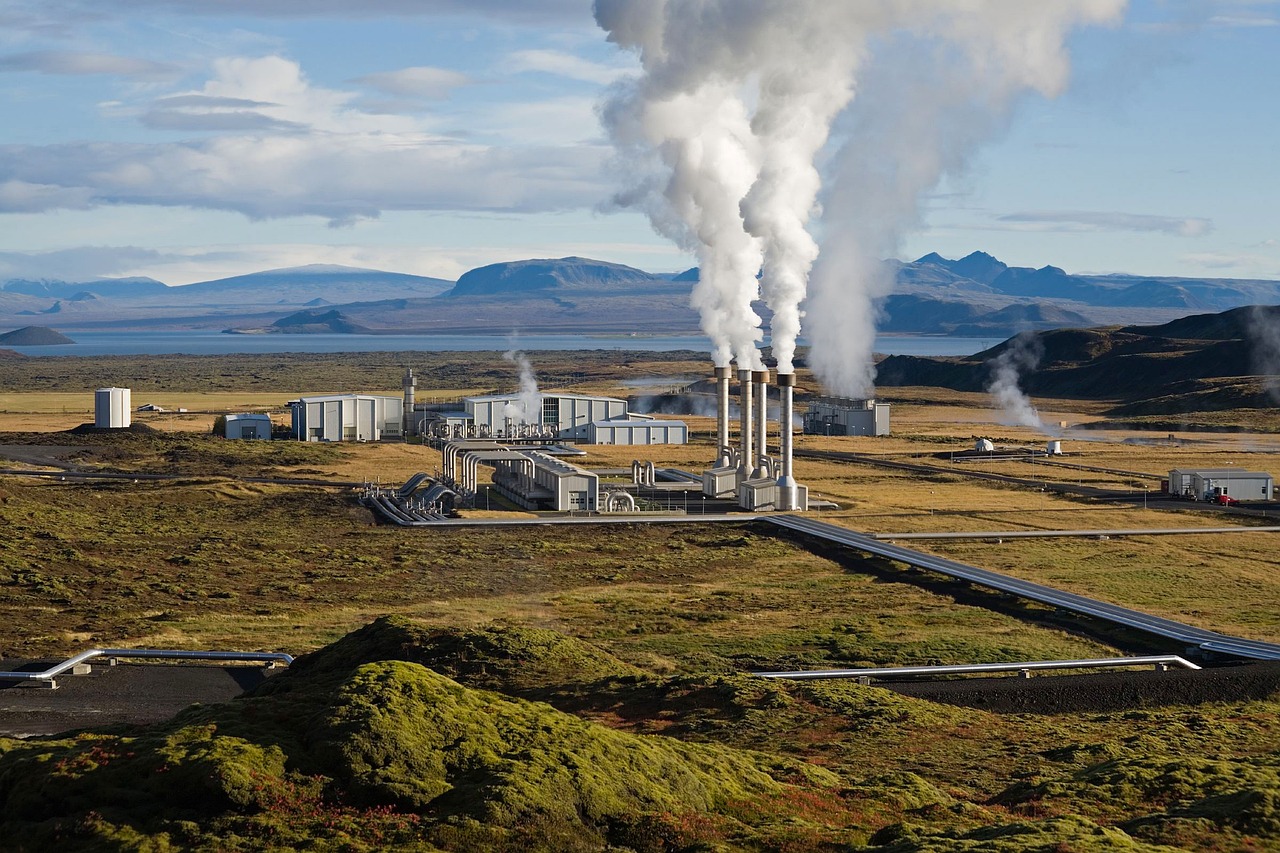
Last week, the House voted to advance the Harnessing Energy At Thermal Sources (HEATS) Act, a critical piece of legislation aimed at accelerating the development of geothermal energy on federal lands. As the country works to meet its energy demands and climate goals, geothermal energy offers a promising solution—providing clean, reliable, and nearly unlimited energy from the Earth’s heat. Despite its potential to supply up to 10% of the U.S. energy needs, geothermal currently accounts for 0.4% of the nation’s energy supply, largely due to a lengthy and complex regulatory process that delays new projects.
The HEATS Act aims to address this challenge by streamlining the permitting process for geothermal projects on federal lands. Currently, geothermal projects can trigger NEPA reviews up to six times, resulting in delays of 7 to 10 years. The HEATS Act seeks to cut through this red tape, speeding up deployment and advancing America’s energy independence goals.
Introduced by Representative Young Kim (R-CA-40), the bill will significantly speed up the timeline for geothermal energy projects and help America unleash this critical energy source. This act would amend the Geothermal Steam Act of 1970 to exempt new geothermal projects on federal land from NEPA requirements. The projects will still be subject to state-level environmental protections, ensuring that projects are properly regulated, without duplicating federal reviews on lands with less than 50% federal ownership. This exemption mirrors the treatment currently afforded to the oil and gas industry and aims to reduce unnecessary delays and costs tied to redundant regulatory processes.
Rep. Young Kim stated that “Unleashing American energy independence requires diversifying our energy supply and promoting U.S. innovation, and geothermal energy is an important, renewable energy source that helps us accomplish these goals.” Further, “The HEATS Act will lower costs for Americans, reduce emissions, secure supply chains, and promote U.S. energy independence.”
As energy demands grow, geothermal energy will be key to a reliable, clean, and secure energy future. Now that the House has passed the HEATS Act, it’s up to the Senate to advance this critical legislation and unleash geothermal’s full potential.