
Energy
In a welcoming milestone, TerraPower received approval from the Nuclear Regulatory Commission (NRC) for a construction permit for its advanced nuclear power plant in Kemmerer, Wyoming. The review, completed ahead of schedule, provides a hopeful signal that the United States is finally turning the corner on one of the biggest barriers to clean energy innovation: an outdated, slow, and unpredictable licensing and permitting system.
By Nick Loris3 min readMarch 6, 2026
→

Energy
Onshore wave energy company Eco Wave Power is turning the tide on reliable, clean electricity with its patented, wave-harnessing devices that can be seamlessly integrated into coastal infrastructure. Founded in 2011, the Israeli-based company was featured in a February 2026 U.S. Department of Energy (DOE) national laboratory report on coastal structure-integrated wave energy converters (CSI-WECs), which are smart, automated devices that can be attached to onshore or nearshore structures such as breakwaters, piers, and ports.
By Nathalie Voit3 min readMarch 5, 2026
→

Environment
These days, the role of Chicken Little is filled by reporters and environmental extremists. Every time a conservative administration somewhere in the world proposes to roll back an expensive environmental regulation, rest assured, we’ll hear that the sky is falling in on us.
By Drew Bond4 min readMarch 4, 2026
→
Infrastructure
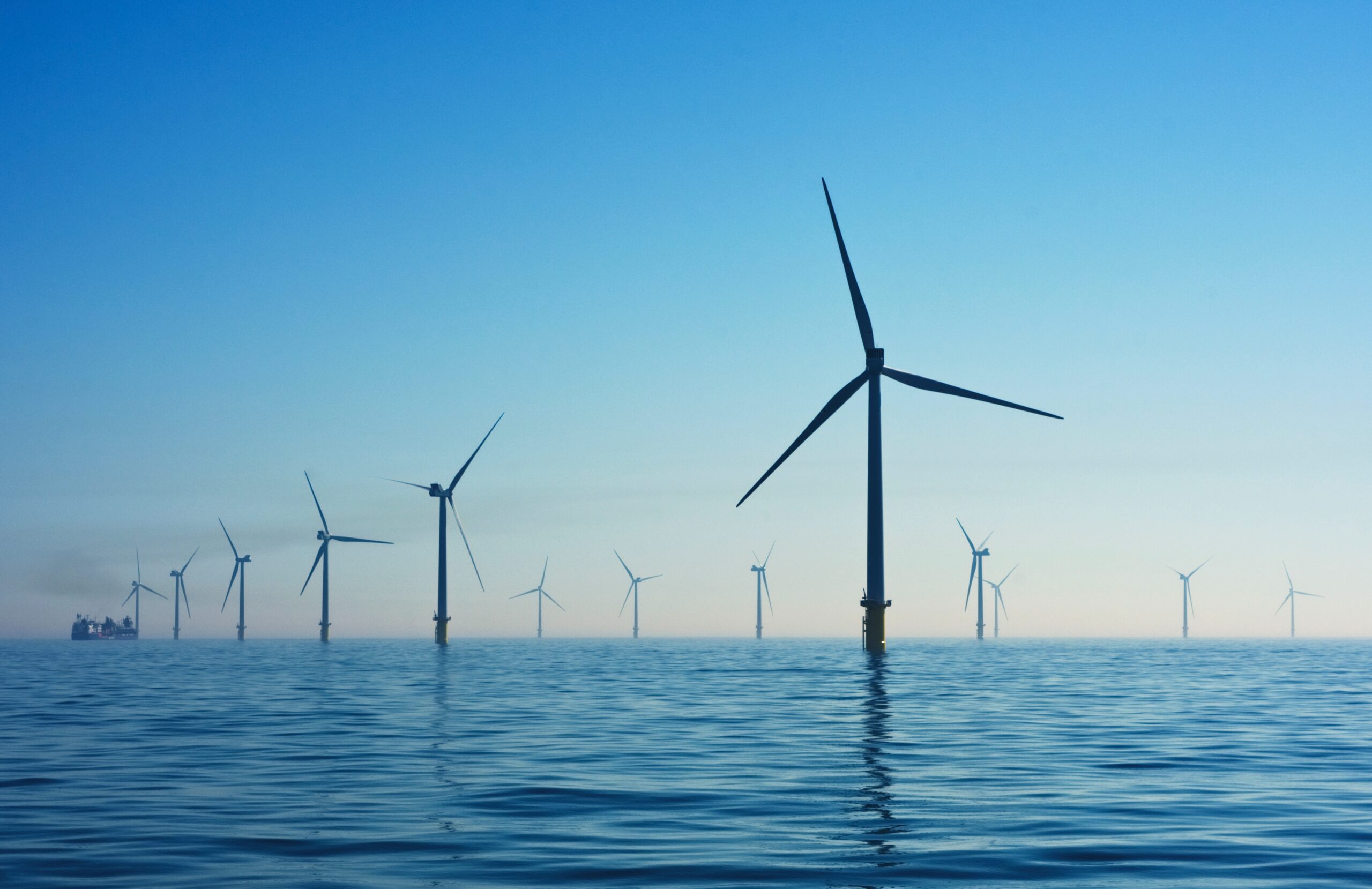
The Trump administration recently announced it would appeal court rulings that allowed offshore wind projects to proceed with construction. This follows the administration’s halt to construction on five projects last December for national security reasons, even though those projects had already received permits and are nearly complete. If the goal is true American energy dominance, the bigger task is fixing the broken permitting system that slows every form of American energy infrastructure.
By Nick Loris6 min readMarch 3, 2026
→
Culture
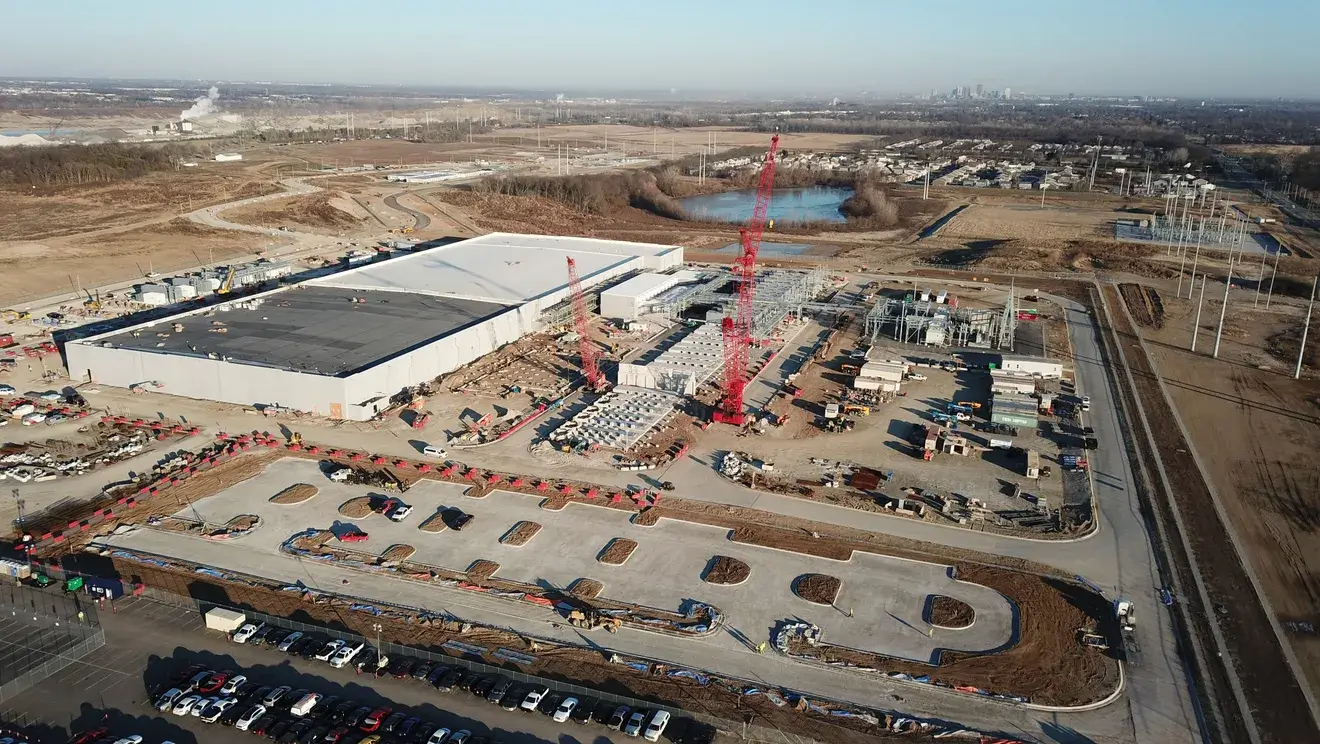
Over the past two decades, we have been trained either by politics, by media, or by endless crisis rhetoric, to think in fixed pies. When demand rises, we are told someone must be taking more than their share. The industries capable of expanding supply — engineers, industrialists, investors, technologists — are cast as villains before they break ground. In other eras, they won wars, electrified cities, doubled oil output, and built the networks on which modern abundance rests. Today, they are more likely to be hauled before a hearing than celebrated for production. The instinct to increase capacity has given way to the instinct to referee.
By Marc Oestreich7 min readMarch 2, 2026
→
Policy
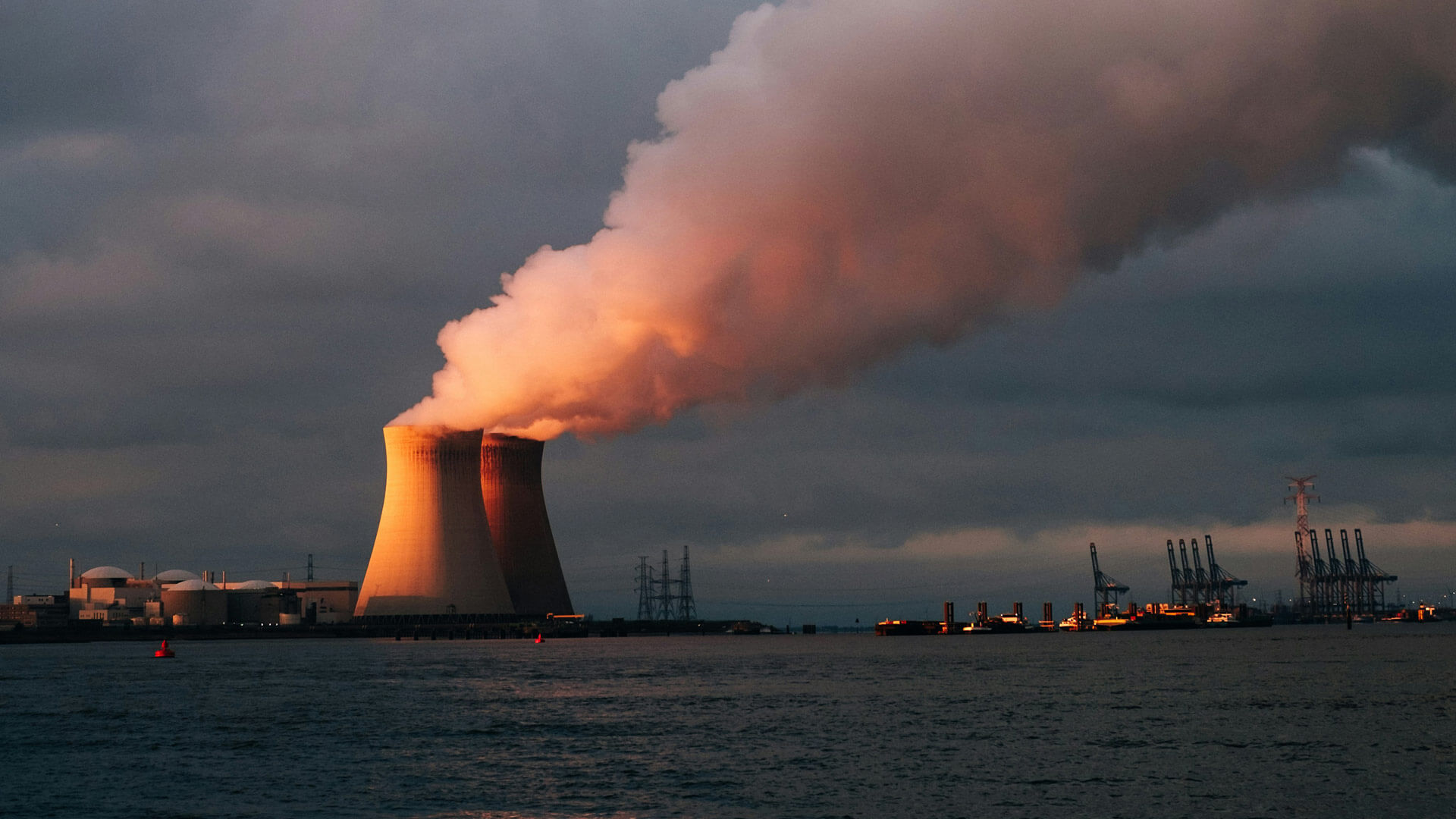
Across the country, energy demand is rising. Data centers, advanced manufacturing, population growth, and electrification are all putting new pressure on the grid.
Unfortunately, that has spilled over and is now also putting pressure on your wallet. If Florida wants to lower electricity costs and attract continued investment, the state needs to take the driver’s seat. House Bill 1461 does exactly that. It sets Florida up to lead the nation in energy innovation and, at the same time, help spur continued economic growth.
By Josh T. Smith and Mark Miller4 min readFebruary 26, 2026
→

Science & Tech
There is a powerful movement underway to reindustrialize America, a recognition that our nation’s economic strength and military security are built in its factories. For our country to compete, we must be able to make things– and make them quickly.
By Jonathan Strimling4 min readFebruary 25, 2026
→

Conservation
The Great Salt Lake is drying up. Since the mid-1980s, the lake has dropped 22 feet, and its surface area is 60 percent smaller than it once was. If that doesn’t sound like a lot, consider this: it takes 12 minutes and 13 seconds to walk from where the lake’s shoreline once was to where it is today.
By Cecilia Fassett6 min readFebruary 24, 2026
→

Policy
For the past two decades, U.S. climate policy has been driven more by legal and administrative maneuvering than by legislative consensus. The result has been regulatory inefficiency, policy whiplash between administrations, and little progress toward a durable, politically sustainable framework for managing climate risk.
By David Kemp4 min readFebruary 23, 2026
→
Energy
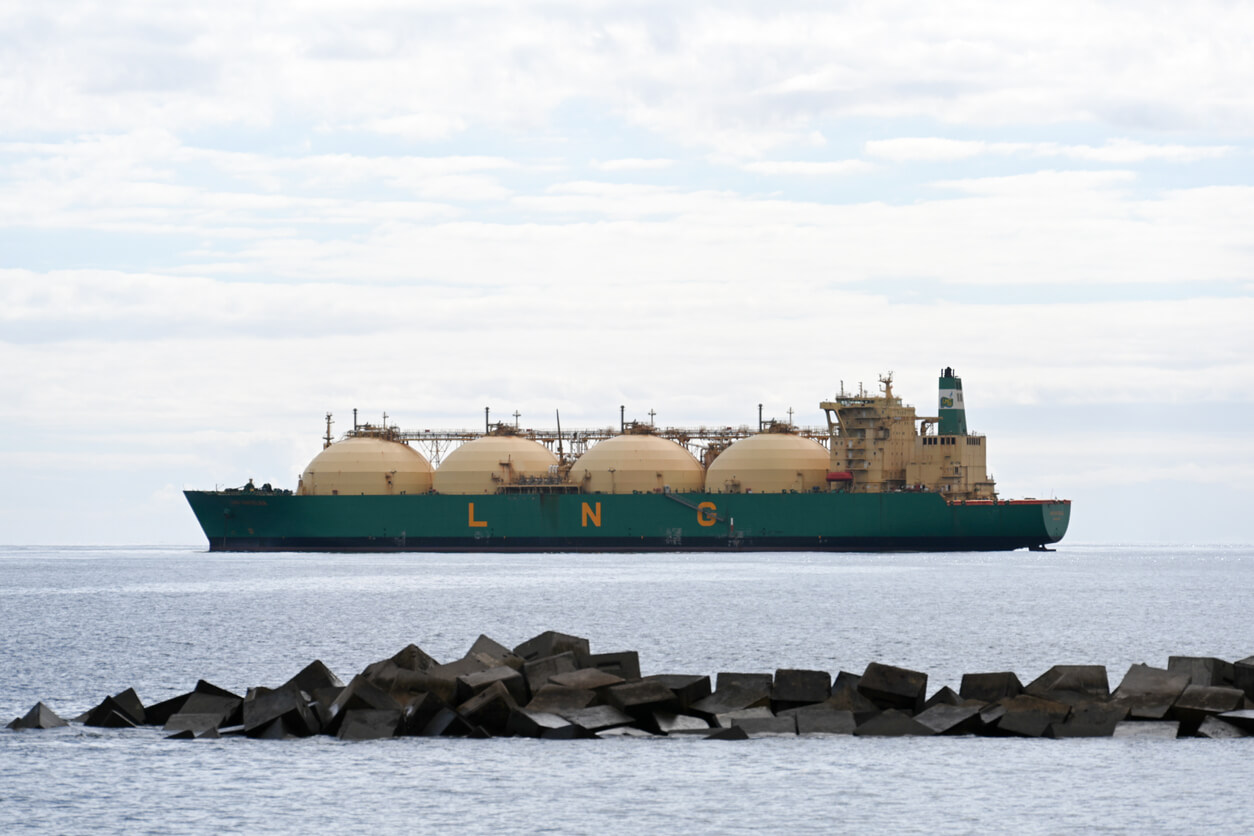
If you ask the average person what the biggest technology breakthrough since the turn of the century has been, the smartphone is a safe bet for the most common answer. Recency bias could lead to some artificial intelligence (AI) responses. Unless you’re in the business or completely fixated with Landman, it’s unclear how many folks are saying the Shale Revolution.
By Nick Loris6 min readFebruary 20, 2026
→
