
Agriculture
Across major farming regions, crop conditions are shifting quickly as rainfall and temperature patterns become more uneven. Too much rain is creating problems in some places, while others are dealing with persistent dryness.
By Felippe Reis5 min readAugust 27, 2026
→

Conservation
Instead of reacting after a fire breaks out, public agencies and utility providers must detect dangerous fires before they ignite. This is where companies like Overstory are trying to make a difference.
By Nathalie Voit3 min readAugust 26, 2026
→

Transportation
The United States is the world’s largest oil and gas producer, but energy abundance means little if that energy cannot reach the people who need it.
By Nick Loris4 min readAugust 24, 2026
→

Energy
To unlock affordable grid capacity, policymakers should require utilities to consider the best-available line technologies by default, while utilities themselves modernize planning to reinforce their affordability commitment to customers.
By Dylan Maxik4 min readAugust 20, 2026
→

Energy
Rather than causing disparate groups to come together to recognize the importance of all forms of energy, oil prices have resulted in some pushing harder for oil and gas and others pressing harder for solar, wind and batteries. This is a false dichotomy. Both are needed.
By Scott Tinker4 min readAugust 20, 2026
→

Energy
Before instituting sweeping policies that risk creating costs and distortions worse than the supply disruptions and Chinese dependence they aim to solve, Washington needs to weigh the benefits of intervention against its costs.
By David Kemp4 min readAugust 19, 2026
→

Energy
Governments shouldn’t determine which forms of energy are “good” or “bad,” using subsidies and mandates to boost the good while imposing restrictions to hobble the bad. Instead, decisions about the fuel mix should be left to the market as much as possible.
By Josiah Neeley3 min readAugust 18, 2026
→
Energy
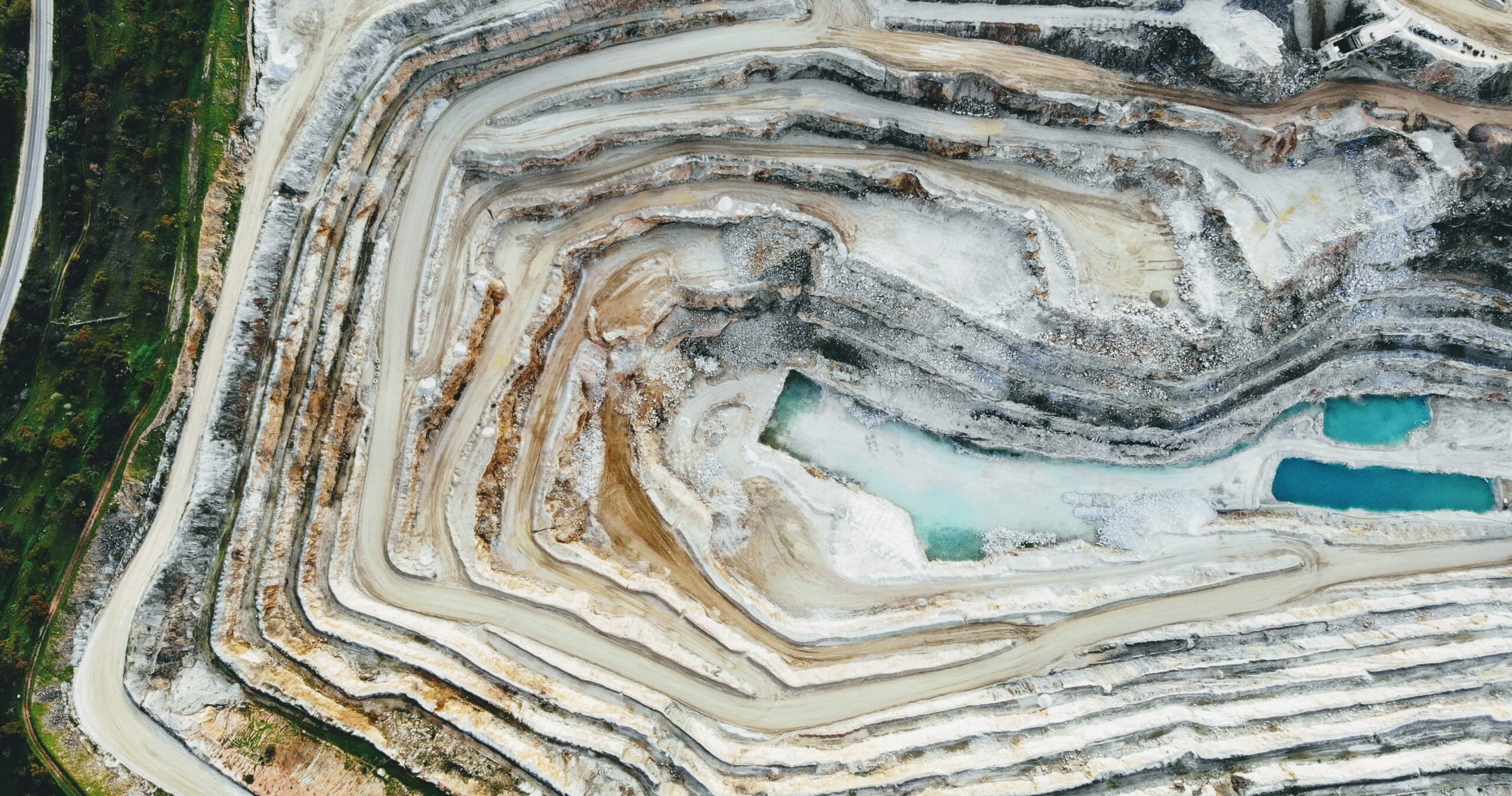
The risks posed by this concentration are worth taking seriously. The problem is that these tools may force taxpayers to take on unnecessary risk—leaving them stuck with the bill if the companies fail—without addressing the underlying problem.
By David Kemp4 min readAugust 13, 2026
→
Conservation
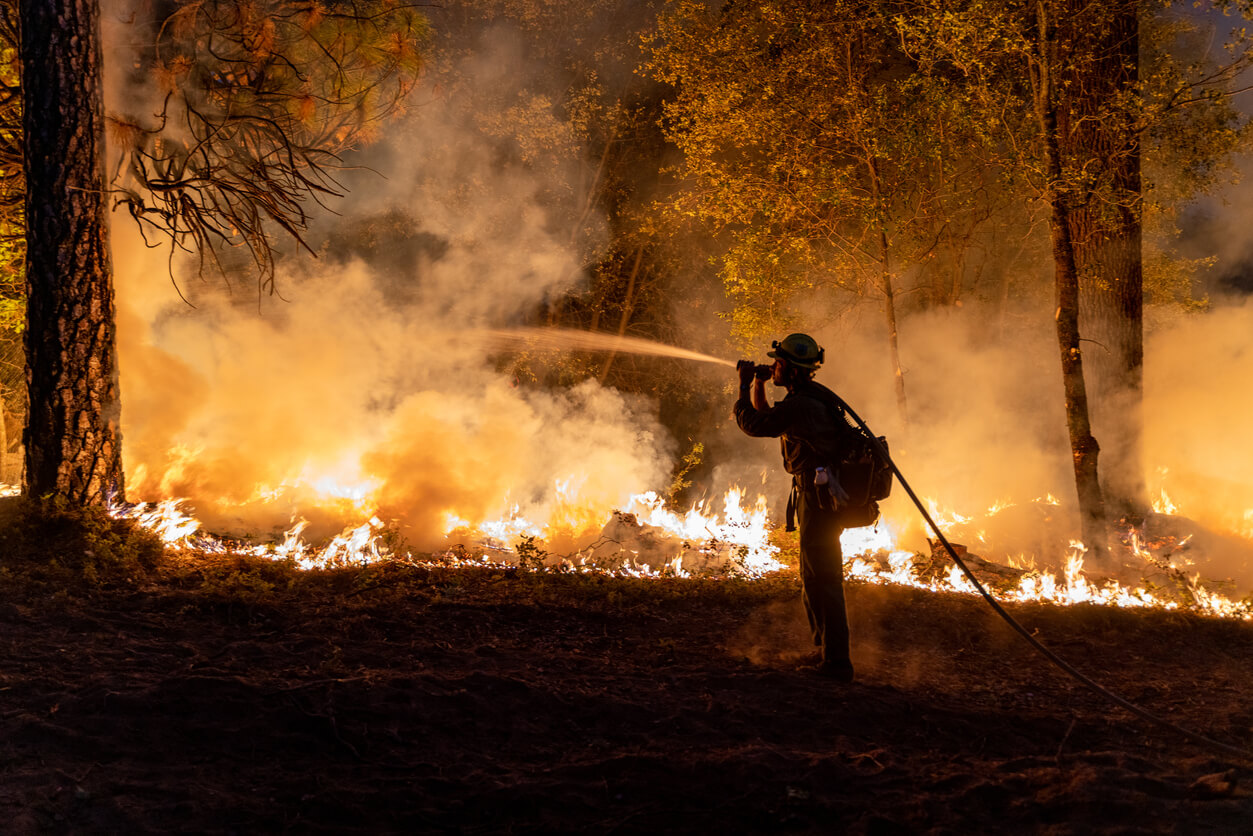
The need to reduce fire risk is apparent, and we know how to do so through active forest management. Yet policy continues to slow those efforts down and that urgently needs to change.
By Cecilia Fassett4 min readAugust 12, 2026
→

Energy
The Department of Energy’s recent National Transmission Needs Study identifies several of these cases, where regions’ electricity costs would decline substantially if they were connected by a high-capacity transmission line. Providing these benefits to consumers, however, requires confronting not just the incentives that discourage utilities from building interregional lines, but the state laws that let incumbent monopolies control who builds them.
By Dylan Maxik4 min readAugust 11, 2026
→
