Energy developers, foresters, and farmers alike are all too familiar with the National Environmental Policy Act (NEPA). NEPA is a landmark environmental law designed to ensure that federal agencies fully consider the environmental impact of their projects; however, it has become a hindrance to the environmental progress it was meant to guide.
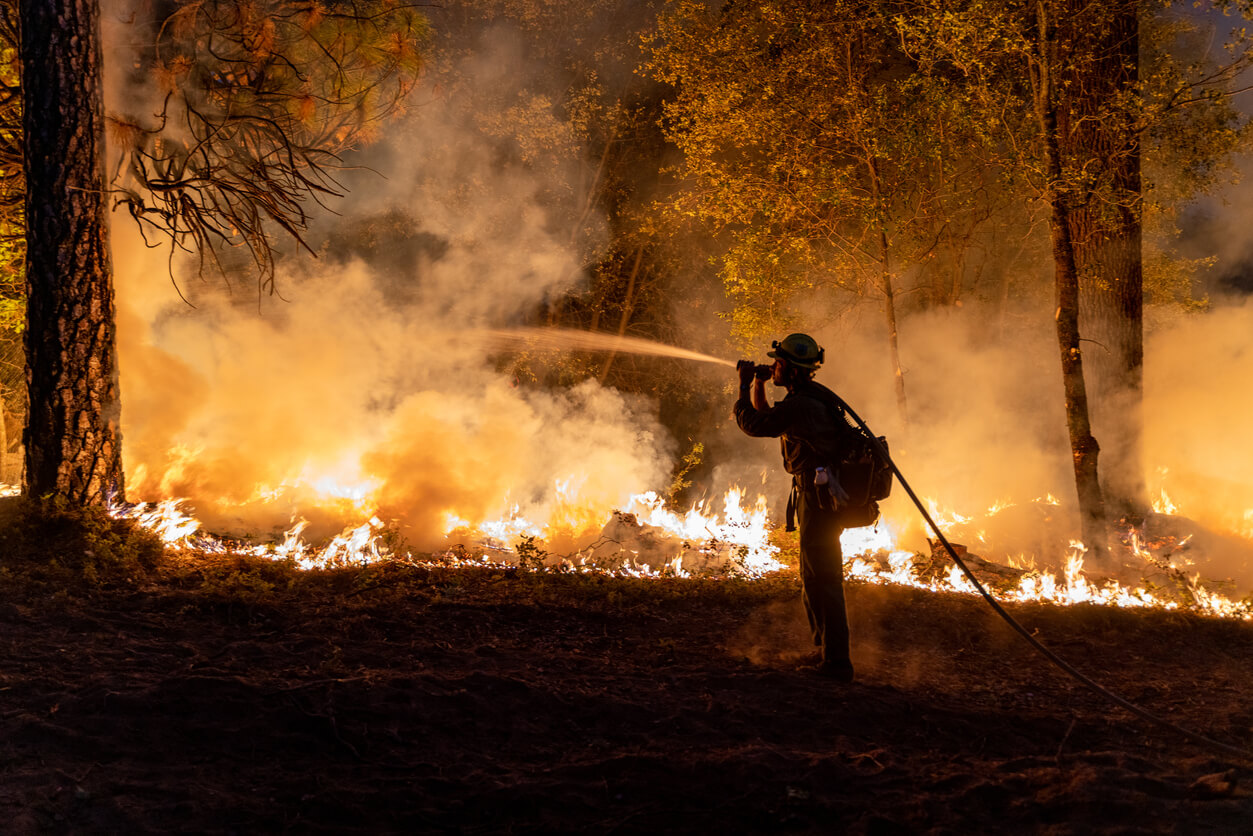
At the USDA, NEPA has stifled progress through lengthy environmental impact statements and redundant environmental assessments for projects ranging from farmland conservation to forest management and livestock grazing. A stark example of this occurred in 2001, when the U.S. Forest Service planned a forest management project aimed at reducing wildfire risk. The project was stalled due to the lengthy NEPA process, and before the environmental review was completed, a wildfire swept through and destroyed half of the intended project area. And that’s just one example.
Now, USDA Secretary Brooke Rollins is revising NEPA implementation with a rule intended to eliminate cumbersome and duplicative reviews for all agency-specific projects. “We have been hamstrung by overly burdensome regulations for decades,” said Secretary Rollins. “USDA is updating and modernizing NEPA so projects critical to the health of our forests and prosperity of rural America are not stymied and delayed for years.”
This move follows President Trump’s early executive order on Unleashing American Energy, which prompted the Council on Environmental Quality (CEQ) to roll back its NEPA regulations.
The USDA states that the change is necessary to streamline operations and eliminate regulatory overlap that has hindered land and resource management, ultimately harming the environment. By consolidating NEPA procedures under a single department-wide framework, the agency aims to reduce delays for routine projects while still fulfilling its core environmental responsibilities.
While permitting reform is undoubtedly necessary at the Congressional level, the interim rule could bring clarity and consistency to how NEPA is applied across USDA agencies. The rule would eliminate separate regulations at the seven agencies, including the Forest Service, NRCS, and Rural Development, and instead use one unified set of procedures, ultimately expediting conservation results on the ground.
>>> READ: USDA Weighs In on the Fix Our Forests Act
Notably, the rule categorizes key forest management projects, such as forest thinning, prescribed burns, and invasive species management, as categorical exclusions, meaning these activities would not require additional detailed environmental assessments or public comment processes.
It also covers rural infrastructure projects, such as installing telecommunications towers and constructing rural housing on small plots of land, projects the USDA argues are routine and low-risk.
The rule comes just one week after Secretary Rollins rescinded the 2001 Roadless Rule, which prohibited road construction on nearly 59 million acres of the National Forest System. The Secretary stated that of those acres, over 28 million are at high or very high risk of wildfires, and that allowing roads to be built would propel forward local management of these lands.
>>> READ: Repeal NEPA Now, For Any Reason You Like
Both rules have faced opposition, with some arguing that the changes could weaken public input on our federal lands and lead to insufficient environmental safeguards.
While the long-term impacts remain to be seen, the new rule marks a significant shift in the USDA’s approach, prioritizing efficiency and a more centralized framework for managing land and resources.