Energy
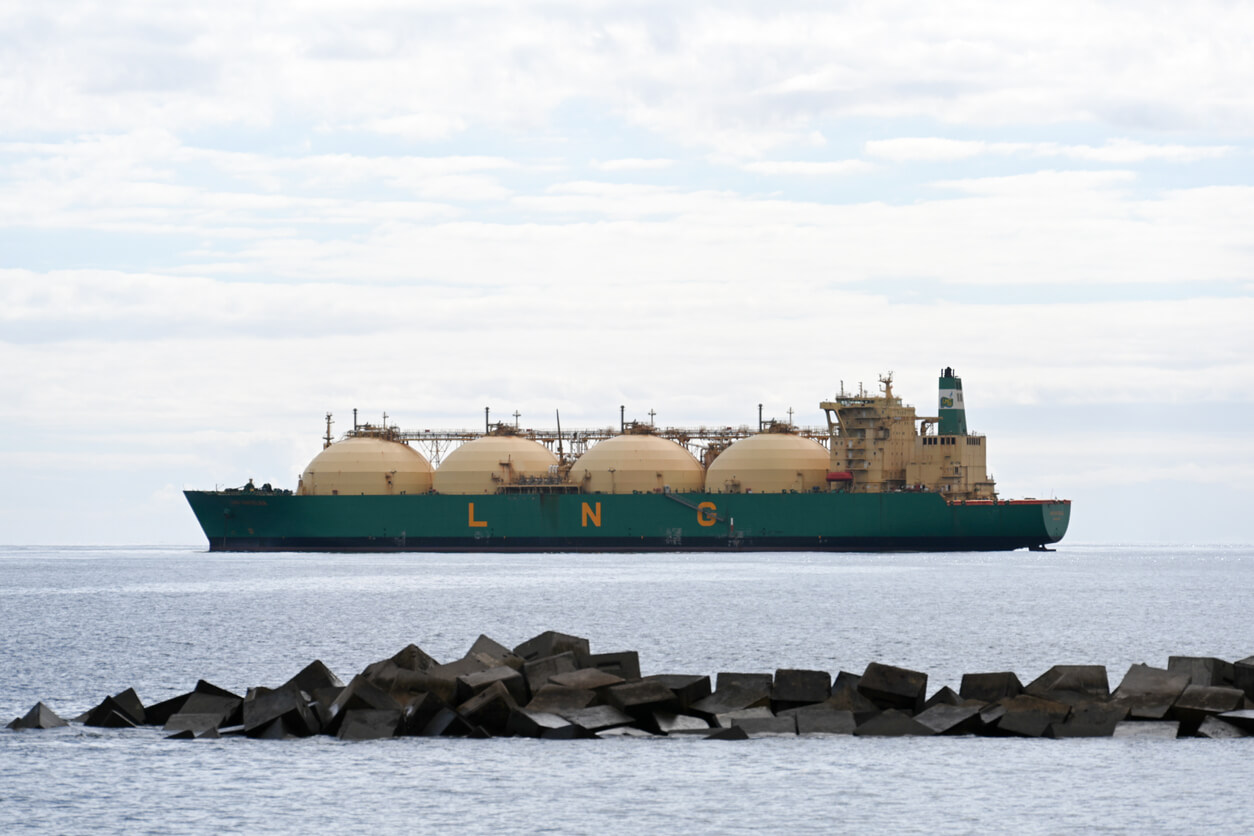
If you ask the average person what the biggest technology breakthrough since the turn of the century has been, the smartphone is a safe bet for the most common answer. Recency bias could lead to some artificial intelligence (AI) responses. Unless you’re in the business or completely fixated with Landman, it’s unclear how many folks are saying the Shale Revolution.
By Nick Loris6 min readFebruary 20, 2026
→

Energy
Harvesting from the sea floor is the most environmentally sustainable way to obtain the minerals we need. These nodules can be harvested using specialized, deep-sea vessels. Seabed nodules sit exposed on the ocean floor, allowing collection without significant disruption.
By Drew Bond4 min readFebruary 18, 2026
→
Energy
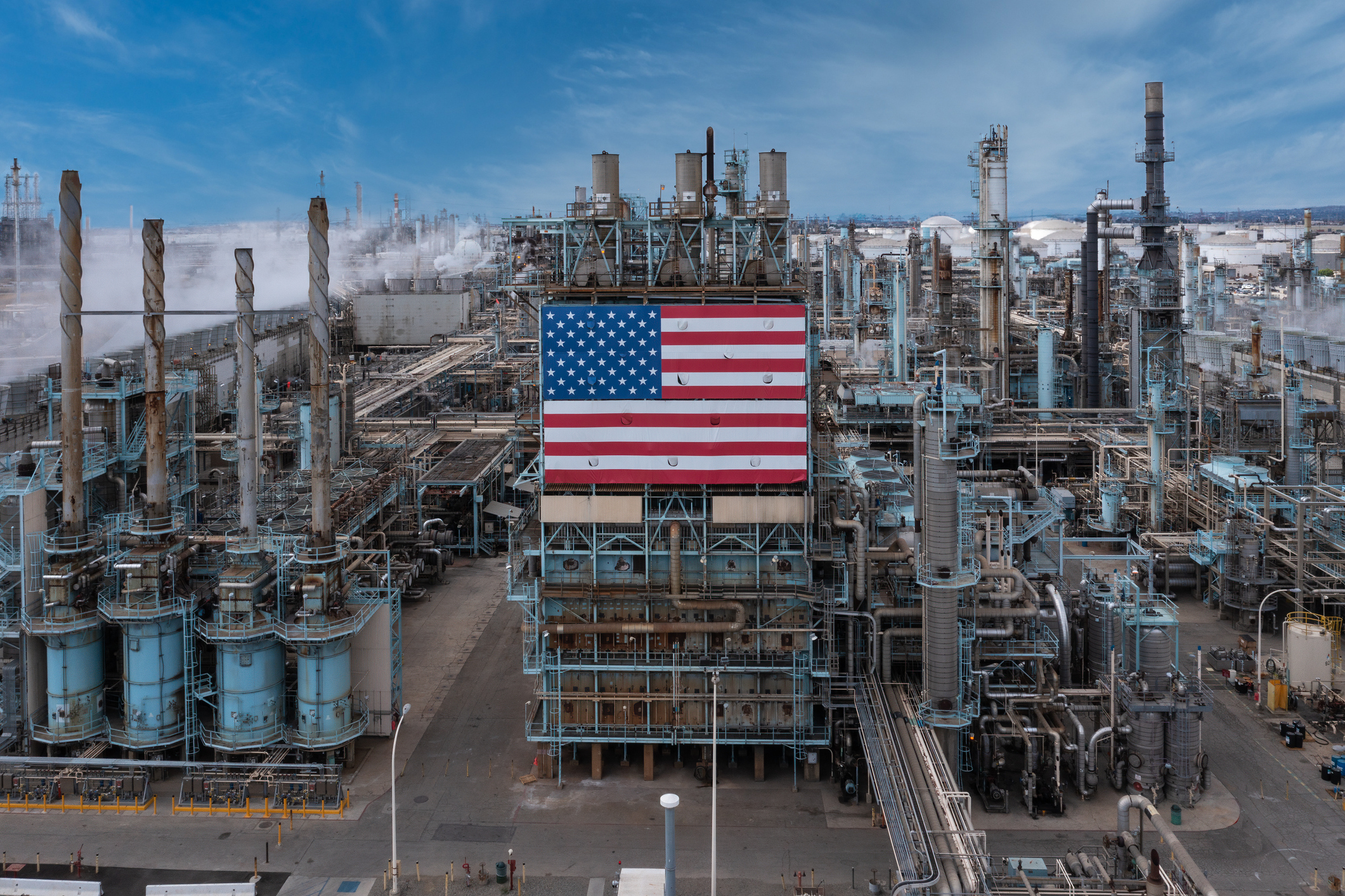
Business leaders talk about moving from strength to strength: going from one thing they do well to another thing they do well. However, the real power move is going from weakness to strength. Figuring out what you are doing poorly and finding a way to do it well.
By Drew Bond4 min readFebruary 10, 2026
→

World
There’s an interesting paradox in economics known as the “resource curse.” Simply put, areas with abundant natural resources tend to be poorer than those that face scarcity. Competing theories attempt to explain the resource curse, but one generally accepted explanation is that these resource-rich countries usually have authoritarian governments while citizens under democracies fare better.
By Philip Rossetti3 min readJanuary 26, 2026
→
Policy
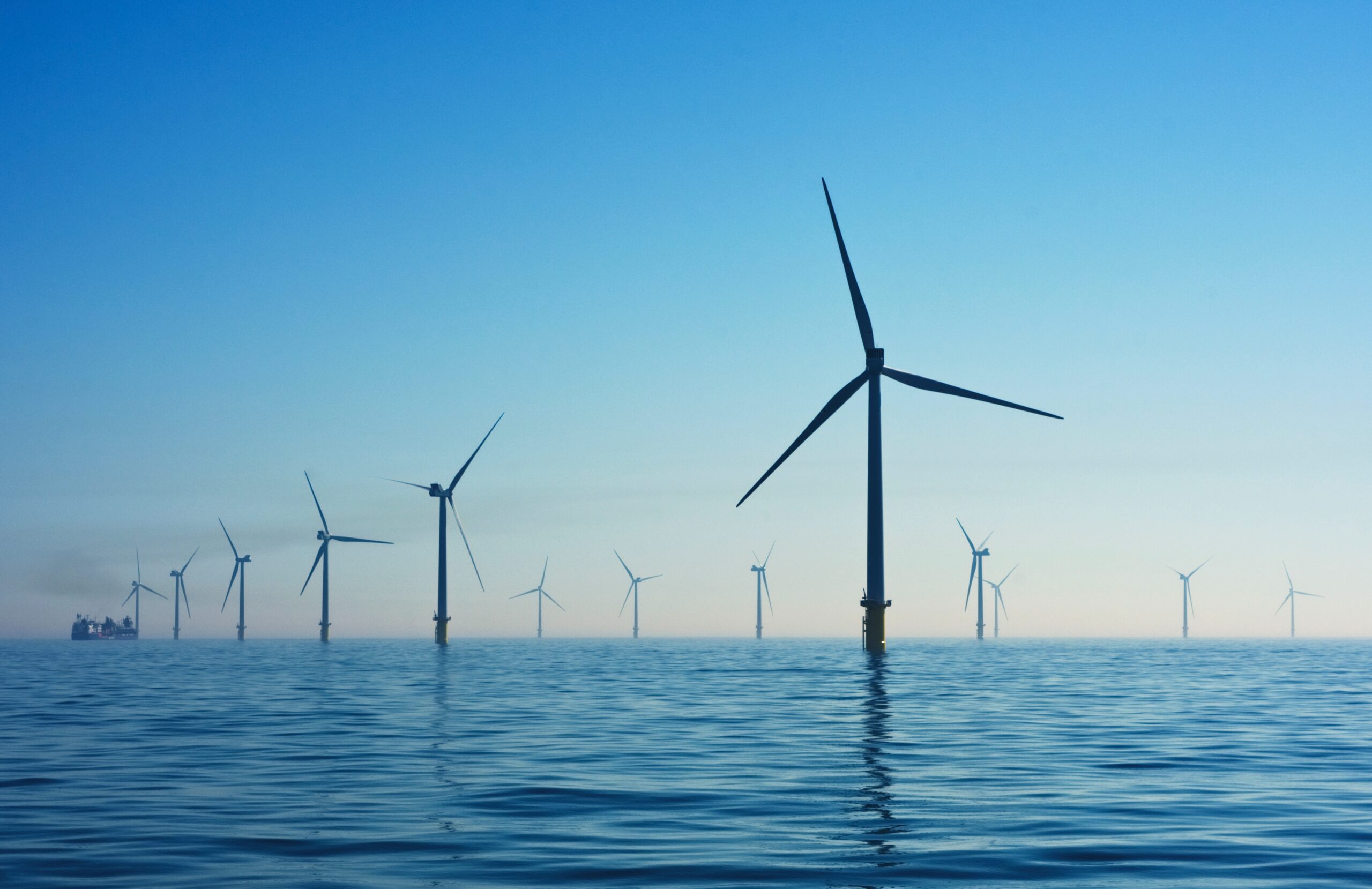
The Trump administration’s stop-work orders on renewable energy projects add an under-discussed layer of friction in the United States’ bid for energy dominance. While the effects of halting near-finished offshore wind projects are immediately apparent, the downstream political consequences could hobble the administration’s hopes for progress on both bipartisan permitting reform and their “build baby build” energy posture.
By Alina Voss3 min readDecember 9, 2025
→
Energy
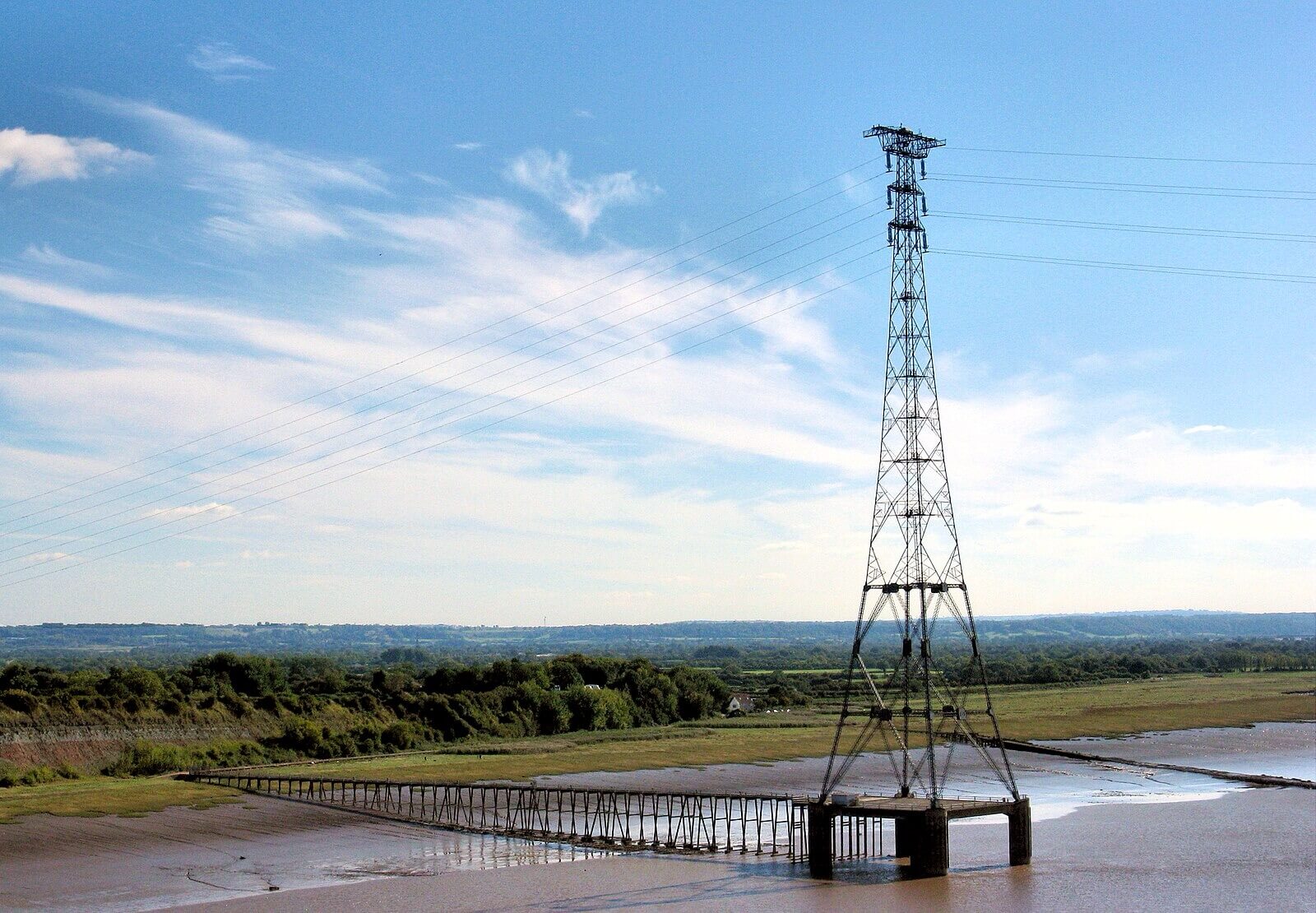
Introduced by Rep. Mike Collins (R-GA), the legislation offers targeted reforms to how we review and approve infrastructure and, in doing so, advances three vital goals simultaneously: helping to keep energy affordable, improving reliability, and protecting the environment.
By Nick Loris3 min readOctober 30, 2025
→
Energy
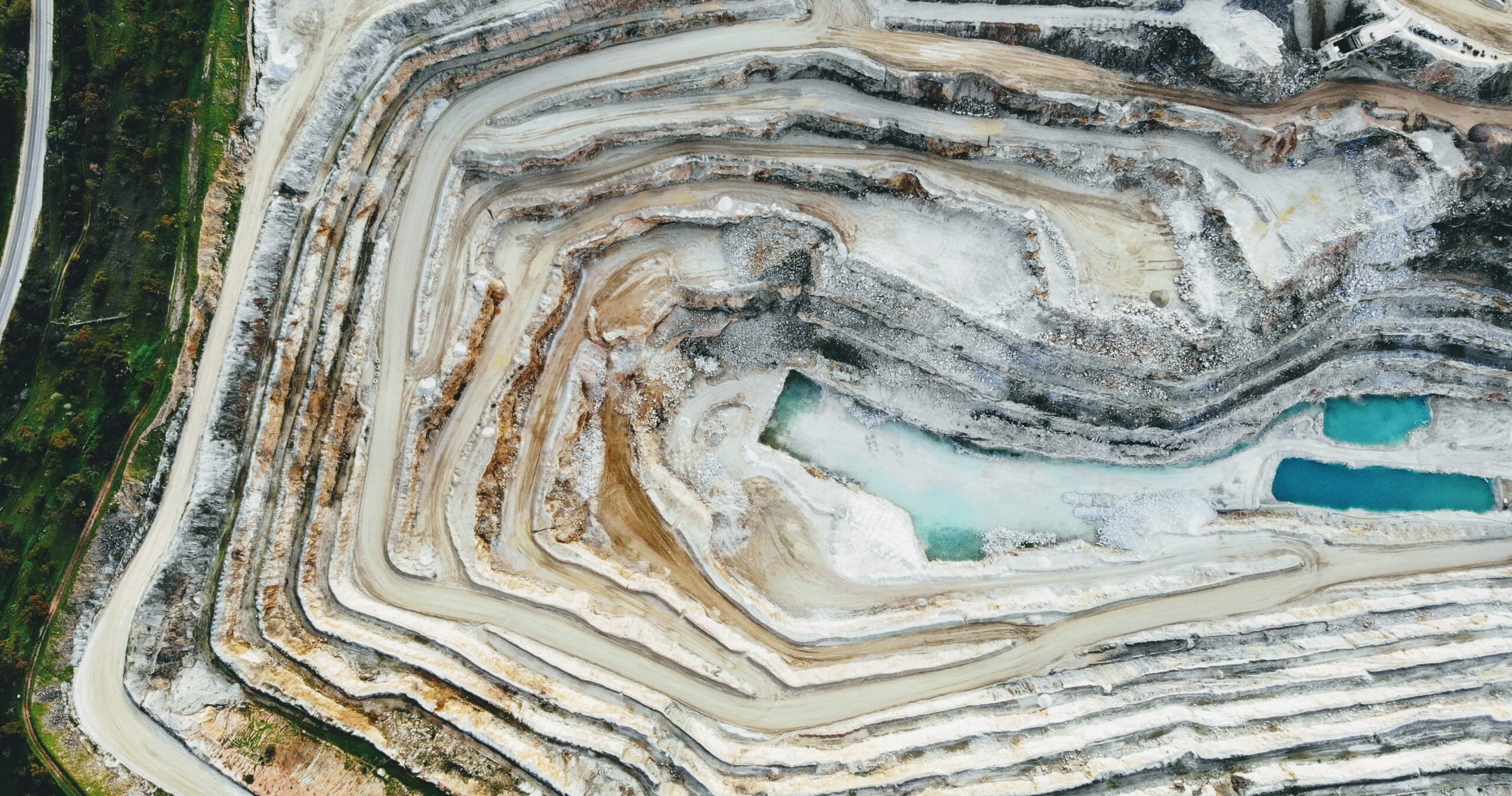
“The West does not need to develop a home-grown substitute for the entire Chinese rare-earth industry to reduce the threat China’s monopoly poses,” the Economist article concluded. Indeed, “the West could ‘significantly derisk’ by cutting its reliance on China to 60-70 percent of consumption. That would provide sufficient alternative supply for the most critical uses.”
By Drew Bond4 min readOctober 1, 2025
→
Energy
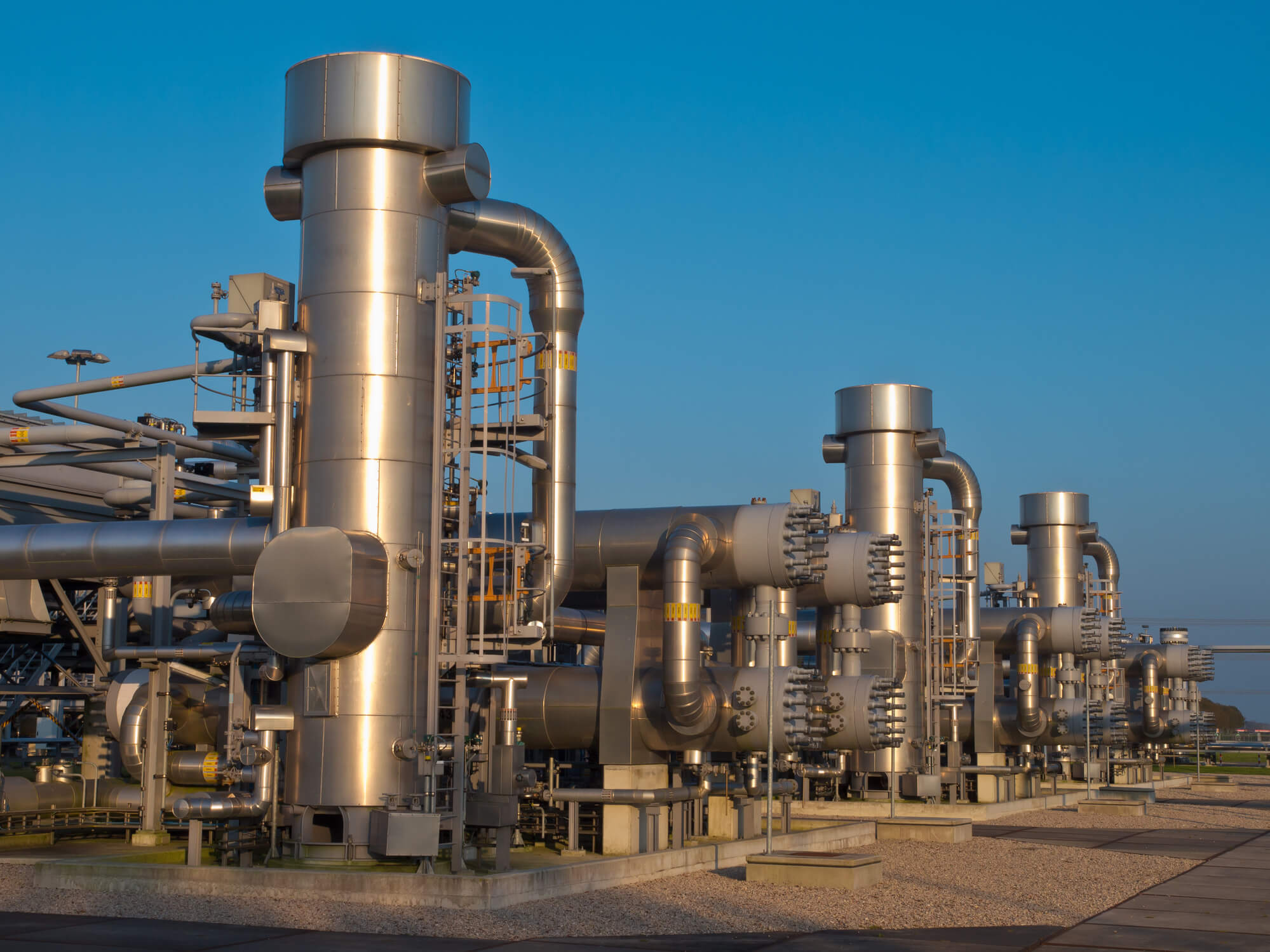
Just look at the numbers. U.S. data centers used 176 terawatt-hours (TWh) of electricity in 2023, triple what they consumed less than a decade earlier. By 2030, we’re talking about 400–500 TWh every year, enough to power 20 to 30 million homes. That’s not a blip on the chart. That’s a new industrial revolution.
So what fuels this surge? Natural gas.
By Ann Bluntzer Pullin3 min readSeptember 4, 2025
→
Energy
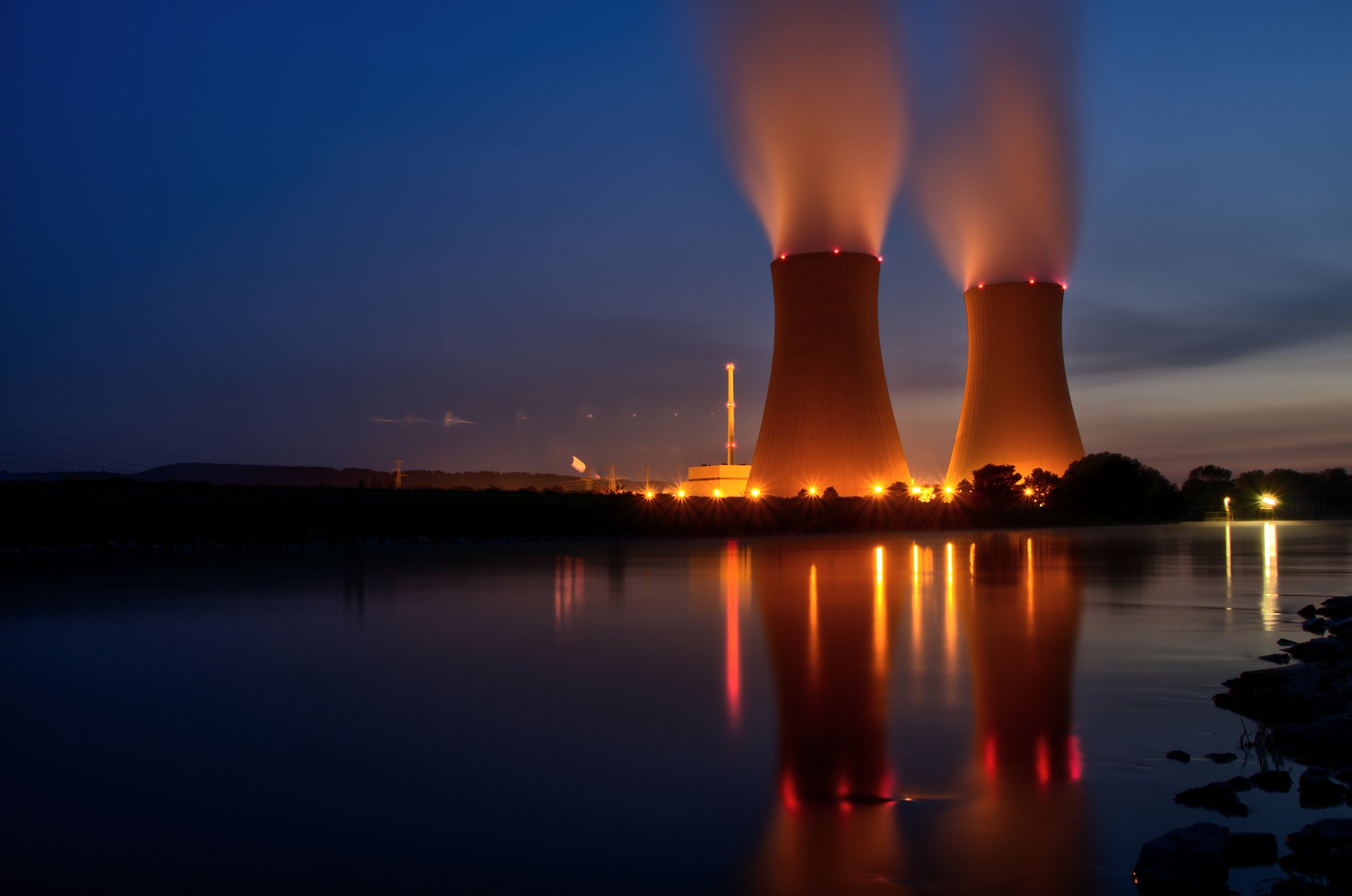
Implementing artificial intelligence may help make nuclear permitting faster, even with existing bureaucratic hurdles.
By Kelvey Vander Hart3 min readAugust 19, 2025
→

Energy
Well-intentioned laws meant to prevent environmental missteps remain the most significant barrier holding America back from meeting the energy moment.
By Charlie Fendig4 min readAugust 13, 2025
→
