Business leaders talk about moving from strength to strength: going from one thing they do well to another thing they do well. However, the real power move is going from weakness to strength. Figuring out what you are doing poorly and finding a way to do it well.
We’ve seen an example during the first year of the Trump administration. In the previous administrations, energy policy was focused on “net-zero” emissions – often at high cost to energy consumers, consumer choice, and the broader economy.
The focus now is on “net-abundance,” that is, having plenty of domestic energy available at all times. The United States has changed the narrative and its policy approach on energy, climate, and the environment. What was once all about gloom and doom, top-down, and energy scarcity is now all about optimism, bottom-up, and energy abundance.
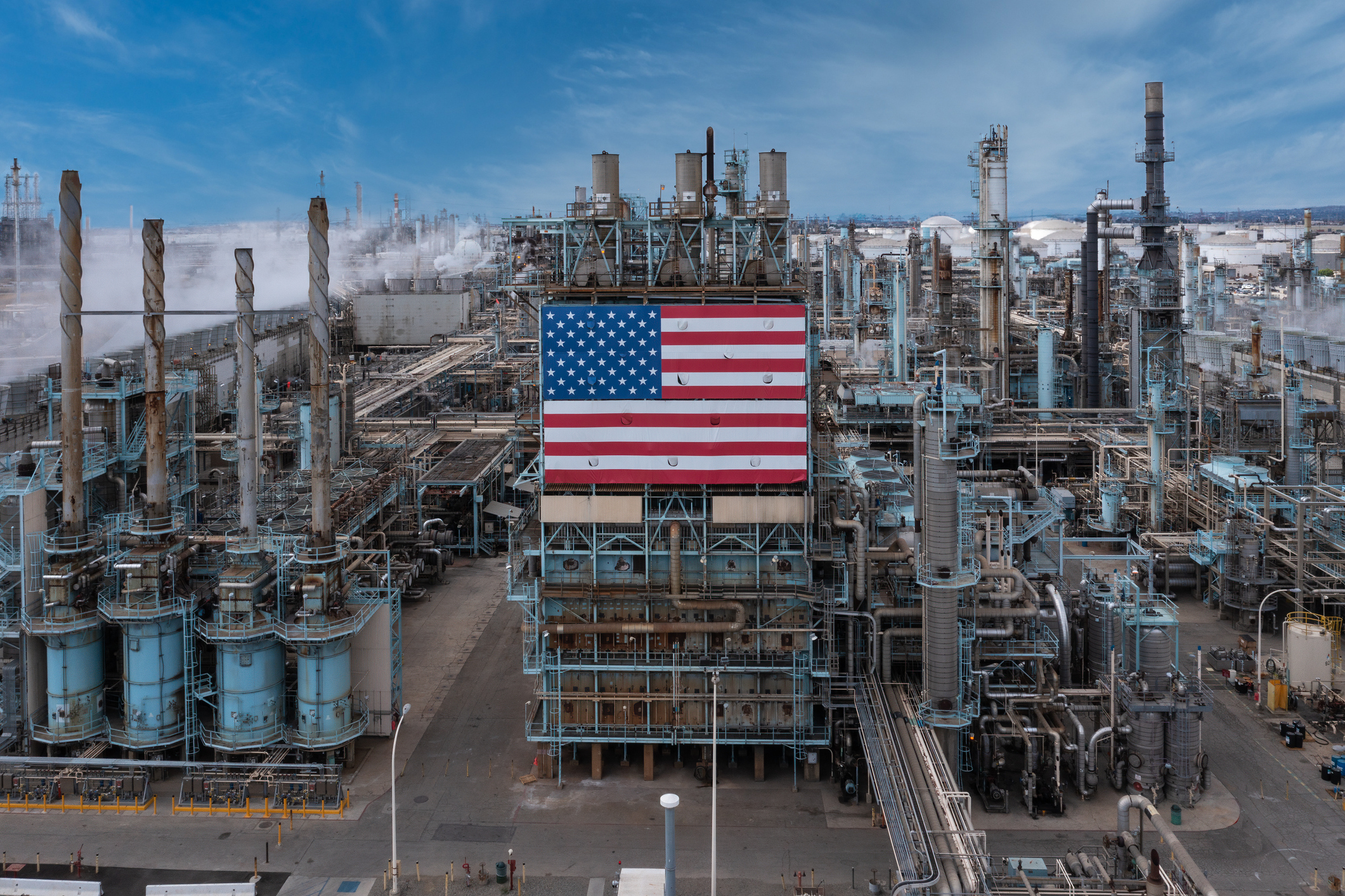
Abundance must be the key factor in energy policy. Clean energy is a worthwhile goal. But reliability and affordability are more important in people’s day-to-day lives. When families can’t afford to heat their homes or keep the lights on, environmental goals become a luxury. Abundance drives down prices and increases reliability. The administration’s agenda today is about adding and multiplying, strengthening American energy security with abundant, affordable, and reliable energy that is the cleanest in the world.
This agenda puts Americans first by ensuring we have the resources we need to build a clean and efficient economy. But abundance doesn’t stop at our borders. It boosts everyone everywhere, because that is what abundance does. Worldwide, our policies are helping lift people out of poverty and providing greater energy security by exporting American energy and investing with our allies.
>>>READ: Don’t Undercut the Case for Energy Abundance
An abundance agenda will empower American innovation to rise to the challenge like never before to address concerns such as rising energy demand from data centers and AI. That may mean building on-site gas-fired power plants at data centers to serve as backup power and ensure the AI remains on at all times. That could also feed electricity back into the grid during periods of high demand, thereby boosting availability and affordability.
The administration also rolled back some excessive regulations on power plants that would have made it extremely difficult to use coal as a backup to cleaner electricity generation options. This step also plays into the abundance agenda. The more sources of energy we have, the more energy secure we are, the better.
In the long term, the American economy will benefit from diverse domestic energy supplies, including solar and wind energy with battery storage. Still, we have to ensure we can build them without relying on raw materials from China.
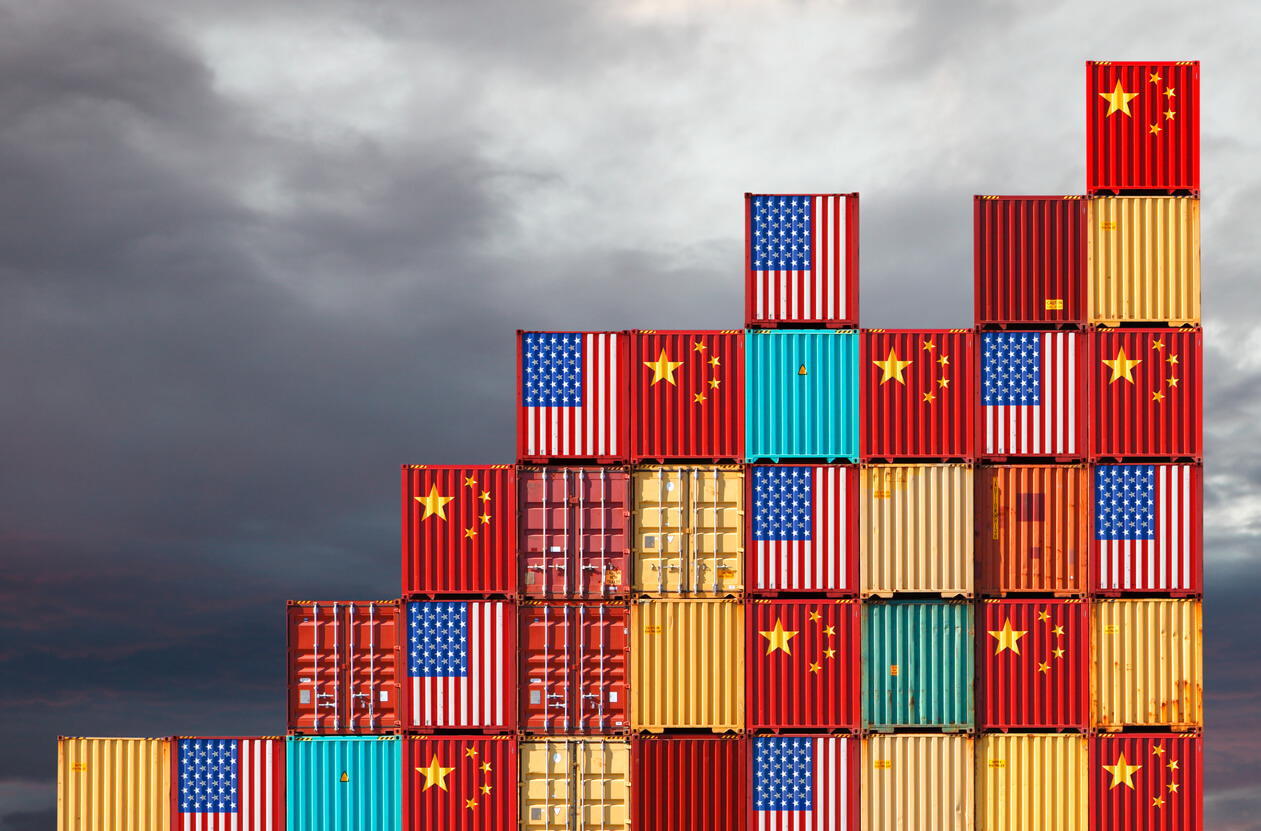
An abundance agenda must recognize that the cheapest price isn’t always the best if it means overreliance on countries hostile to American interests and national security. Beijing has pursued a deliberate policy that has made it the world’s largest supplier of rare earths and inexpensive labor. The United States and our allies must be able to build reliable supply chains that do not rely on China’s good graces.
>>>READ: What is Energy Dominance and How Do We Get More of It?
Meanwhile, we are delivering more energy with fewer emissions every year while expanding our economy. US CO₂ emissions from energy consumption have fallen to 1987 levels while our gross domestic product, or GDP, has increased sixfold. Our nominal GDP in 1987 was $4.9 trillion, and today it is estimated at almost $30 trillion. This is one of the reasons why I continue to promote the fact that Free Economies are Clean Economies. Economic prosperity is the best climate solution.
American innovation, driven by human ingenuity, AI, and a system of free enterprise, will continue to help us retain a competitive advantage over China to provide the energy we need and improve the environment.
The Trump agenda isn’t about trying to get to an extremely costly, unachievable net-zero goal. That simply plays into China’s interests at the expense of American energy affordability and security. It is about net-abundance: more for everyone. It’ll move us from strength to strength.