Energy
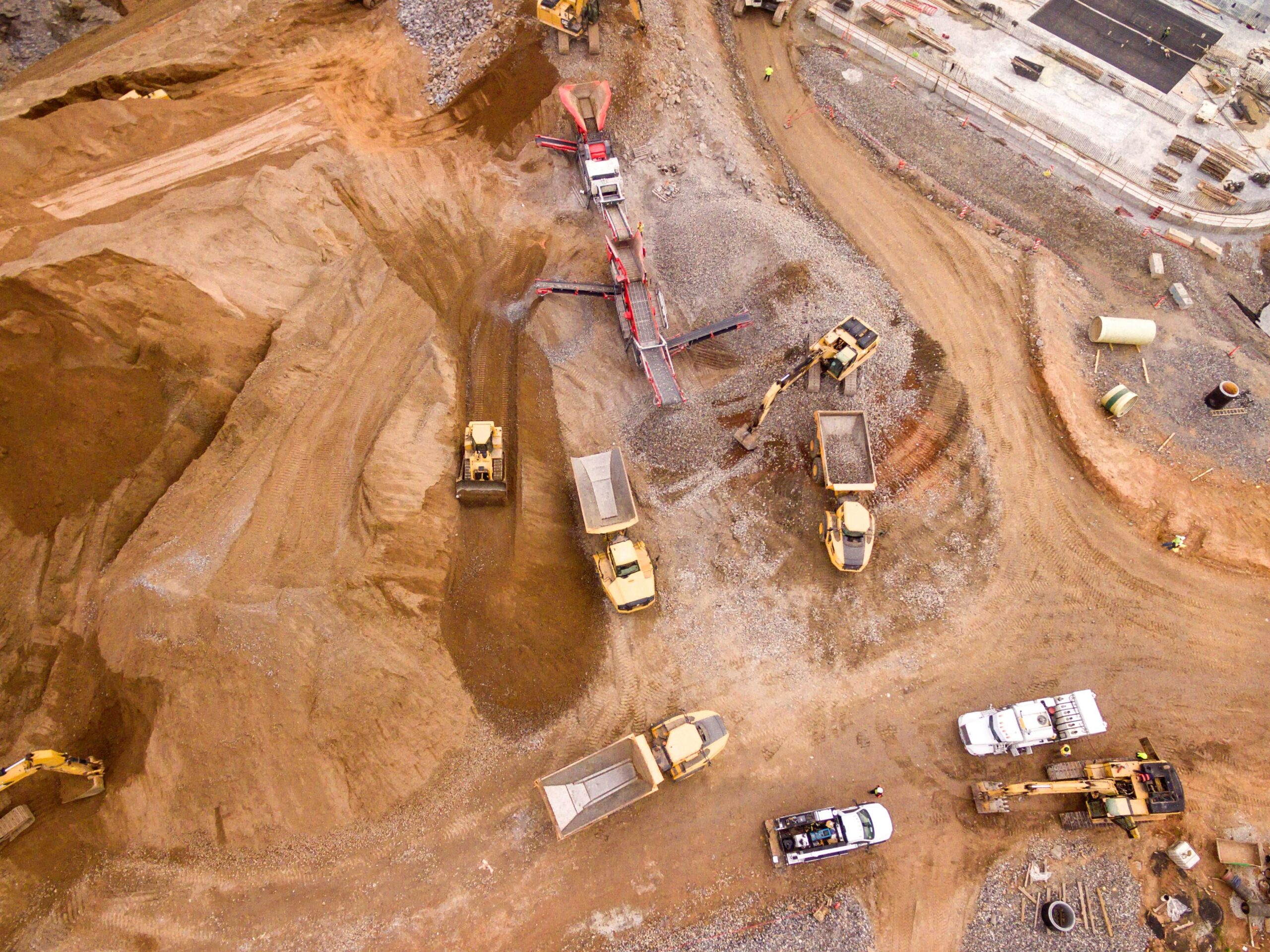
Trade tensions between the U.S. and China continue to escalate, and rare earths remain a central pawn, despite an apparent agreement reached last month, in which China would address U.S. concerns over shortages of rare earths and other critical minerals. Earlier this week, China added 10 companies to its export control list, banning exports of dual-use rare earths to firms it says are tied to the U.S. military. The move was a response to Washington’s decision earlier this month to add new companies, including large Chinese firms such as Alibaba and Baidu, to a list of entities it says assist the Chinese military, a designation that restricts their access to U.S. technology and trade.
By David Kemp5 min readJune 29, 2026
→
Energy
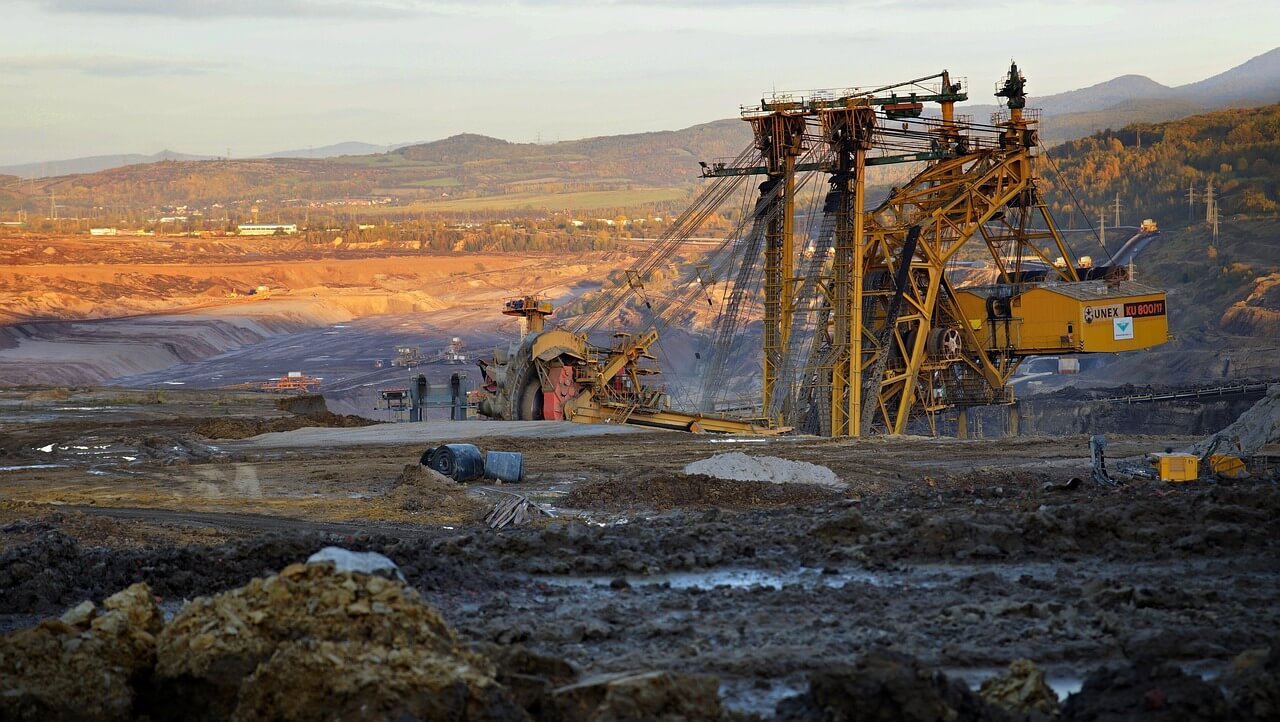
Critical minerals have become a marquee issue in Washington over the past several years, driven by growing concern that the United States and its allies depend too heavily on China for materials that are indispensable to both the civilian economy and the defense industry.
By David Kemp5 min readMay 5, 2026
→

Infrastructure
The United States is the most energy-rich nation on earth. We have motivated capital, human ingenuity, a wide range of resources, and innovative technologies. With unprecedented energy demand needed in the next few years, the United States needs more power generation, more pipelines, and transmission lines.
By Nick Loris9 min readApril 27, 2026
→
Energy
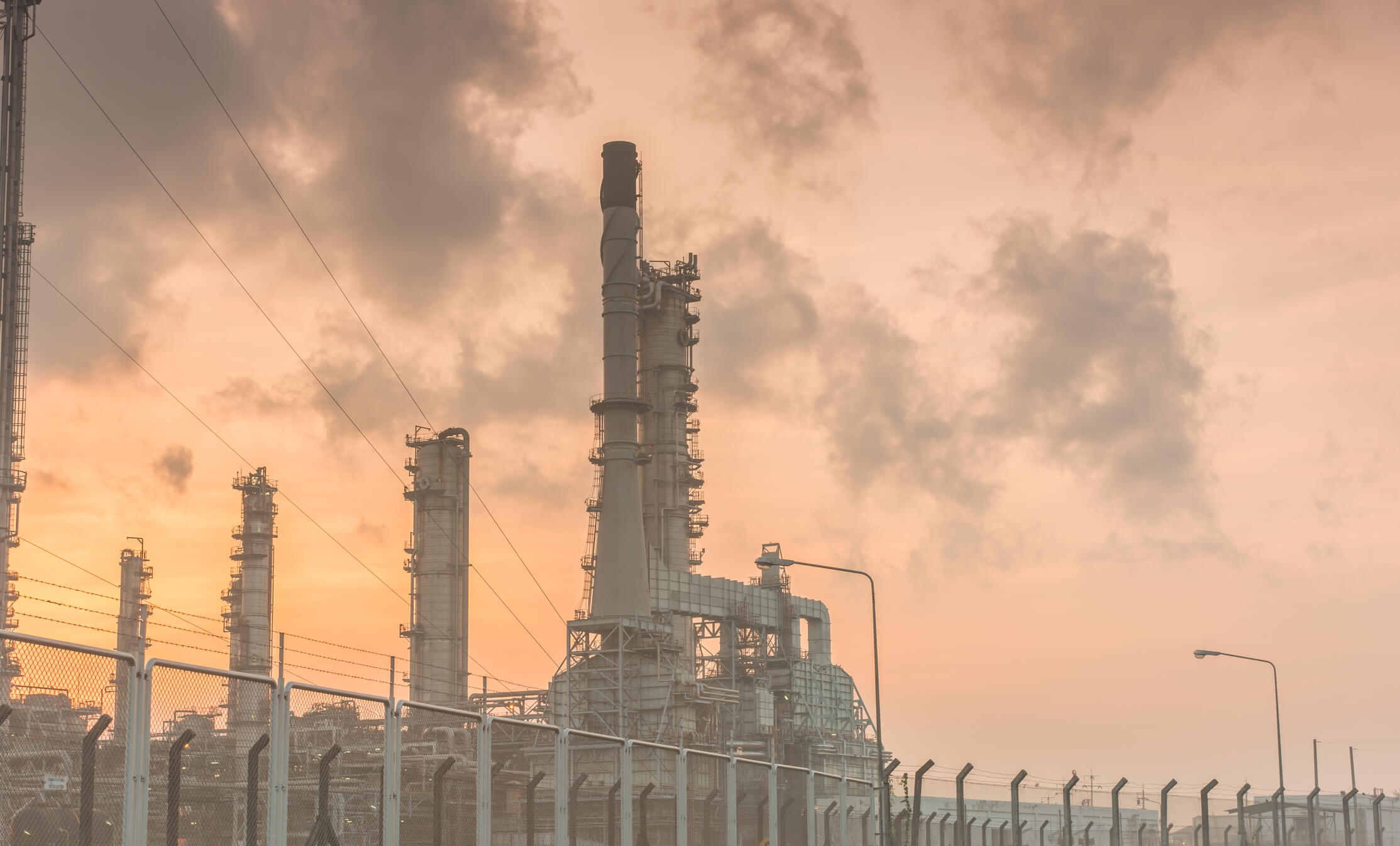
With seemingly no end to the Iran War in sight, the Trump administration has several actions to soften the economic blow, including waiving the Jones Act and releasing 172 million barrels of oil from the Strategic Petroleum Reserve. One sensible solution to help consumers is to grant exemptions for the small refineries that are critical to US energy security and affordability.
By Nick Loris4 min readApril 7, 2026
→
Economics
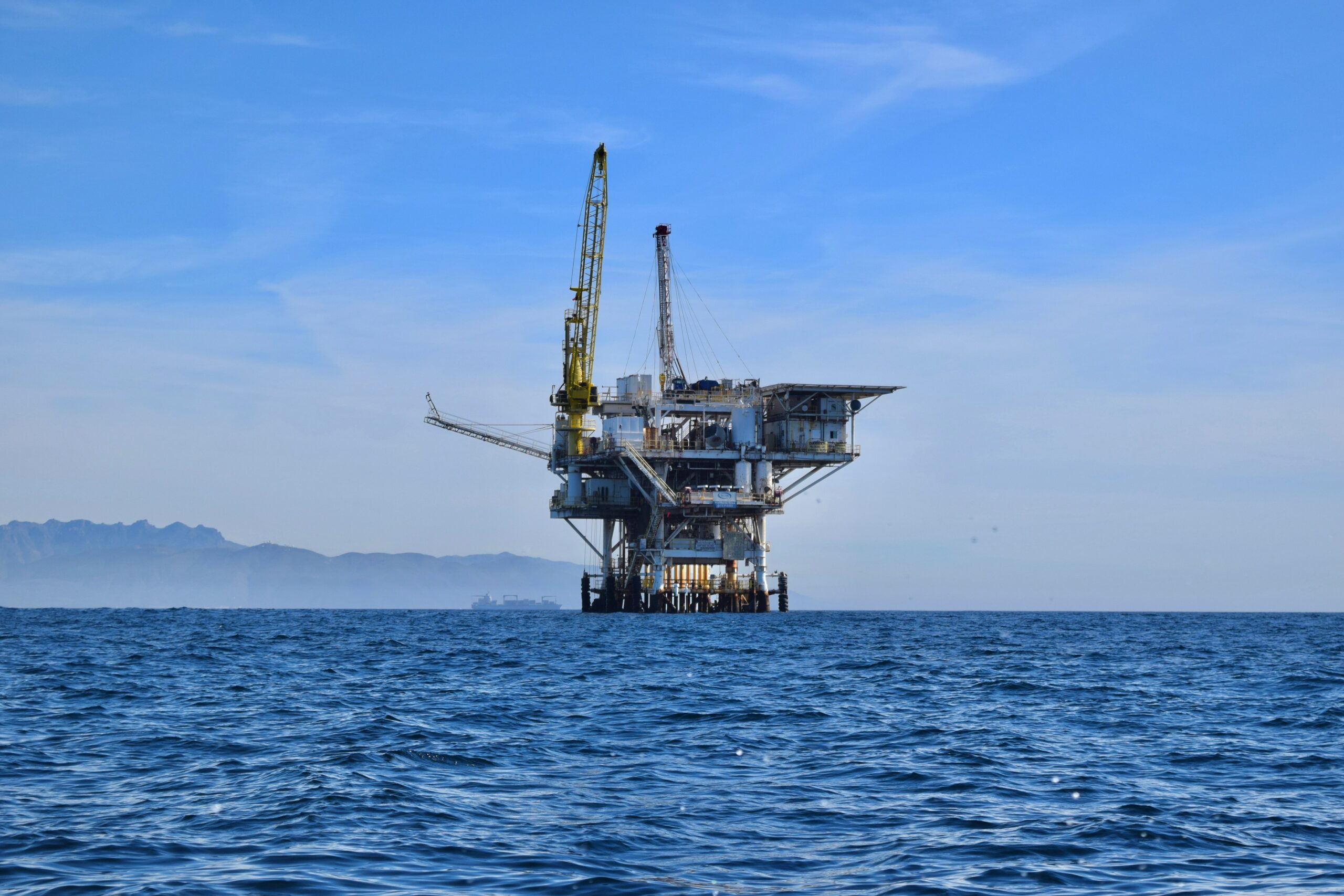
The war with Iran has sent oil prices, and then gasoline prices, sharply higher. West Texas Intermediate (WTI) crude, the main U.S. oil benchmark, rose from the mid-$60s per barrel in late February to around $100 on March 19. U.S. gasoline prices have followed suit, with the average price increasing from a pre-war level of under $3.00 per gallon to over $3.70 by mid-March.
By David Kemp5 min readMarch 23, 2026
→

Energy
China’s monopoly on rare earth elements is not accidental. The United States, once the world leader in rare earth element production, helped create its own decline as environmental regulations and shifting industrial economics pushed production capacity offshore, allowing an increasingly adversarial nation to gain leverage over materials essential to defense systems and advanced technologies. Reasserting U.S. independence will require rebuilding our domestic supply chain and renewed coordination between government and industry.
By Aurelia S. Giacometto4 min readMarch 18, 2026
→
Energy
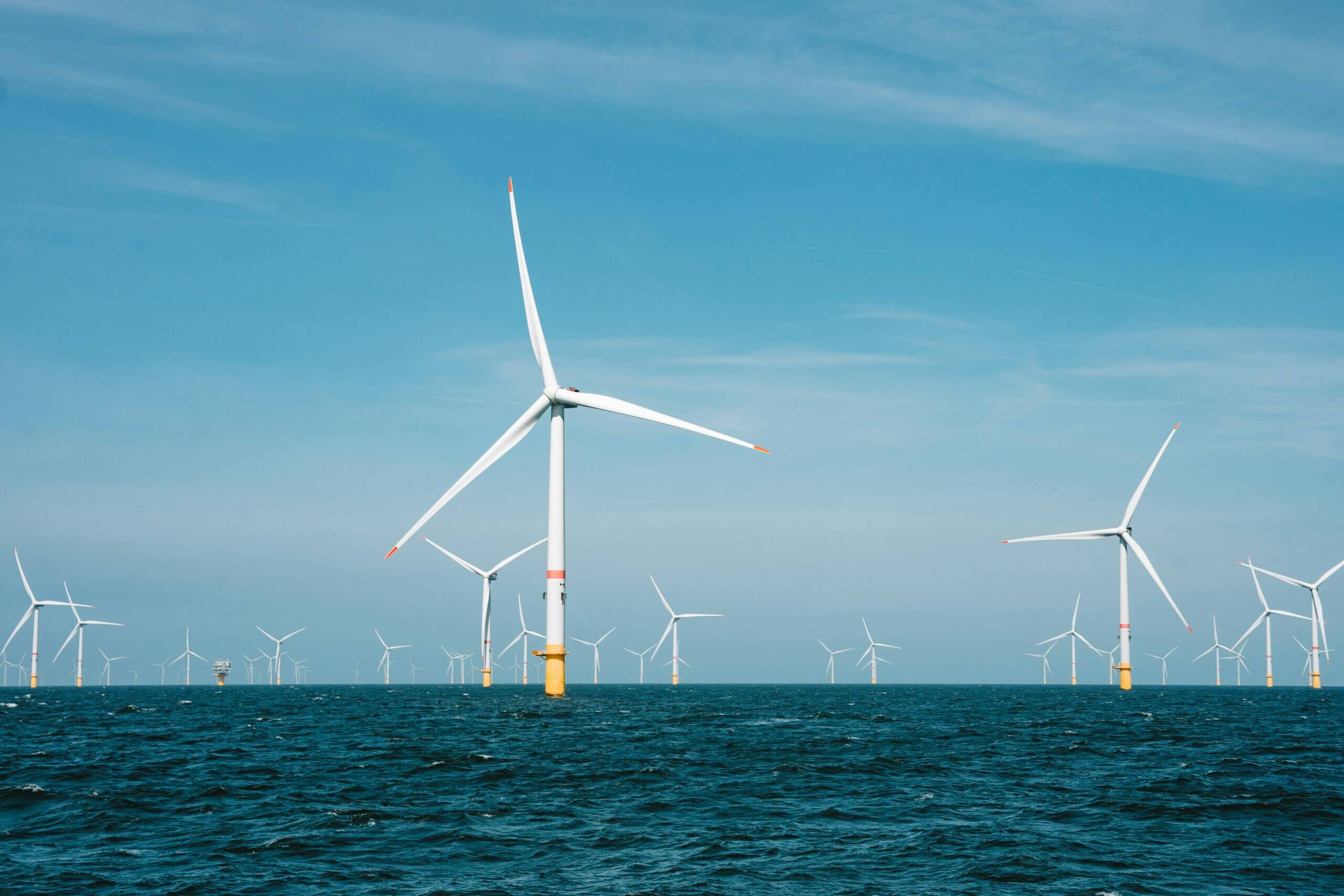
In its most recent foray against offshore wind, the administration announced it would appeal court rulings that allowed five offshore wind projects to proceed despite last December’s blanket construction halt on national security grounds. Yet the Administration’s ongoing actions risk derailing the possibility of reforming our broken permitting system—a downside far greater than allowing five fully permitted wind projects to go forward.
By Nick Loris4 min readMarch 11, 2026
→

World
America's energy future is often framed as a binary choice between fossil fuels and a clean energy transition. But that framing is misleading, and acting on it could worsen both our energy bills and our climate outcomes. Domestic oil and gas production remains critical to energy affordability, grid reliability, and even near-term emissions reductions.
By Prasanna Pydipalli4 min readMarch 10, 2026
→

Infrastructure
The Trump administration recently announced it would appeal court rulings that allowed offshore wind projects to proceed with construction. This follows the administration’s halt to construction on five projects last December for national security reasons, even though those projects had already received permits and are nearly complete. If the goal is true American energy dominance, the bigger task is fixing the broken permitting system that slows every form of American energy infrastructure.
By Nick Loris6 min readMarch 3, 2026
→

Policy
For the past two decades, U.S. climate policy has been driven more by legal and administrative maneuvering than by legislative consensus. The result has been regulatory inefficiency, policy whiplash between administrations, and little progress toward a durable, politically sustainable framework for managing climate risk.
By David Kemp4 min readFebruary 23, 2026
→
