

Energy
The U.S.-China Summit Is a Chance to Reopen Minerals Trade
Chinese President Xi Jinping arrives in Washington today for a three-day state visit. Export controls will be a central focus of his meeting with President Trump. Two moratoriums,…
The archive
Energy
Chinese President Xi Jinping arrives in Washington today for a three-day state visit. Export controls will be a central focus of his meeting with President Trump. Two moratoriums,…
Energy
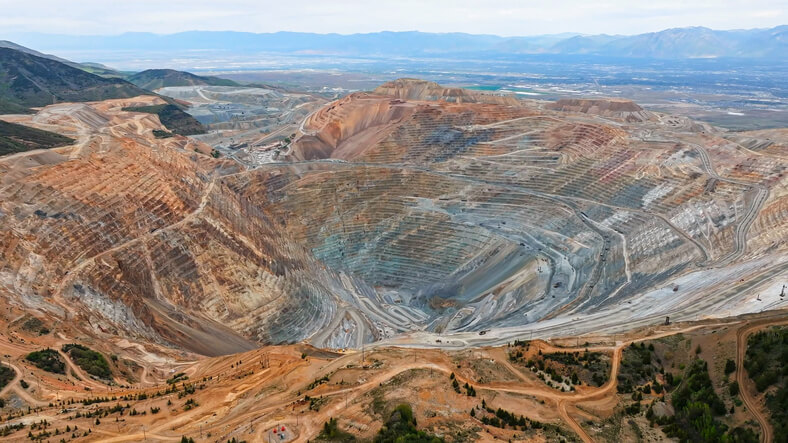
The Protecting Domestic Mining Act (H.R. 1501) just passed the House by a 218–201 vote, with seven Democrats crossing the aisle. The bill, which now heads to the Senate, makes mining and mineral processing eligible for expedited permitting under Title 41 of the Fixing America's Surface Transportation Act (known as FAST-41) and blocks a Biden-era proposal that would have limited that eligibility to "critical" minerals.

Infrastructure
Americans just lived through one chip shortage. They’re about to live through another, and this one could hit their wallets even harder. The culprit this time isn’t a pandemic disrupting factories; it’s an artificial intelligence (AI) boom devouring the world’s memory chip supply. If Washington isn’t careful, the policy response could make the problem worse, not better.
Energy
Rather than causing disparate groups to come together to recognize the importance of all forms of energy, oil prices have resulted in some pushing harder for oil and gas and others pressing harder for solar, wind and batteries. This is a false dichotomy. Both are needed.

Energy
Before instituting sweeping policies that risk creating costs and distortions worse than the supply disruptions and Chinese dependence they aim to solve, Washington needs to weigh the benefits of intervention against its costs.

Energy
Governments shouldn’t determine which forms of energy are “good” or “bad,” using subsidies and mandates to boost the good while imposing restrictions to hobble the bad. Instead, decisions about the fuel mix should be left to the market as much as possible.
Energy
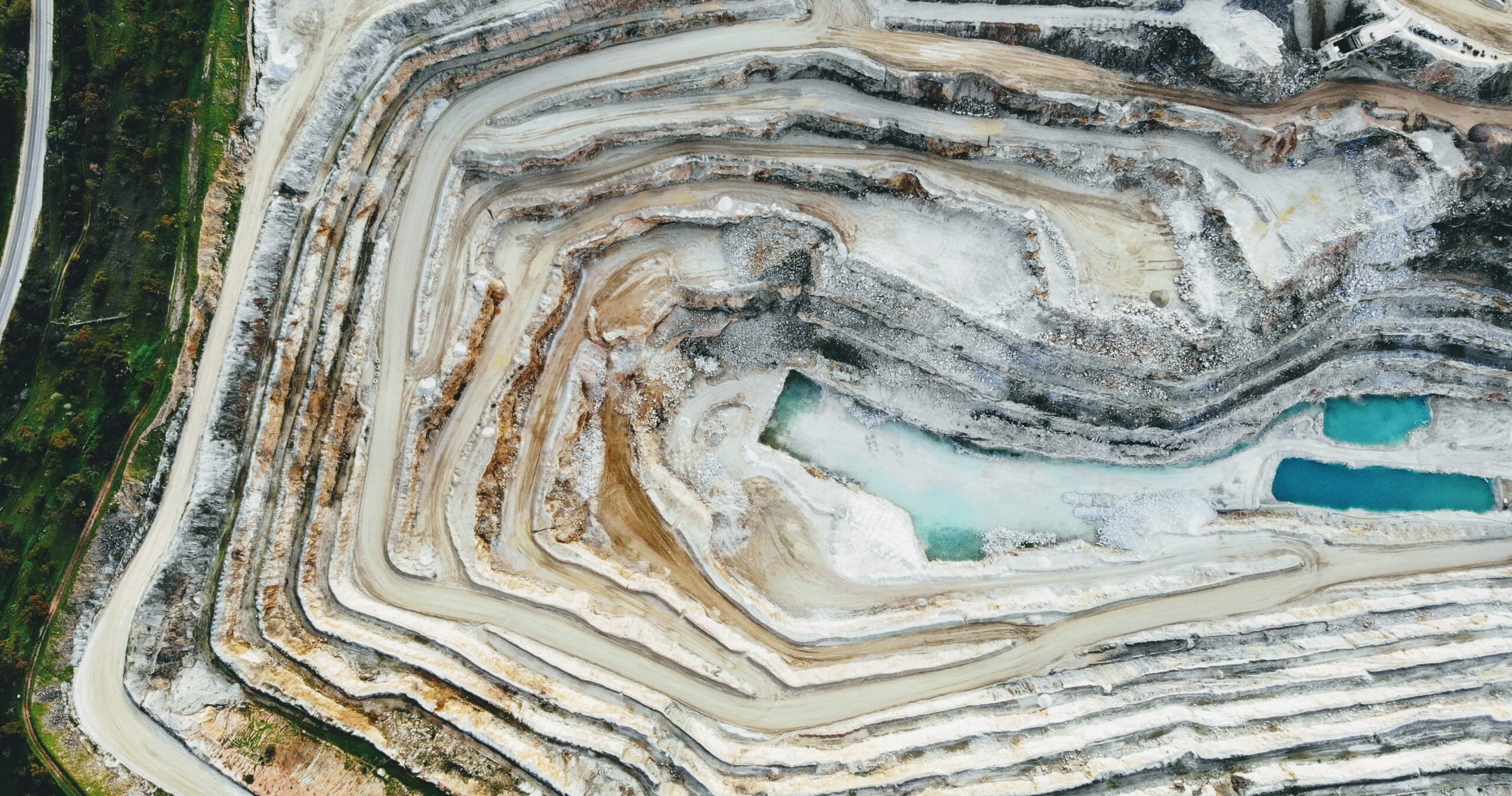
The risks posed by this concentration are worth taking seriously. The problem is that these tools may force taxpayers to take on unnecessary risk—leaving them stuck with the bill if the companies fail—without addressing the underlying problem.

Infrastructure
Congress is running short on time to pass a comprehensive permitting reform package before the lame duck this fall. On the table awaiting votes are bills reforming the National Environmental Policy Act, Endangered Species Act, and Clean Air Act. The National Historic Preservation Act, which has recently gained traction as a permitting barrier to projects, has received comparatively little attention in Congress.
Infrastructure
Heading into the August recess, policymakers continue to hash out the details of a comprehensive permitting bill in hopes of sending it to President Trump’s desk this Congress. There is bipartisan recognition that permitting reform is essential to improving energy affordability and reliability, and to meeting our environmental ambitions. As the discussions on Capitol Hill evolve, one law starting to receive more attention for reform is the National Historic Preservation Act (NHPA).
Infrastructure
Americans are exhausted by the cost of living—and energy sits at the heart of it. Recently published research by Kevin Dayaratna and Kat Miller at Advancing American Freedom (AAF) analyzing worldwide data finds that robust energy production is directly tied to higher incomes, greater productivity, longer life expectancy, and lower child mortality. The reality is stark: no country has ever achieved high living standards without substantial energy use.