Energy

Latest articles

Energy

How America Should Respond to China’s Industrial Dominance Playbook

Two hundred and fifty years young, the United States of America remains the best country in the world. We’re not perfect, but we still pass “the gates test” with flying colors. As the longtime conservative leader Bill Bennett noted in highlighting the Berlin Wall, “You can measure a nation’s worth by observing the flow of humanity when barriers are raised: do they fight to enter, or do they risk everything to escape?” In America, people are still desperately trying to get in, and for good reason.

→

Energy

Growing Electricity Use Lowers Rates—Until It Doesn’t

Electricity bills are up, and data centers are getting the blame. But in the data so far, the states with the fastest-growing power use have mostly seen rates rise slower than elsewhere, not faster. Rising demand is supposed to push rates up, not down, but there are good reasons to think rising demand has held electric rates down in some areas. The question worth asking is whether we can count on that to last. 

→

Energy

A Deal to End the Iran War Won’t End High Oil Prices Overnight

Yesterday, the United States and Iran signed an agreement to end the war. The 14-point Memorandum of Understanding (MOU) includes an immediate and permanent end to military operations, the lifting of the U.S. naval blockade, and the reopening of the Strait of Hormuz. It is a preliminary deal, not a final settlement, and sets a maximum 60-day deadline to negotiate a final agreement. 

→

Energy

How Data Centers Can Drive Energy Innovation

Necessity, the proverb says, is the mother of invention. That indicates that the reason behind most innovations is that they fill a need. Many of us have a different, more modern way to explain that same observation: free markets work. People see a need, and they innovate to fill it, often crafting a new product or service.

→

Energy

Closing the Local Project Loophole: the Case for Competitive Transmission

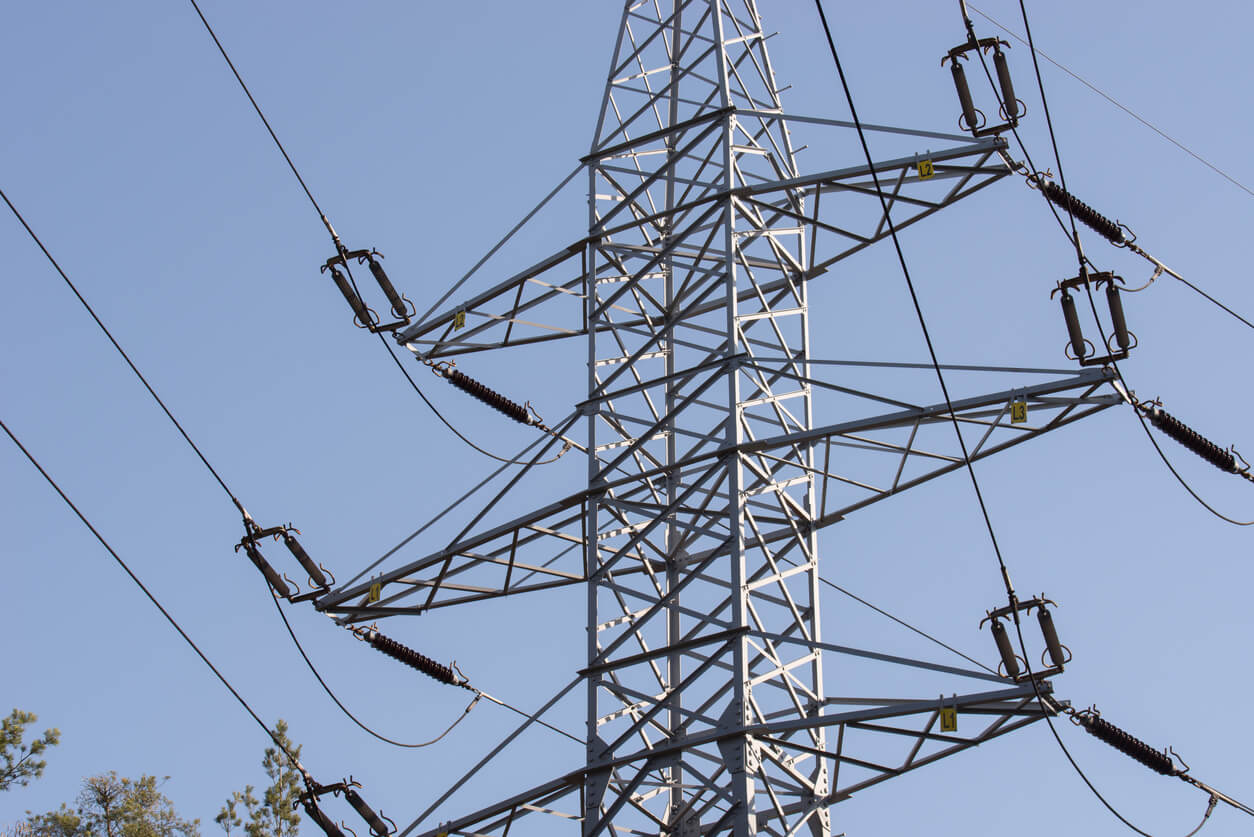
The surge in AI and data centers risks driving up electricity demand faster than we can deploy the power lines needed to carry it. The high-voltage transmission that this expansion, and economic growth more broadly, relies on is slow and expensive to develop, and stuck in an outdated regulatory system that often hands the work to local utilities without competition. New analysis from the R Street Institute shows what this costs us, finding that, when transmission projects are open to competitive bidding, they get built cheaper and faster.

→

Energy

Fusion, A Down to Earth Moonshot Worth Taking

The term “moon shot” was launched in the 1940s, according to research by the Oxford English Dictionary. “The real result of all the work which would have to go into the moon shot,” Rotarian magazine wrote in 1949, “would be the knowledge of how to build and operate rockets of such size.”

→
large data center

Energy

How Data Centers Can Help the Grid

With the AI and data boom underway, electricity has become the top economic infrastructure for growth. Electricity has long been foundational to our society, powering our homes and businesses, but now, it is the primary infrastructure on which the digital economy, advanced manufacturing and an American industrial resurgence depend.

→

Energy

House Acts to Unlock America’s Geothermal Potential

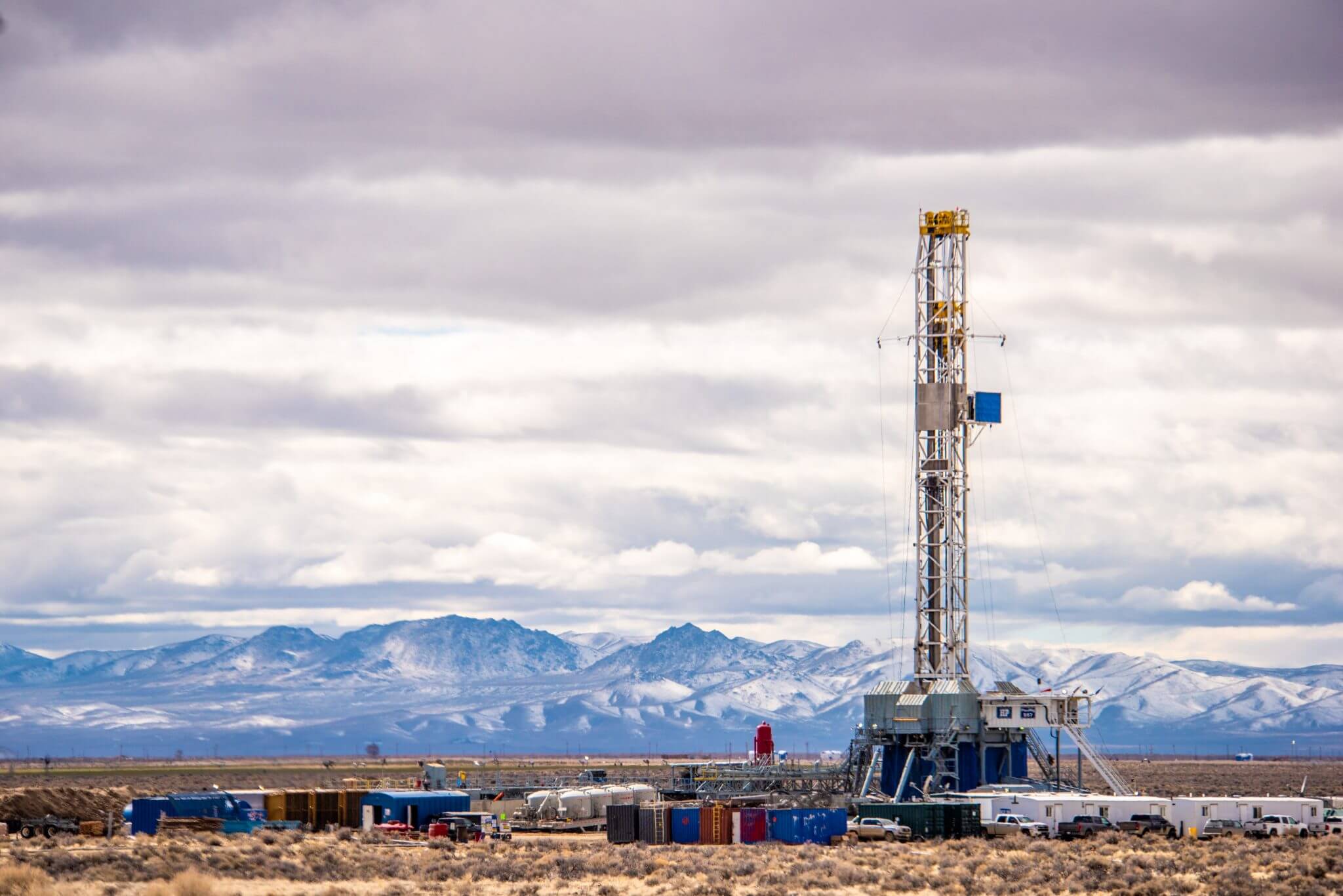
Two bills recently passed by the U.S. House—H.R.5631, the Geothermal Energy Advancement Act, and H.R.1687, the CLEAN Act—take direct aim at this regulatory dysfunction. Together, they represent a consequential step toward realizing the full extent of the geothermal opportunity as the legislation now moves to the Senate for consideration.

→

Energy

America’s Nuclear Renaissance Deserves a Fuel Policy to Match

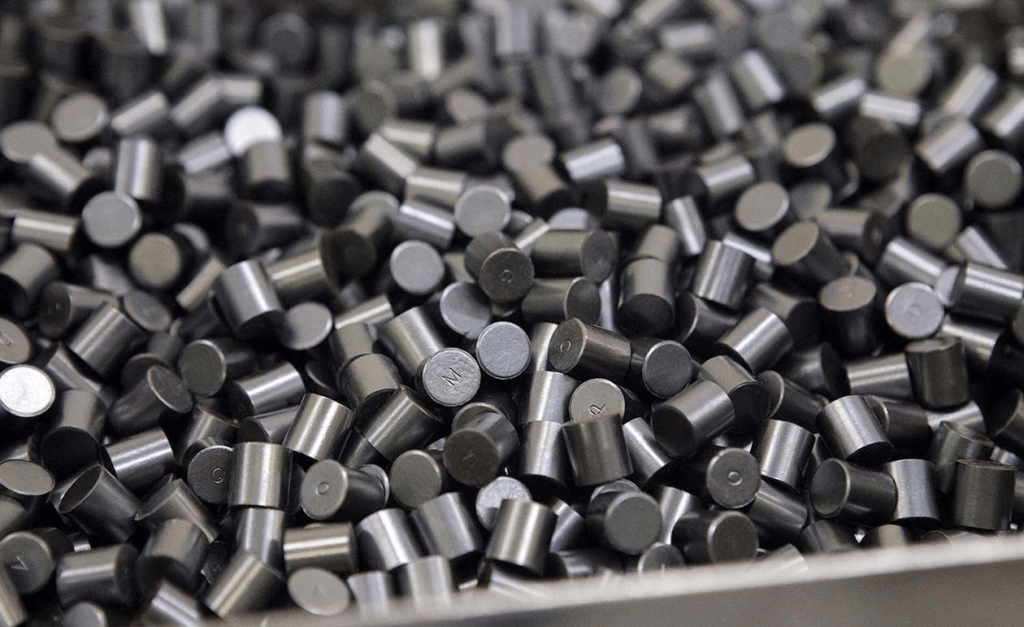
Since 1998, the federal government has paid nuclear reactor owners more than$10.6 billion in court-ordered damages over a broken contract of its own making. The tab grows by roughly $2 million a day, and total federal exposure may eventually reach $39.2 billion. The cause isn’t a safety failure or a market collapse but rather political failures. 

→

Energy

A Consumer-First Grid: How Texas is Privatizing Transmission Delivery Risk to Win the AI Century

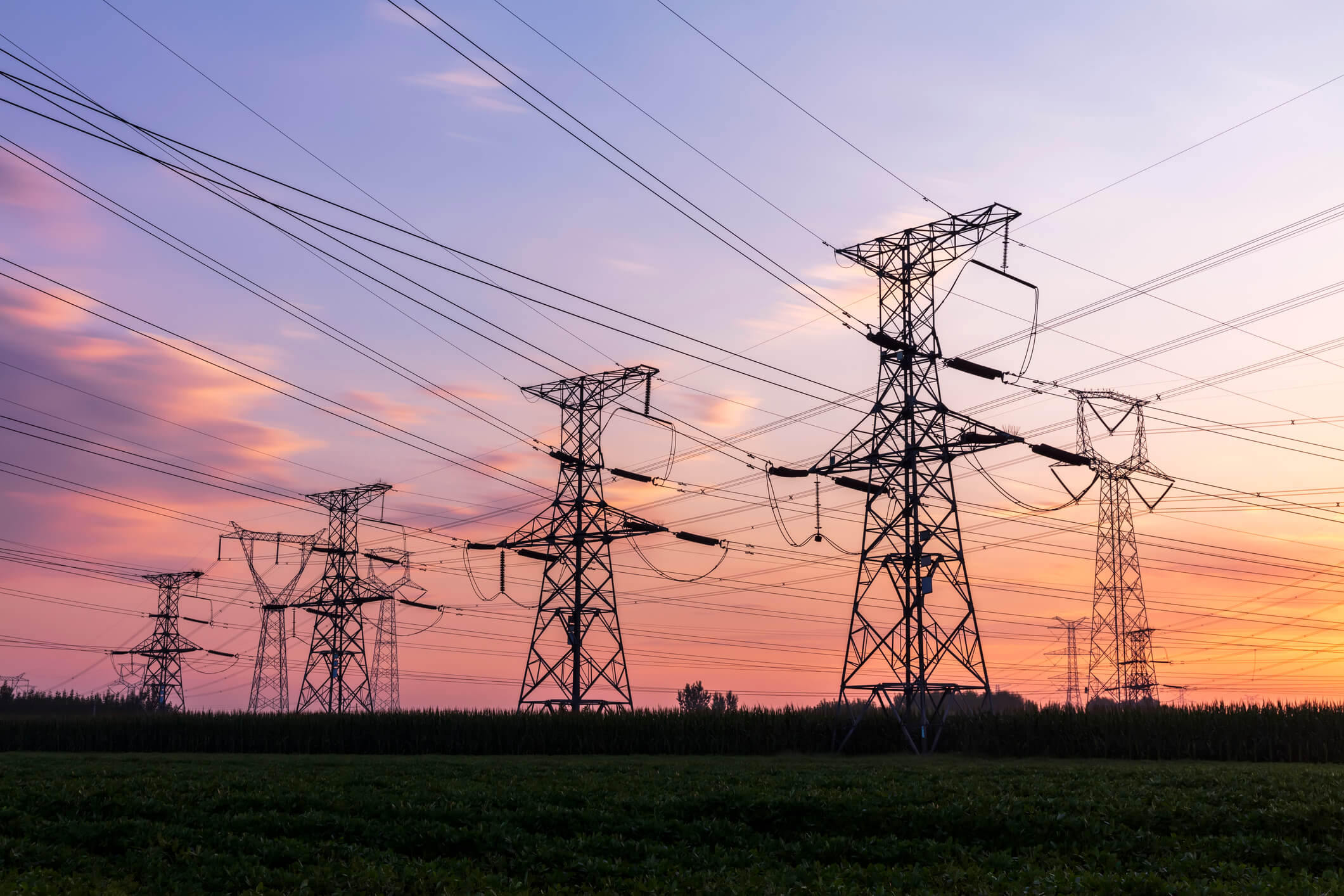
America’s electric grid is facing a structural breaking point. Trillions of dollars of artificial intelligence infrastructure, data centers, and industrial reshoring demand power today, but traditional high-voltage transmission upgrades take five to seven years to deliver firm capacity. Under the status quo, large energy consumers are forced to wait in line, threatening stymied global leadership and lost economic growth.

→

The C3 Journal newsletter

Field Notes

A weekly briefing of essential essays—including the newest thinking on Energy.

Introducing C3 Journal

A new Journal. A bigger conversation.

C3 News Mag is now C3 Journal—a complete rethink of what an energy and environmental publication can be. Original essays. Leading contributors. The issues that matter, examined by some of America’s best policy minds. Built for the people making consequential decisions about energy, the environment, and our shared future.

C3 News Mag is now C3 Journal. A new home for original essays, leading policy minds, and the ideas shaping energy and the environment.

Get Field Notes, the C3 Journal newsletter.