Energy
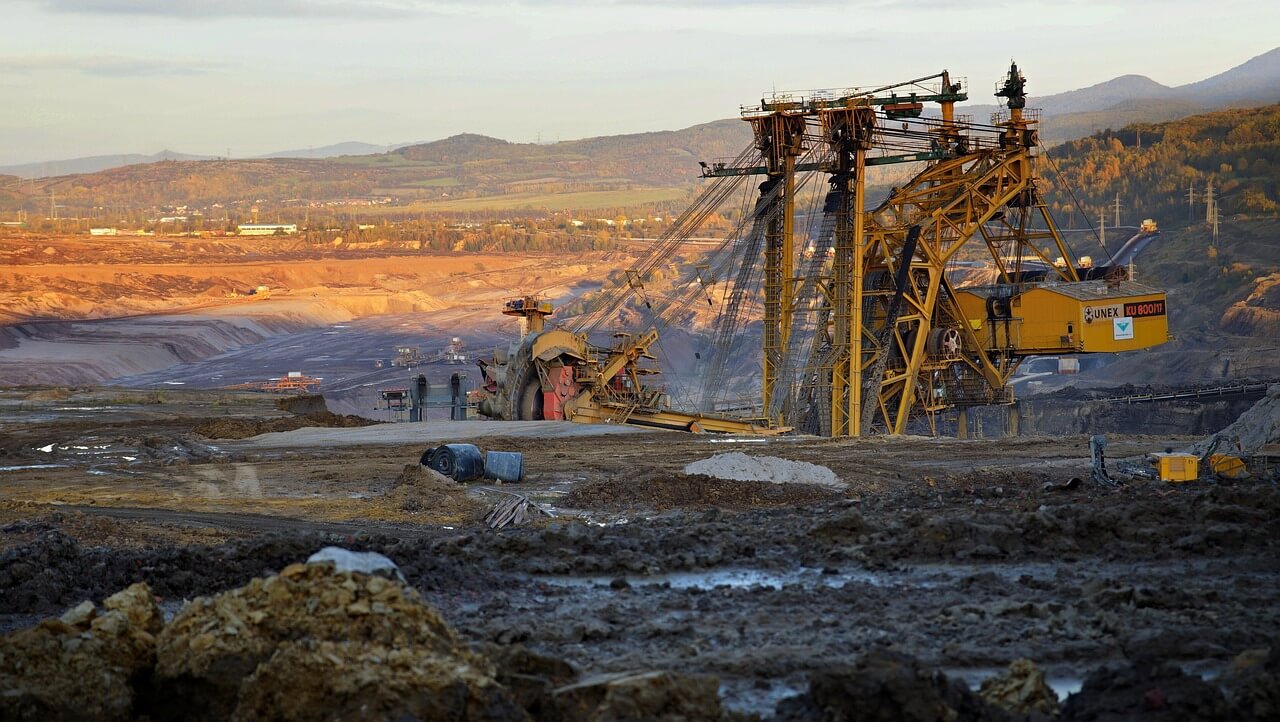
Last week, the Quadrilateral Security Dialogue, known as the Quad and consisting of the United States, India, Japan, and Australia, met in New Delhi and hammered out, among other things, a Quad Critical Minerals Initiative Framework.
By David Kemp4 min readJune 1, 2026
→
Energy
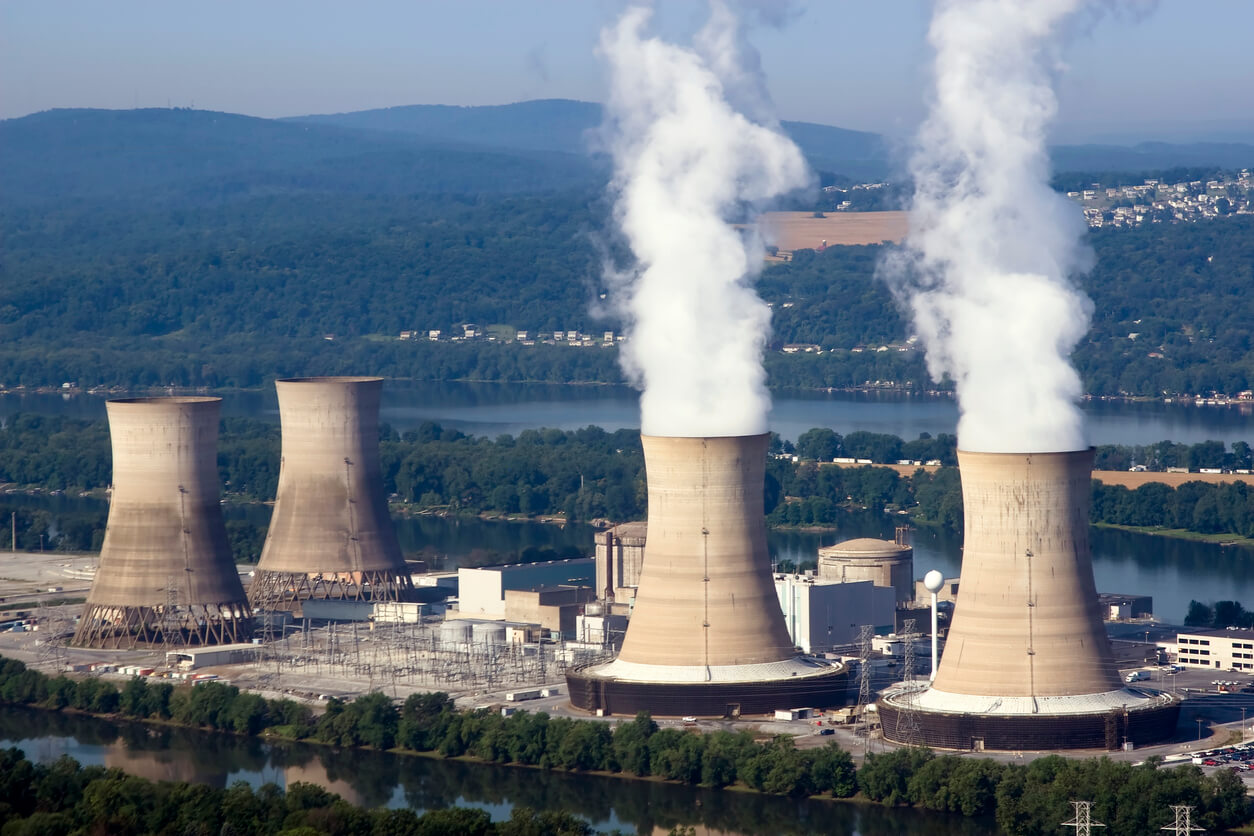
Nuclear energy is safe, clean, reliable, and scalable. It can power the artificial intelligence (AI) revolution, revitalize industrial communities, and help meet our environmental ambitions. So why does building a nuclear plant in the United States cost so much?
By Nick Loris5 min readMay 28, 2026
→
Environment
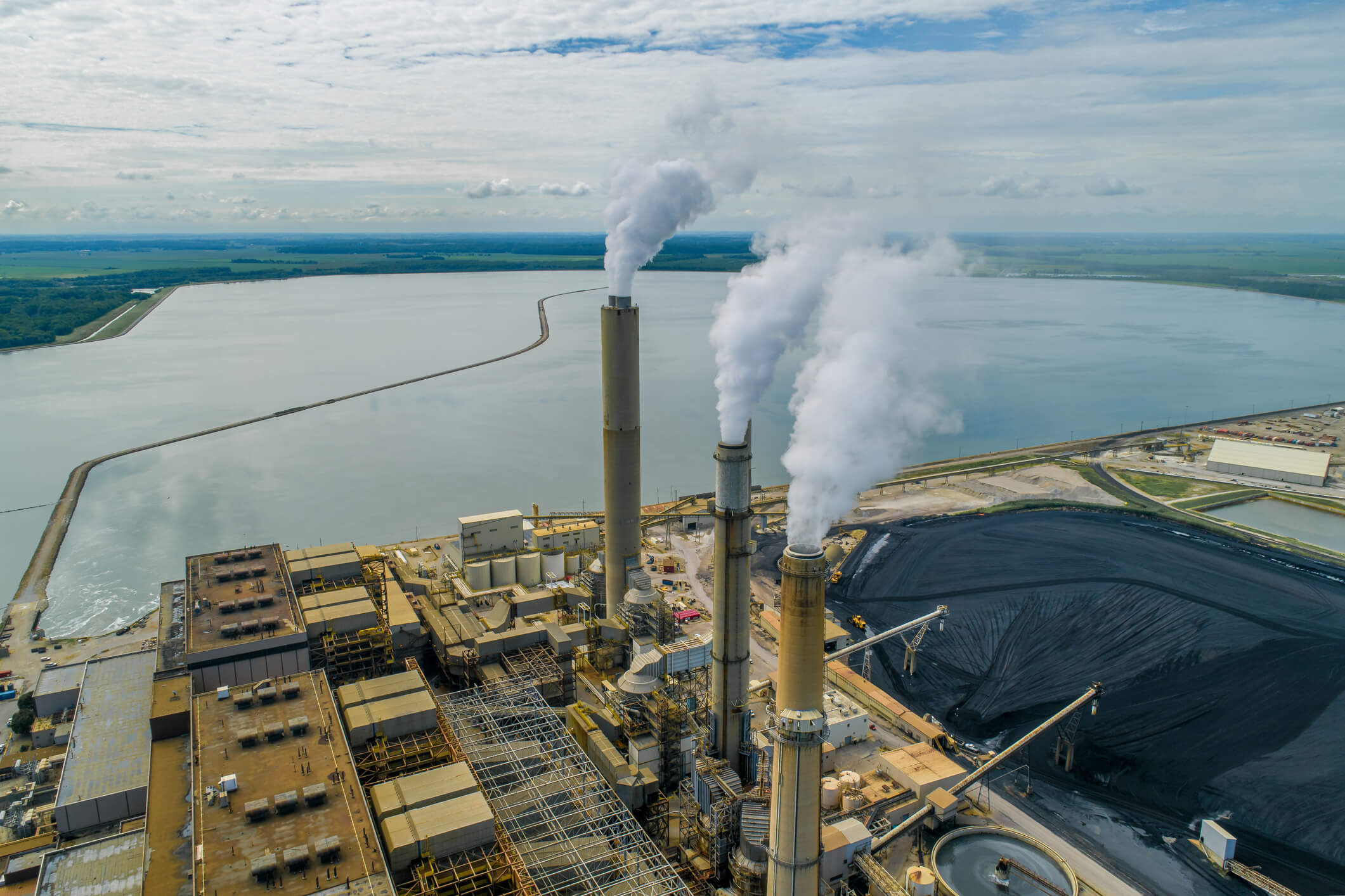
Across the United States, billions of tons of industrial waste could hold the key to revitalizing the country’s struggling critical metals sector. PHNX Materials is unlocking that opportunity by transforming waste into high-value materials for the agriculture, semiconductor, and building materials industries.
By Nathalie Voit3 min readMay 27, 2026
→
Energy
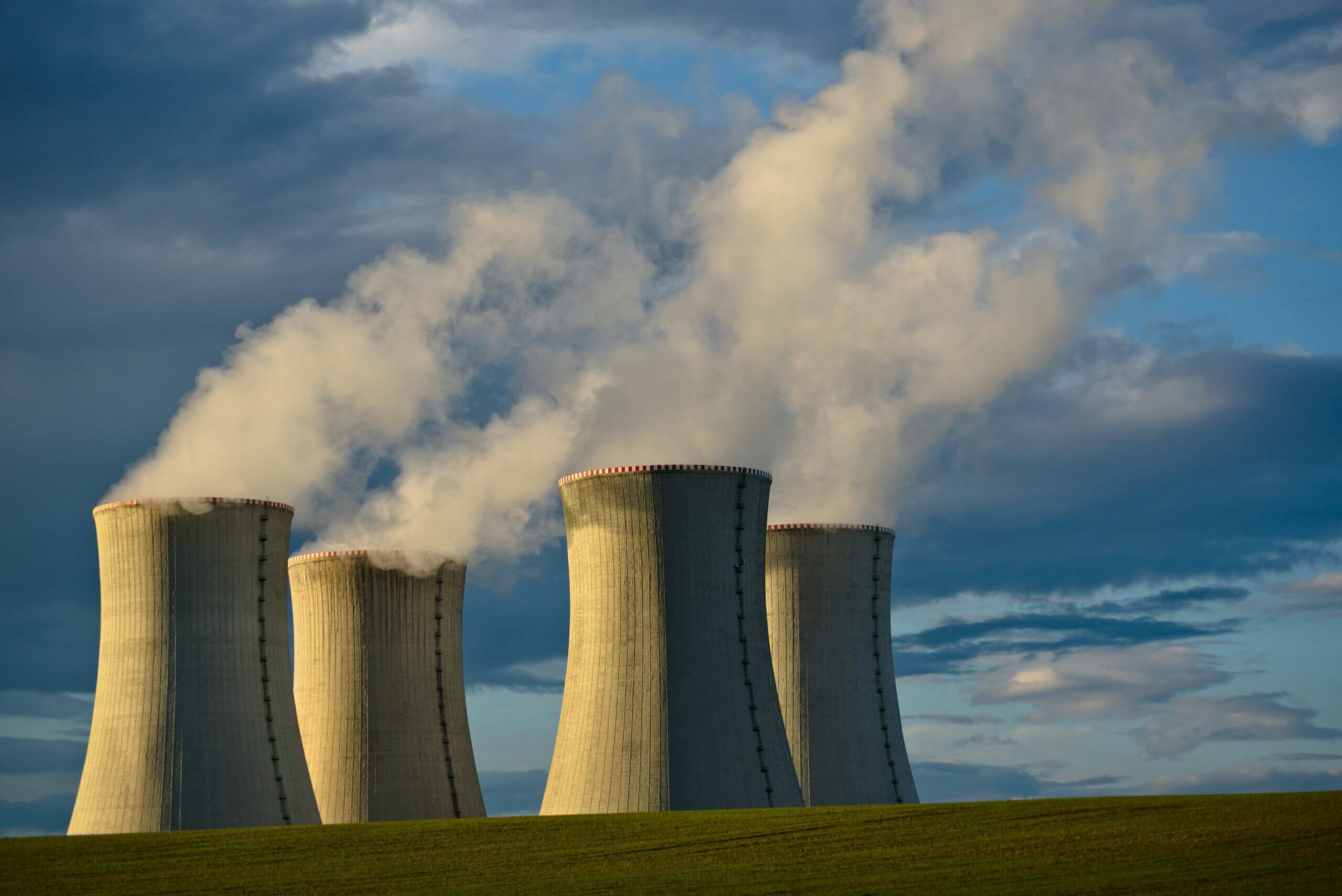
After two decades of flat demand, power consumption is surging. Grid Strategies forecasts 5.7 percent annual growth over the next five years, and the peak demand could be equivalent to 15 times New York City’s peak energy consumption.
Meanwhile, electricity prices are rising faster than inflation, and families and businesses across the country are feeling the effects.
It’s clear we need more supply, and nuclear power can be part of the solution. It’s safe, clean, dependable, and scalable. The key question for policymakers and ratepayers alike is: Is it cost-competitive?
By Nick Loris4 min readMay 21, 2026
→
Energy
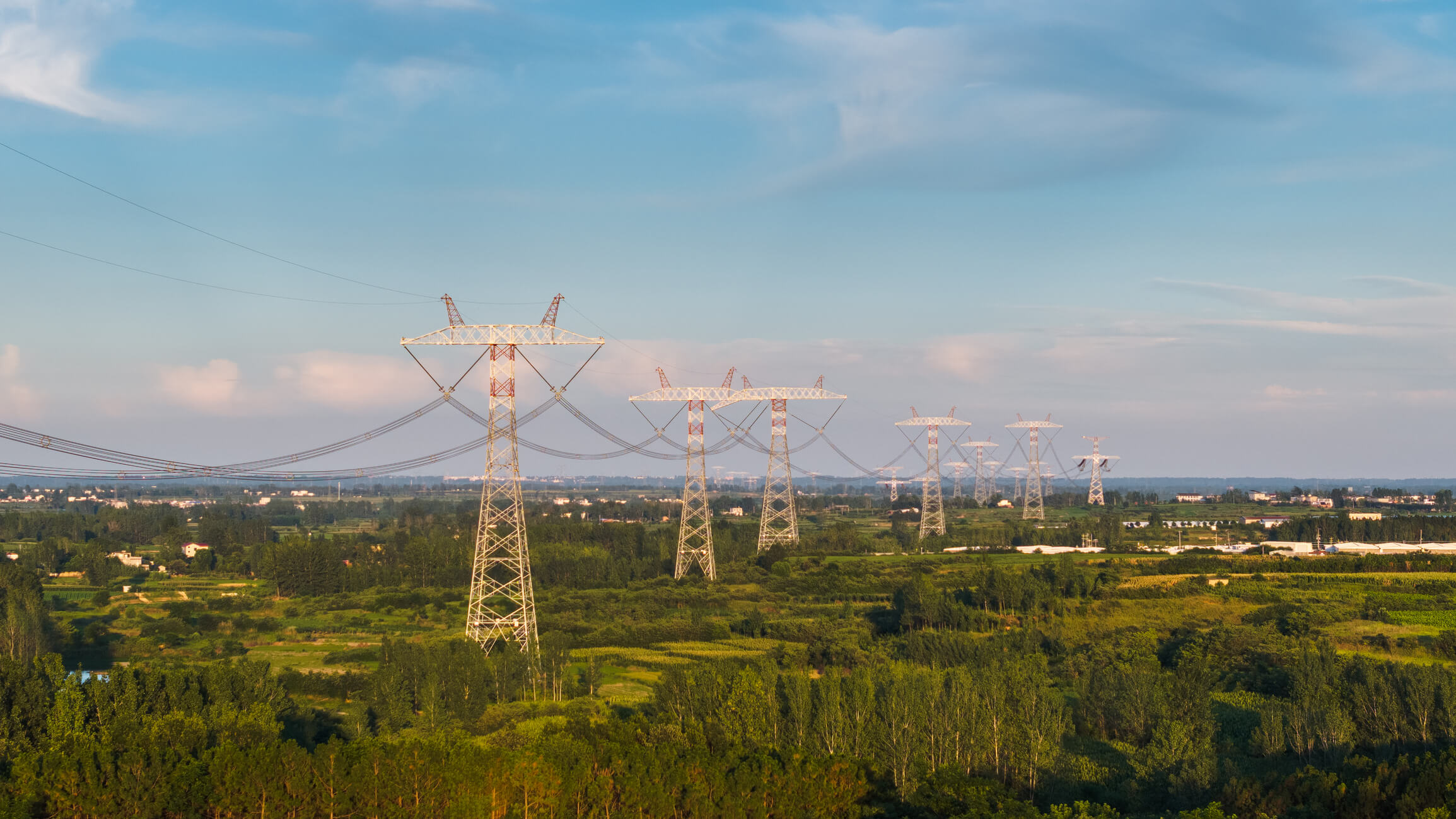
America needs more electric transmission, the high-voltage lines that carry electrons from power plants to communities nationwide. But under today’s policies, building those lines takes too long and costs too much. Without a substantial expansion in transmission capacity, the country is at risk of rising energy costs, a less reliable electric grid, and stymied global leadership in AI.
By Dylan Maxik4 min readMay 20, 2026
→
Energy
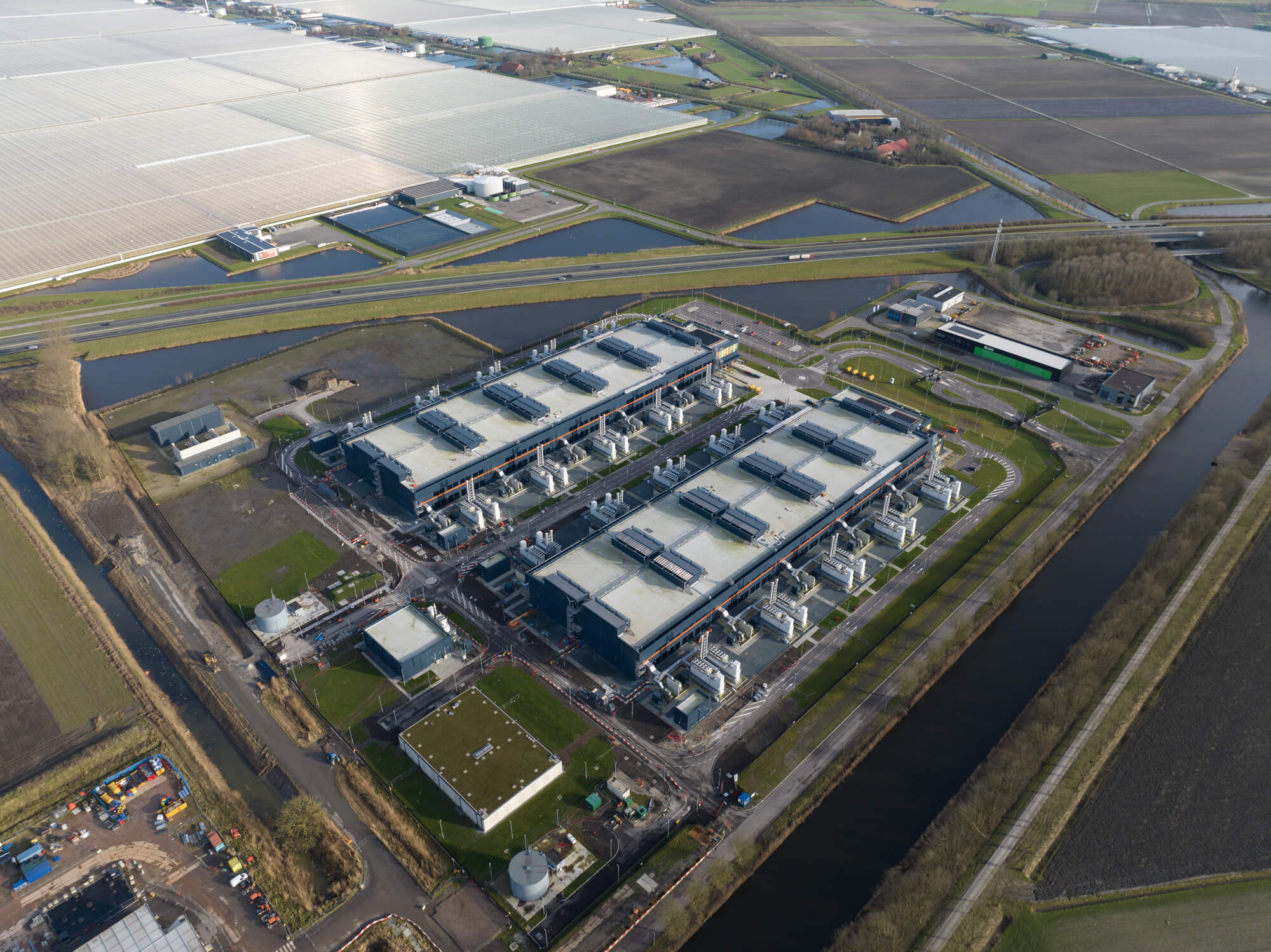
Should taxpayers love or loathe data centers? This question seems a loaded one in the first place. To ask it is to present a binary choice when, in reality, public opinion on the matter is more complex. Initially, a handful of fiscal conservatives branded the facilities that provide the infrastructure of the next Information Age as little better than taxpayer-funded sports stadiums or convention centers, which are proven economic and fiscal losers for the communities in which they abide compared to the various government subsidies they receive. Yet, aside from the fact that data centers, sports stadiums, and convention centers are physical structures, they have little to nothing in common.
By Pete Sepp6 min readMay 19, 2026
→
Energy
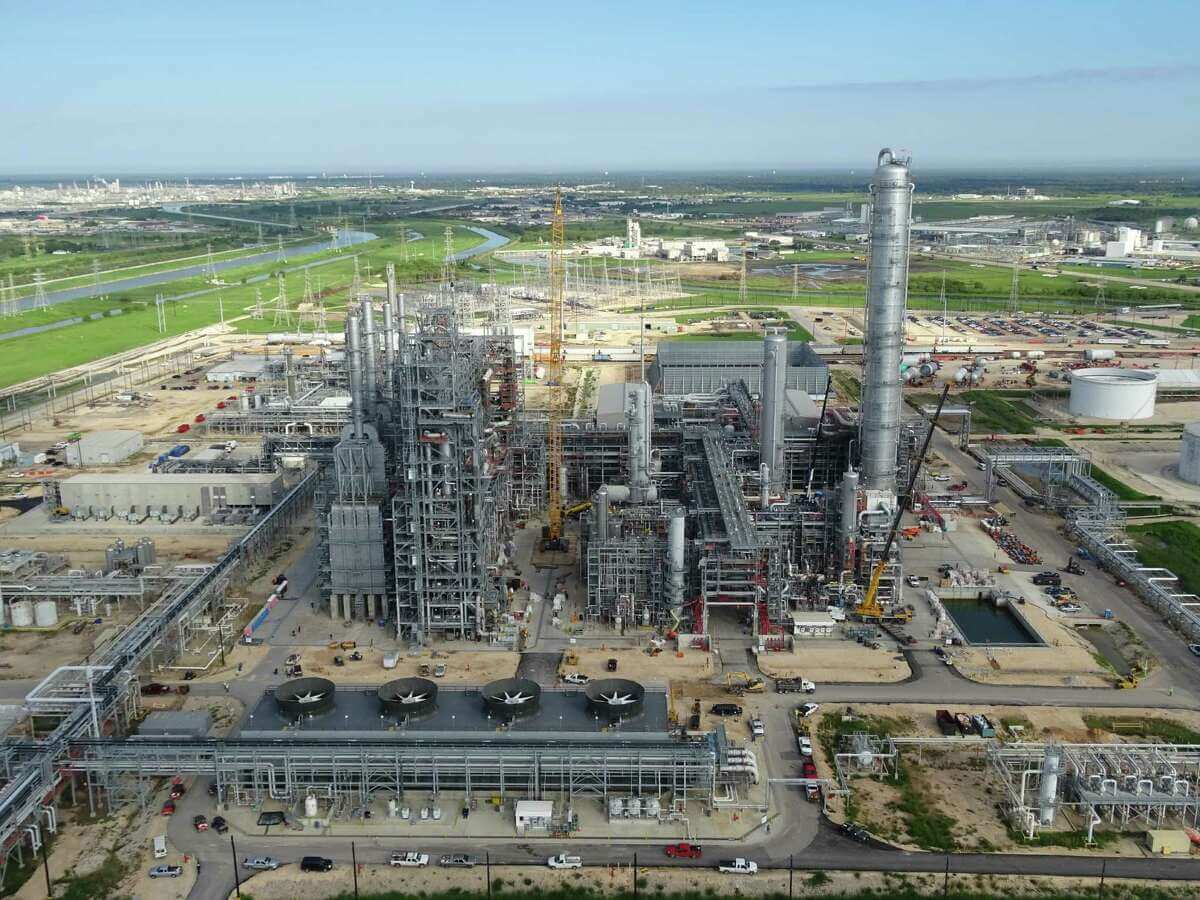
This month, C3 Solutions Action signed on to a bipartisan coalition letter calling for steady, robust federal funding for energy research, development, and demonstration. Addressed to the leadership of the House and Senate Appropriations Committees, the letter highlights the United States’ long history of energy innovation and the importance of maintaining that leadership.
By David Kemp2 min readMay 18, 2026
→
Energy
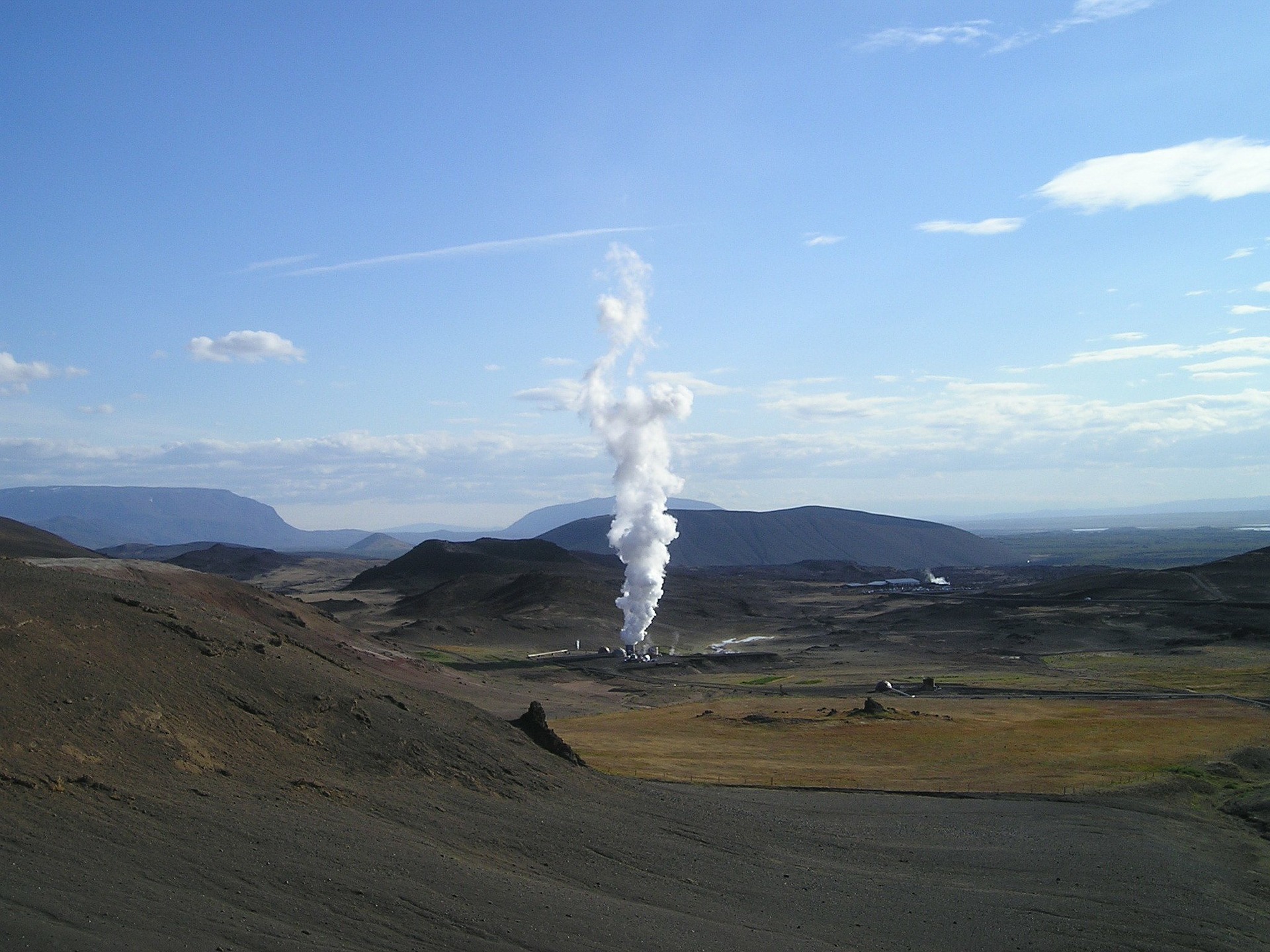
The Department of Energy’s Hydrocarbons and Geothermal Energy Office (HGEO) is allocating $14 million to fund field-testing of next-generation geothermal technologies. According to an announcement on April 14, the Pennsylvania-based enhanced geothermal systems (EGS) pilot project will reuse existing oil and gas infrastructure to test the potential of geothermal energy in the eastern U.S., where resources are less accessible due to the region’s unfavorable geology.
By Nathalie Voit3 min readMay 13, 2026
→

Energy
The national average for gas prices has surpassed $4.50 per gallon, up roughly 45% from a year ago. If Congress passes a bill that allows for year-round higher ethanol content in gasoline (“E15”) without protecting small refineries, Americans’ pain at the pump will only get worse.
By Nick Loris4 min readMay 12, 2026
→
Energy
In the coming months, the Nuclear Regulatory Commission (NRC) will finalize a slate of rulemakings that, taken together, represent the most consequential overhaul of America’s nuclear regulatory framework in nearly 70 years. The modernizations will address many significant regulatory cost drivers that have disadvantaged advanced nuclear energy as a reliable, emissions-free, dispatchable source of power. For nuclear energy to be a viable option, it needs to work for the American taxpayer and ratepayer. The NRC’s reforms give all forms of nuclear power a better shot at doing so.
By Nick Loris4 min readMay 11, 2026
→
