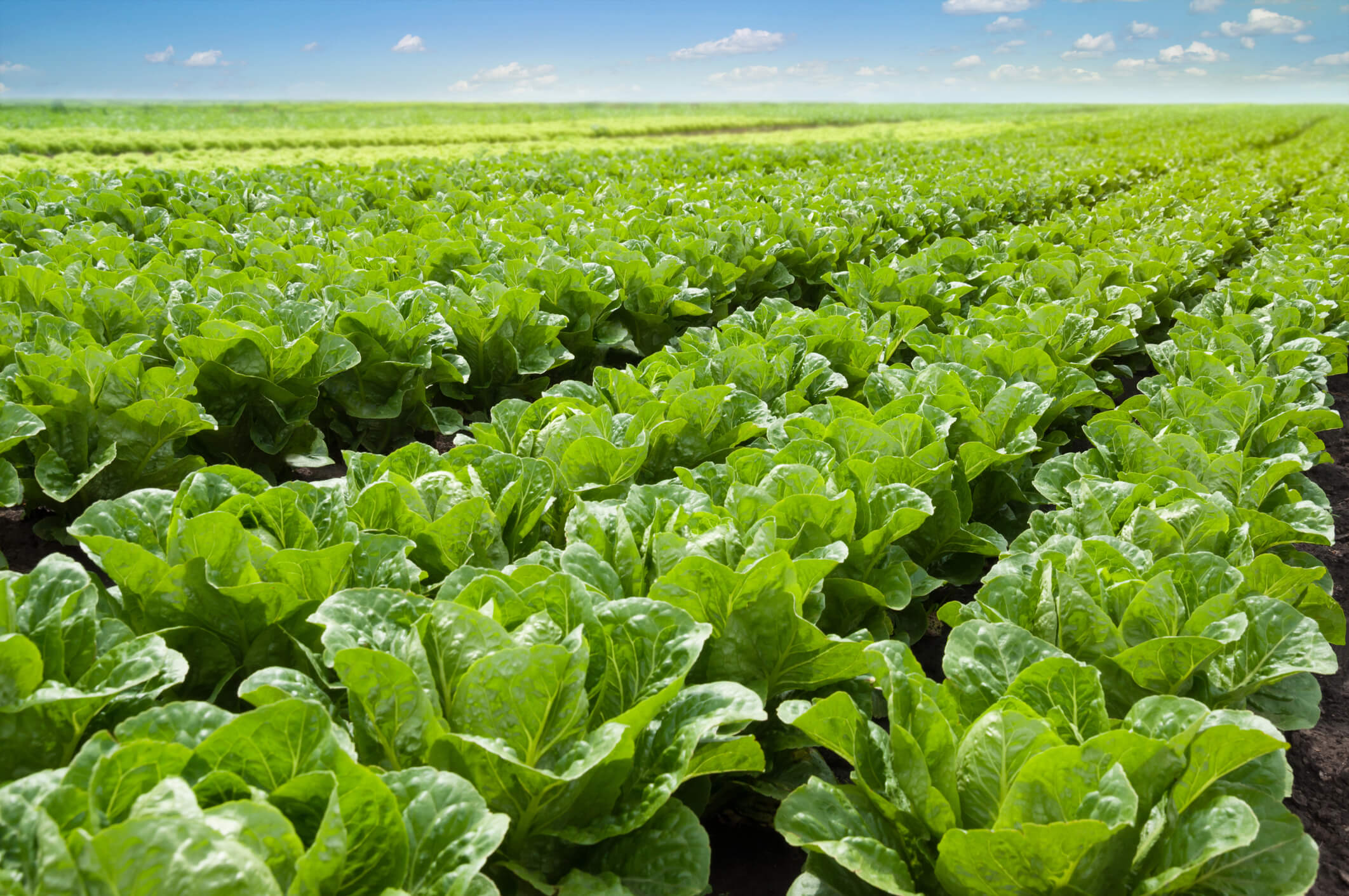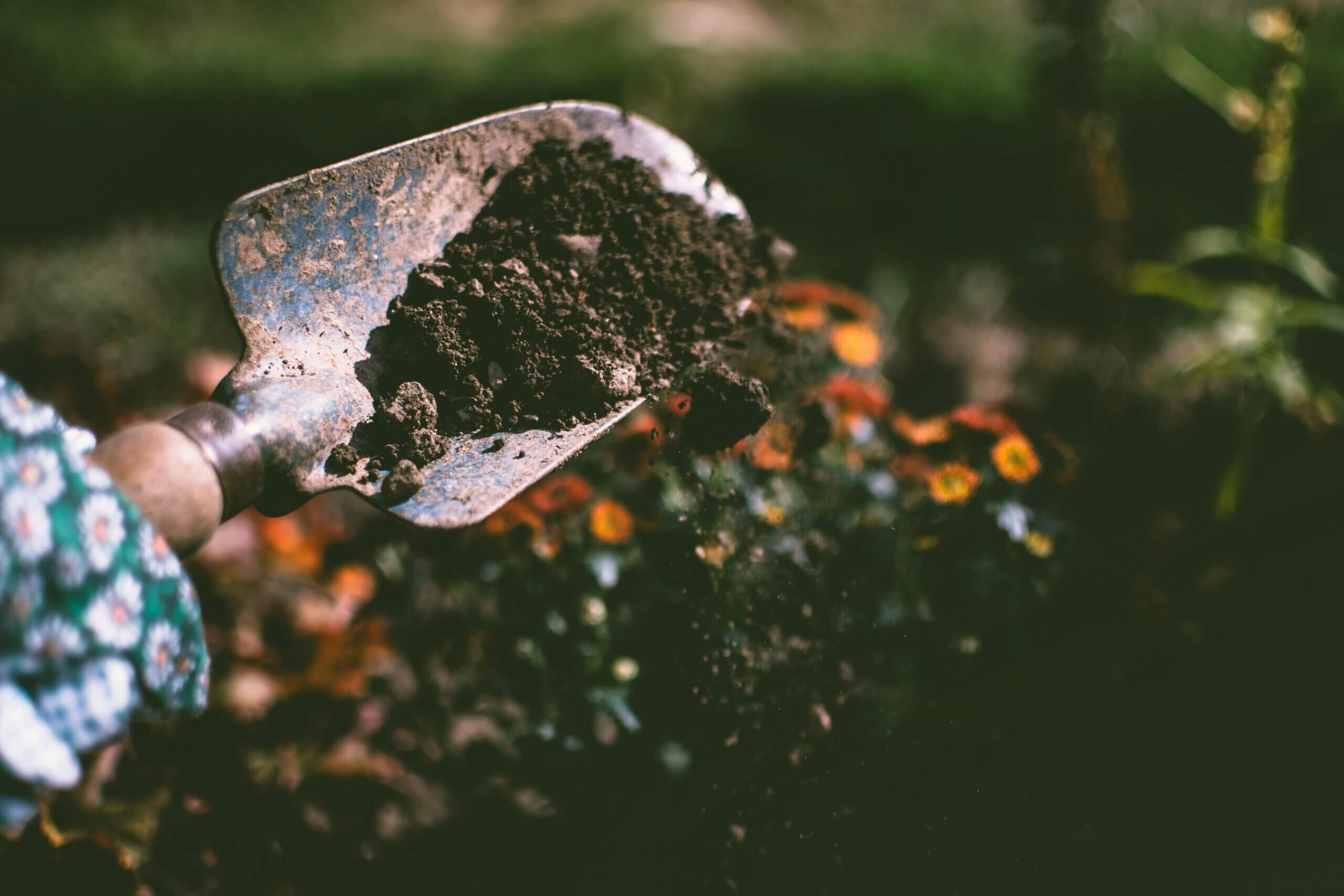
Healthy soil is at the heart of a prosperous and abundant farming industry. Without it, crop yields decline, along with plant nutrient levels, water filtration capacity, and biodiversity. Biochar may just be one of the most powerful yet overlooked tools for restoring soil health.
But it may not stay overlooked for much longer. Last week, the Biochar Research Network Act was reintroduced in both chambers, with Representatives Mariannette Miller-Meeks (R-IA) and Chellie Pingree (D-ME) sponsoring the House version, and Senators Chuck Grassley (R-IA) and Martin Heinrich (D-NM) sponsoring it in the Senate.
Biochar is a carbon-rich substance produced by heating organic materials, like plant debris or tree bark, under low-oxygen conditions, in a process known as pyrolysis. This process locks carbon into a solid form instead of releasing it into the atmosphere. With biochar’s unique makeup of carbon, nitrogen, oxygen, and hydrogen, it serves as a potent soil amendment and can help restore its health and fertility.
The Biochar Research Network Act would establish the National Biochar Research Network, tasked with studying how biochar interacts with different soil types, application methods, and climate conditions. Given that the United States alone boasts over 70,000 distinct soil types, this network would be essential for better understanding biochar’s impact.
Through up to 20 established research sites across the country, the network would study a wide range of biochar types to see how they perform directly on the ground. That includes testing how it impacts everything from soil carbon storage to crop productivity, extreme weather resilience, and overall soil and ecosystem health. The goal is to see how it works on actual farms and forests, using real management practices in varied climates.
>> Soil Contamination Puts Global Agriculture at Risk
Just as important, the network would deliver practical, science-backed guidance to the people who need it most: farmers, ranchers, foresters, land managers, and others working directly with the land. By building region-specific, cost-effective recommendations, the research could take biochar from an overlooked tool to an everyday land management strategy.
One of the most significant barriers to biochar’s success has been a lack of understanding and awareness of its purpose, and doubt in its ability to help improve soil health. With the establishment of a biochar-specific research network, that soon may change. The network will not only help generate crucial data for farmers and ranchers but also build trust and confidence in biochar as a viable and sustainable soil amendment. This bipartisan bill marks a great step forward in unlocking biochar’s potential for farmers and ranchers and the future of our soil.