In a world full of high-tech carbon capture technologies, biochar stands out as a lesser-known yet effective nature-based solution. Biochar has great potential for mitigating climate change, enhancing soil health, and reducing waste, all while generating energy as a byproduct. Some farmers and foresters are already using biochar as a soil amendment to improve the health of their land. But what exactly is biochar, and why does it matter?
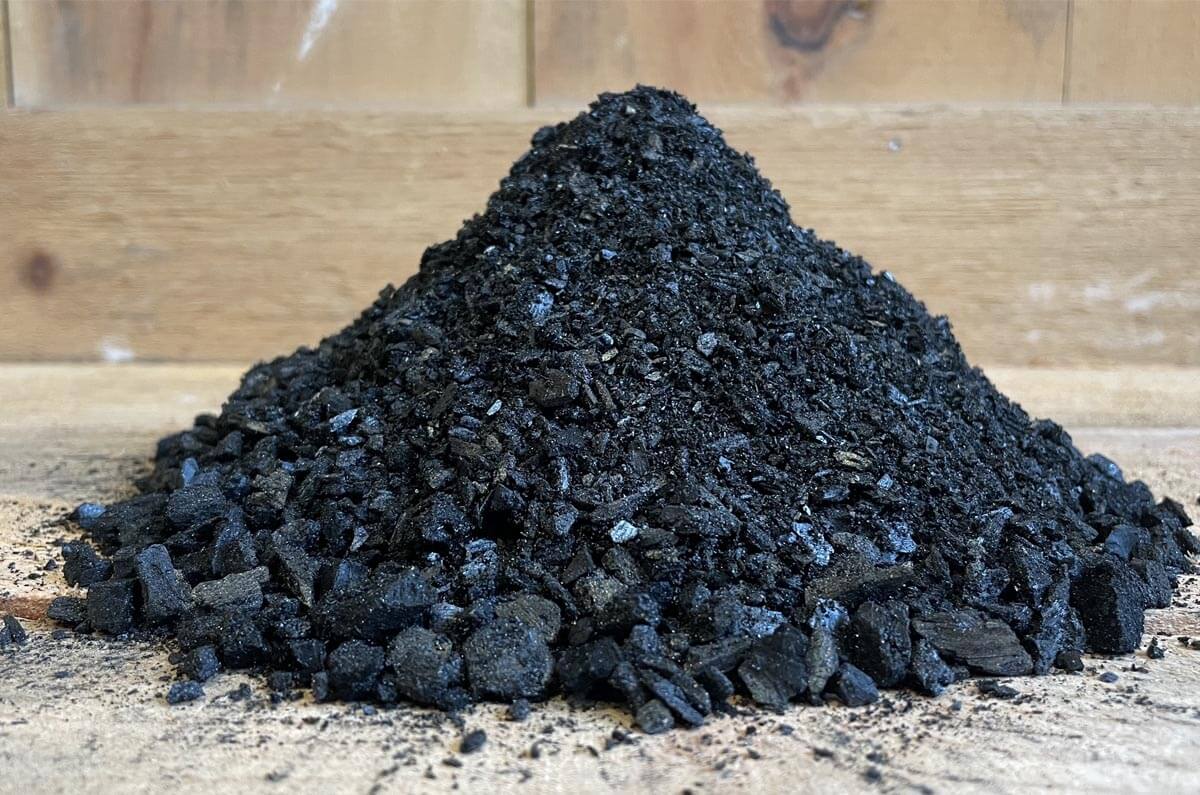
Biochar is a black substance resembling charcoal that is made from organic matter through a process called pyrolysis. Simply put, pyrolysis involves heating organic matter, such as tree bark, dead plants, or leaves, in a low-oxygen environment. This process does not release any carbon emissions and, instead, captures and stores the carbon in biochar. In fact, 70 percent of biochar’s composition is carbon, with the remaining 30 percent being nitrogen, oxygen, hydrogen, and other elements. This composition makes it ideal for improving soil quality.
The process of creating biochar dates back over 2,500 years to the Amazonian Basin of South America, where Indigenous people fertilized their land with “terra preta,” or “black earth.” However, the historic way of creating this substance, which involved piling, covering, and burning wood, released up to half of the carbon in the burned organic matter. While developing countries still use this technique, pyrolysis offers a lower-emission, more sustainable alternative.
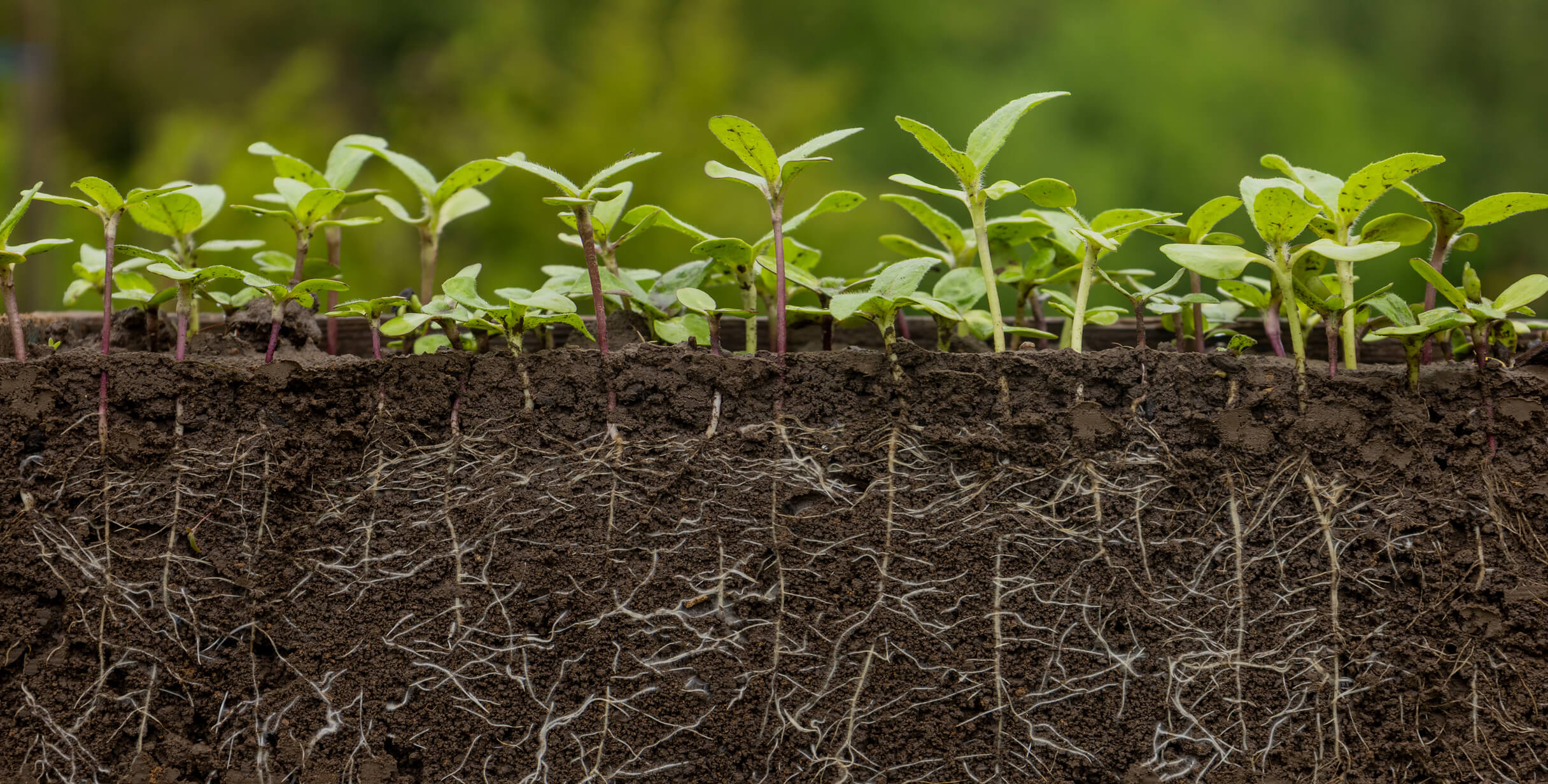
Now, let’s explore why biochar matters. Research has shown that soils enriched with biochar can reduce carbon and nitrous oxide emissions by 50-80 percent, making it an effective carbon sink. Carbon sinks are vital in mitigating climate change, absorbing and capturing carbon, and reducing atmospheric concentration. It also can attract and retain moisture in the soil, potentially reducing irrigation needs, and helps retain nutrients that are otherwise difficult to maintain. Some biochar from the Amazonian Basin, 2,500 years ago, is still present in the soil today, highlighting its ability to persist and provide long-lasting benefits—far longer than traditional fertilizers.
>>>READ: This Game-Changing Seed Technology Could Transform the Way We Farm
Farmers who apply biochar to unhealthy, low-carbon soil could see up to a fourfold increase in crop yields. Other research shows that combining biochar with traditional chemical fertilizers can boost the growth of certain crops, such as winter wheat and various vegetables, by 25 to 50 percent compared to chemical fertilizers alone. This is advantageous not only from a crop yield perspective but also benefits the farmers economically.
From a waste management perspective, biochar offers a promising solution by transforming organic waste into a valuable resource. Rather than allowing agricultural, forestry, or urban waste to decompose and release greenhouse gases, biochar production captures carbon and turns waste into usable material. Biochar could be particularly beneficial for forest restoration, as slashed trees can be converted into biochar, creating an additional income stream for foresters and reducing emissions.
Another benefit of biochar production is that it can generate renewable energy as a byproduct of pyrolysis. During the process, methane, carbon monoxide, and other combustible gases are captured and condensed into liquid fuels. These byproducts, including renewable bio-oil, can be sold, stored for future energy use, or utilized on-site for energy production.
>>>READ: From Seed to Bottle: How the Wine Industry is Going Circular
Despite the many proven co-benefits associated with biochar, barriers remain in the way of its widespread adoption. There is currently no quality standard for biochar, and many people still view it as a niche and experimental product rather than a viable alternative or addition to fertilizer. Like with any emerging market, building trust within the biochar sector is essential for its broad adoption. Overcoming these barriers through education and market integrity may help biochar become more widely accepted as a climate mitigation and soil-enhancing conservation tool.