Despite private sector innovation in new nuclear technologies and increasing demand for clean, firm power, America is on the cusp of ceding valuable ground to countries like China and Russia. In recent years, policymakers have recognized the importance of fission and fusion power for energy needs and environmental objectives. One public-private partnership is Zap Energy, funded in part by the Advanced Research Projects Agency-Energy (ARPA-E).
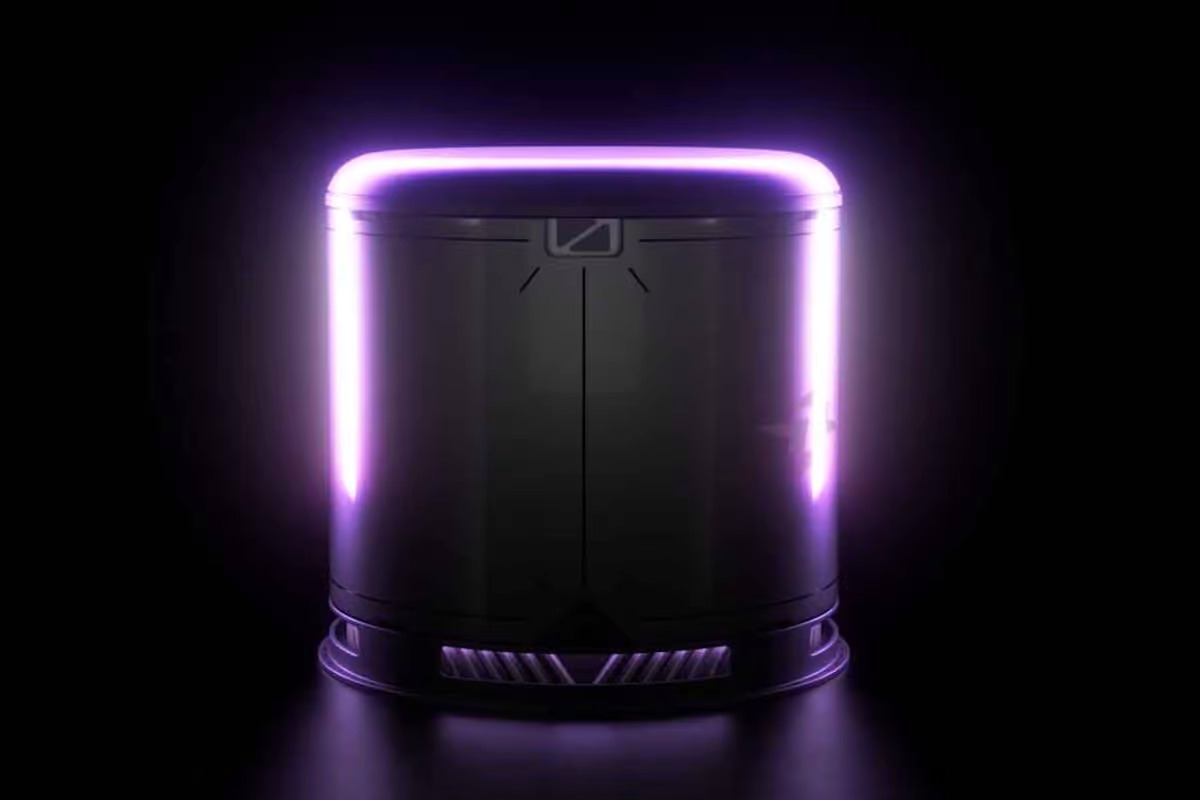
Zap Energy is creating cheap, scalable, and compact fusion technologies that they claim have a shorter and more affordable path to commercialization. Dubbed “Z-pinch,” this fusion technology leverages an electromagnetic phenomenon called the pinch effect to create the necessary conditions for nuclear fusion—a process where two small atomic nuclei come together to form a larger nucleus, releasing energy in the process. This process has the capacity to release 10 million times as much energy as burning coal does.
Unlike traditional nuclear fission plants, which need large facilities, expensive superconducting magnets, and high-powered lasers, Z-pinch technology offers a smaller, more affordable approach to generating energy. Developed by Zap Energy, this method uses a technique called “sheared-flow stabilization,” which helps keep the plasma stable and allows fusion reactions to last longer.
The pinch effect happens when an electric current flows through plasma, creating a magnetic field that compresses the plasma, making it hotter and denser, which can help sustain fusion reactions. This breakthrough addresses one of the main challenges in traditional fusion methods: the difficulty in maintaining energy production for long periods. It also opens up the possibility for clean and efficient energy production without the radioactive waste that nuclear fission leaves behind, waste that lasts for millions of years. While nuclear fission is considered one of the safest energy sources, second only to solar power, nuclear fusion is even safer, as it does not rely on chain reactions that could result in nuclear accidents.
Zap Energy has received $14 million from ARPA-E over the course of 8 years. In 2007, Congress authorized the creation of ARPA-E within the U.S. Department of Energy to invest in high-risk, high-reward technologies that private financiers would fund alone. Zap has also received funding from high-profile investors such as Breakthrough Energy Ventures.
Nuclear fusion has great potential to revolutionize energy production, and with innovation like Zap Energy’s Z-pinch technology, the U.S. can reclaim its position as a global leader in scientific and technological innovation. By harnessing the pinch effect and employing techniques like sheared-flow stabilization, Zap Energy is paving the way for a fusion-powered future. The support from ARPA-E is essential in this endeavor, as it provides critical funding that allows high-risk, high-reward technologies to move from concept to reality.
From the invention of the telegraph to the historic Apollo 11 moon landing, the United States has long been a leader in scientific and technological innovation. Maintaining this leadership is not just for bragging rights but also for ensuring national security and that of our allies. By investing in projects like Zap Energy’s, ARPA-E helps bridge the gap between research and commercial success, accelerating the development of cleaner and more efficient energy solutions.